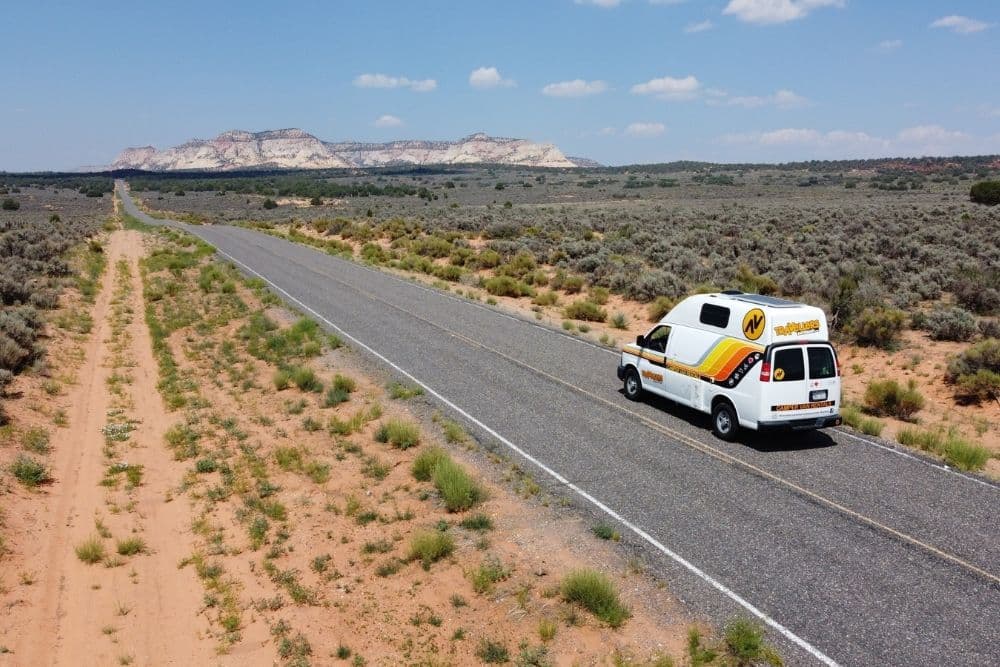
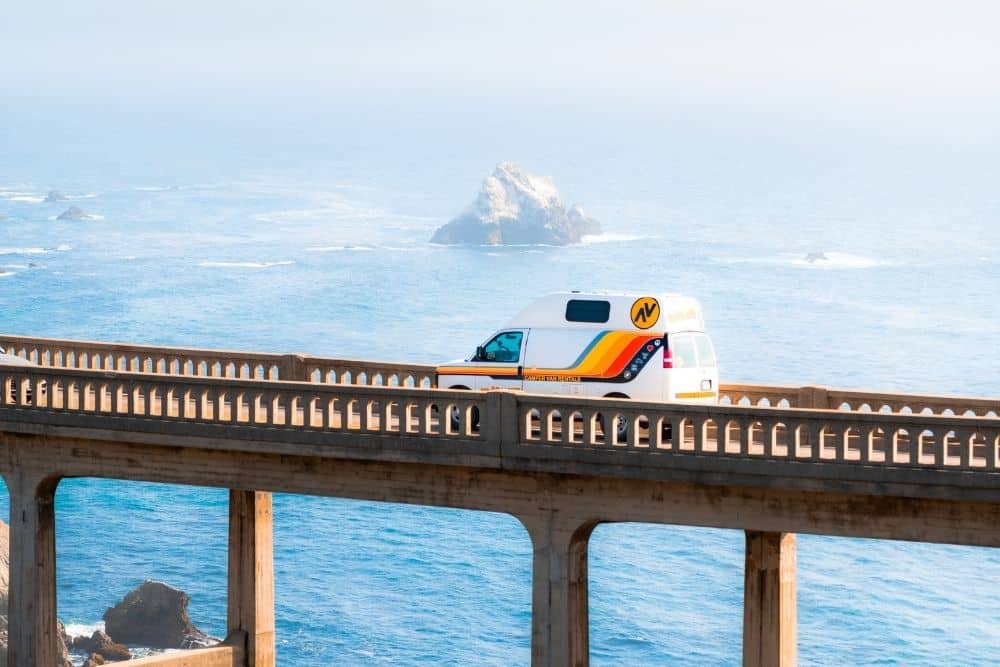
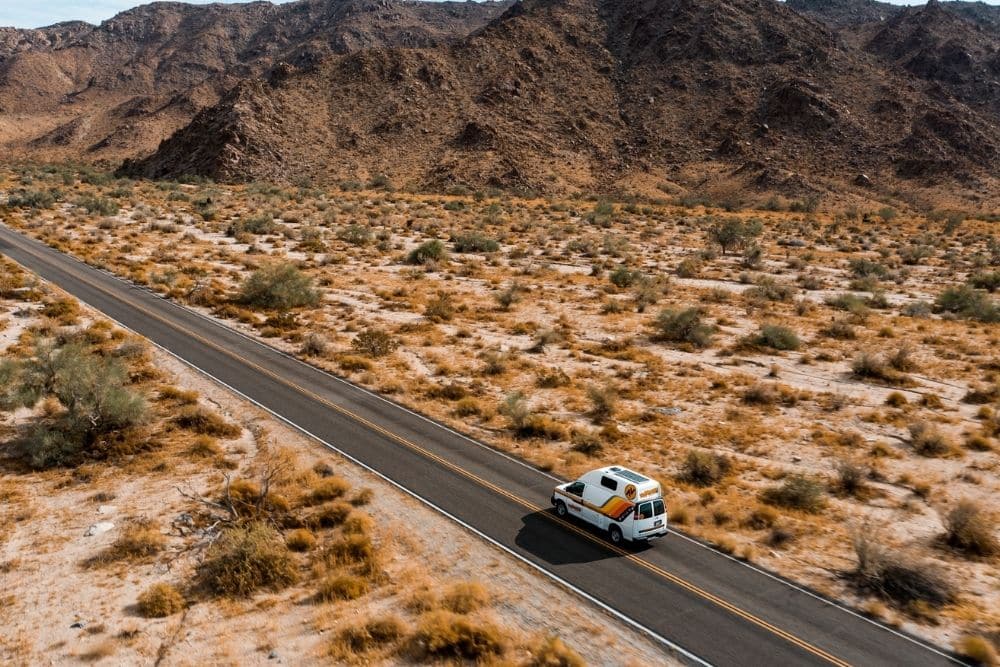
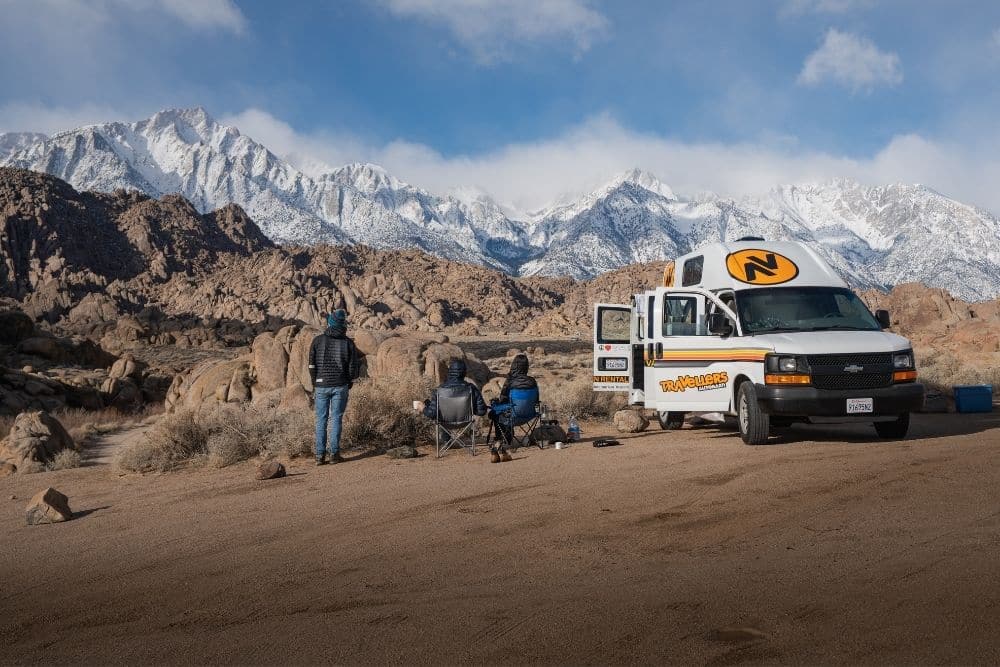
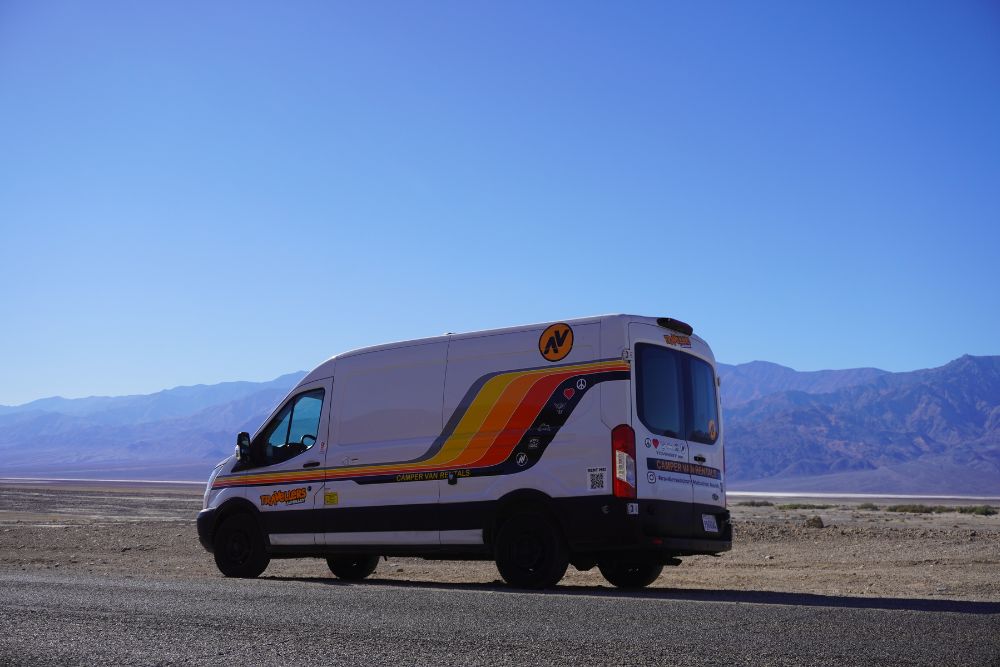
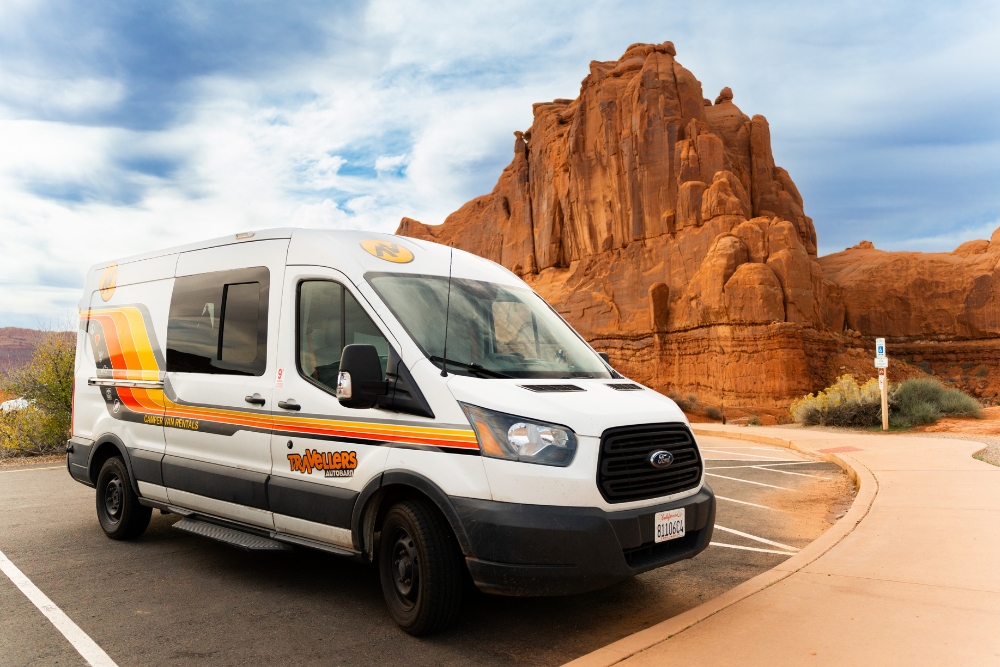
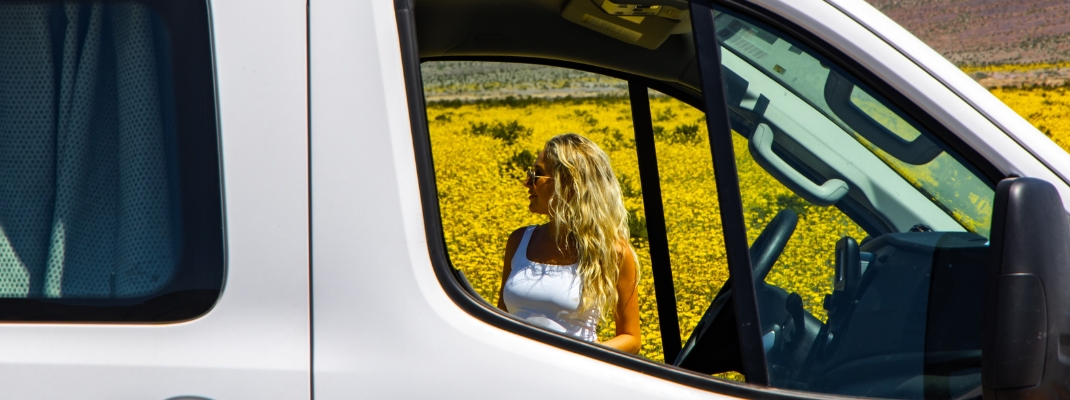
The California superbloom is one of nature’s most spectacular shows – a rare event when deserts and grasslands erupt into vast carpets of wildflowers almost overnight. And it’s already beginning. Early blooms are emerging across parts of Death Valley National Park, Carrizo Plain National Monument and Anza-Borrego Desert State Park, signaling what could become another unforgettable spring across the Golden State.
Superblooms don’t happen every year. They rely on a precise combination of steady winter rainfall, mild temperatures, and perfect timing – which makes them both rare and wildly unpredictable. When conditions align, however, the results are extraordinary. In 2023, California’s wildflower explosion was so intense it was visible from space!
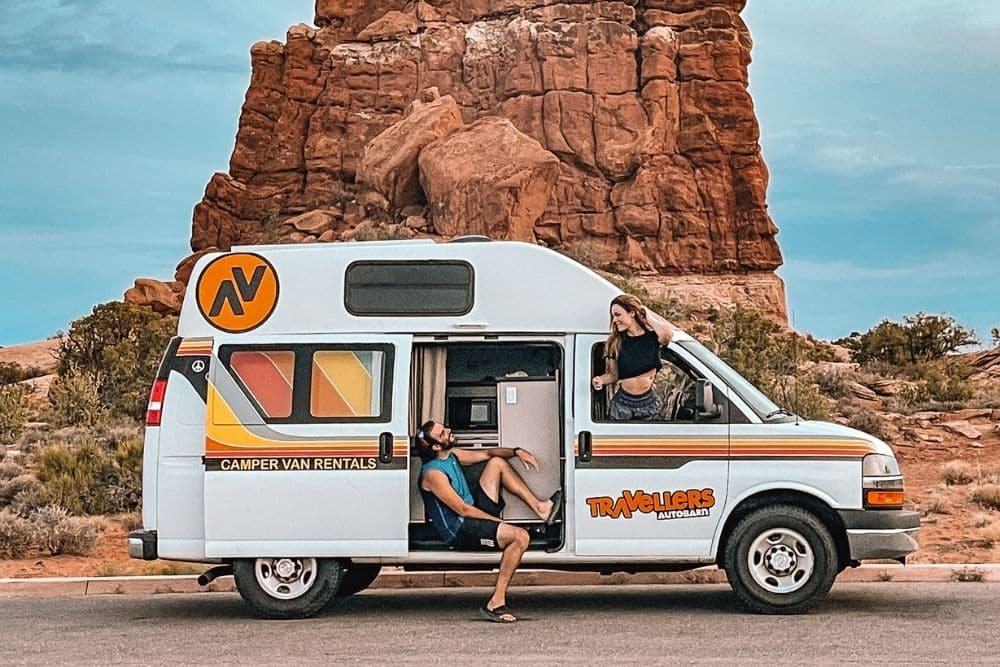
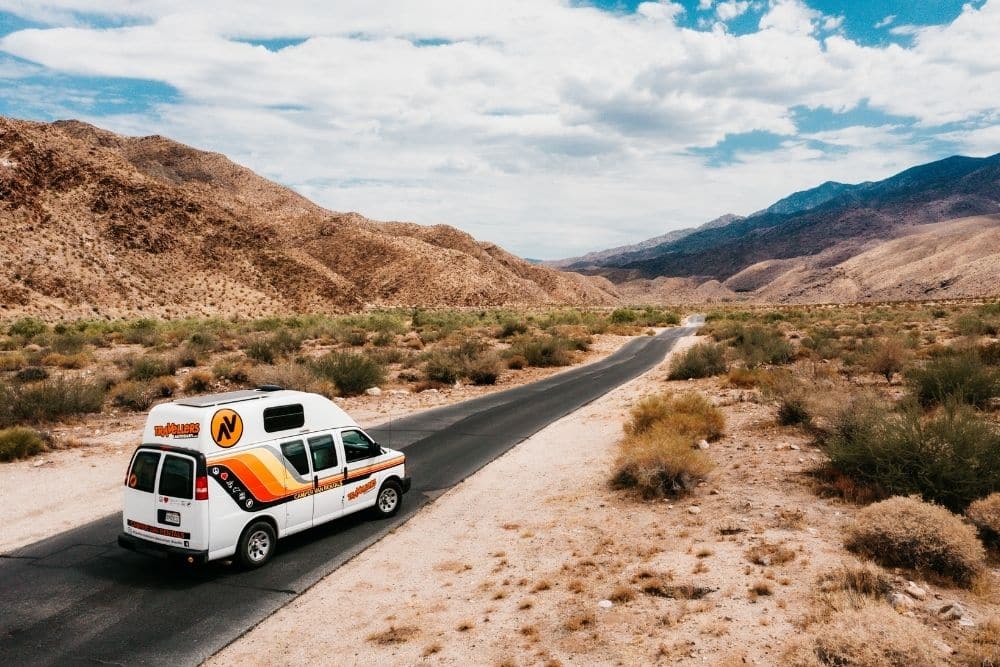
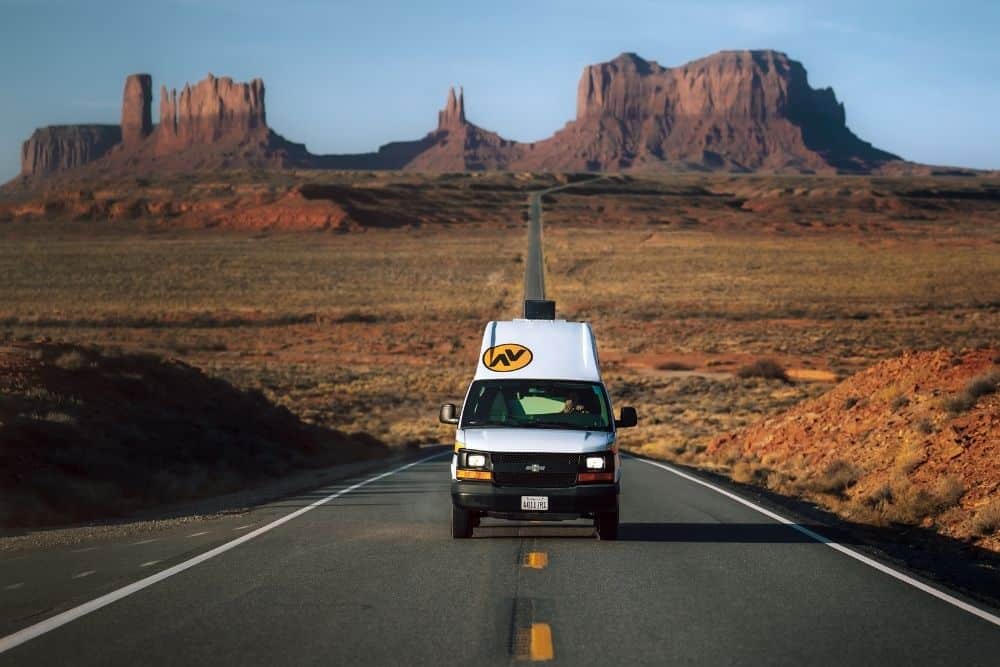
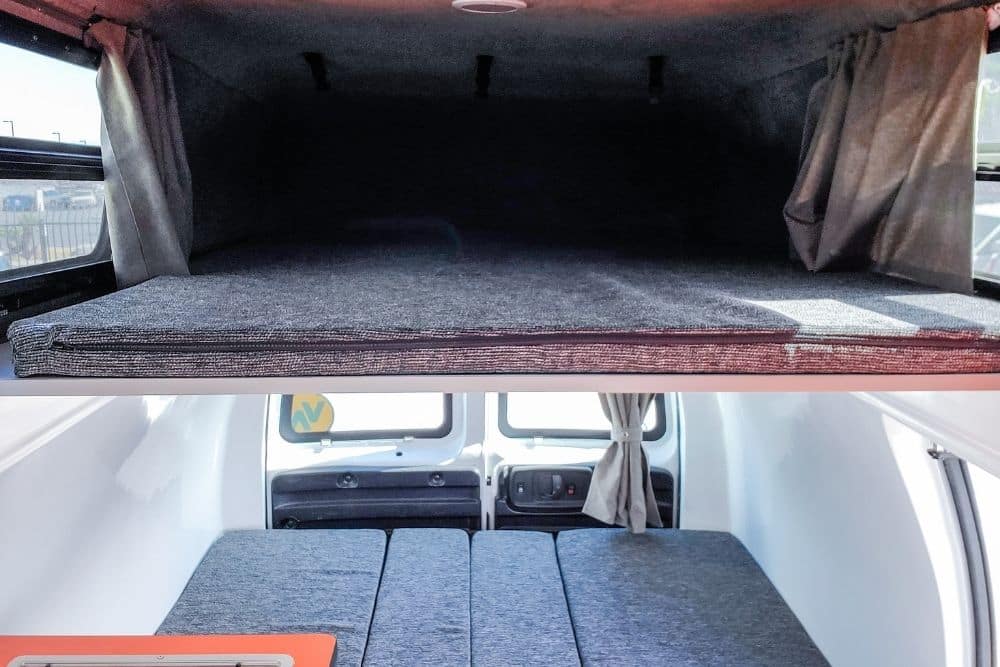
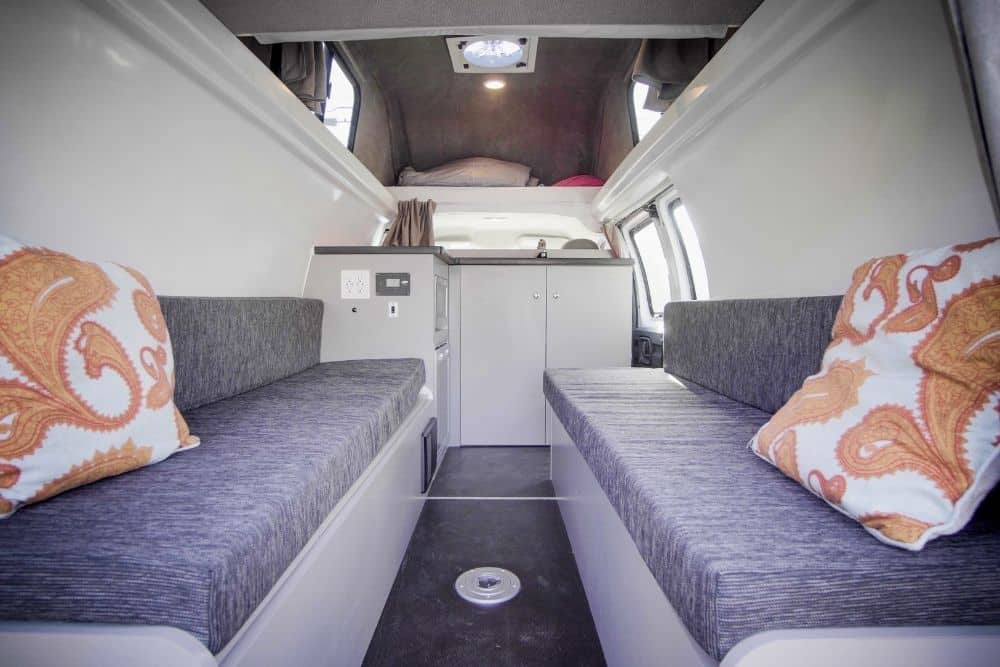
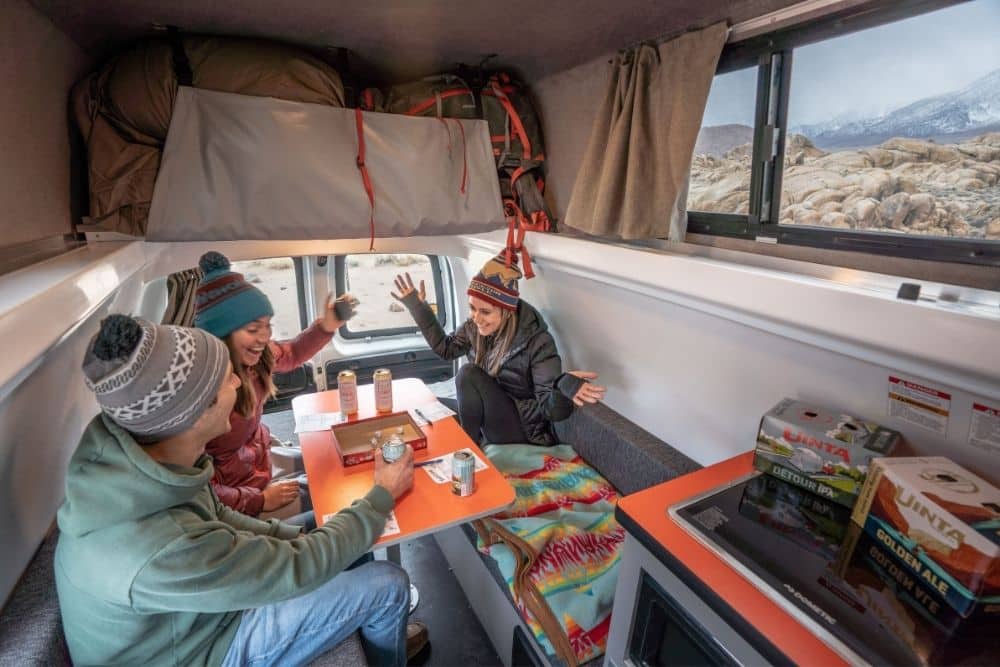
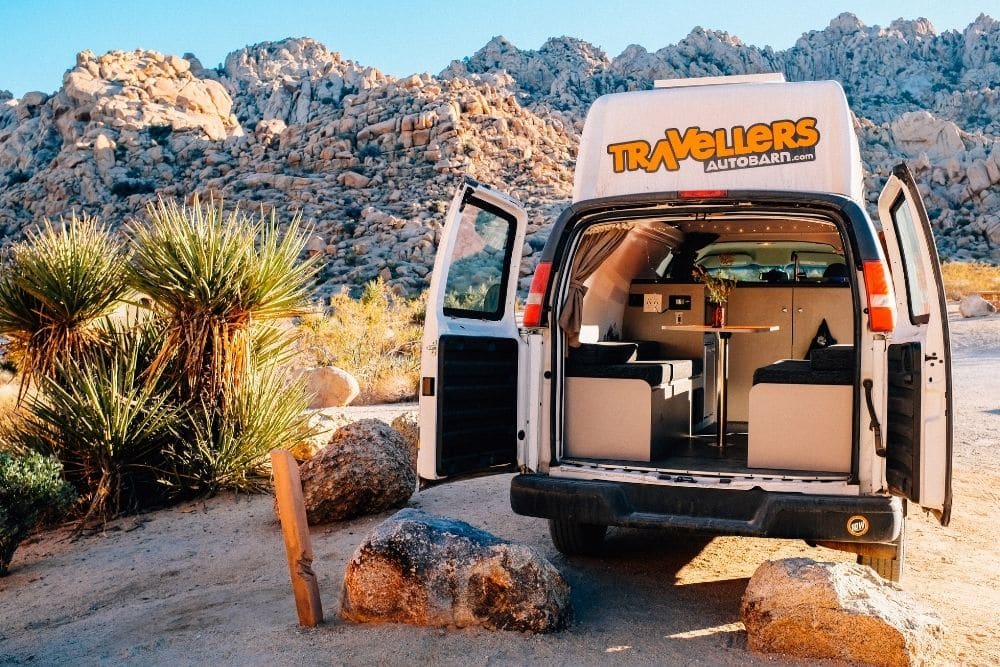
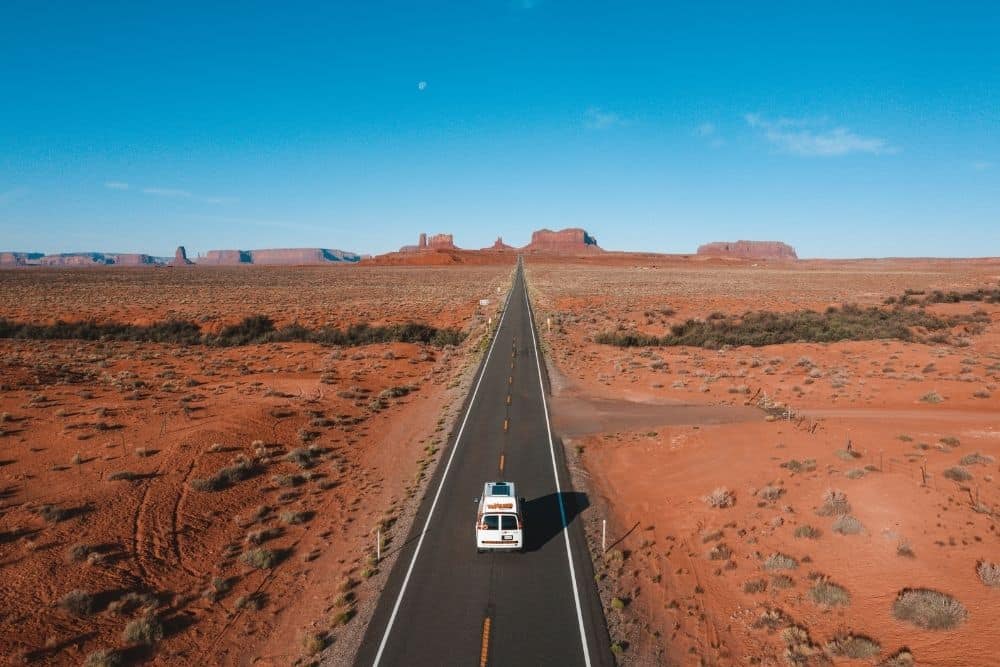
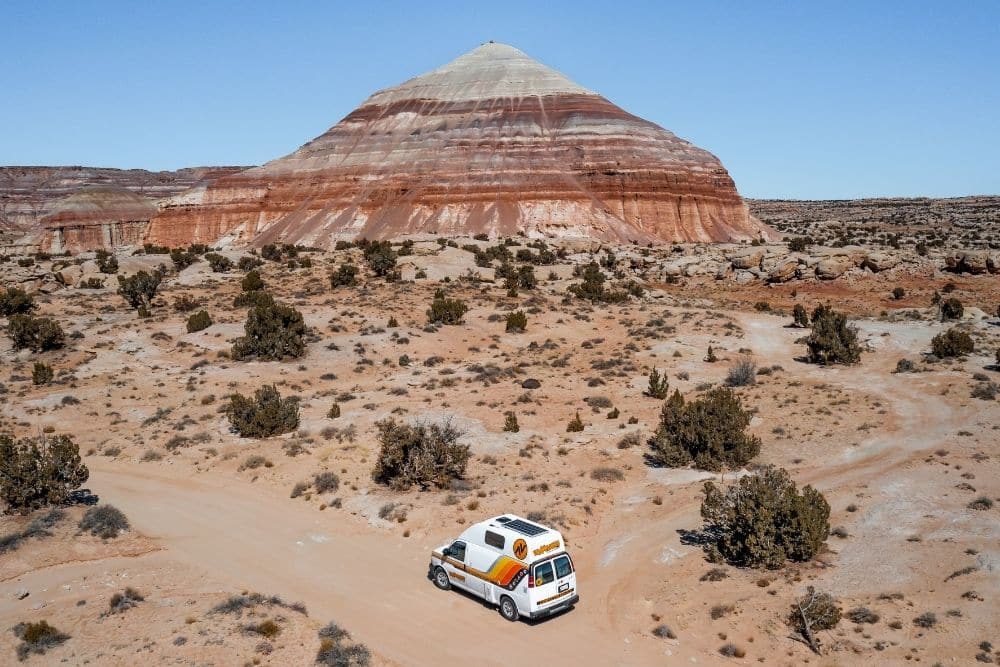
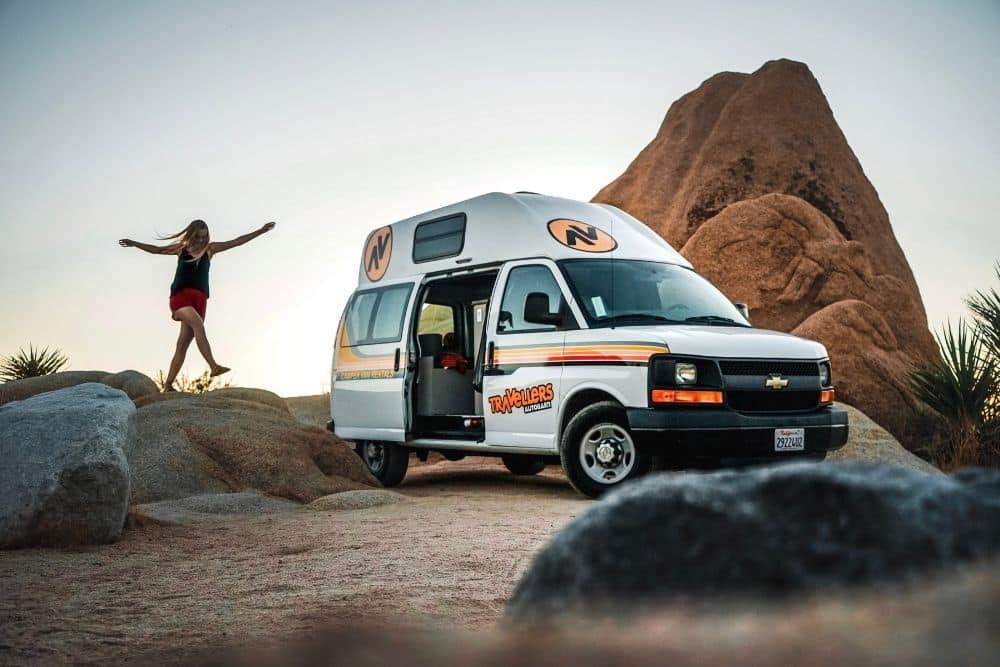
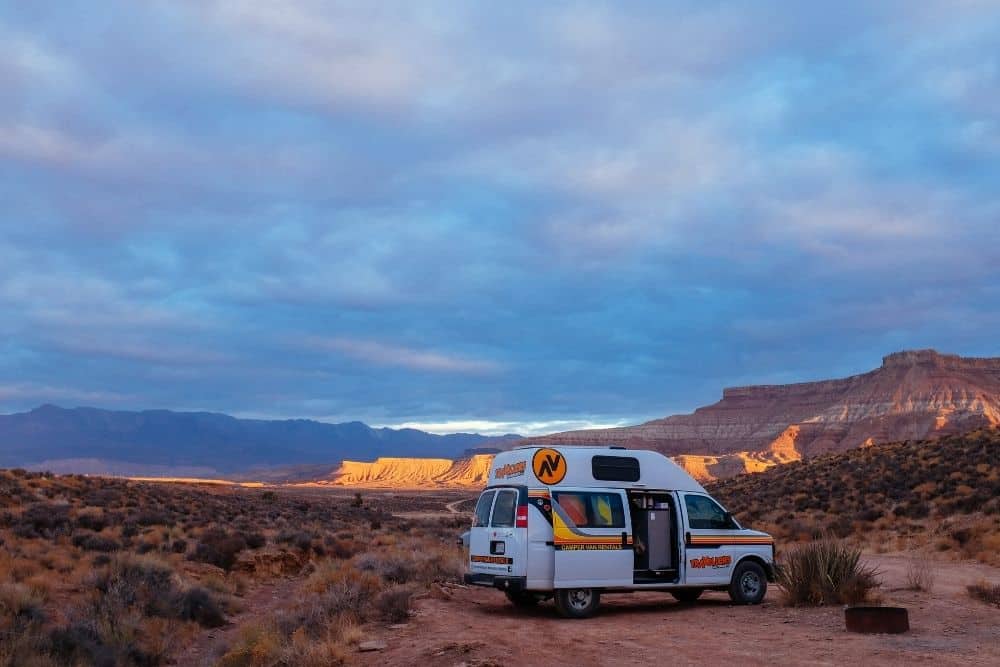
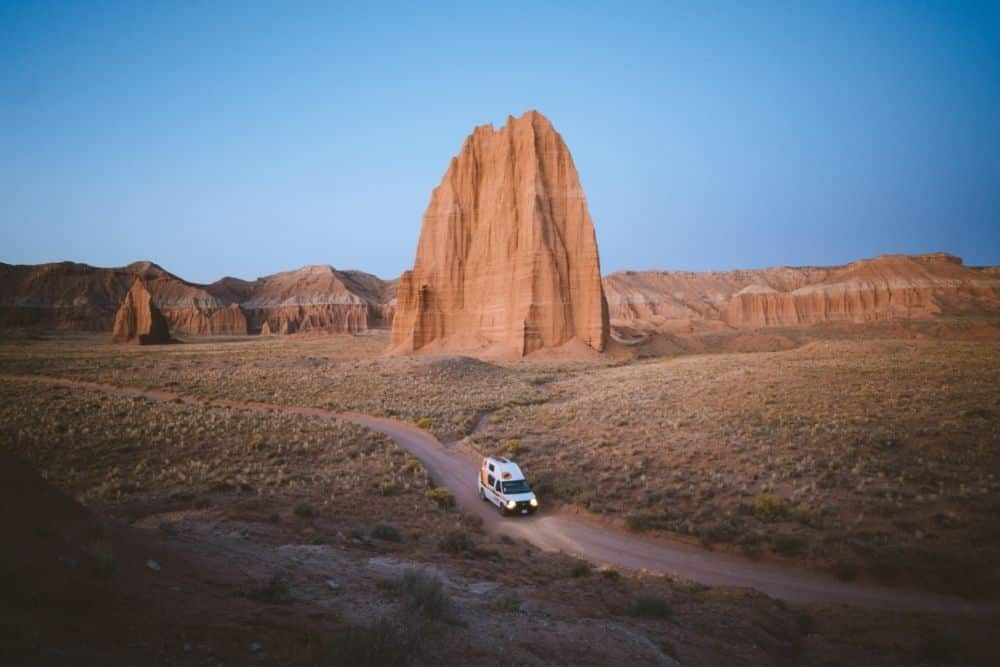
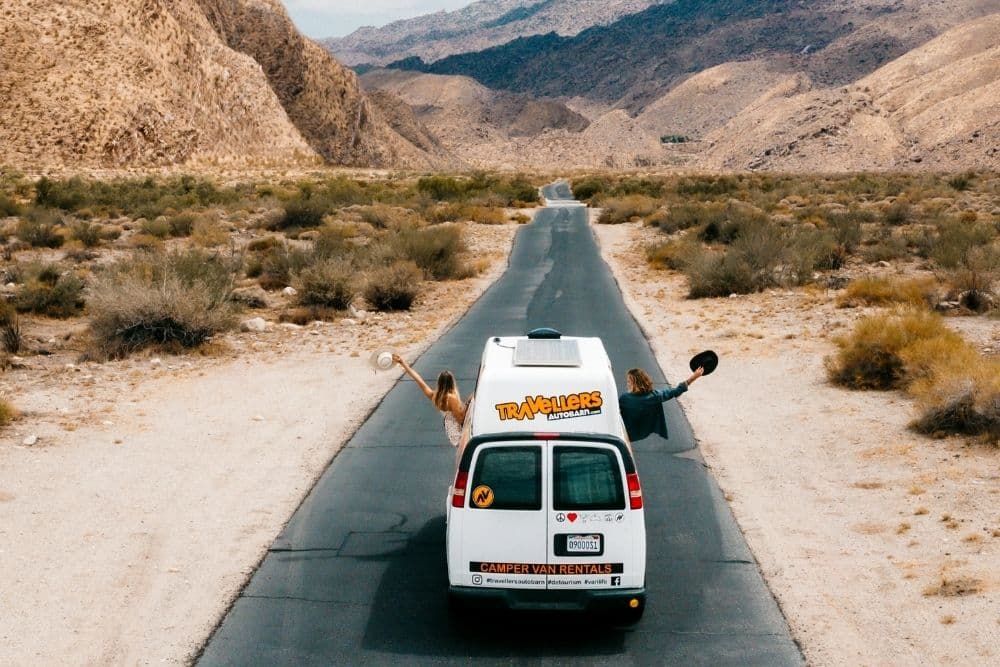
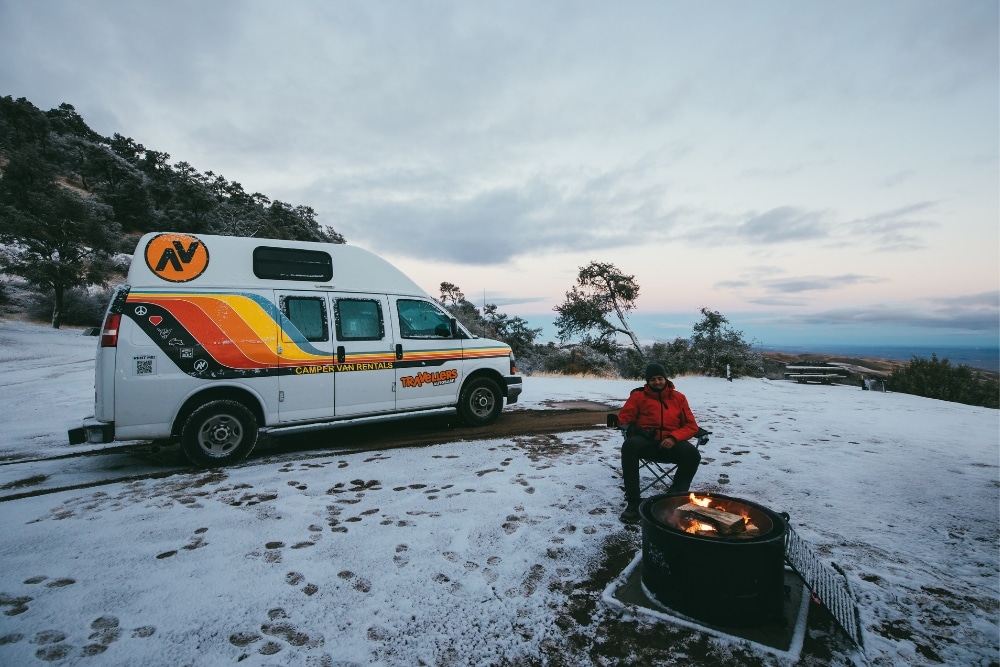
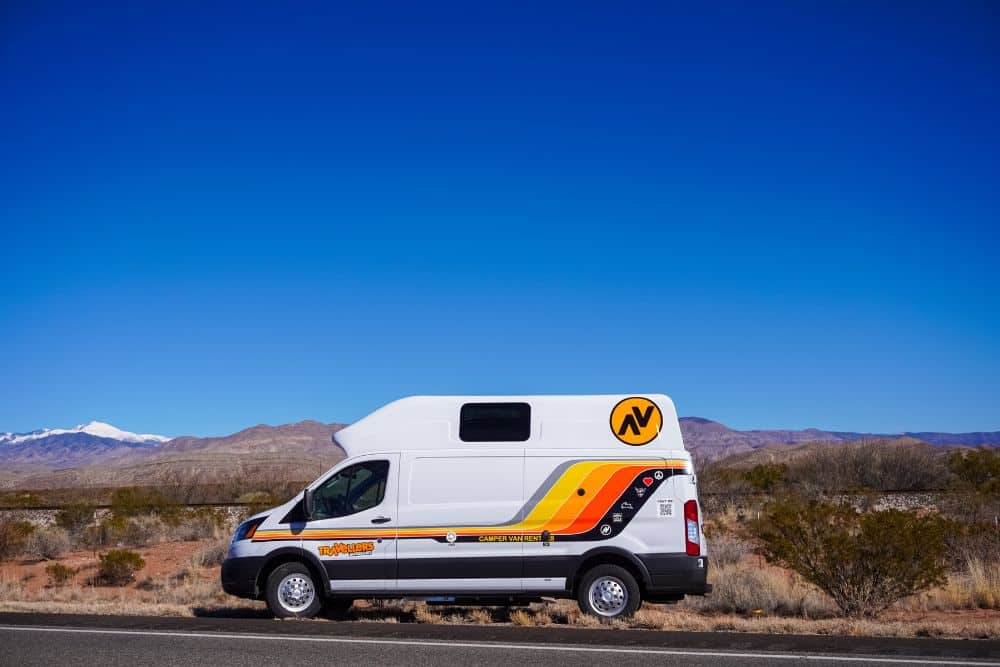
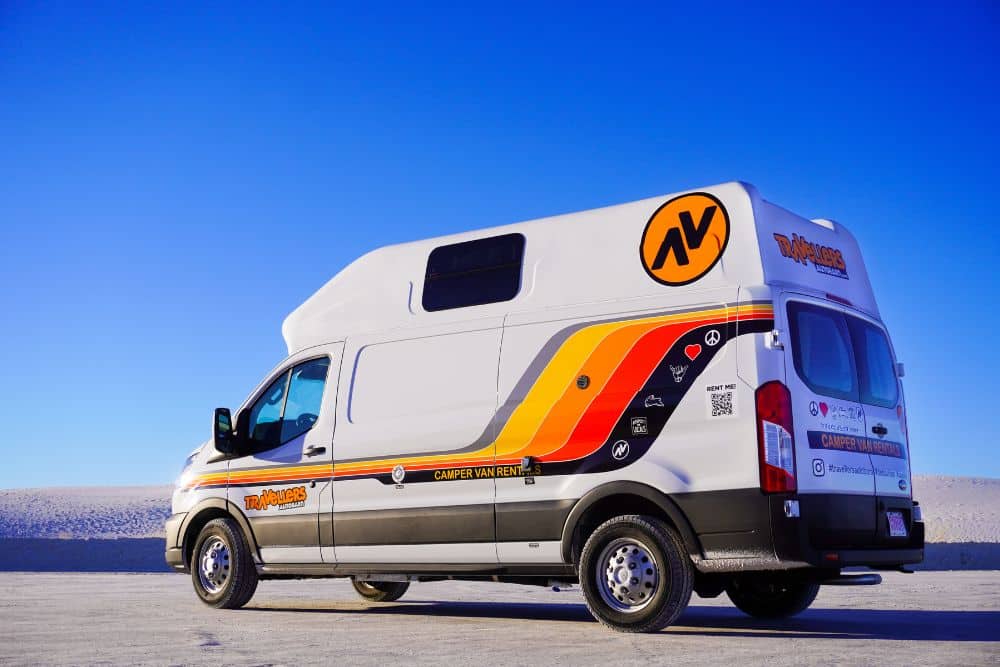
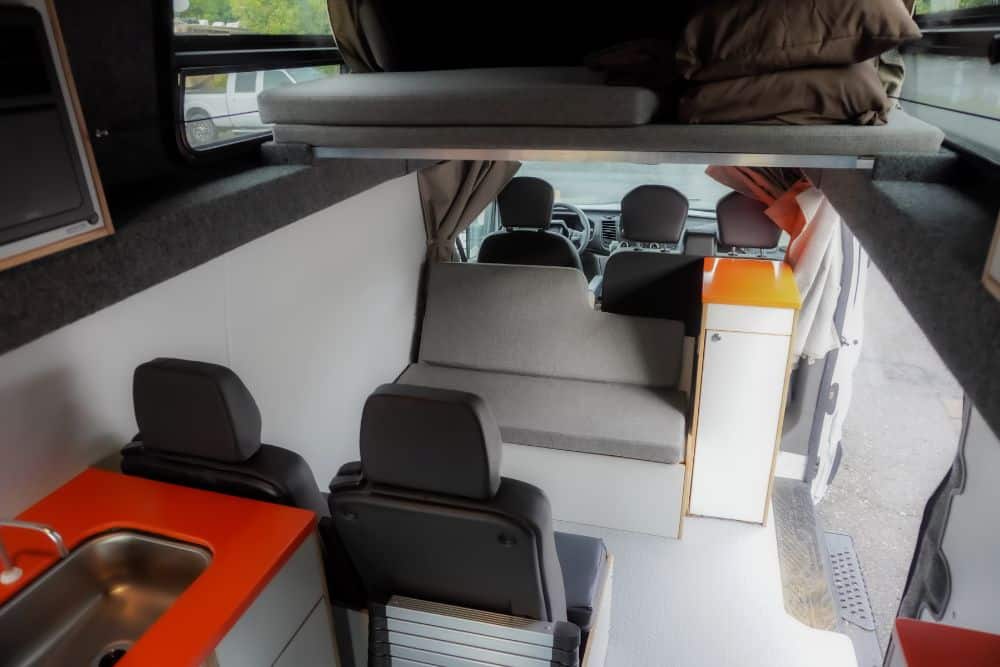
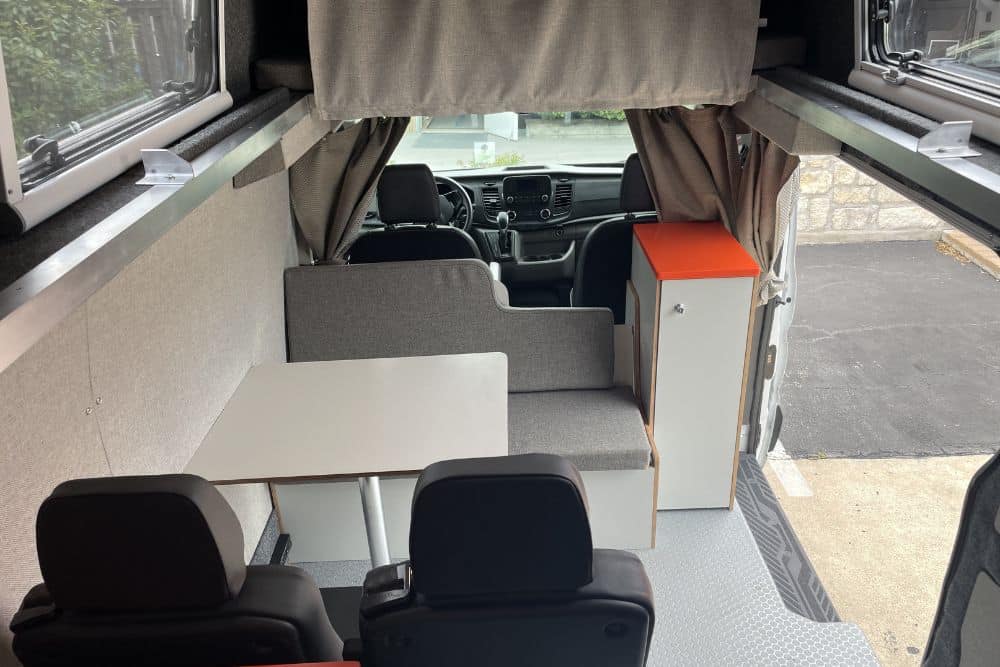
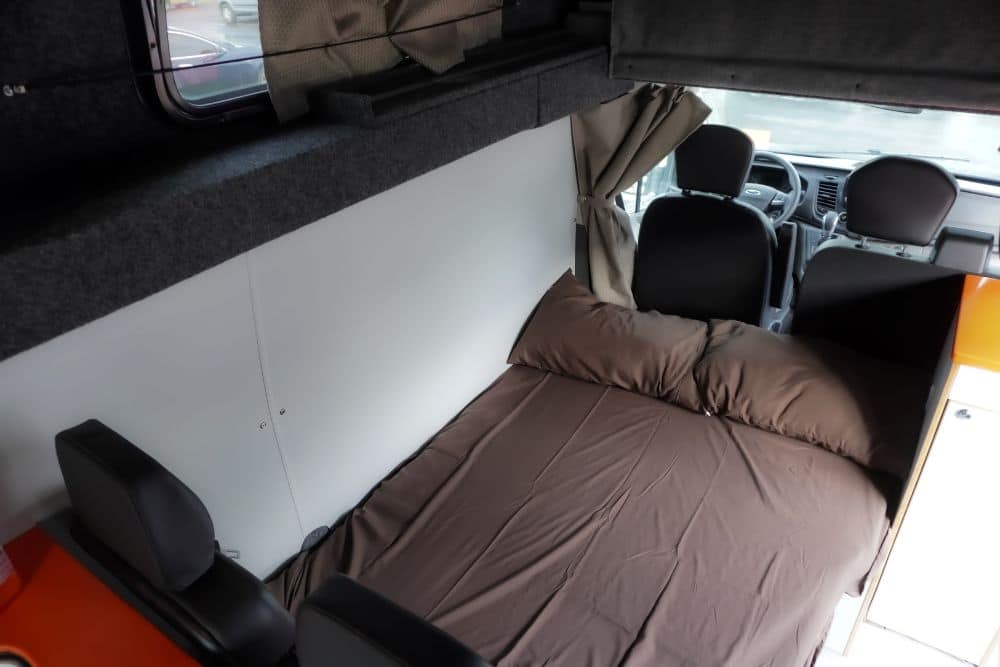
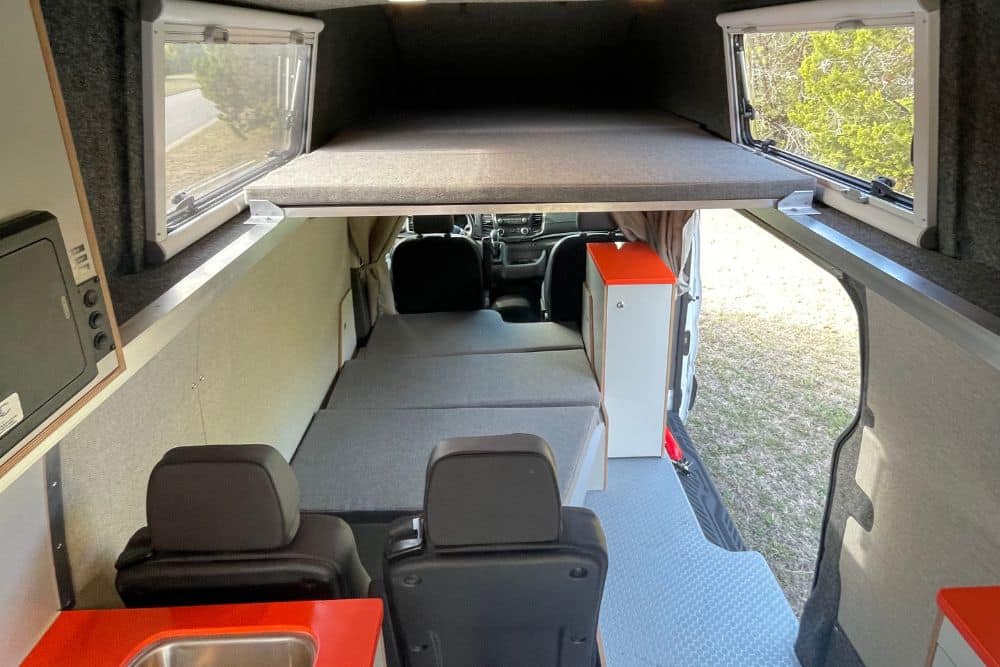
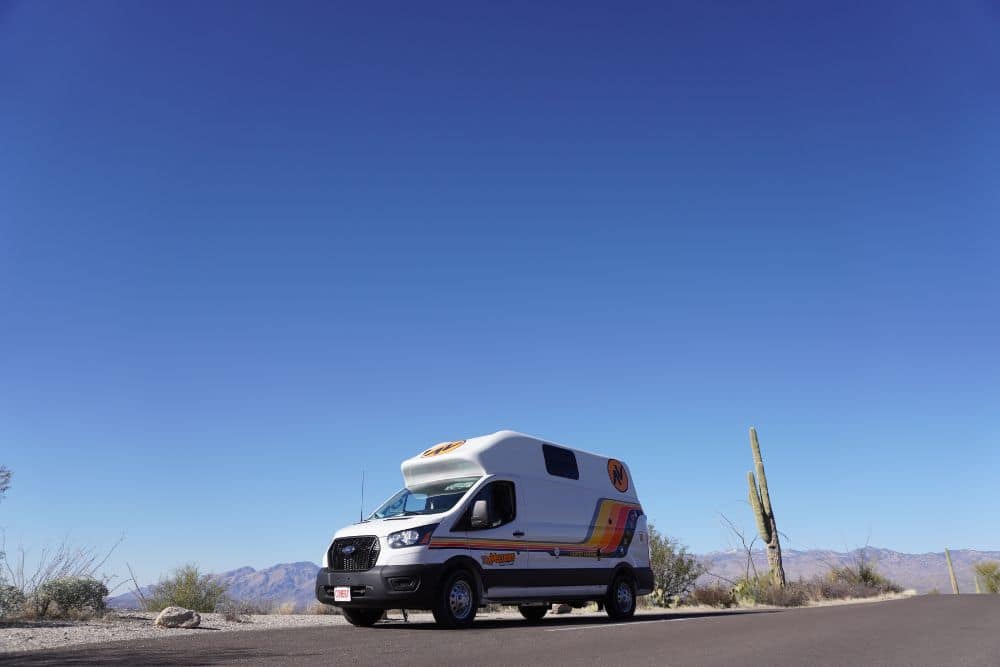
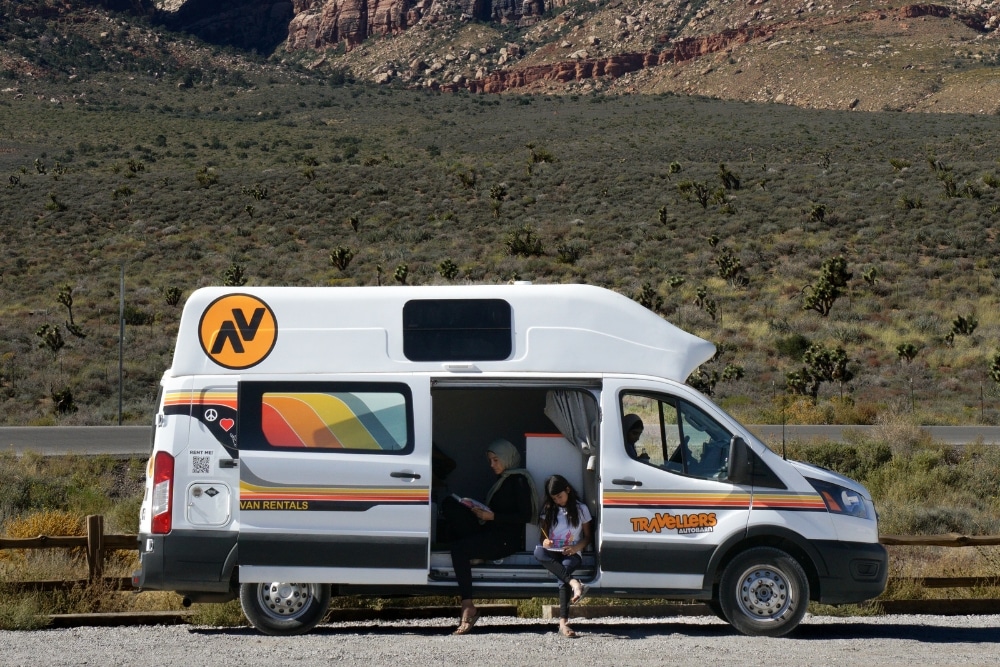
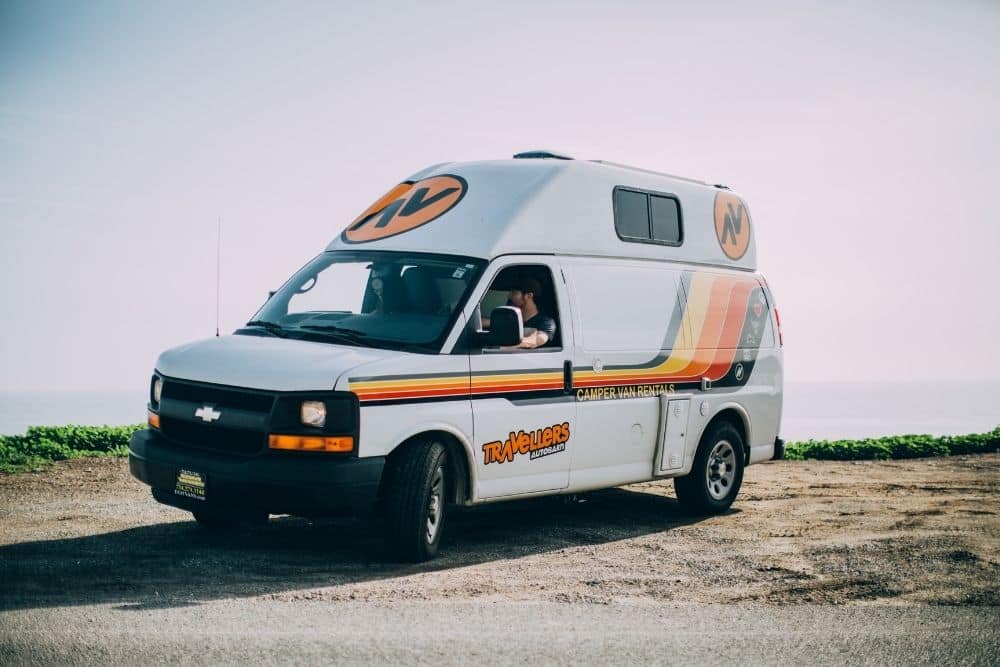
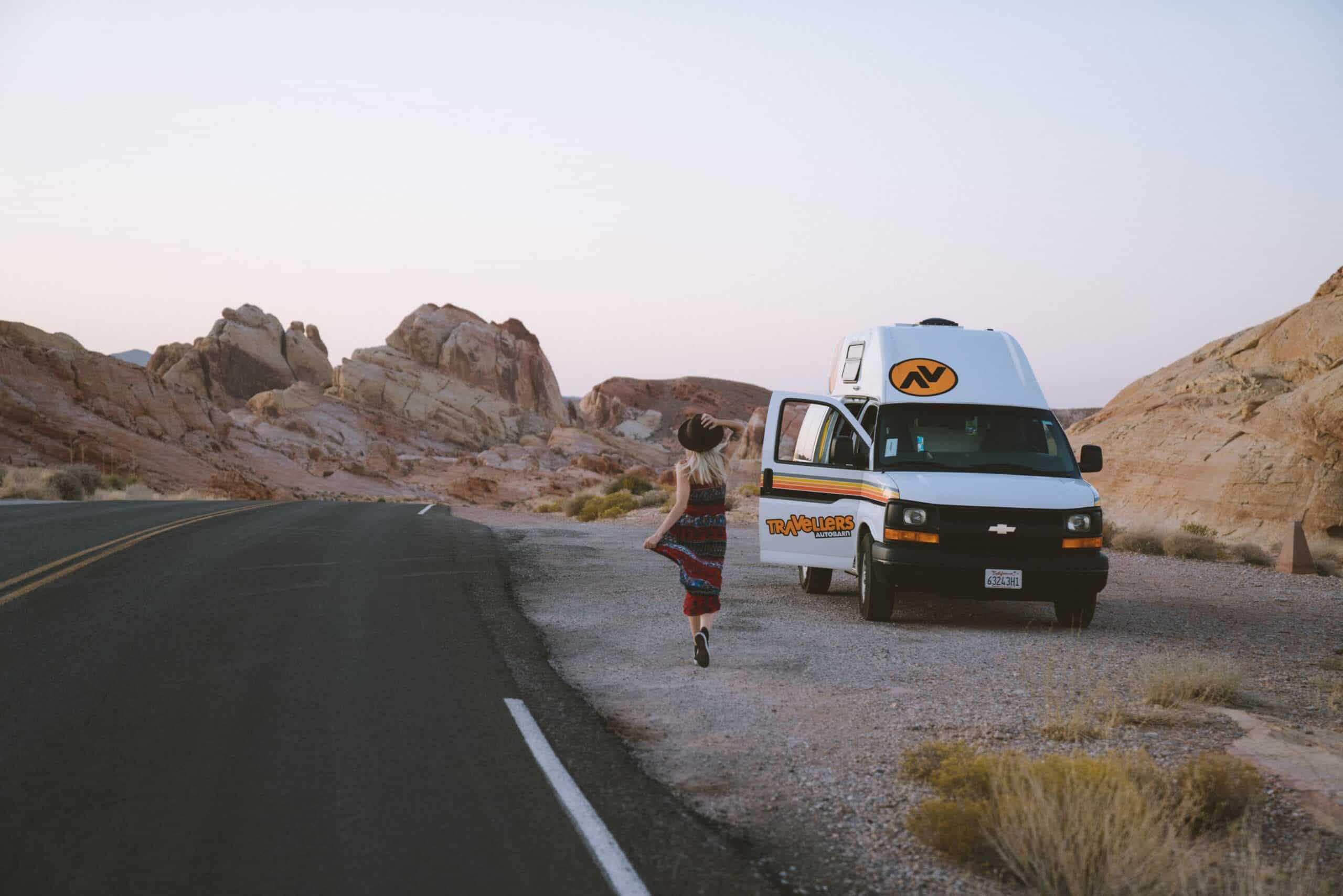
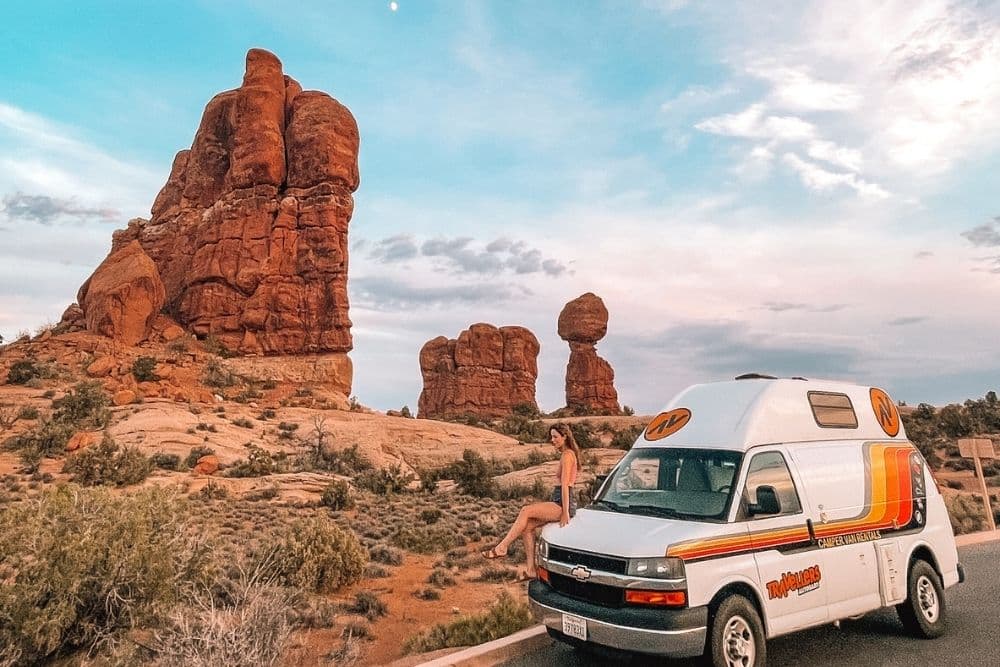
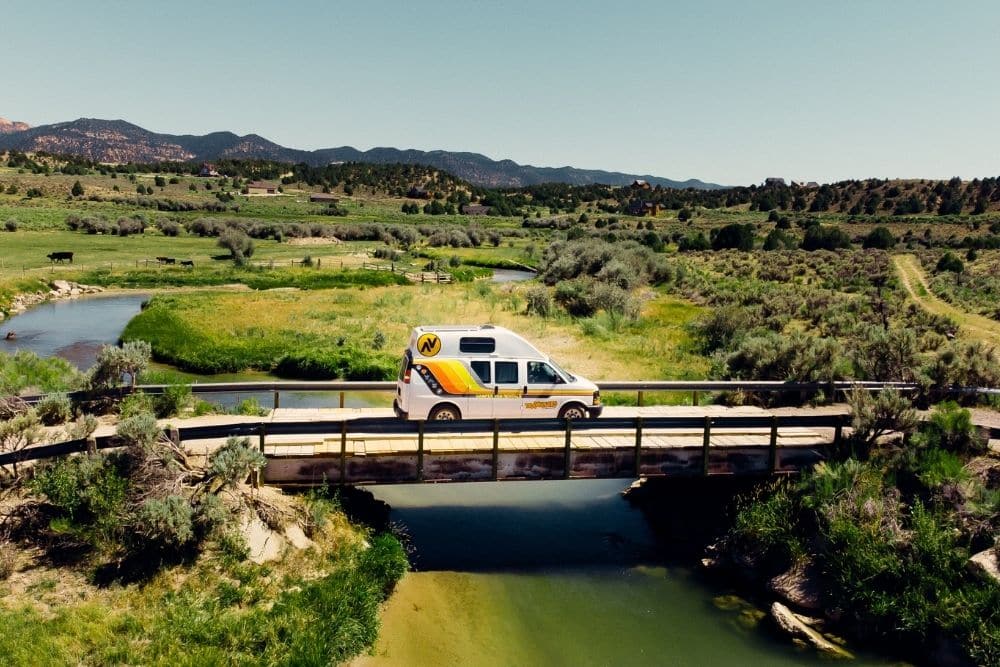
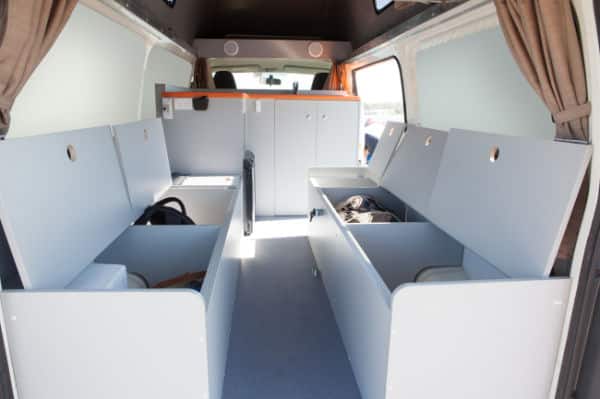
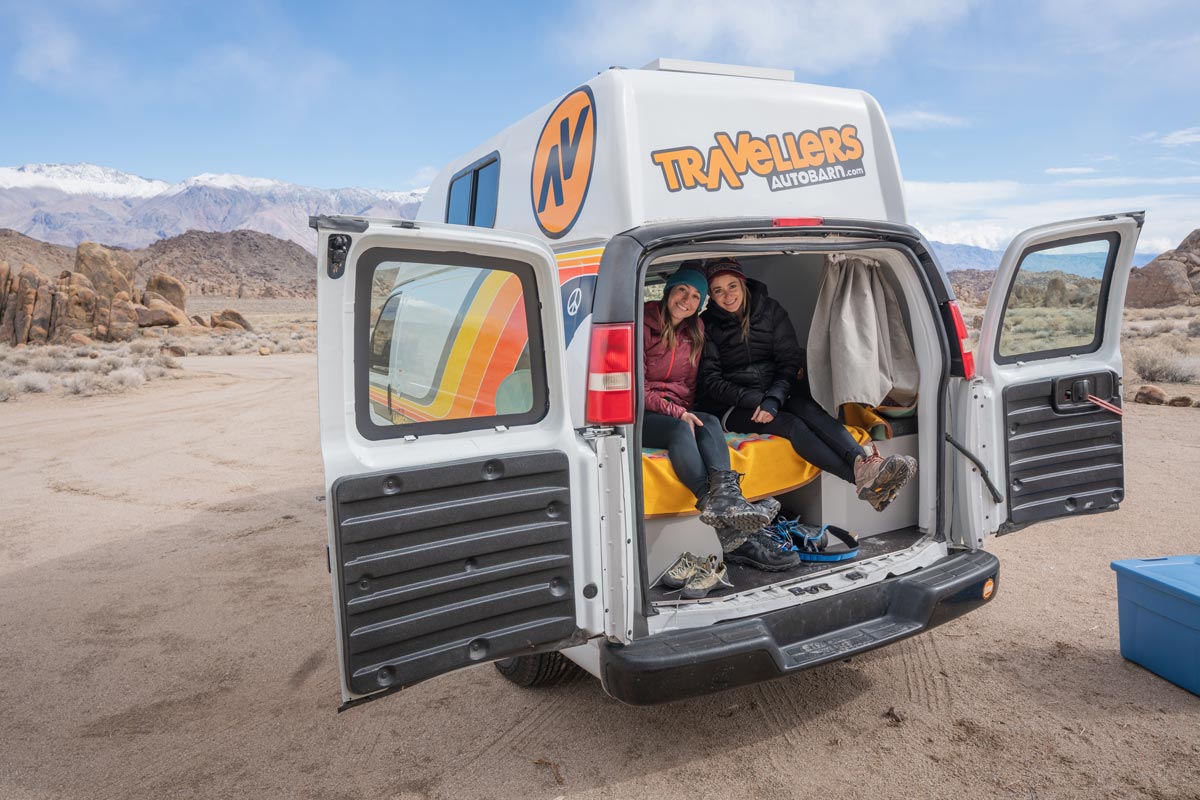
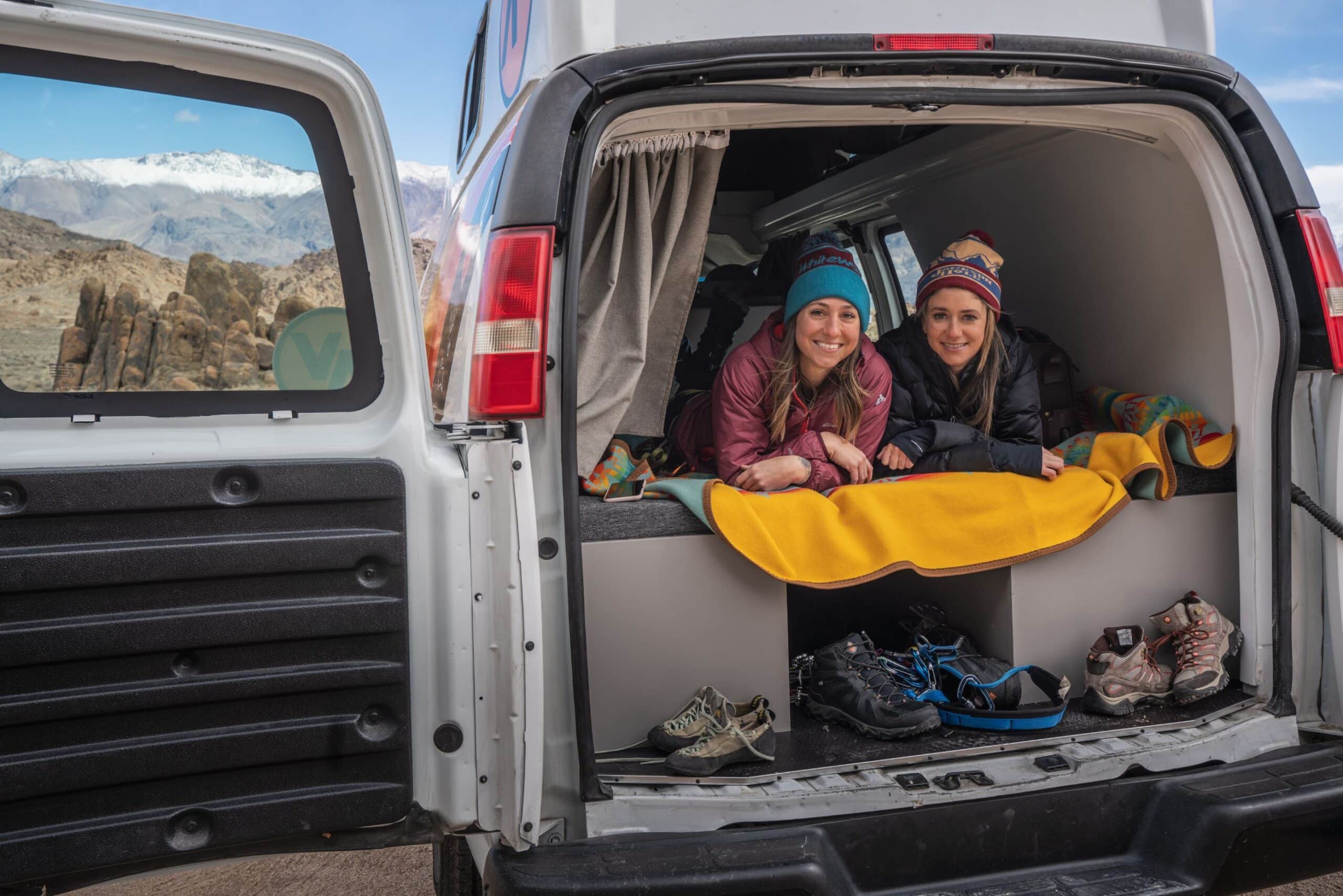
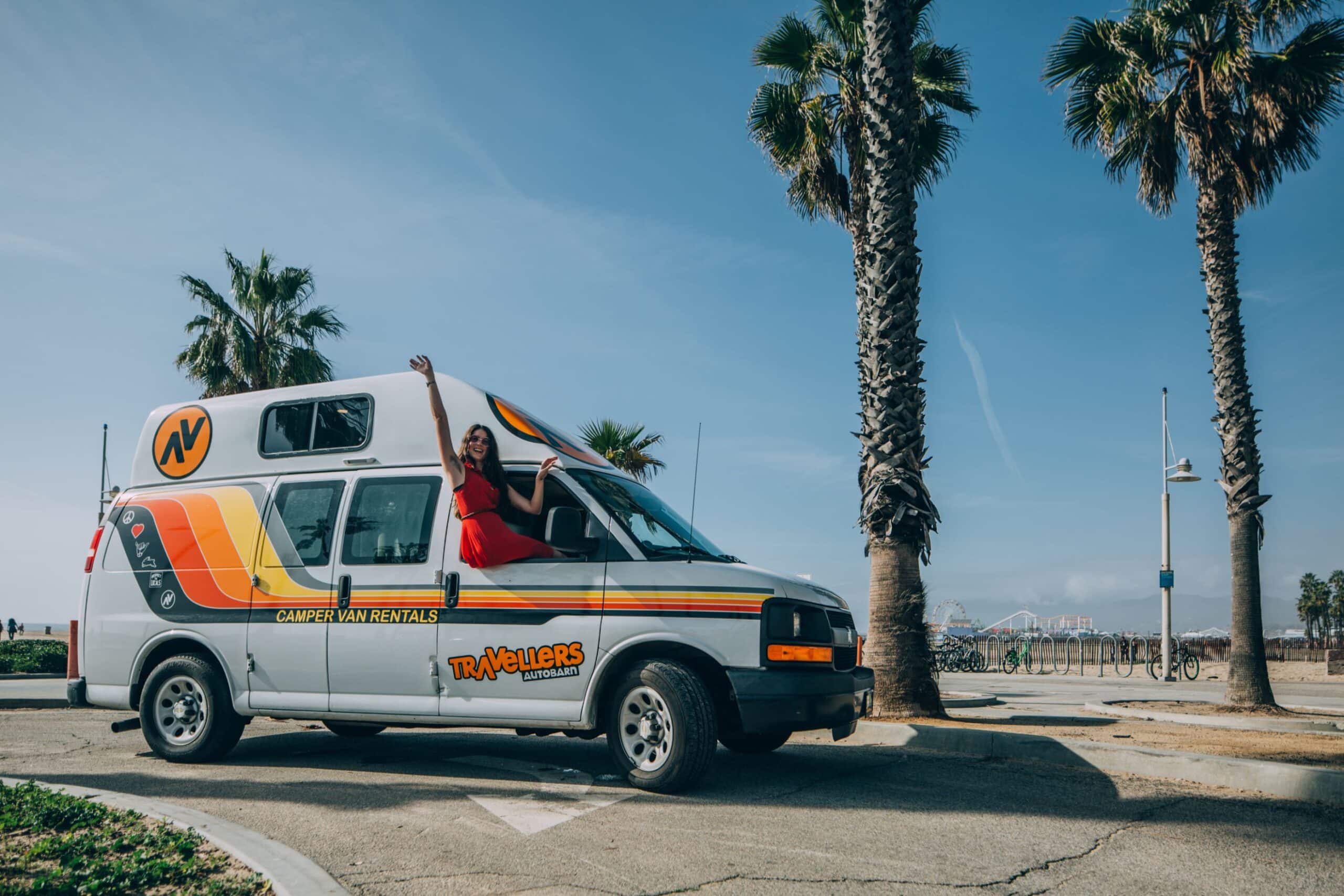
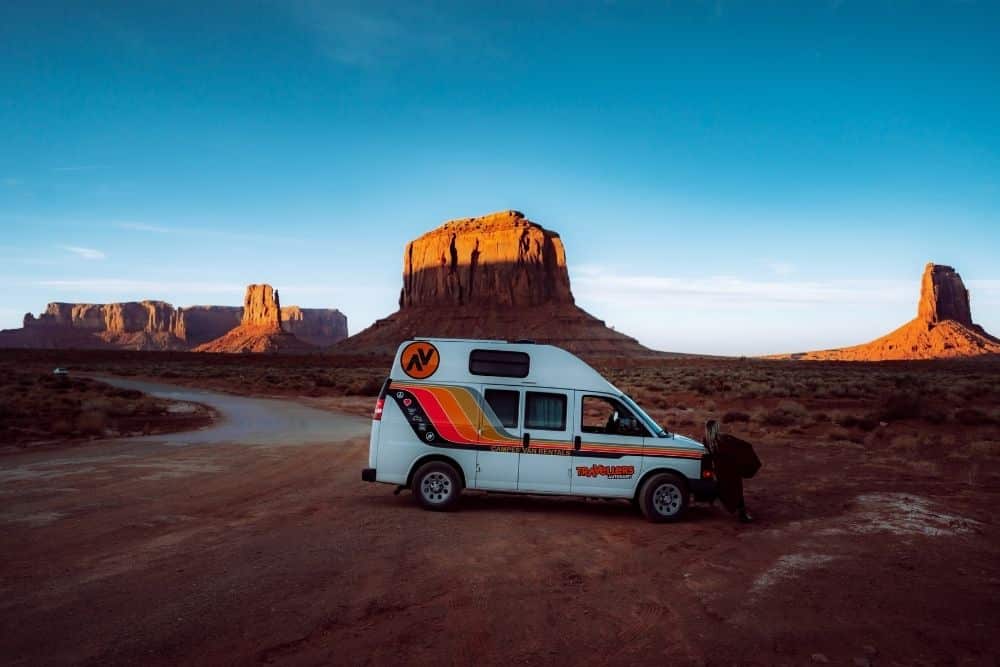
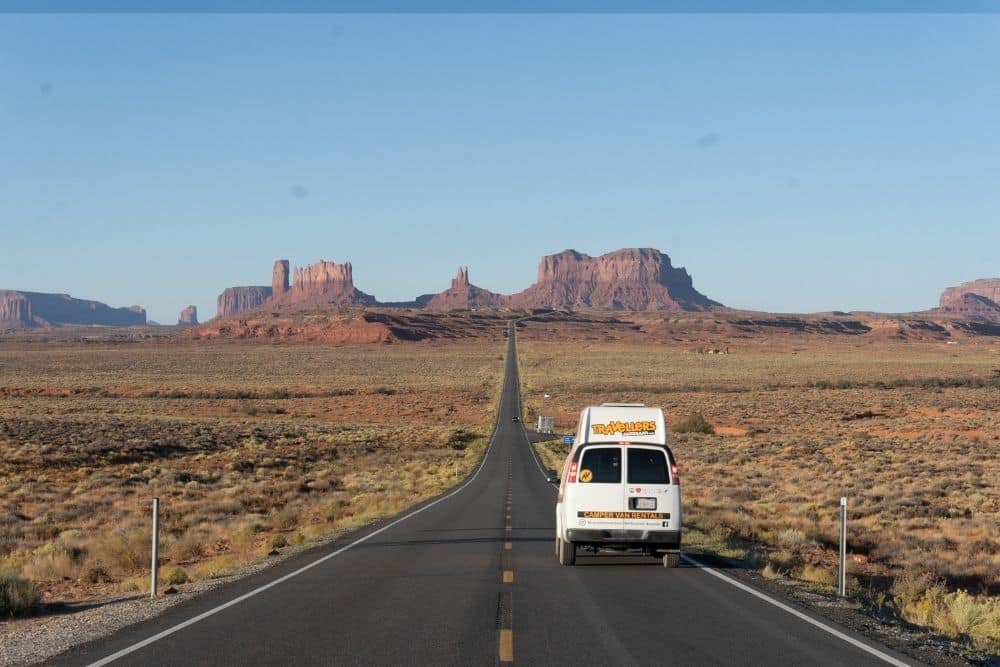
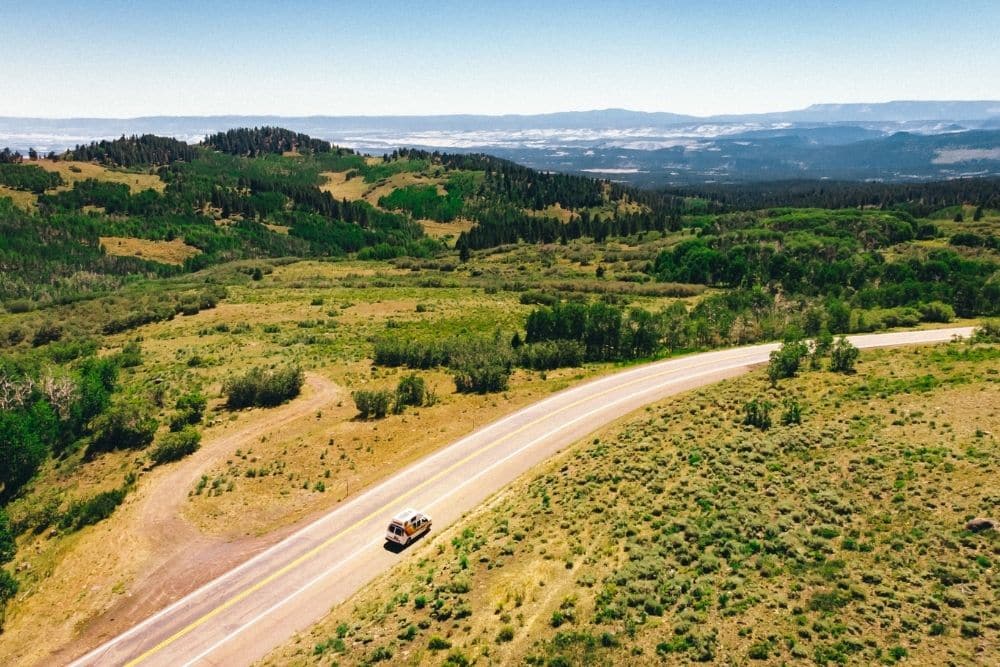
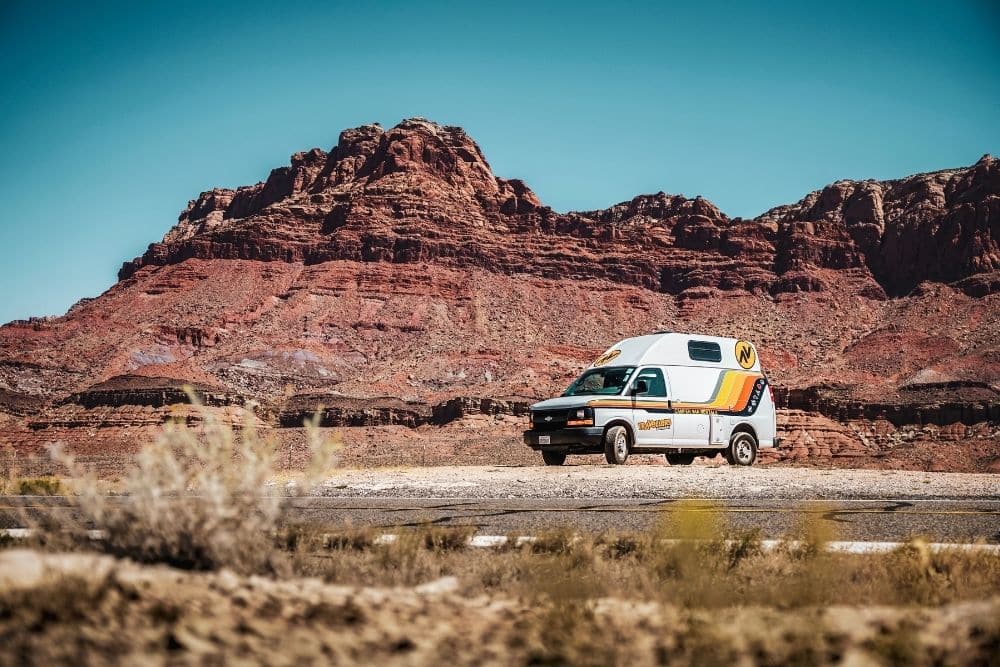
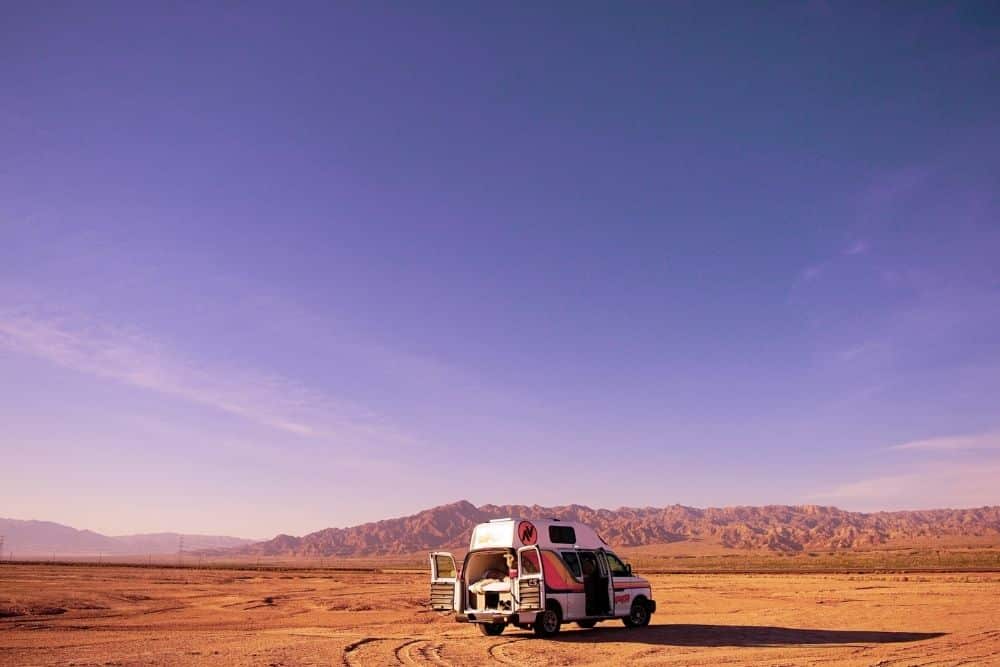
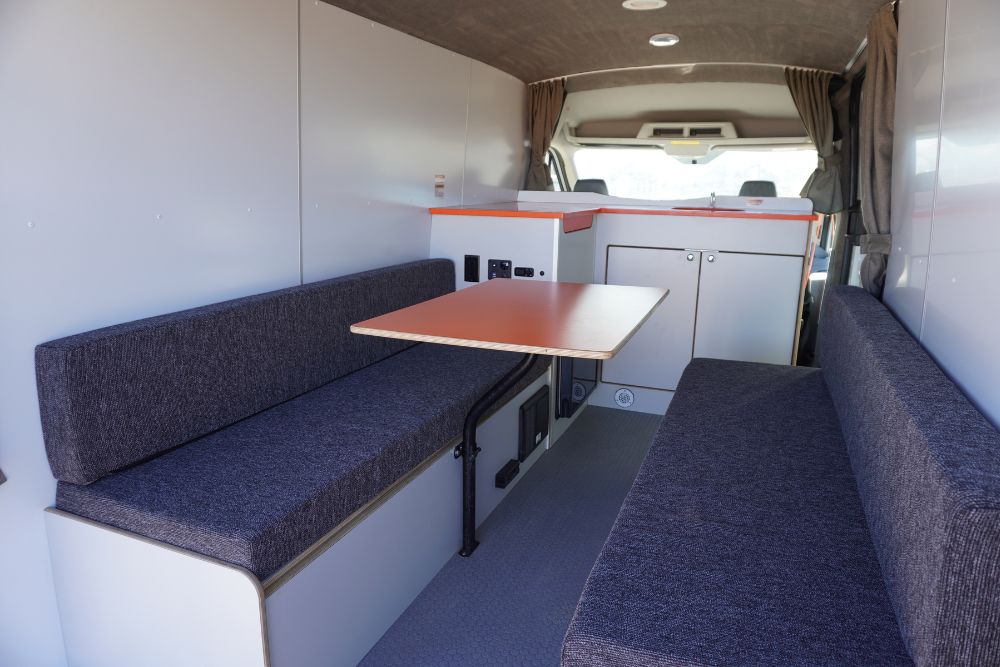
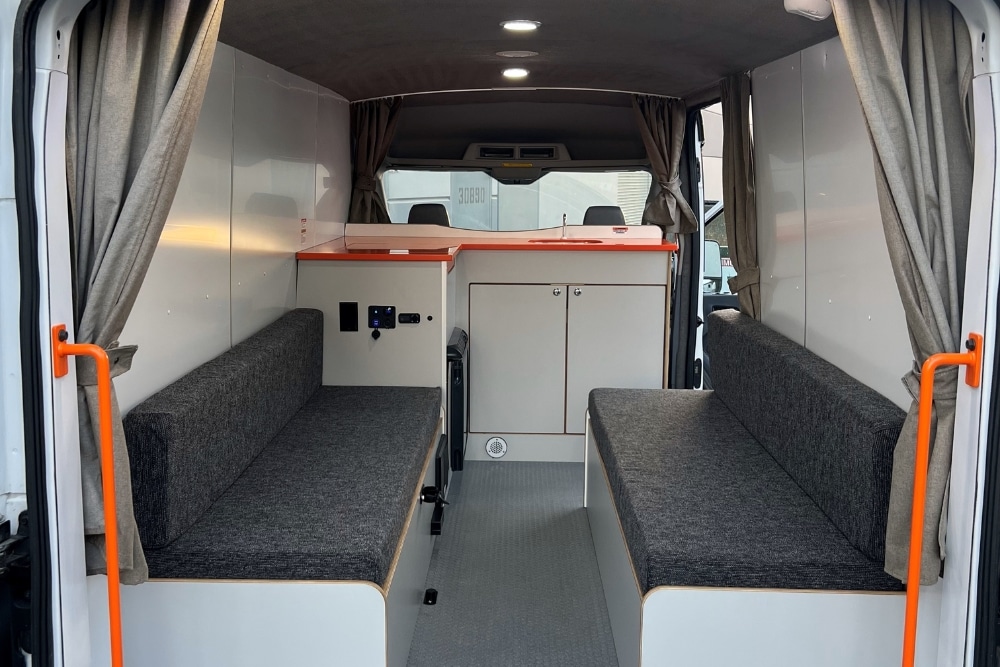
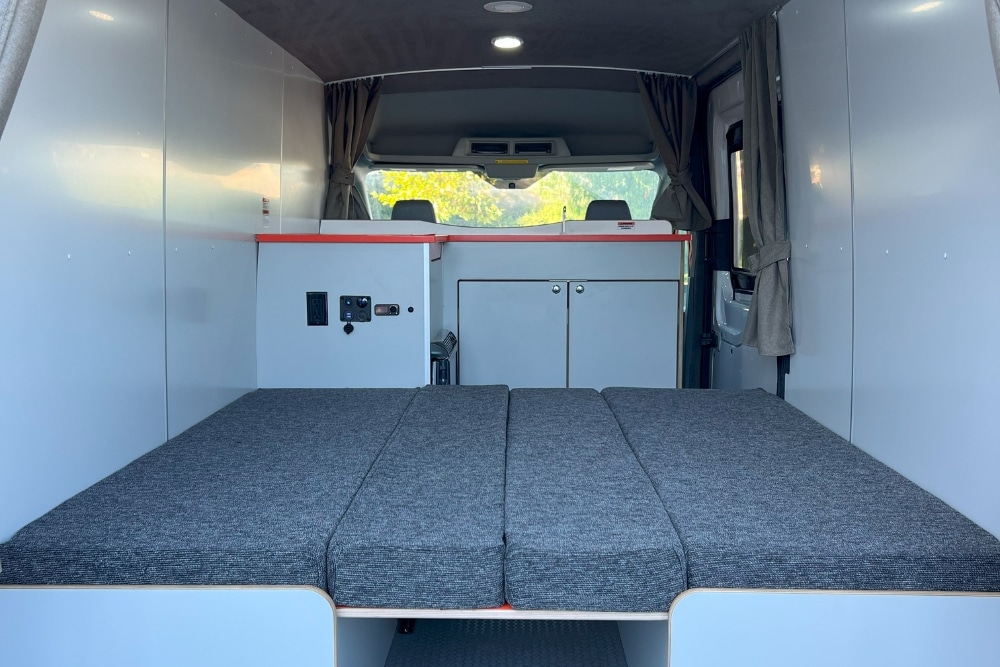
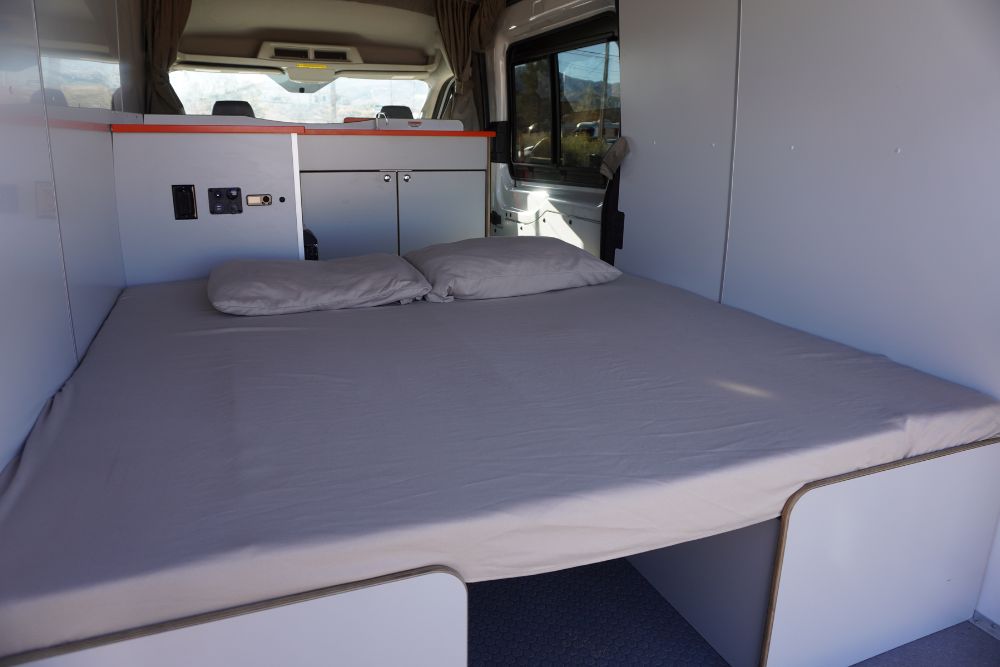
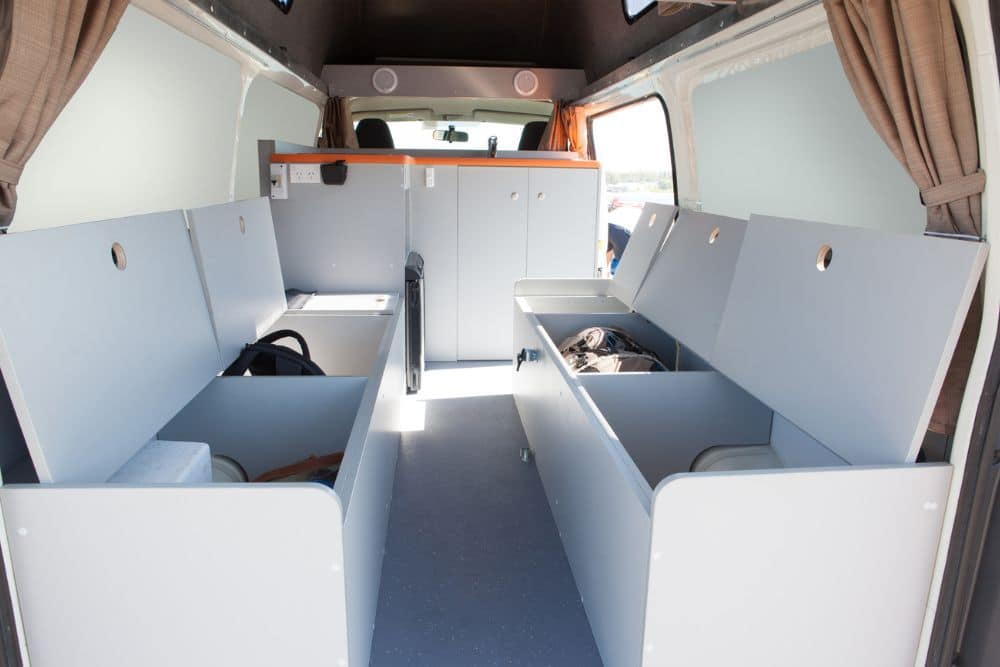
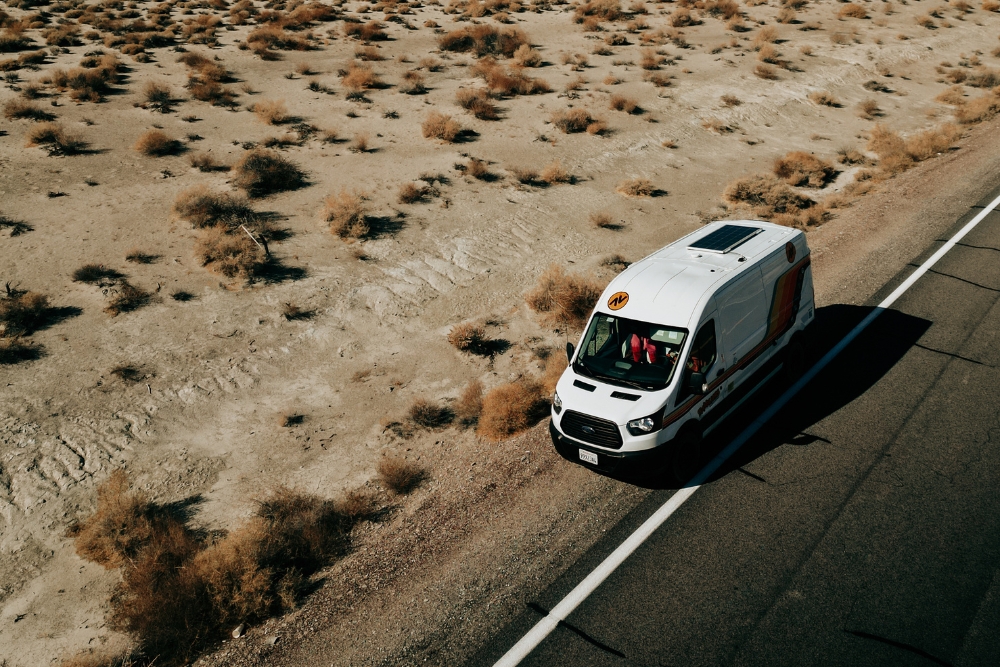
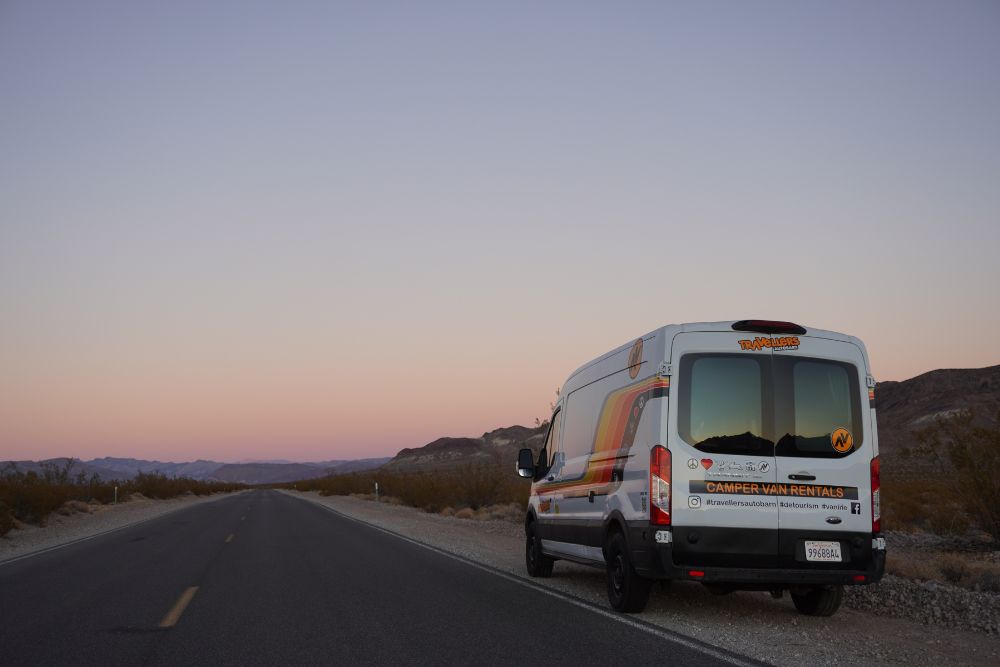
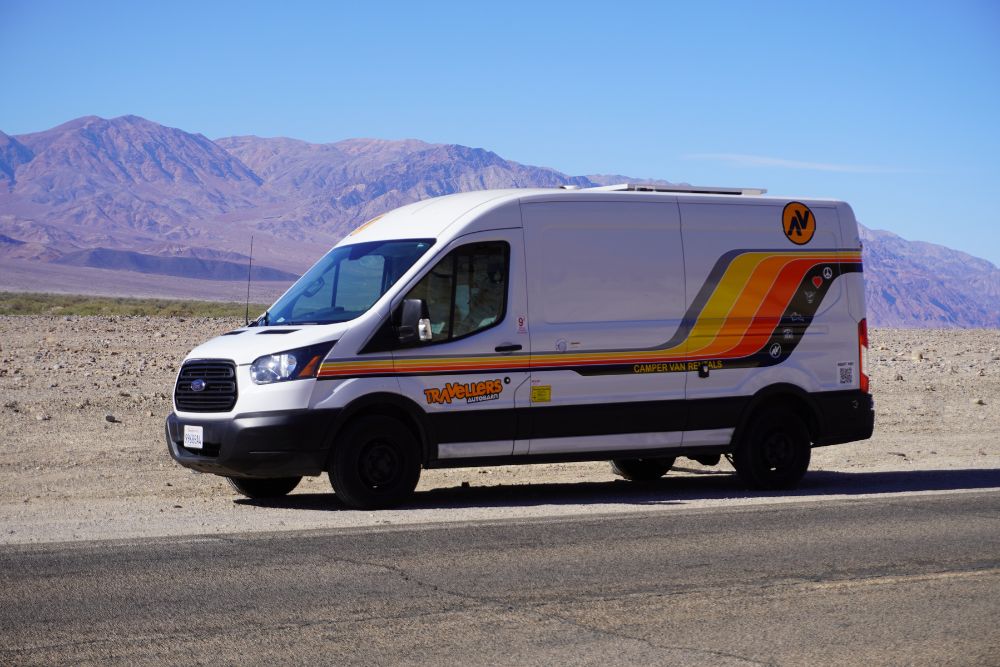
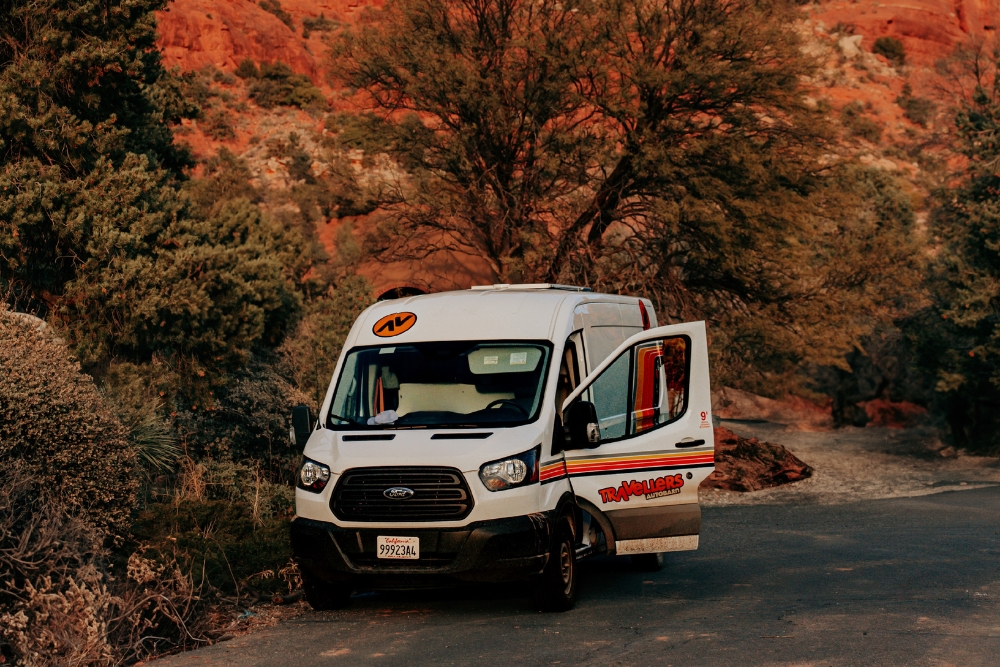
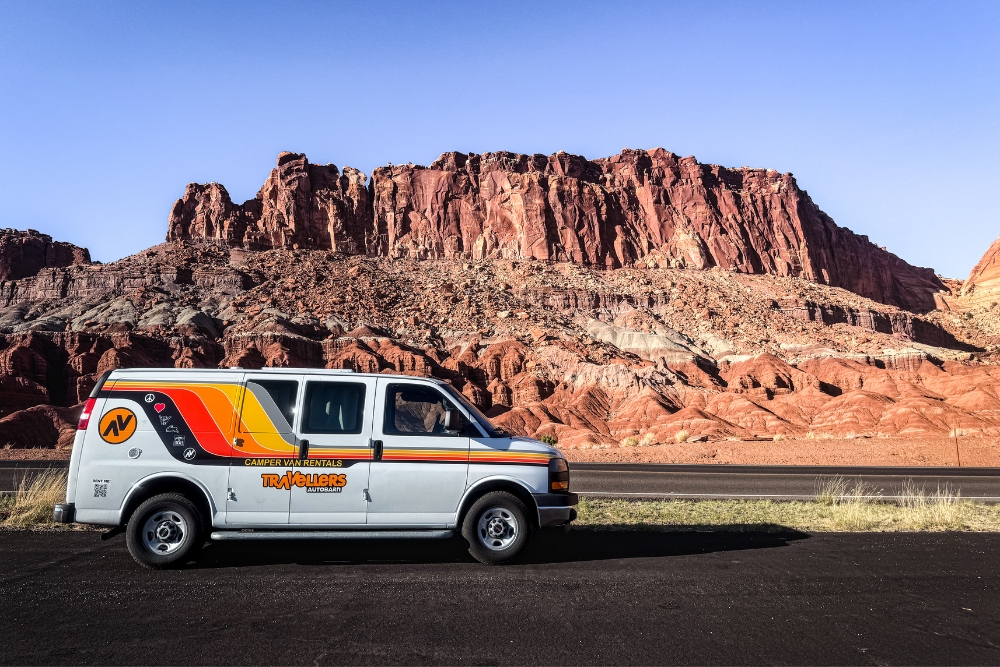
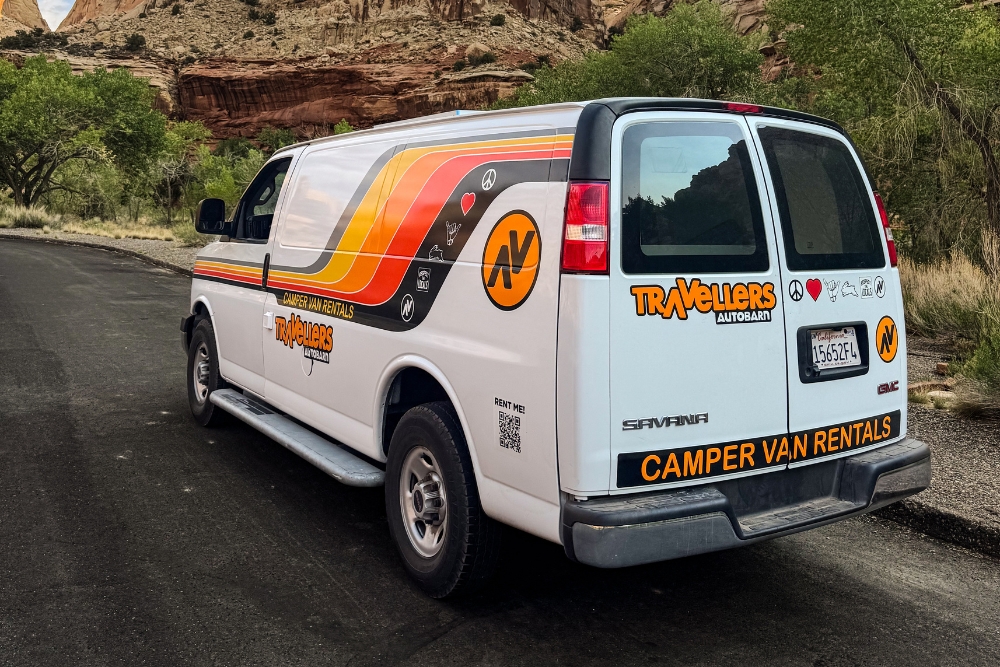
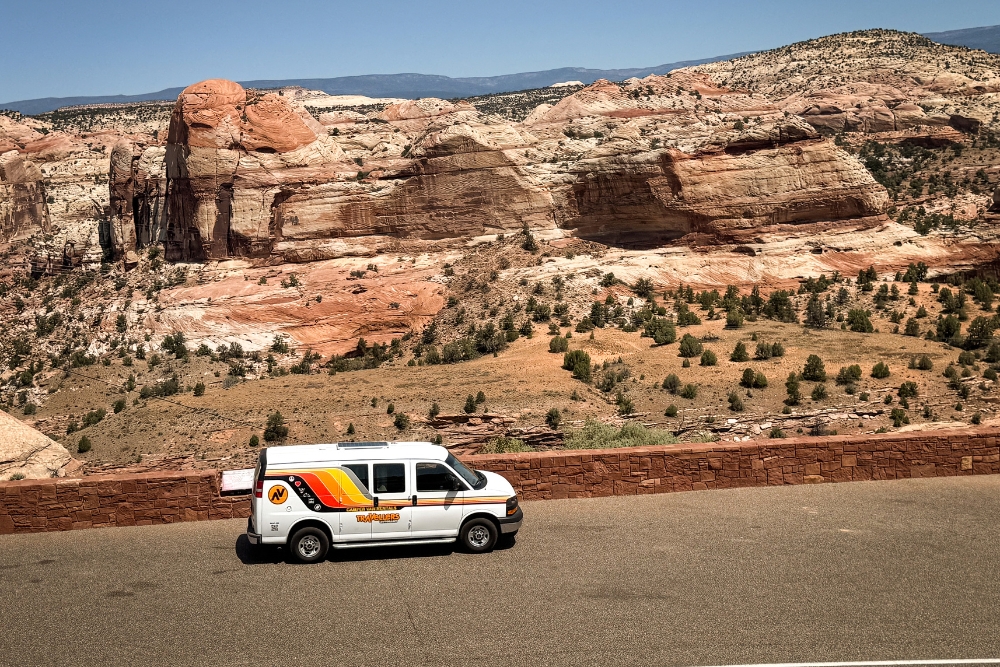
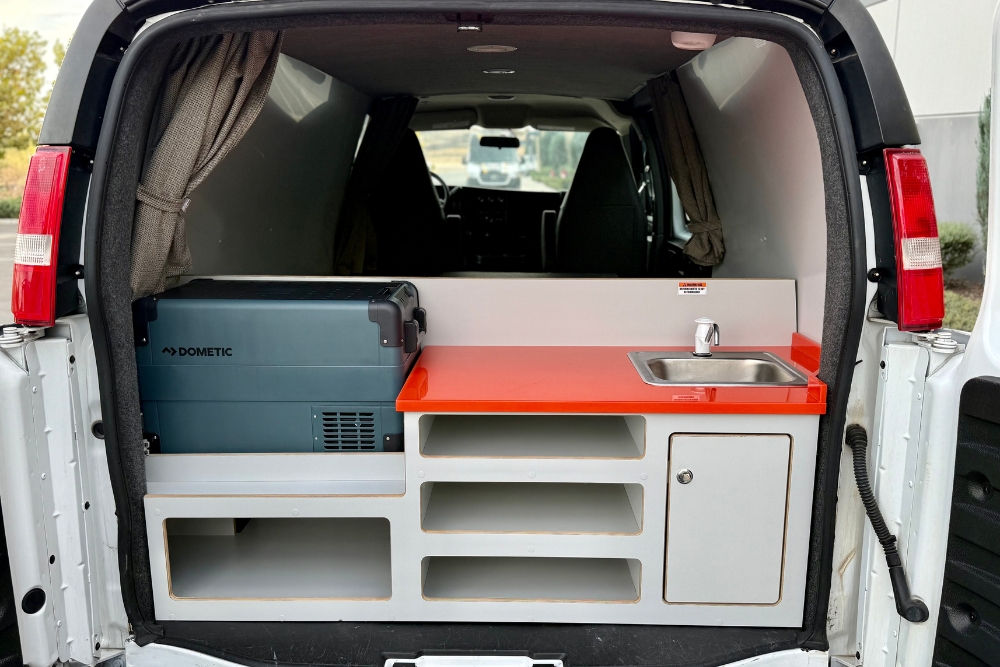
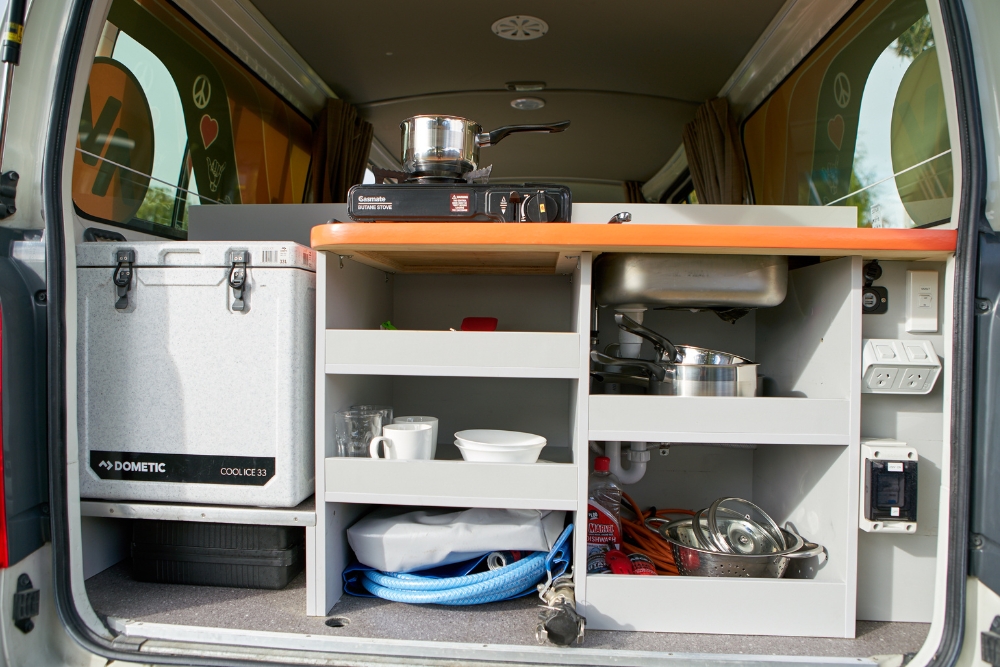
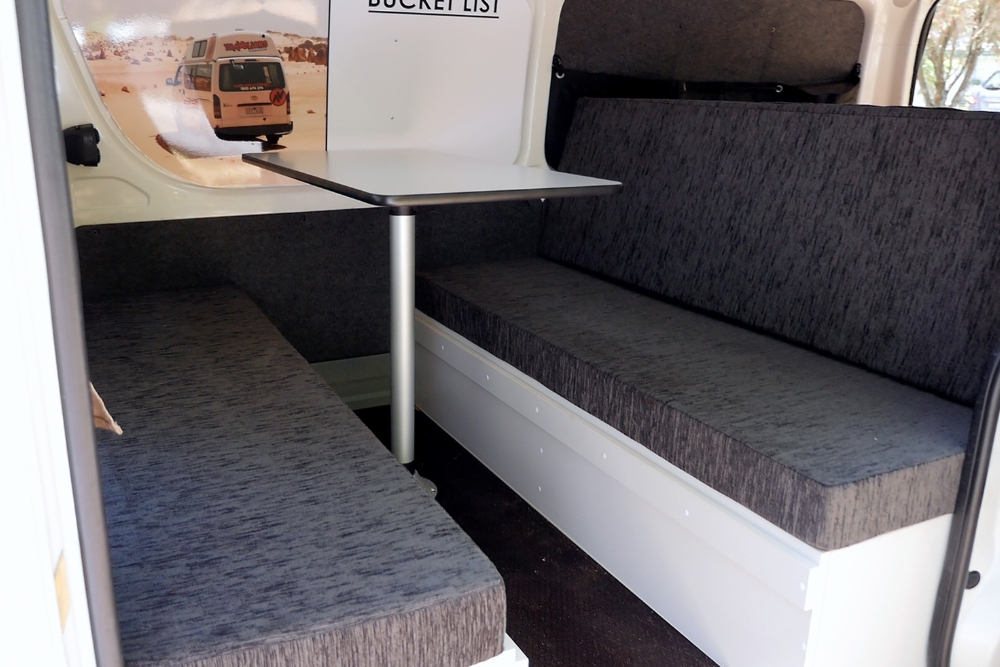
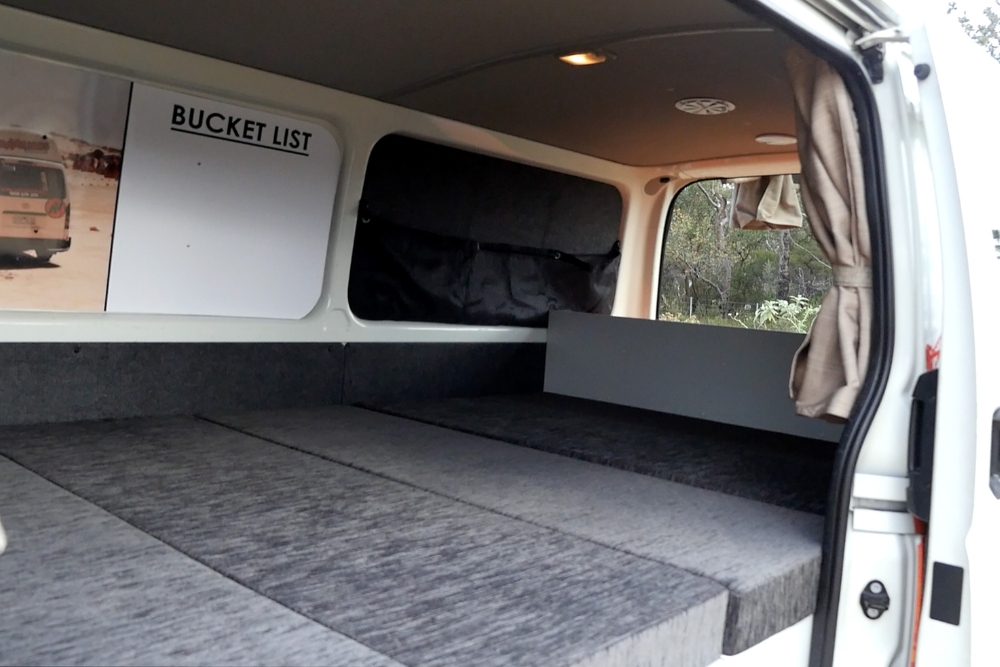
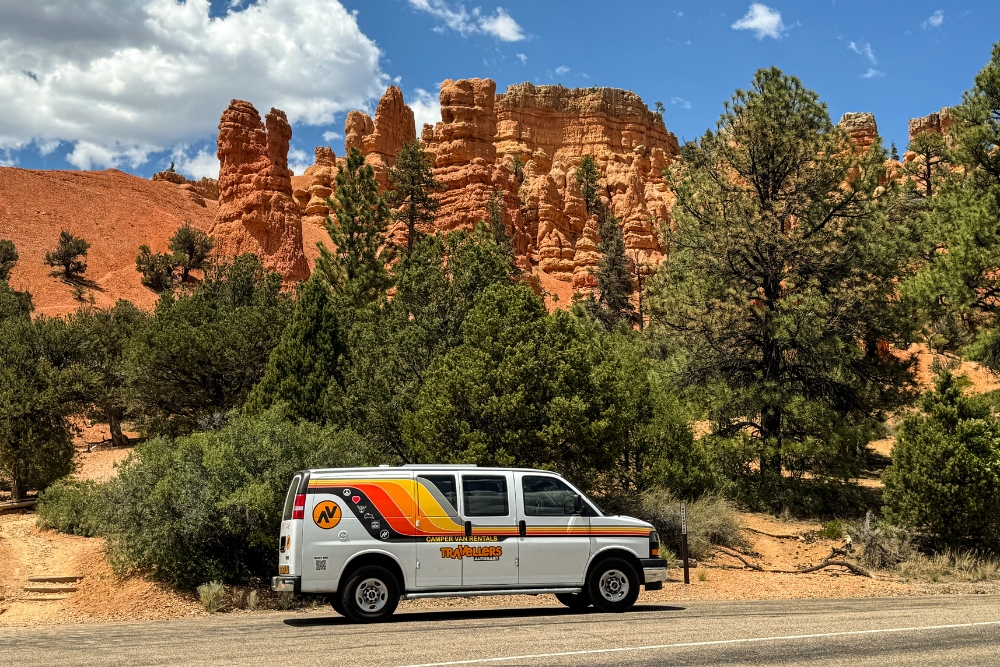
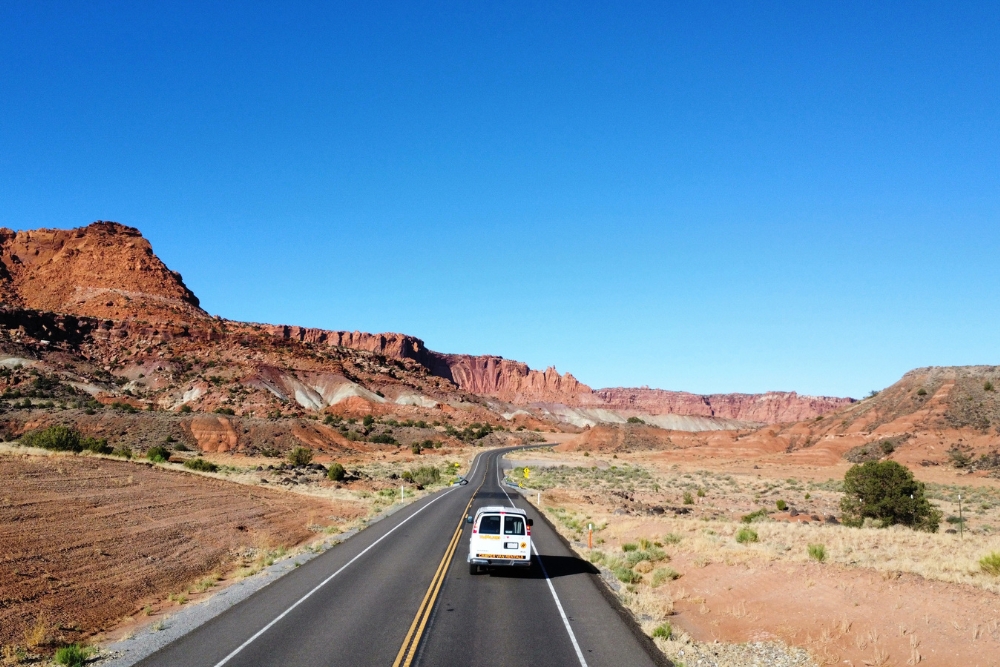
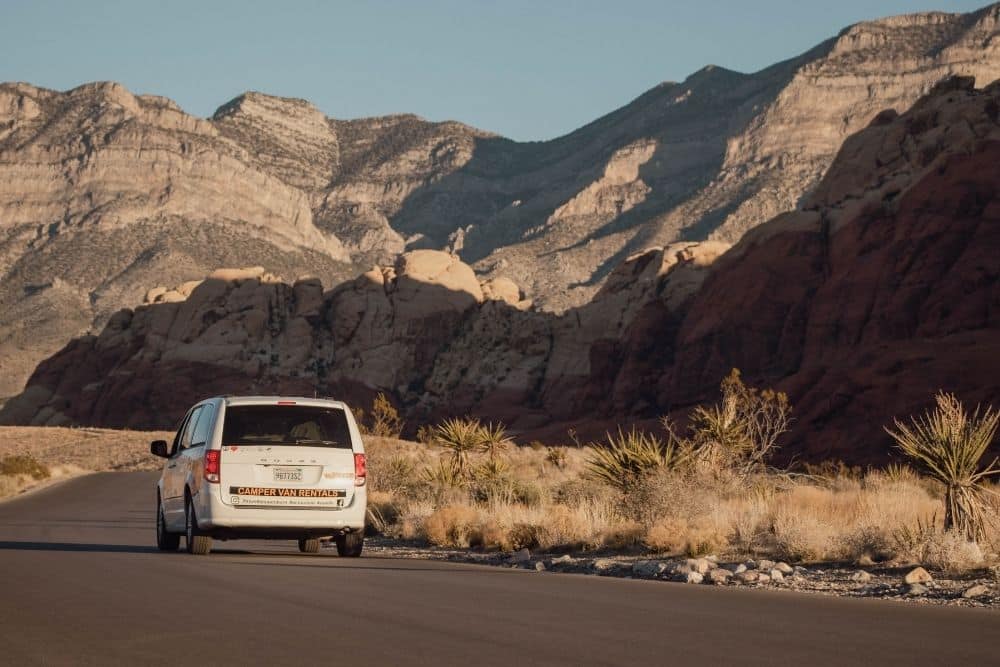
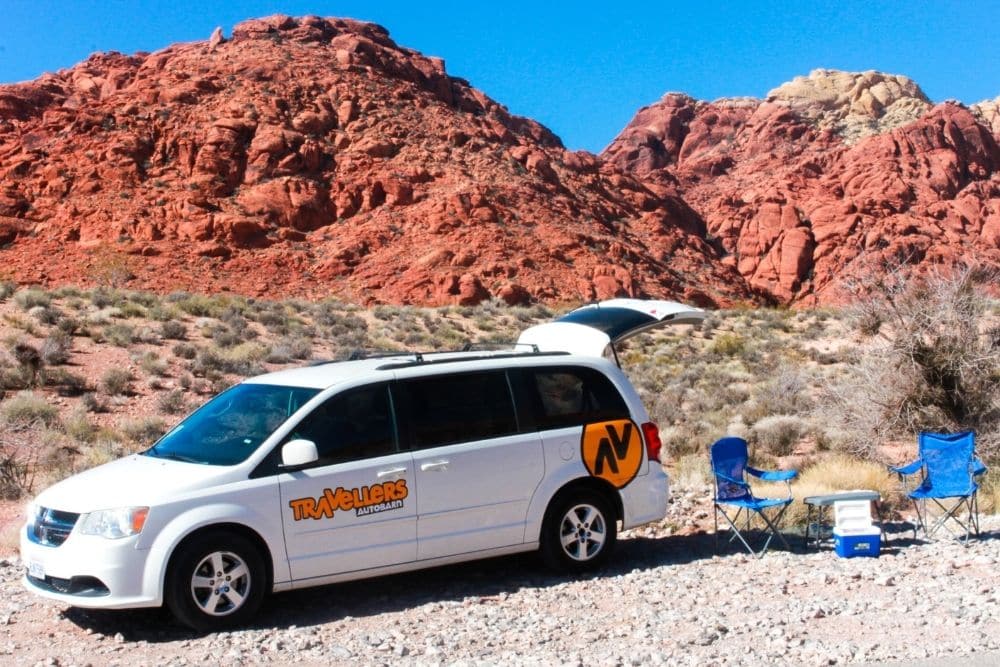
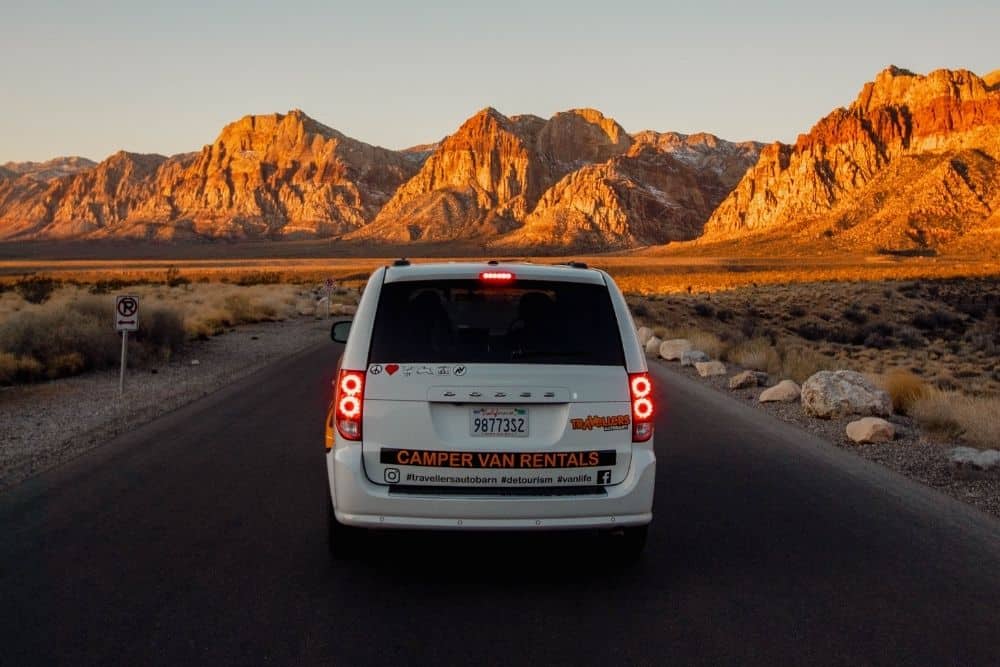
Because blooms shift quickly and peak at different times depending on location and elevation, the superbloom is tailor-made for a road trip. Having the freedom to move between regions – whether that’s chasing early desert color or heading toward higher-elevation blooms later in spring – makes all the difference. Renting a campervan gives you the flexibility to follow the flowers, wake up near the action, and turn a fleeting natural phenomenon into a full-scale adventure.
Is there going to be a California Superbloom this year?
Whether California experiences a full-scale superbloom in 2026 will hinge on what happens in the months before spring – especially rainfall totals and the consistency of winter storms. Superblooms require more than just a wet season; they depend on steady, soaking rain spread over time, followed by a gradual spring warm-up. Desert wildflower seeds can lie dormant for years, waiting for that precise combination of moisture and temperature. If the rain doesn’t come – or comes all at once without follow-up storms – the mass germination needed for a superbloom simply won’t happen.
Winter storm systems, often driven by atmospheric rivers, are critical to building momentum. Consistent rainfall allows seedlings to establish roots, but extremes can quickly undo that progress. Heavy downpours followed by drought, strong winds, or an early heatwave can thin out blooms or dramatically shorten their lifespan. It’s a delicate chain reaction where timing and balance matter as much as total rainfall.
Even by March, precise predictions remain difficult. Bloom intensity can vary valley by valley depending on highly localized weather patterns and elevation. That’s why park updates and real-time reports are so important – and why flexibility remains key for anyone hoping to experience the best of this year’s display.
When does the California Superbloom usually happen?
Most California superblooms unfold between late February and April, but the exact timing depends heavily on where you go – and how high you are. Lower-elevation deserts typically burst into color first, often peaking between late February and March as temperatures begin to climb. Mid-elevation areas usually follow in March and early April, while higher elevations and foothill regions can continue blooming into April and even May.
Elevation plays a major role because warmer air settles in the deserts sooner, triggering earlier germination. In contrast, higher elevations stay cooler longer, delaying both sprouting and peak bloom. This natural progression creates a kind of rolling wave of color across the state.
Microclimates add another layer of complexity. Coastal breezes, mountain shade, desert heat, and even soil composition can shift bloom timing by weeks from one region to the next. For road trippers, this staggered schedule is actually an advantage – it means you can follow the flowers as they move northward or uphill, extending your chances of catching peak displays throughout the season.
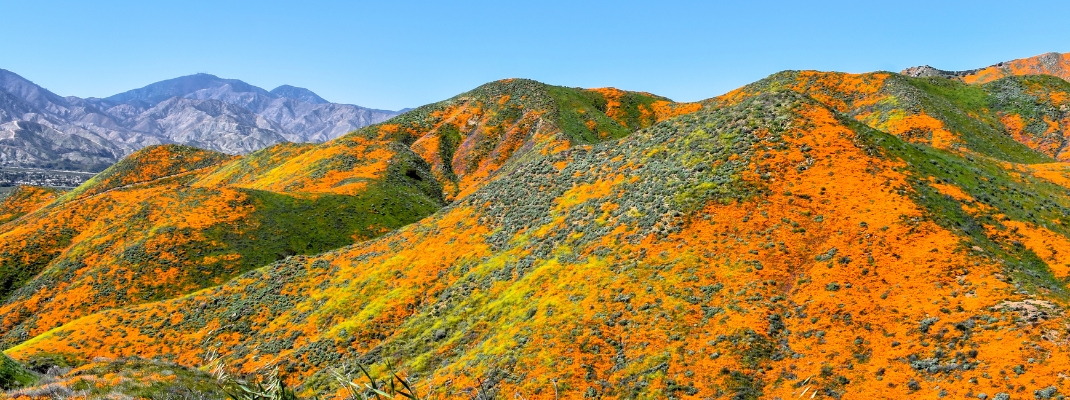
Where are the best places to see the California Superbloom in 2026?
Death Valley National Park
One of the most iconic superbloom destinations, Death Valley transforms from stark desert to carpets of gold, purple, and pink wildflowers in peak years – and early reports suggest promising displays in some areas. Look for blooms along Badwater Road and Furnace Creek.
Road trip tip: Depart from Las Vegas (about 2 hours away) or Los Angeles (4-5 hours). A campervan allows you to stay within the park at campgrounds like Furnace Creek.
Antelope Valley & Southern California Deserts
Famous for rolling hills covered in vibrant orange California poppies, Antelope Valley is one of the most reliable bloom spots in wet years.
Road trip tip: Just 90 minutes from Los Angeles, making it ideal as a starting point for a Southern California desert loop.
Anza-Borrego Desert State Park
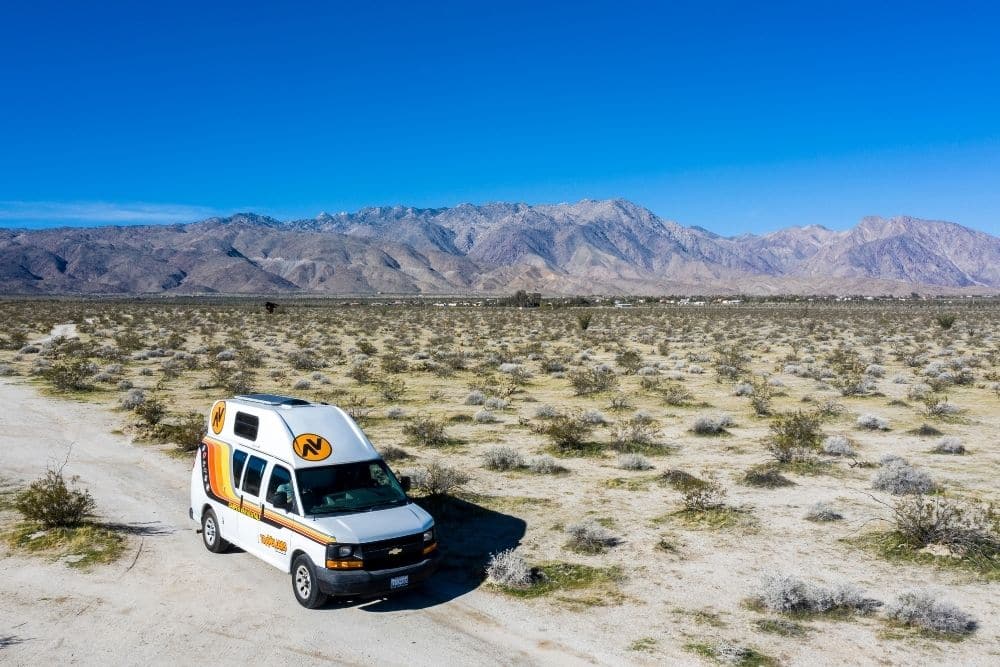
California’s largest state park often delivers dramatic desert blooms when rainfall cooperates and as of late January, wildflowers like desert sand verbena, primroses, desert sunflowers, and desert lilies have been popping up.
Road trip tip: Start in Los Angeles and make it part of a wider Southern California road trip.
Chino Hills State Park
Located between Los Angeles and Orange County, Chino Hills bursts into color during strong bloom years, especially with poppies and lupine. Check with California State Parks for the latest updates before you hit the road.
Road trip tip: Chino Hills State Park is a great stop on a Los Angeles-based road trip toward San Diego.
Carrizo Plain National Monument
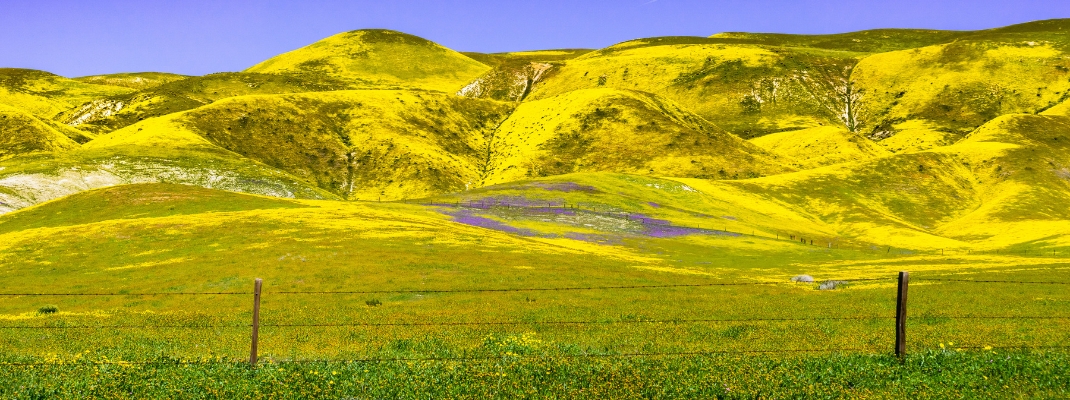
Often described as one of the most spectacular superbloom locations, Carrizo Plain becomes a patchwork of orange, yellow, and purple. Recent updates from the monument highlight blooms across the Temblor Mountains, with more emerging daily.
Road trip tip: Best accessed from San Luis Obispo or Bakersfield, Carrizo Plain fits perfectly into a San Francisco to Los Angeles campervan itinerary.
Joshua Tree National Park
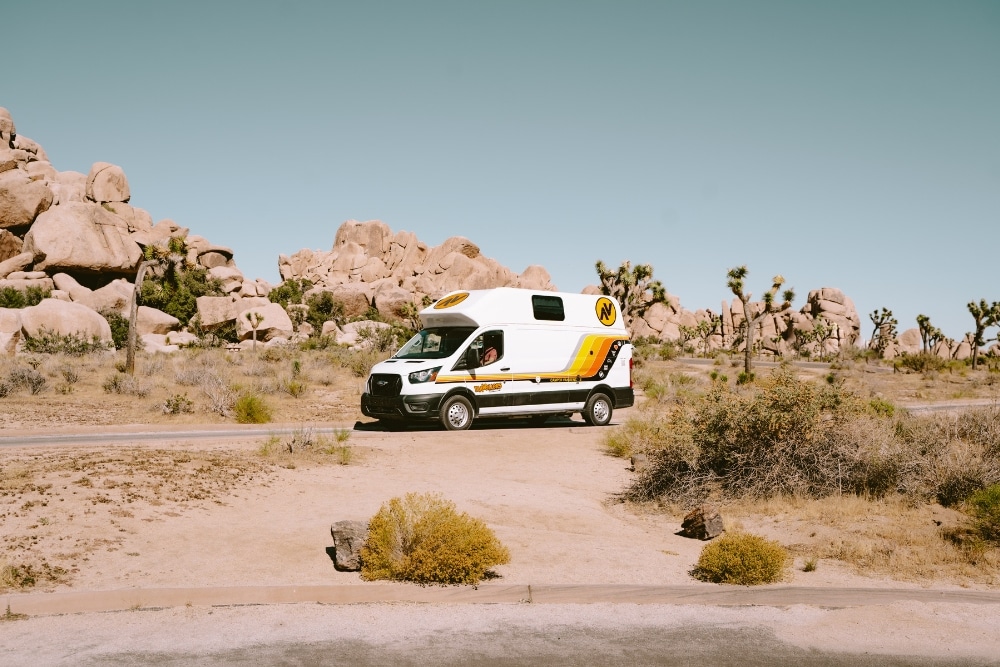
While not always a “superbloom” site, Joshua Tree can see impressive spring wildflowers and cactus blooms after wet winters.
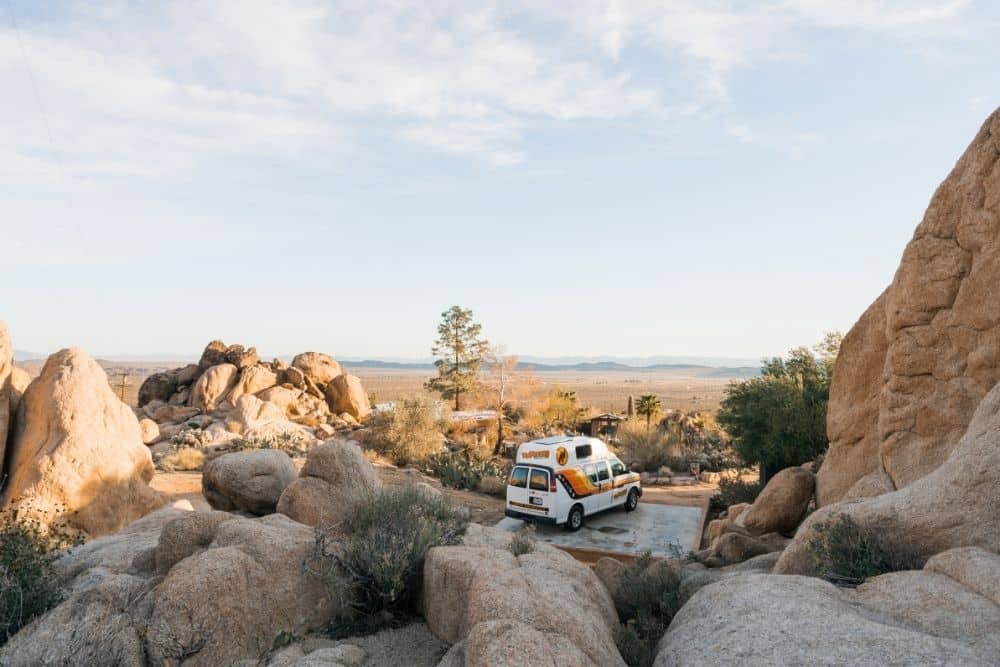
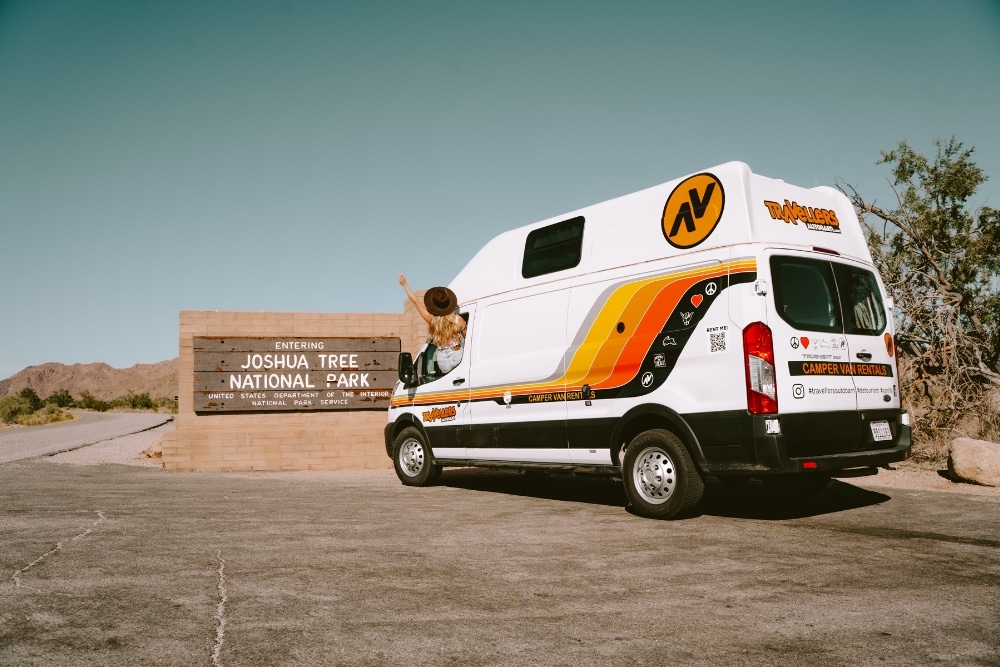
Road trip tip: Joshua Tree is just under three hours from Los Angeles and ideal to combine with Anza-Borrego or Death Valley.
Why is a campervan one of the best ways to experience the Superbloom?
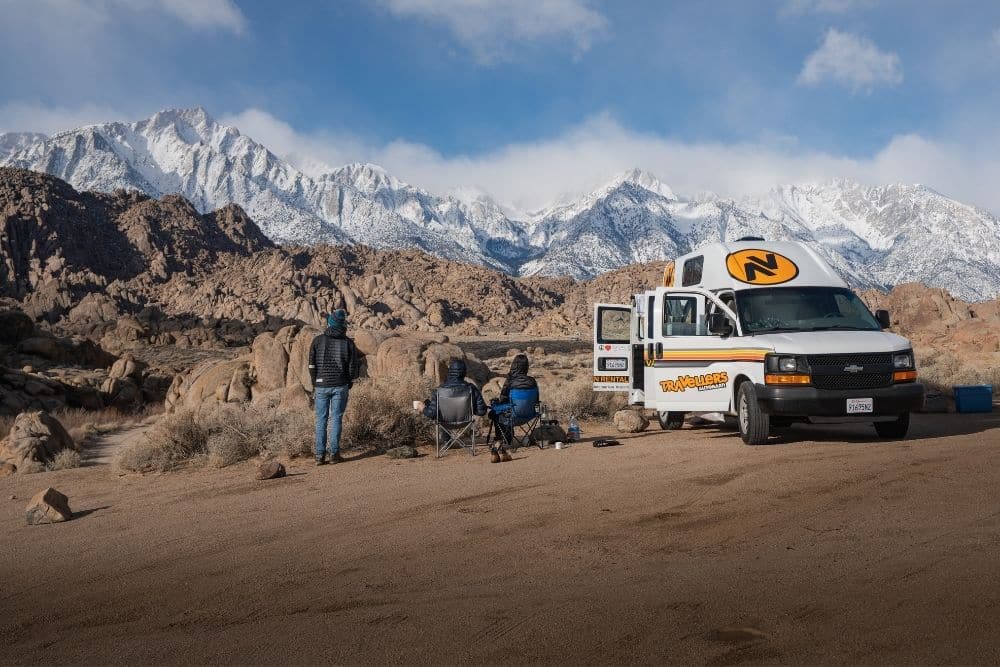
“Many of the most spectacular superbloom displays happen in remote desert areas with limited lodging options nearby. Having a campervan means you can stay inside or close to national and state parks, cutting down on long pre-dawn drives and giving you access to the flowers during the best light of the day. Sunrise and sunset are when wildflowers look most vibrant and crowds are lighter. It also allows you to explore lesser-known backroads and scenic byways at your own pace. For photographers and nature lovers, that freedom makes a huge difference.” – Bastian Graf, Global Sales & Marketing Manager, Travellers Autobarn
Planning a California Superbloom road trip
How long should you allow for the road trip?
Ideally, plan 5-10 days to allow flexibility and travel between multiple bloom regions. Shorter 2-3 day trips work well for Southern California only.
Essentials you need to pack for Desert conditions
- Plenty of water
- Sun protection (hat, sunscreen, sunglasses)
- Layers for cold desert nights
- Sturdy walking shoes
- Offline maps and emergency supplies
Crowds, parking & access rules
Superbloom years attract massive crowds. Arrive early, especially on weekends. Follow designated parking areas and check park websites for closures or shuttle systems.
Staying respectful of Wildflowers
When visiting superbloom areas, it’s essential to tread lightly. Stay on marked trails, avoid stepping into flower fields, and never pick wildflowers – even a single footprint can crush dozens of delicate plants and prevent seeds from forming for future seasons. Practice Leave No Trace principles by packing out everything you bring in and respecting park guidelines. Protecting these fragile landscapes ensures the blooms can return for years to come.
What to expect (and what not to expect)
Even in a superbloom year, expectations should be realistic. Not every landscape transforms into a solid, knee-high carpet of color. Some areas may be dense and dramatic, while others just a few miles away look sparse or patchy. Blooms often cluster in specific valleys, along particular hillsides, or beside roads where soil and moisture conditions are just right. Wind, temperature swings, and recent rainfall can all affect how vibrant displays appear from week to week – and sometimes even day to day.
It’s also important to be prepared for crowds. In peak years, popular locations like Death Valley, Carrizo Plain, and Antelope Valley can see heavy traffic, full parking lots, and limited cell service. Arriving early in the morning (or later in the afternoon) makes a huge difference, both for softer light and smaller crowds. Be ready for temporary trail closures, shuttle systems, or restricted access designed to protect fragile blooms.
Finally, expect the experience to feel more natural and less “theme park” than social media might suggest. You may need to walk a little to find the most impressive patches, and conditions won’t always match viral photos. But that unpredictability is part of the magic – when you round a bend and see an entire hillside glowing with poppies or desert gold, it feels earned, fleeting, and completely unforgettable.
See the California Superbloom with Travellers Autobarn
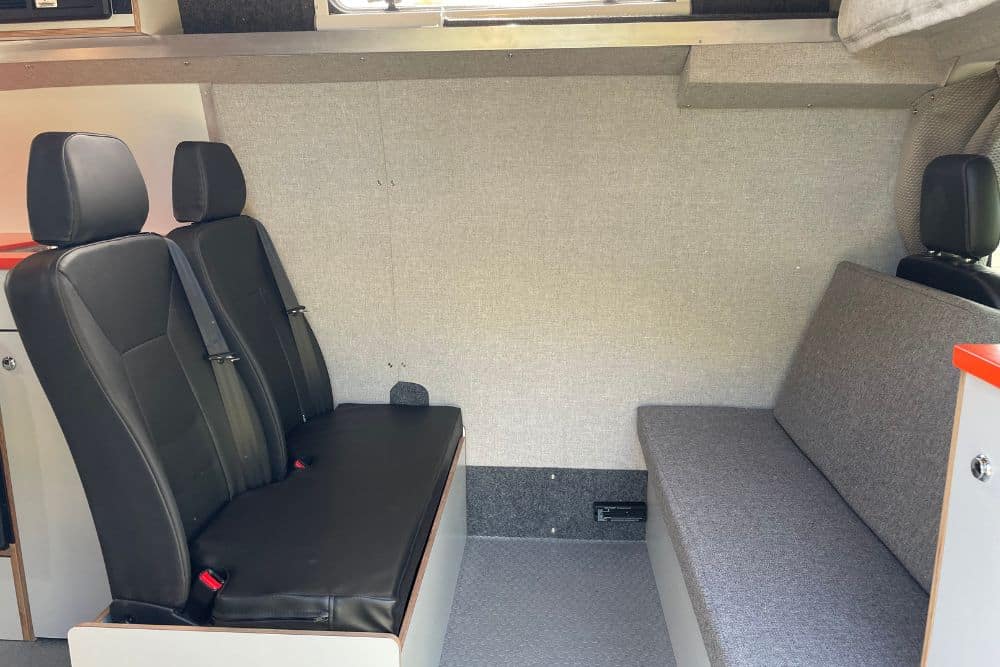
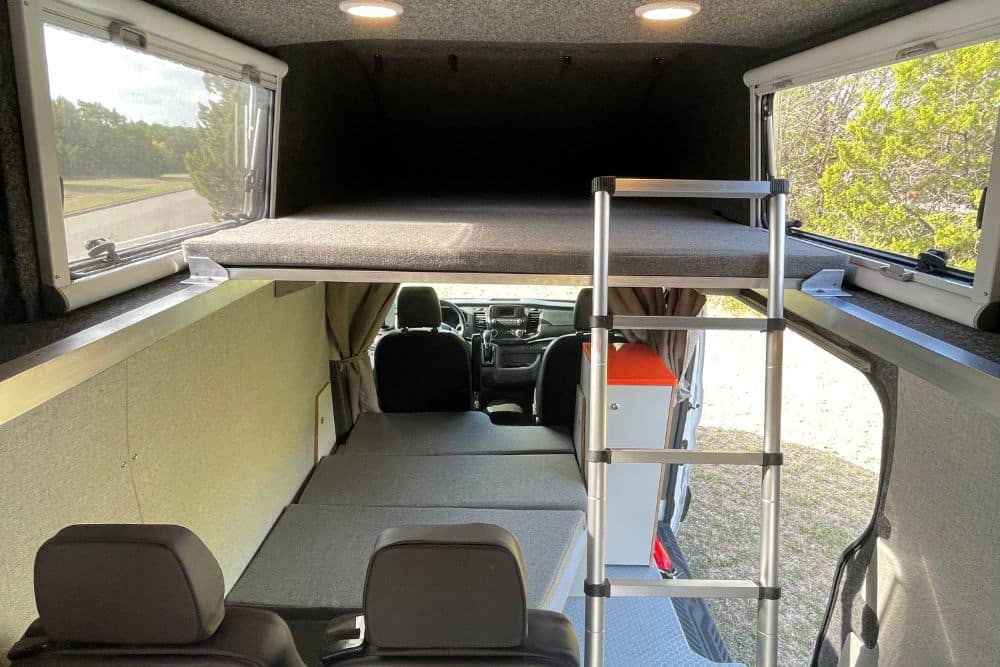
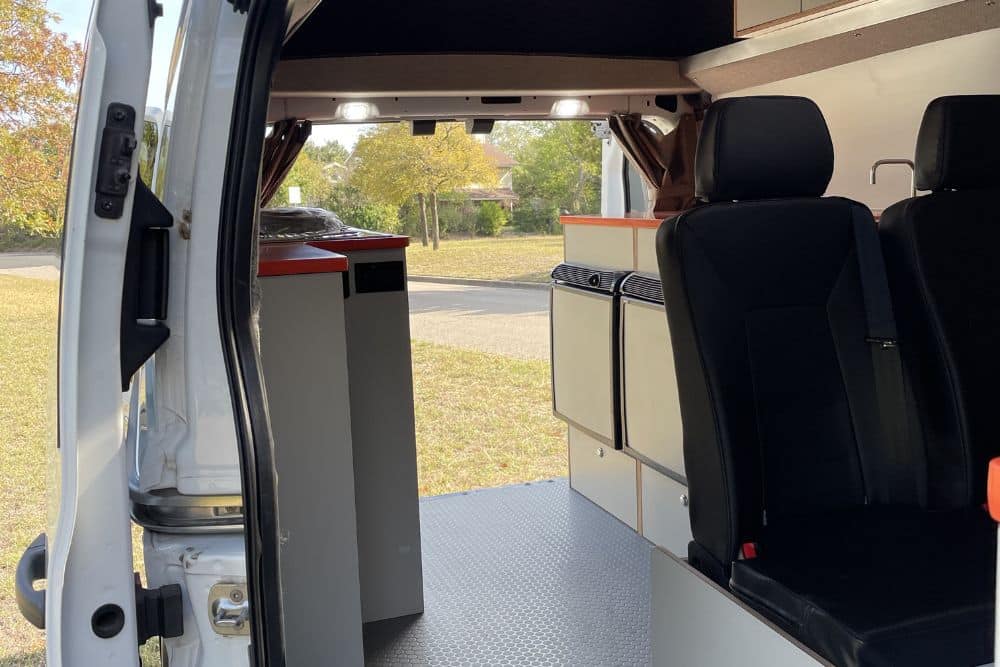
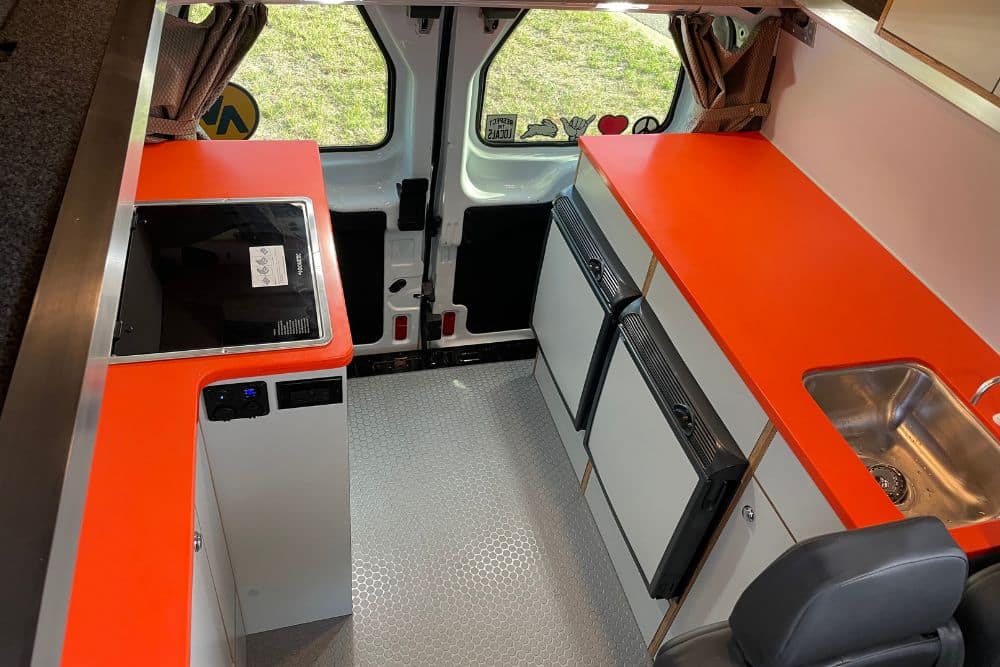
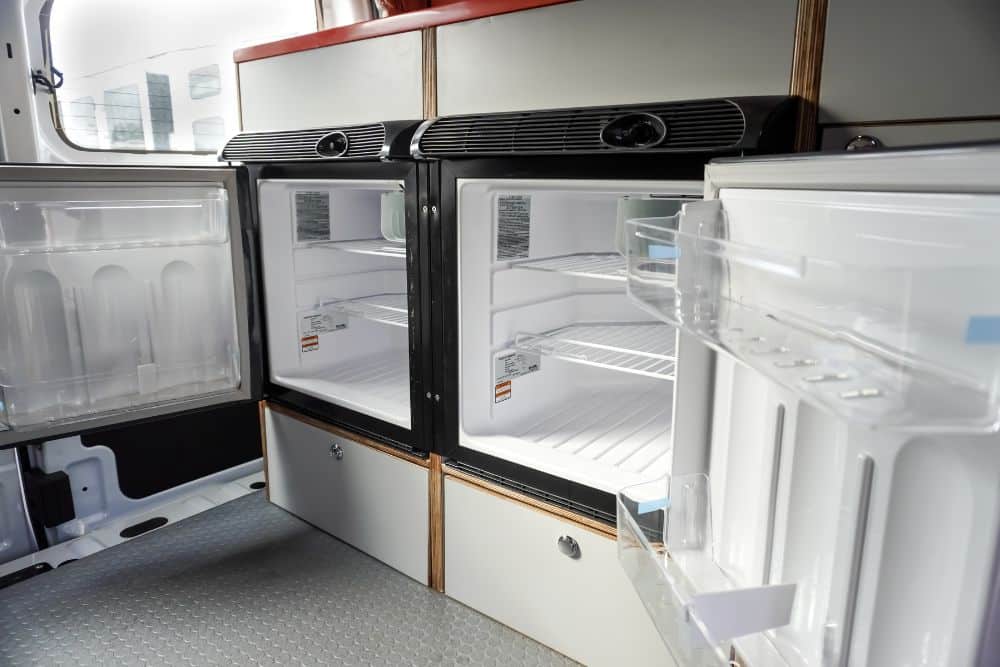
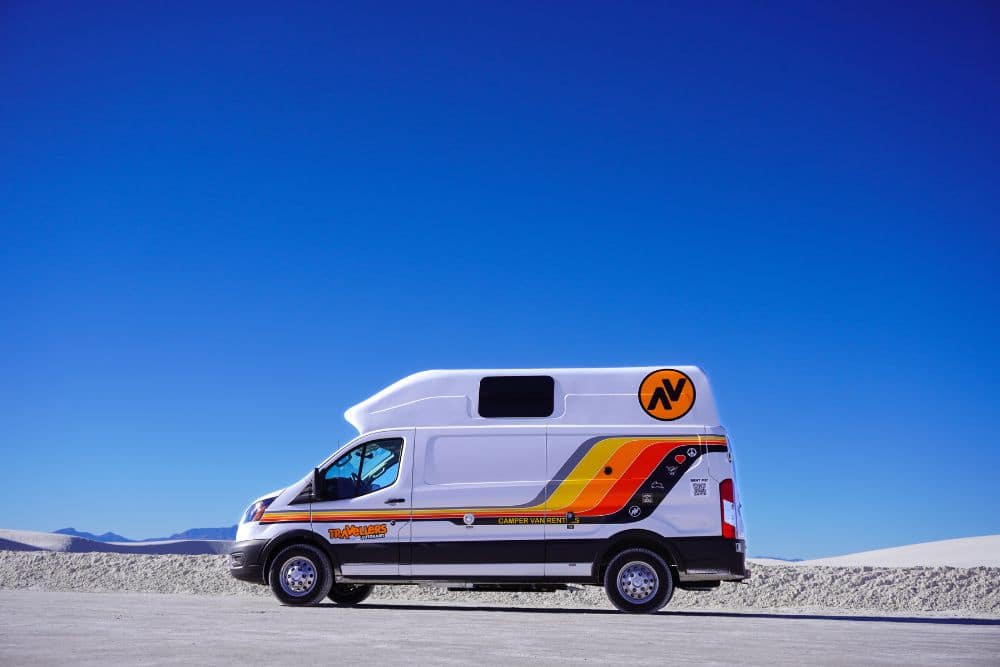
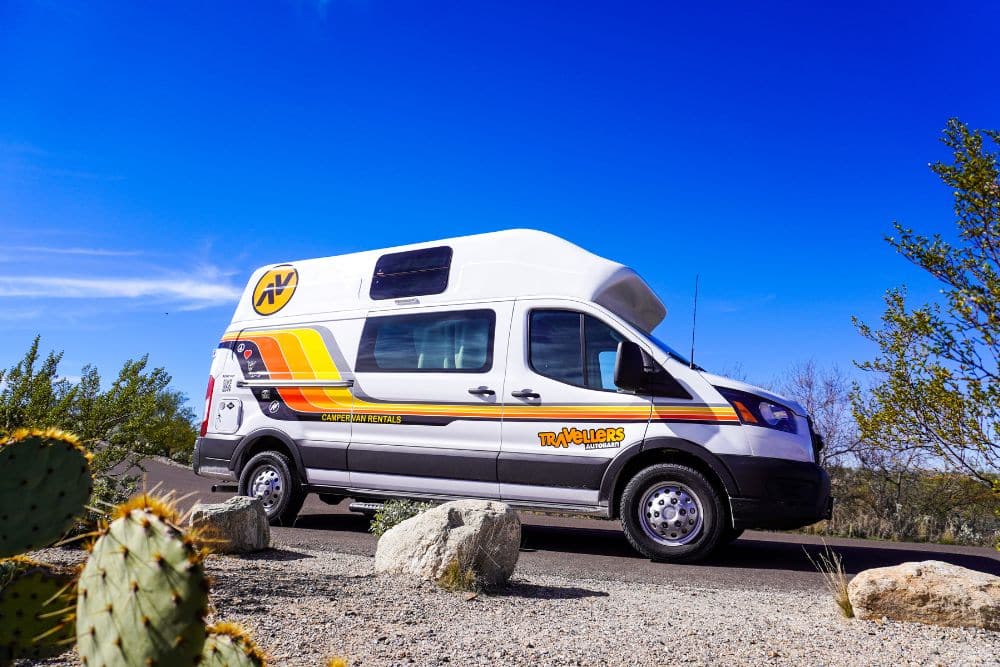
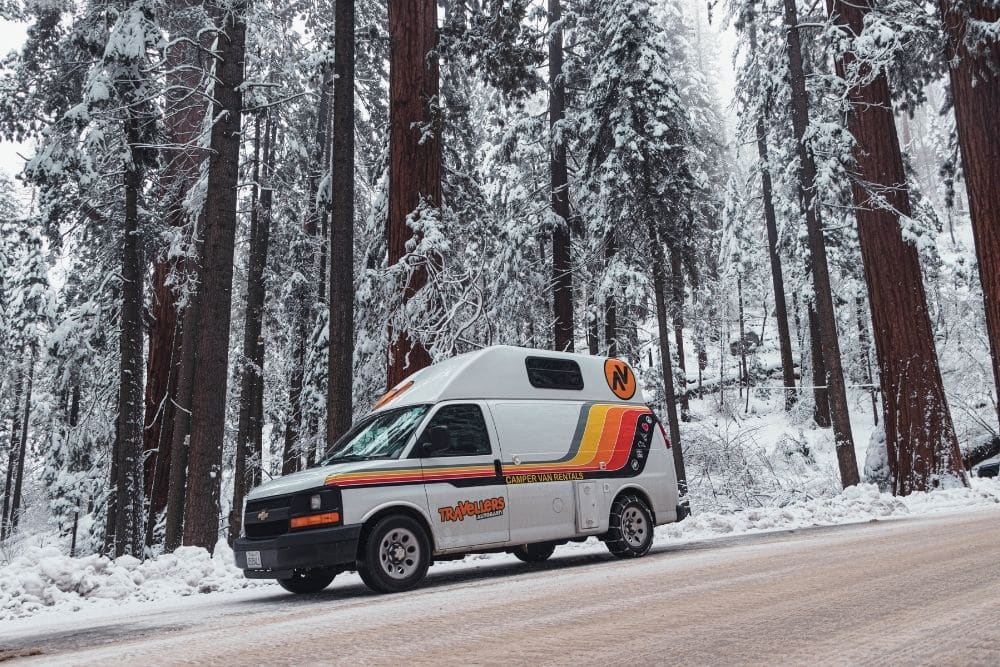
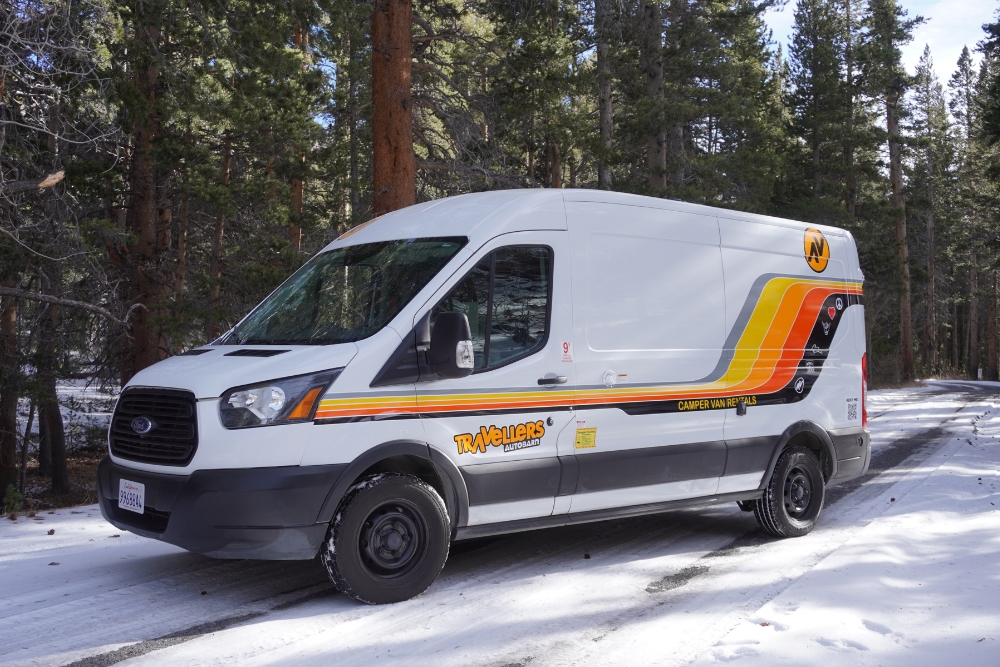
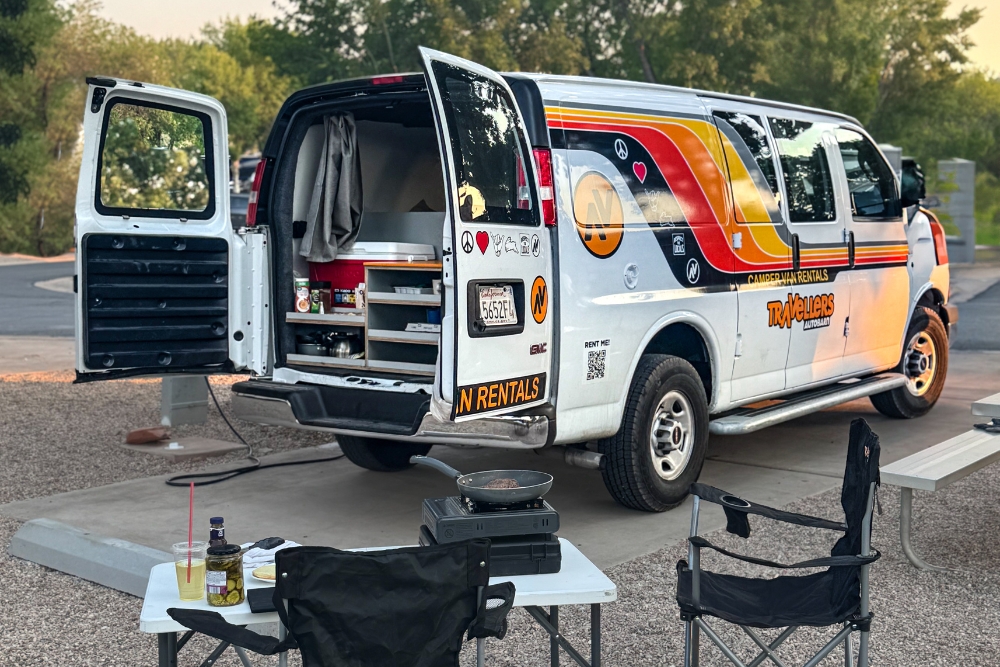
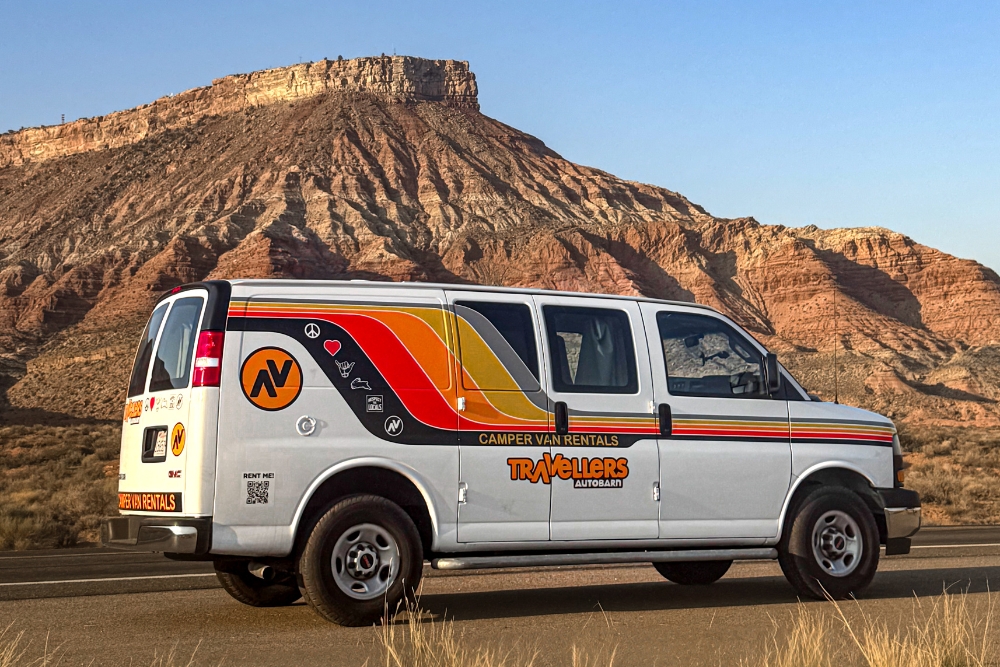
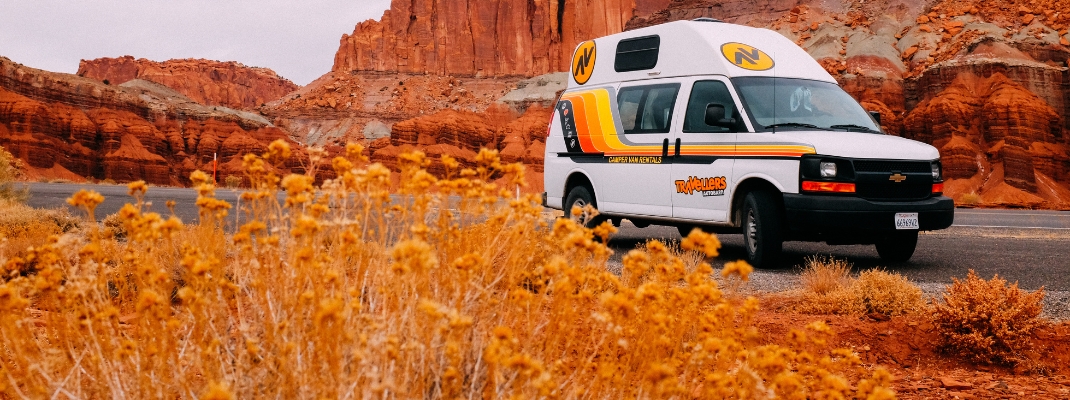
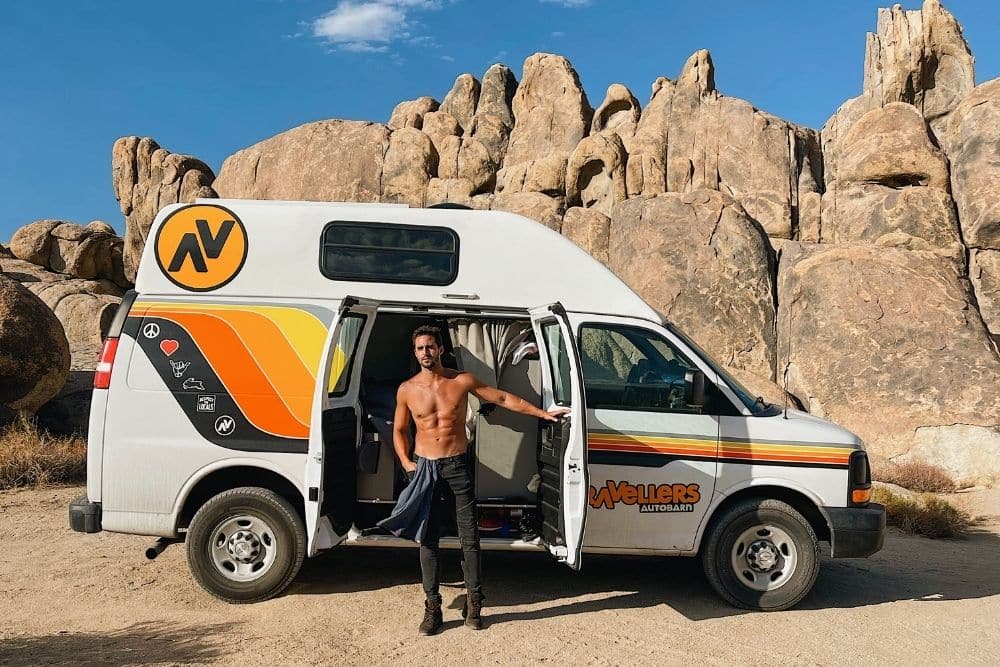
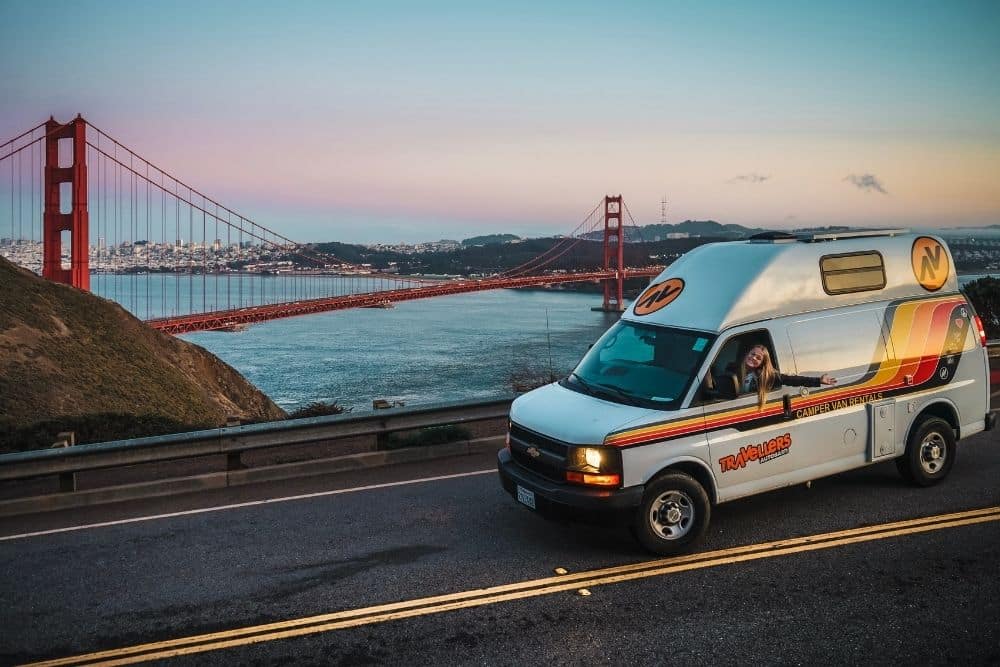
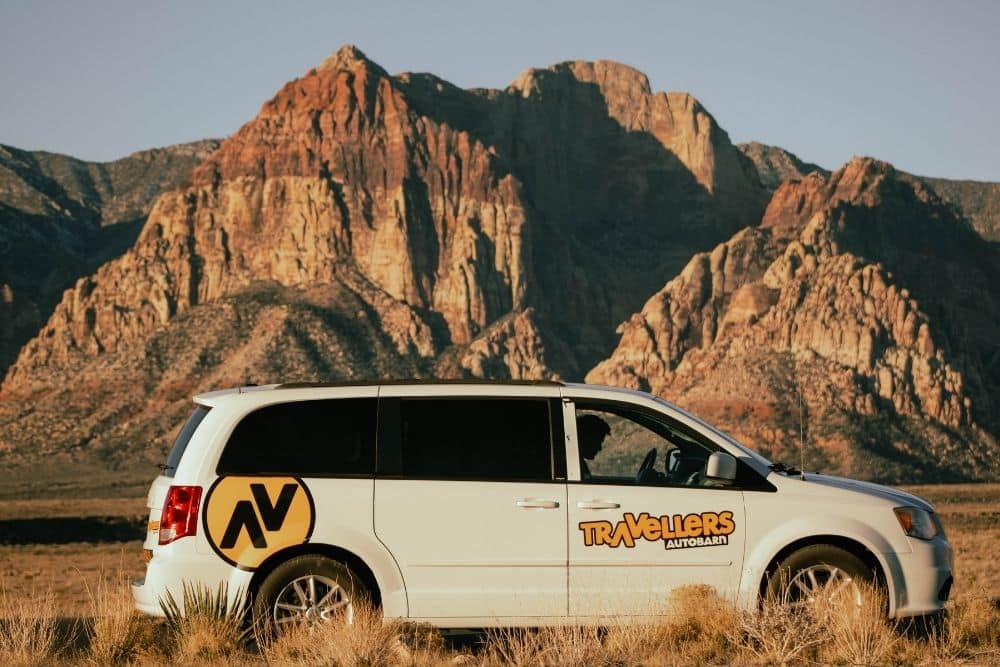
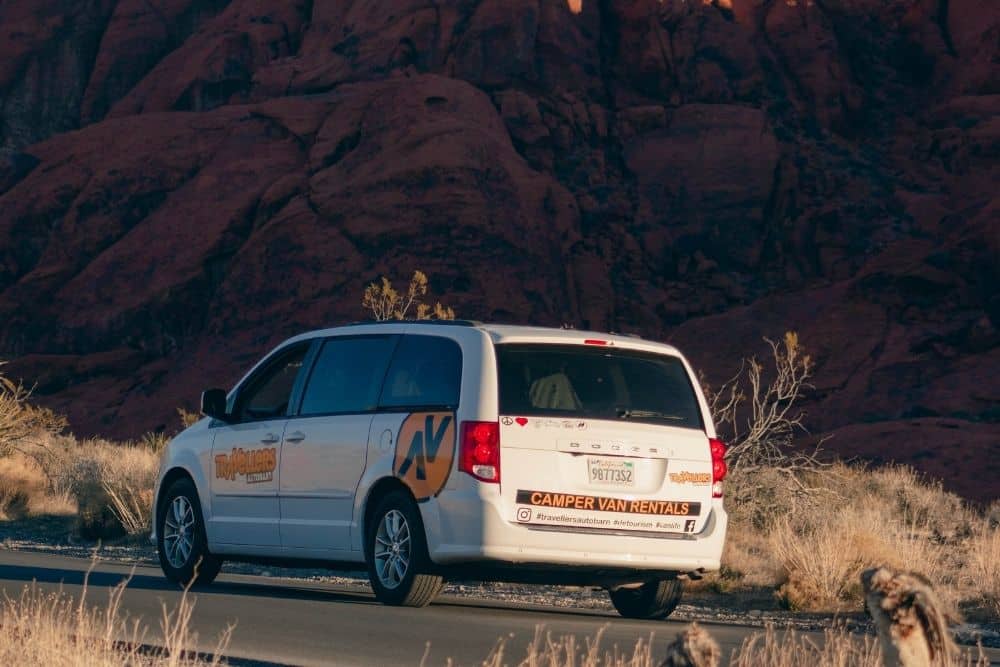
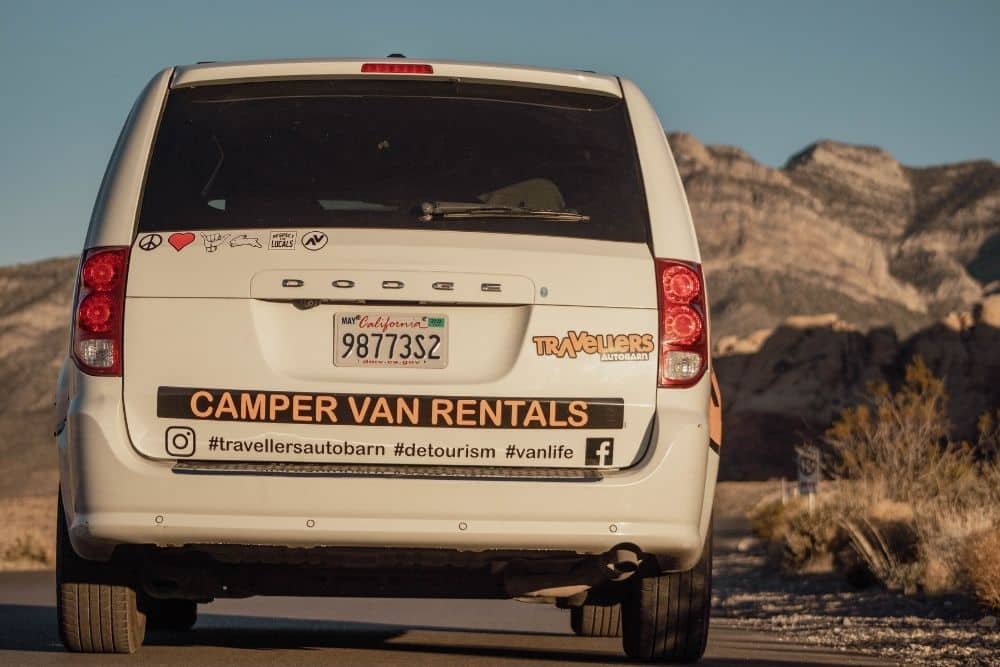
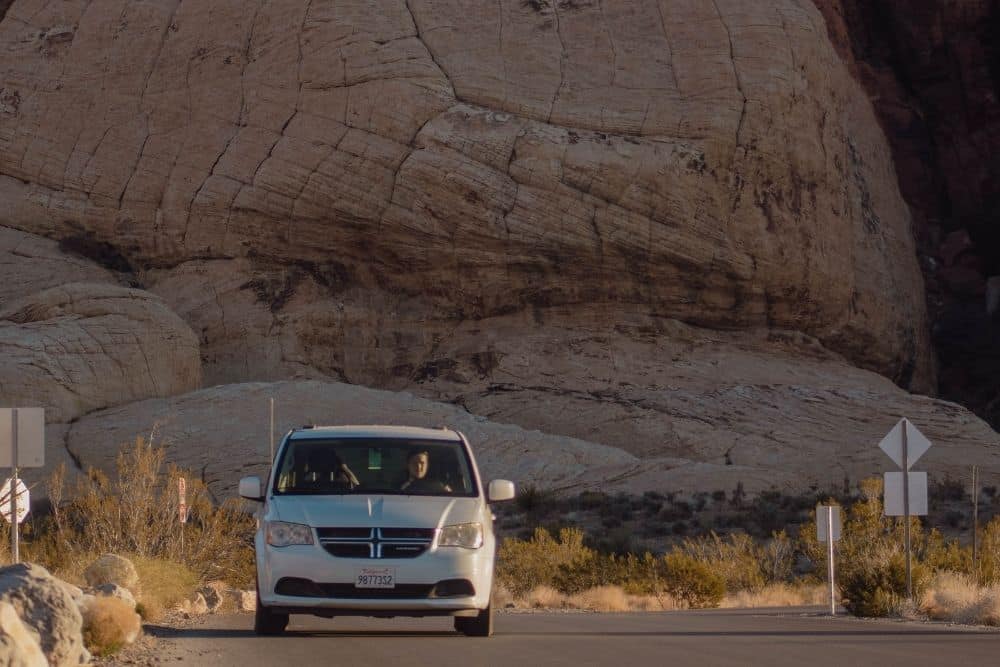
Travellers Autobarn makes chasing the superbloom easy, with campervan rentals available from Los Angeles, San Francisco, and Las Vegas – three perfectly positioned gateways to California’s top bloom regions. Pick up in Los Angeles to explore Antelope Valley, Joshua Tree, Anza-Borrego, and Chino Hills; start in Las Vegas for quick access to Death Valley; or depart from San Francisco to road trip through Carrizo Plain and Central California. With one-way and loop itineraries available, and free unlimited miles, you can easily reposition based on where blooms are strongest.
FAQs about the California Superbloom
No – nothing is ever guaranteed when it comes to superblooms. While early conditions are showing promising signs in several regions, the overall scale and intensity will depend on how the remainder of the season unfolds. Rainfall totals, temperatures, and late-season weather events all play a role, meaning displays may be impressive in some areas while remaining more limited in others.
While superblooms aren’t on a strict schedule and can vary widely in intensity and location, 2017, 2019, and especially 2023 stand out for unusually widespread and dense wildflower coverage across deserts and grasslands.
Typically 2-6 weeks, depending on weather conditions and location.
Yes. Many national and state parks offer campgrounds, though reservations may be required.
Absolutely. Many viewing areas are accessible and suitable for families.
Most parks charge entrance fees but do not require special permits for day visits. Camping permits may be required depending on location.
DISCLAIMER: All information provided, including prices, availability, and site details, is correct at the time of publishing. We recommend contacting campsites or caravan parks directly to confirm the latest details before planning your visit. Please review our Terms and Conditions for additional information.
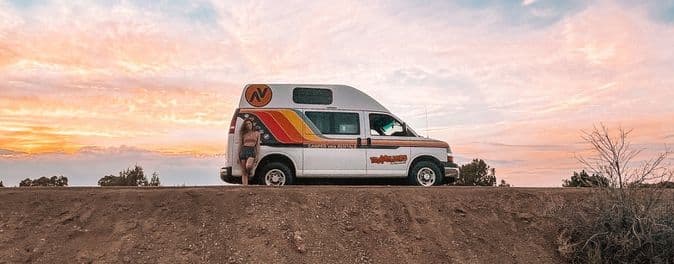
 SEE OUR CAMPERVANS
About the Author

Bastian Graf
Bastian is the Sales & Marketing Manager here at Travellers Autobarn. He holds a Master of Commerce in Marketing and International Business Management, and 20+ years experience in campervan hire, road trips and travel.
Sign up for deals and road trip itineraries.

Our Campervans
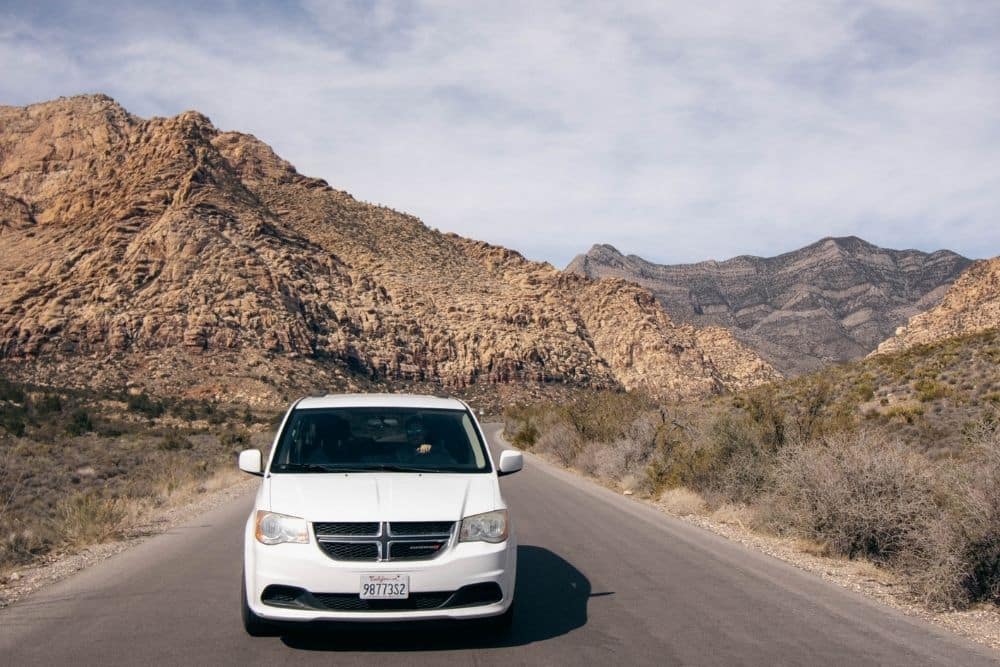


Seats 2-5

Tent Optional

Chairs Optional

Ice Box Optional

Ext. Table Opt.

Gas Cooker Opt.