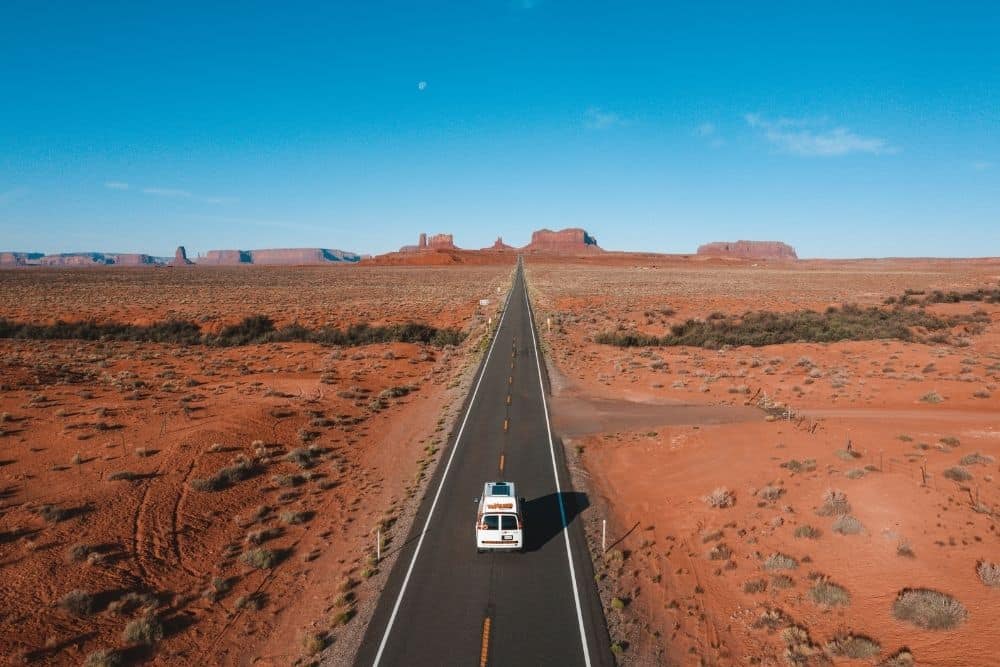
California’s Highway 1 is, without dispute, one of the world’s greatest drives. And the journey that unfurls from San Francisco to Monterey is perhaps unfairly blessed with a procession of beautiful landscapes, idyllic coastal towns and warm local charm.
While the drive can be achieved in as little as two hours, that would skip over some of the state’s most enchanting oceanside moments. From the photogenic beauty of Half Moon Bay to the vibrant tempo of Santa Cruz and historic Cannery Row at Monterey, there is so much to see it is virtually impossible to fit it all into a single itinerary.
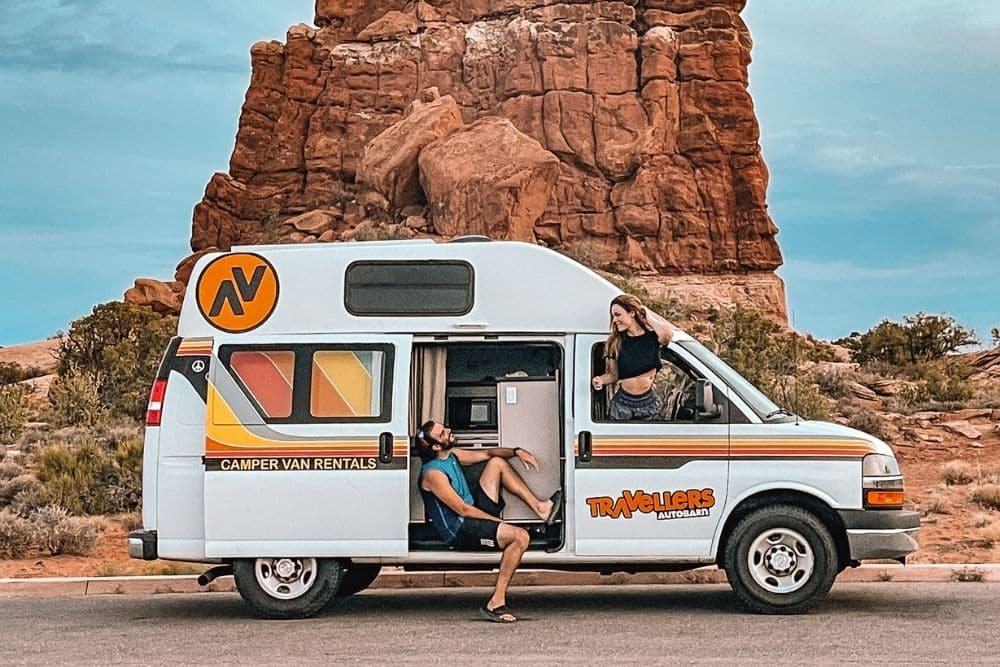
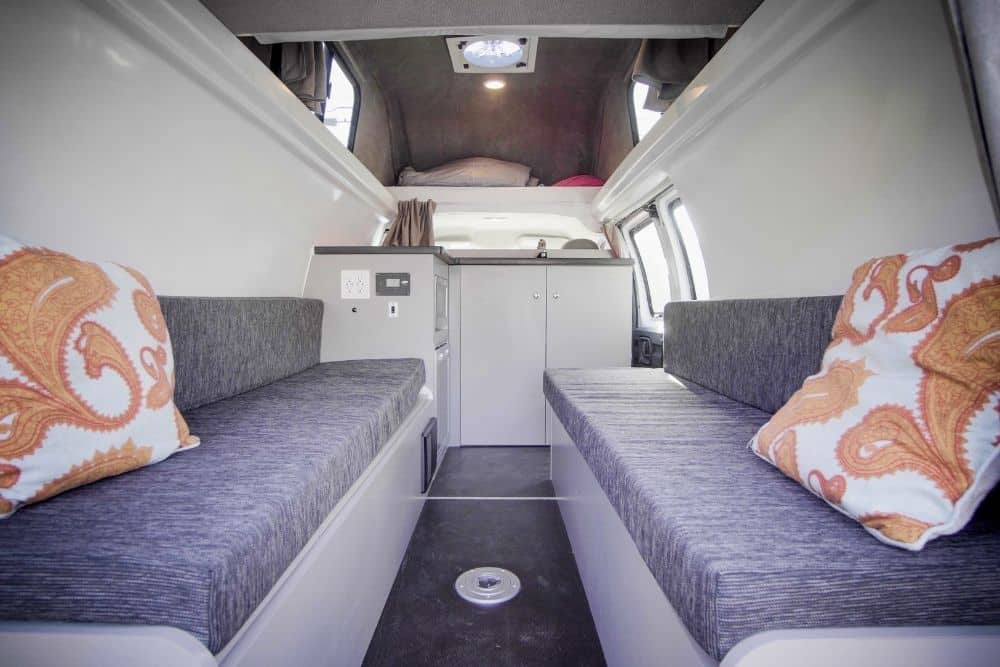
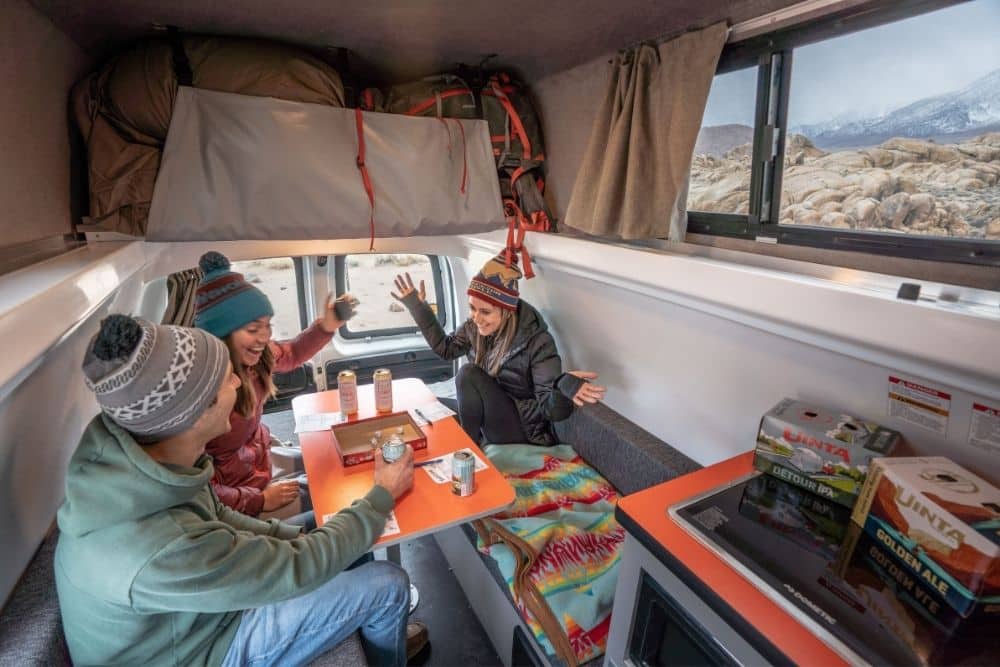
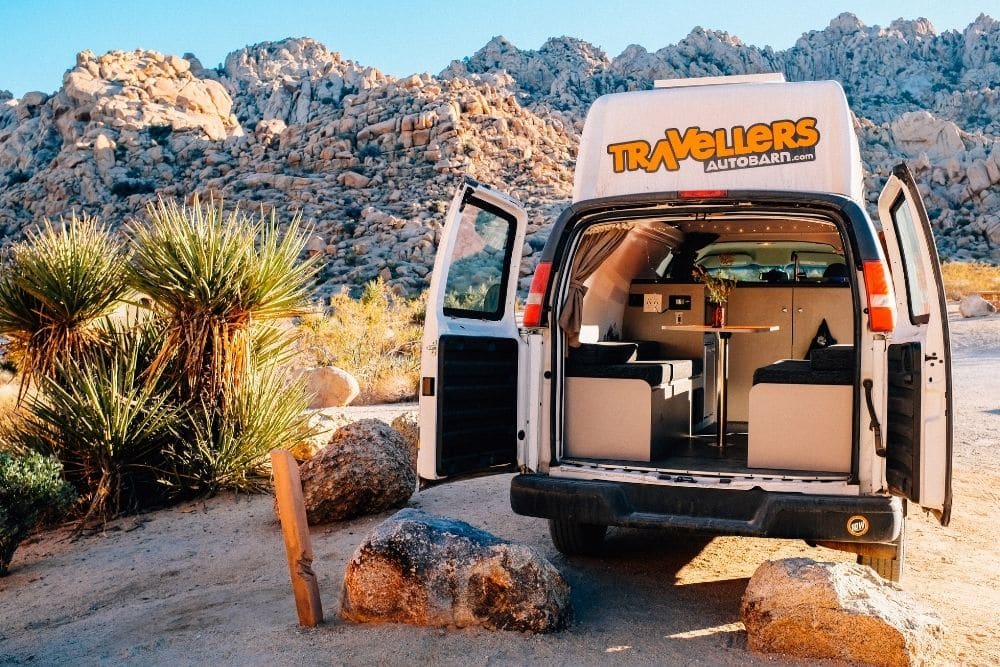
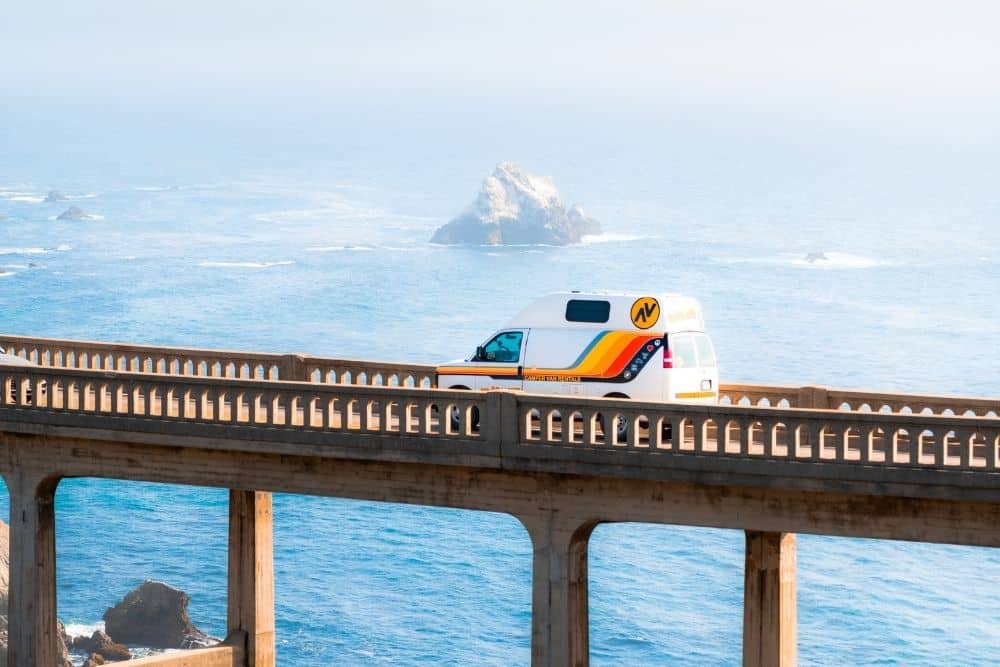
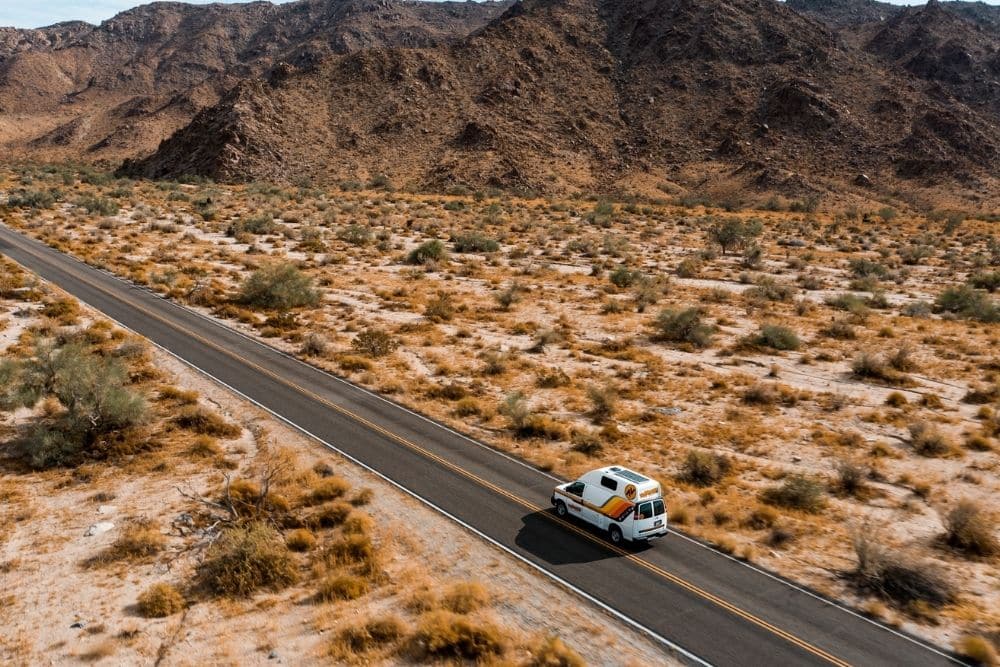
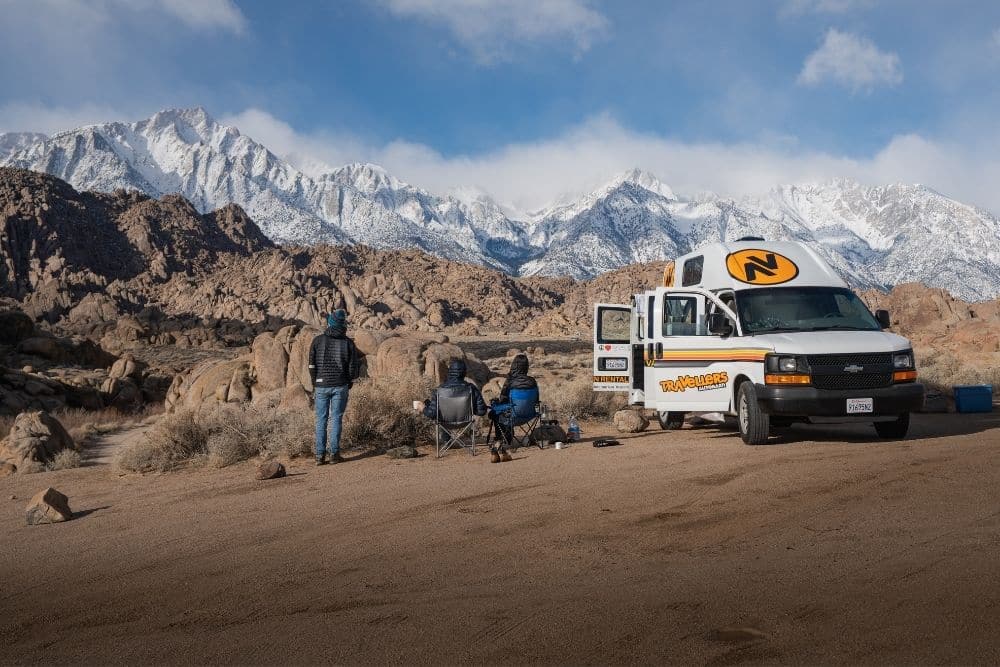
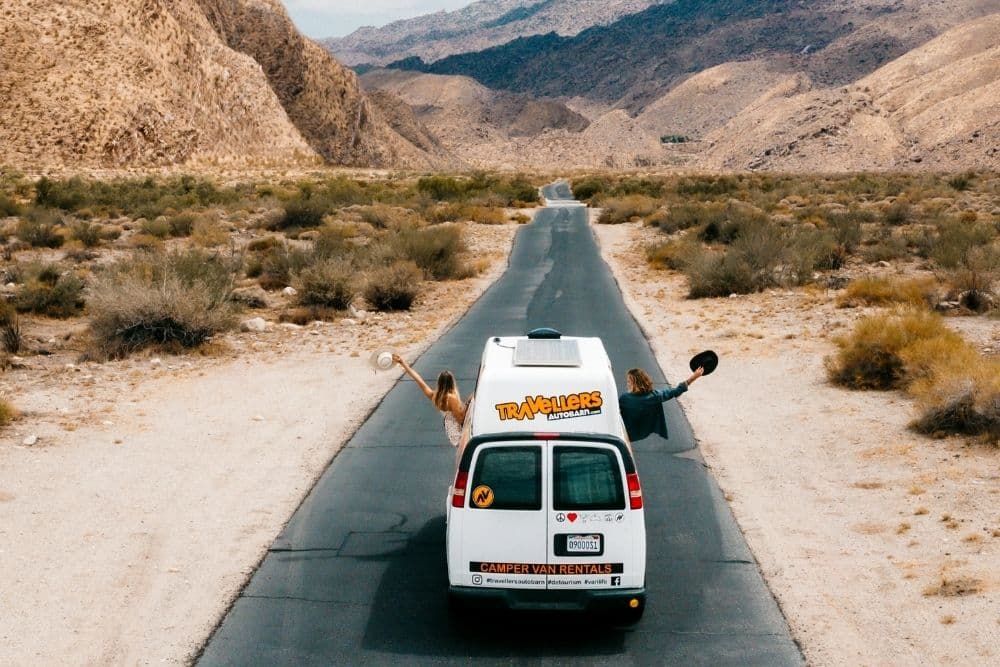
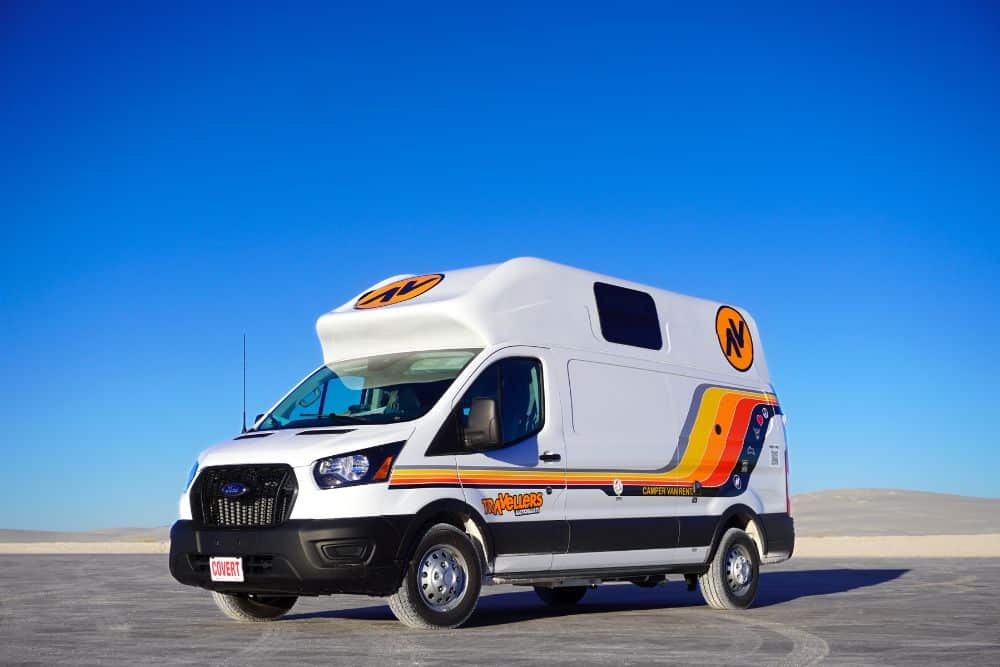
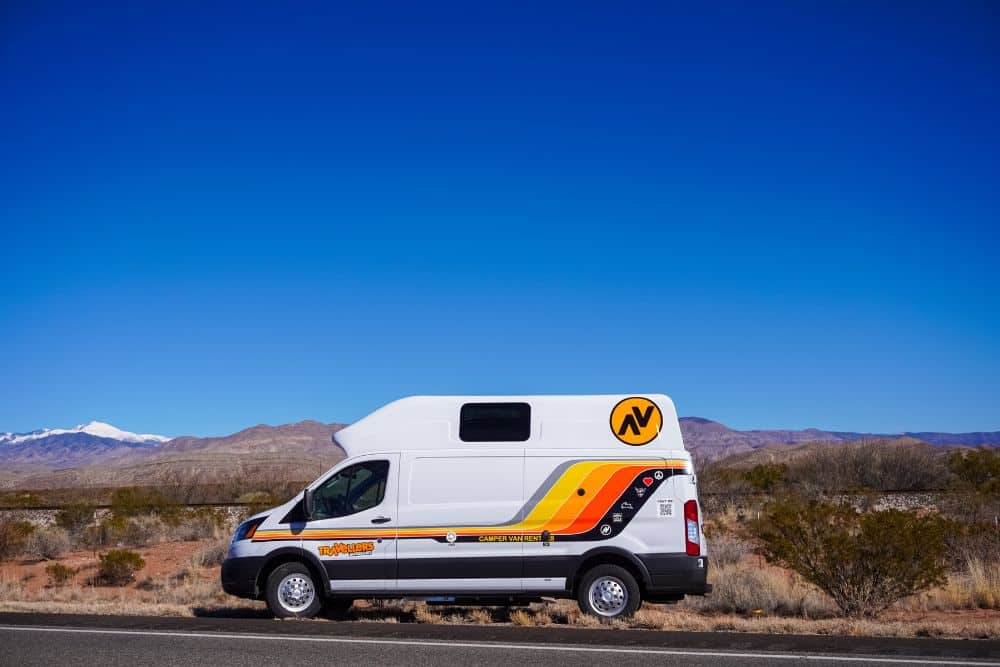
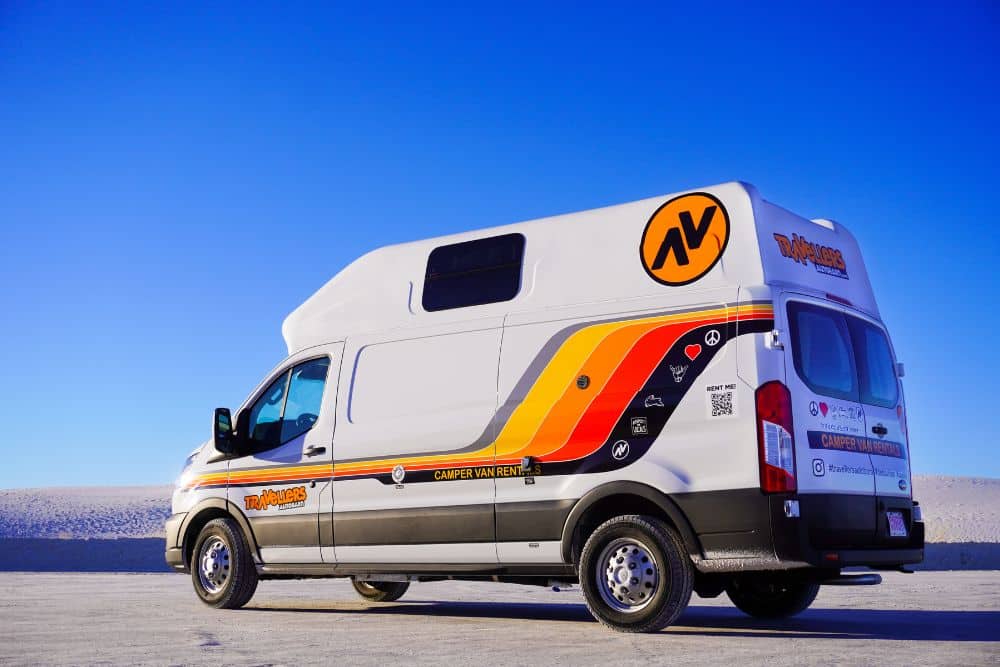
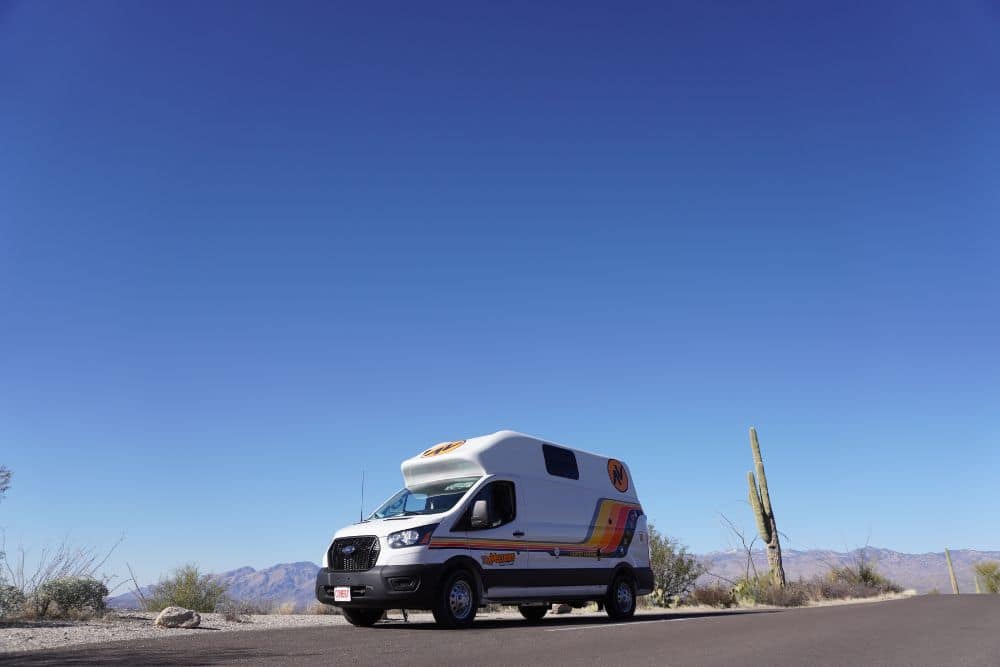
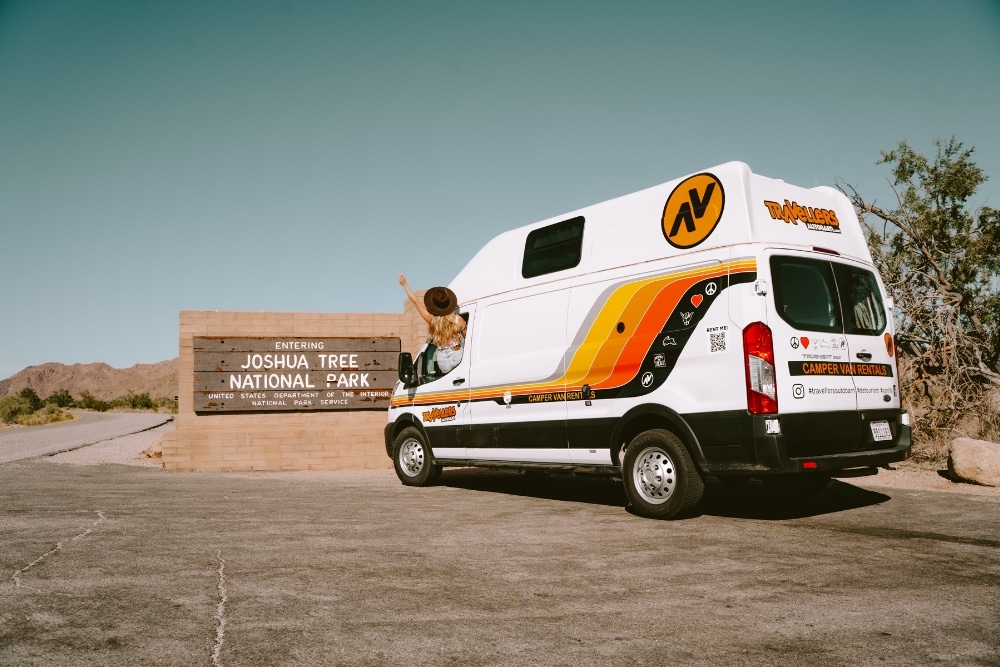
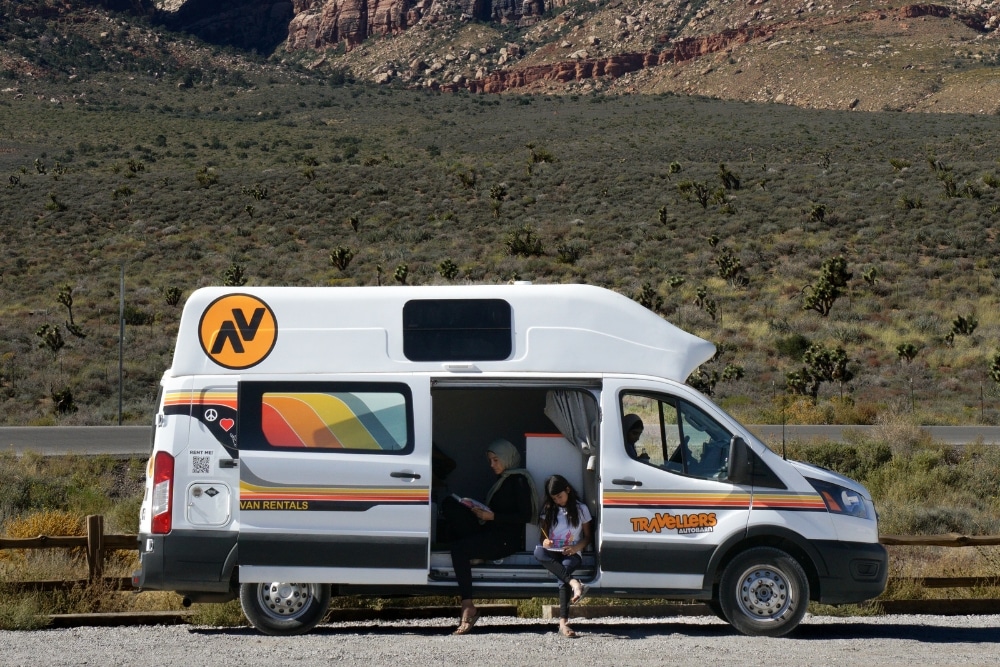
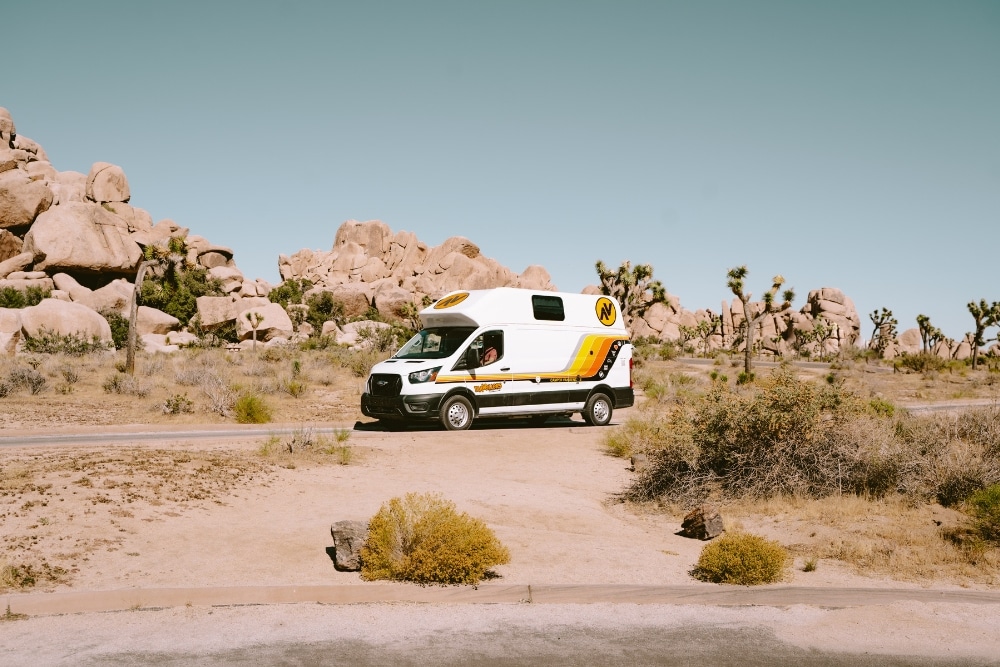
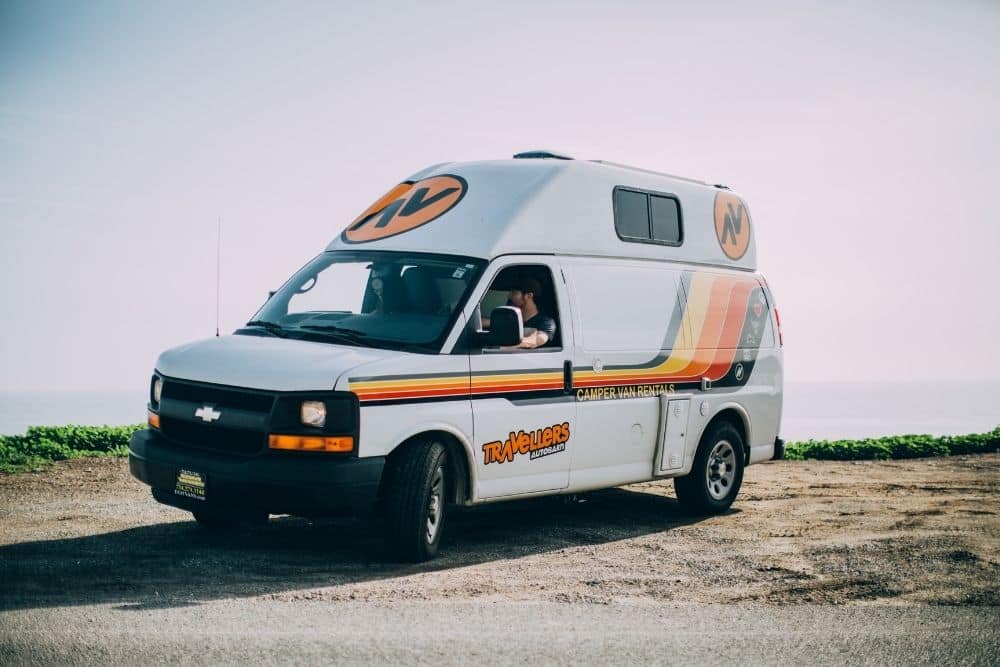
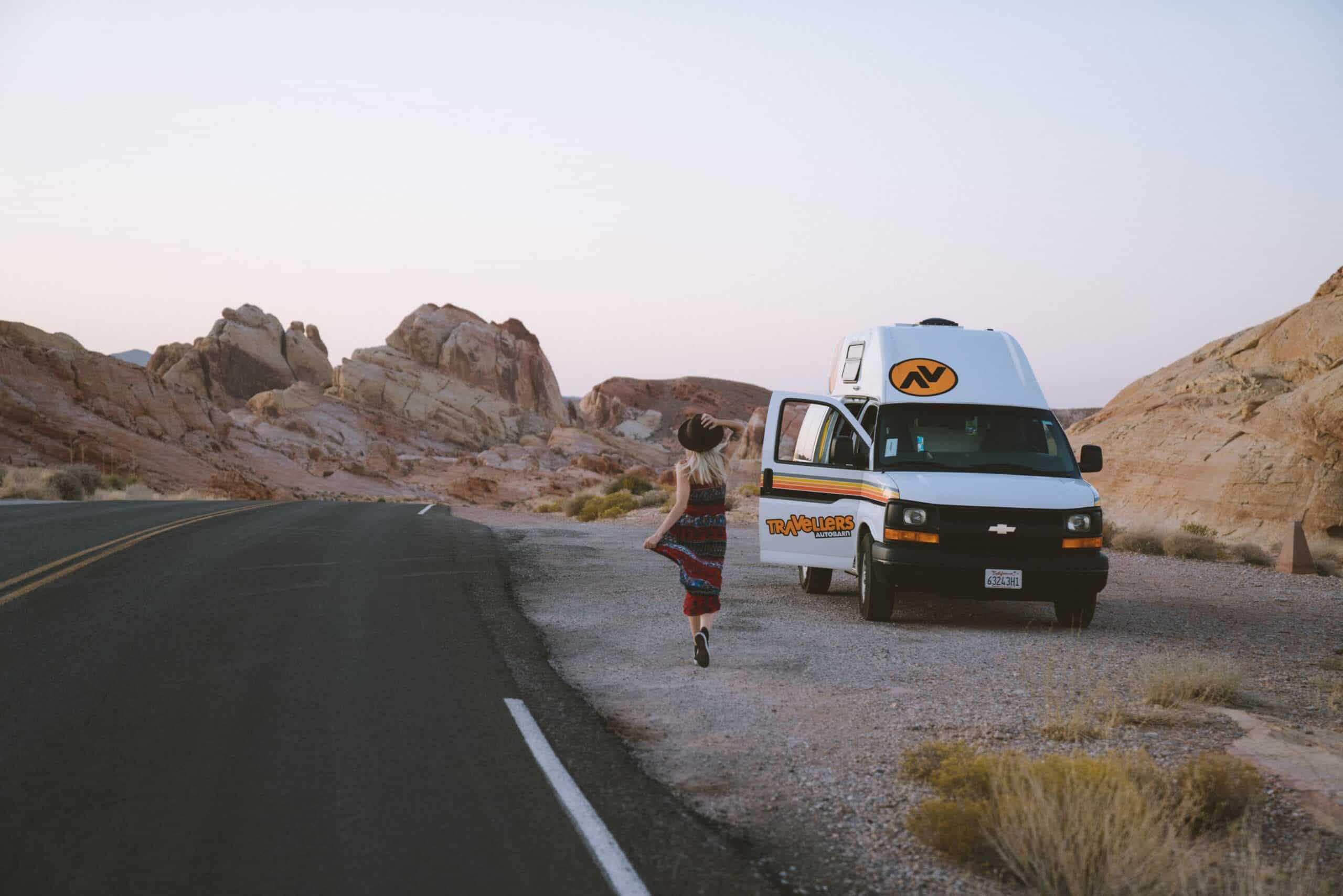
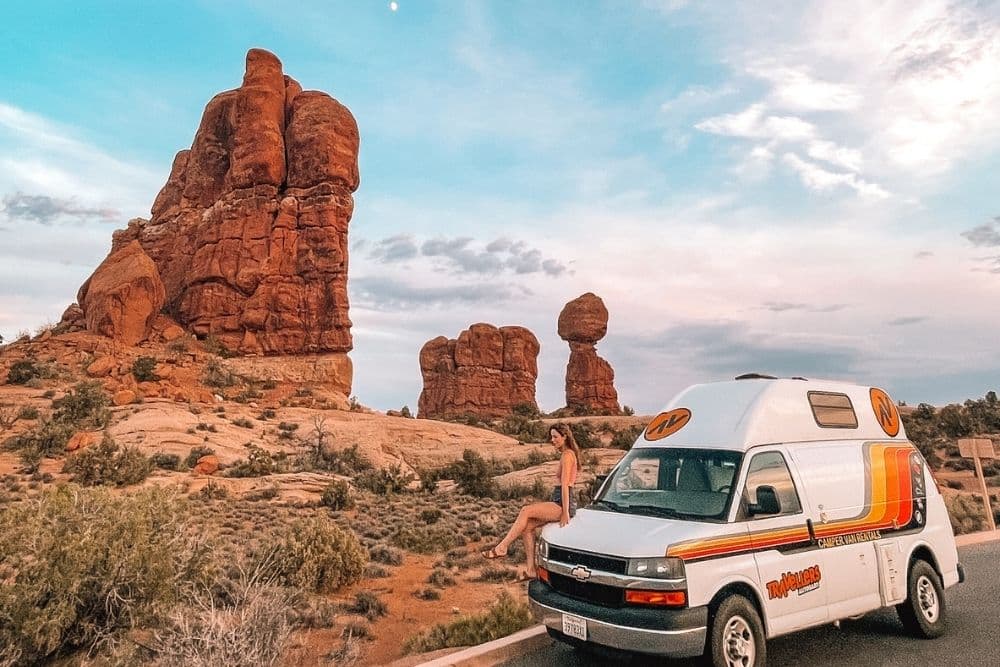
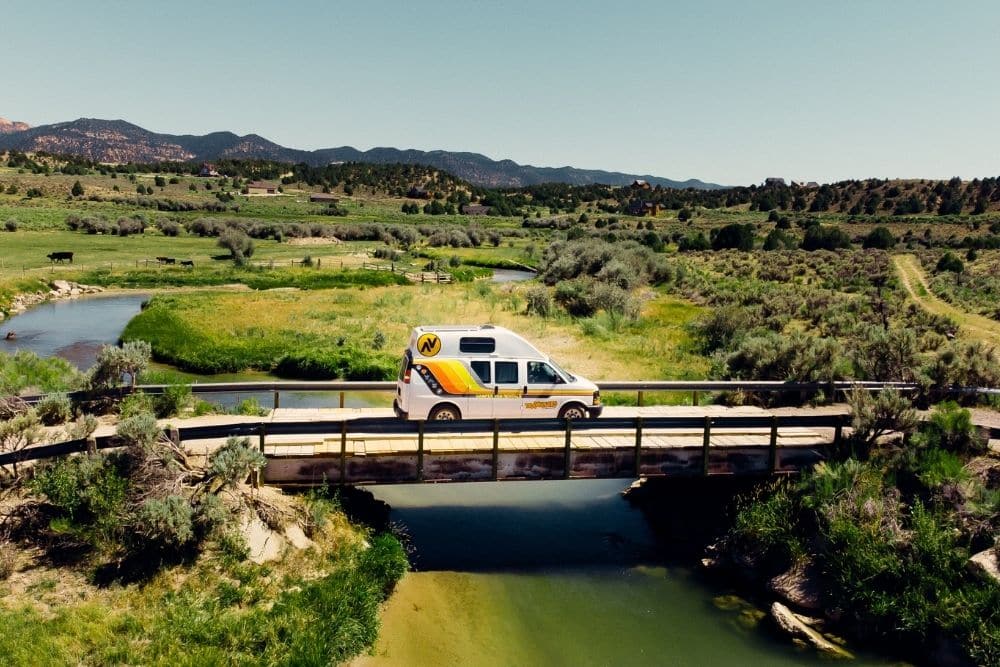
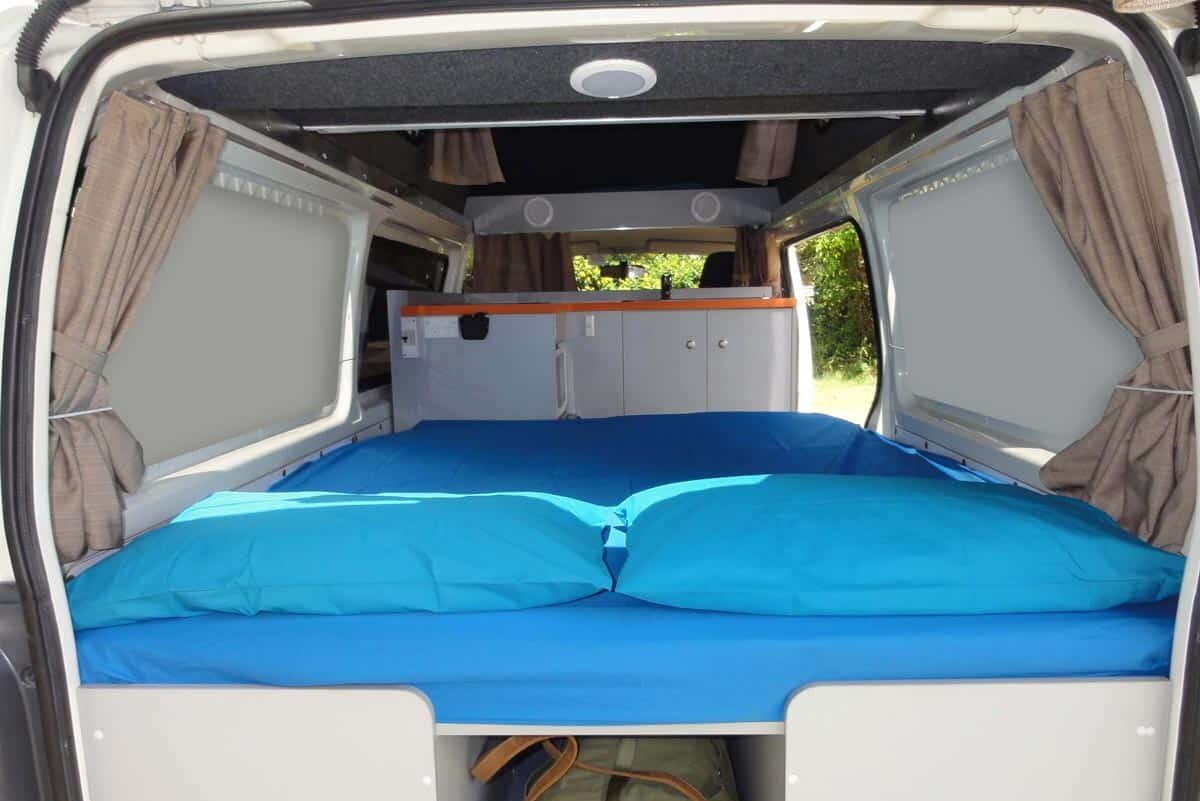
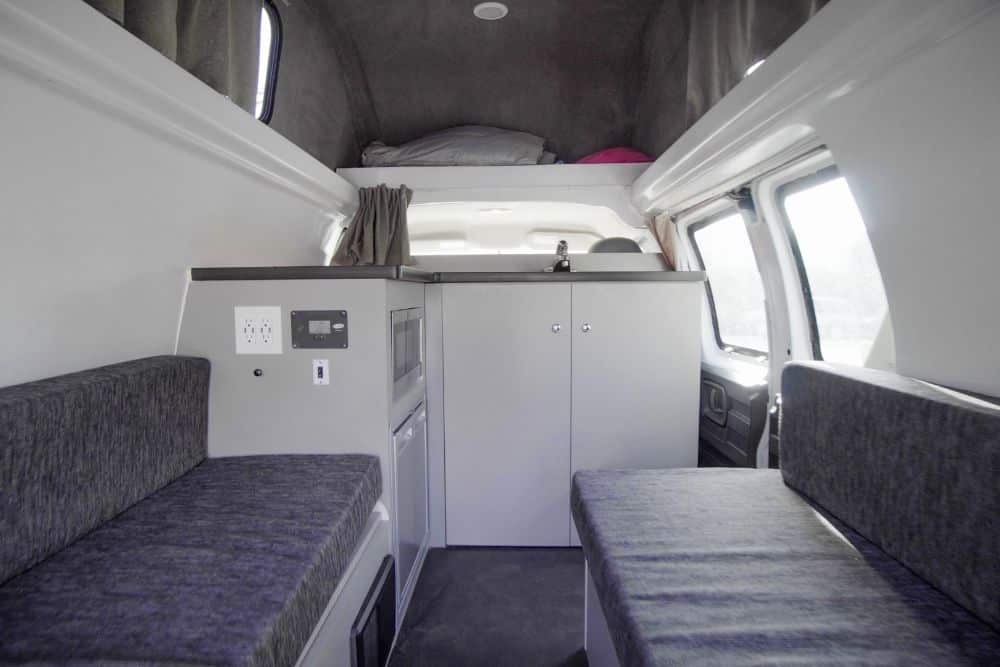
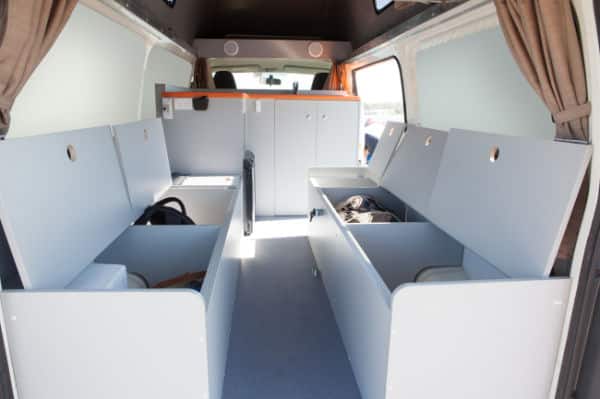
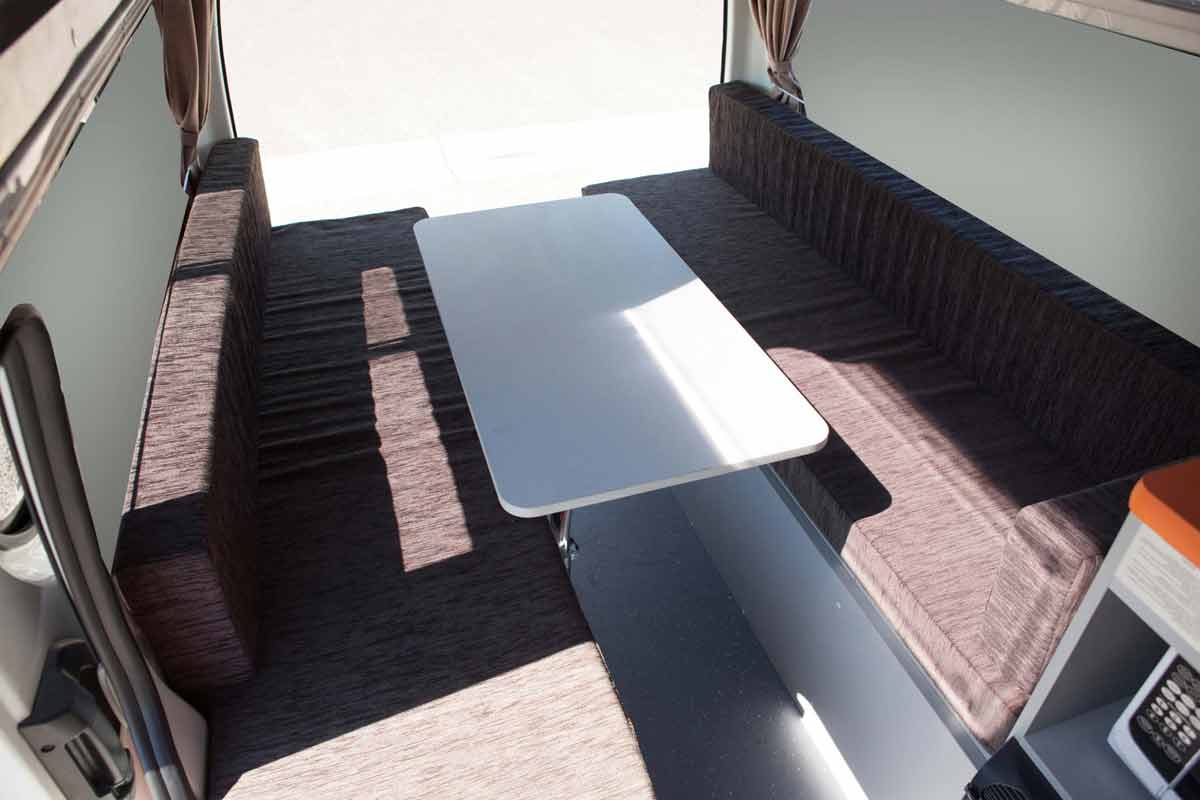
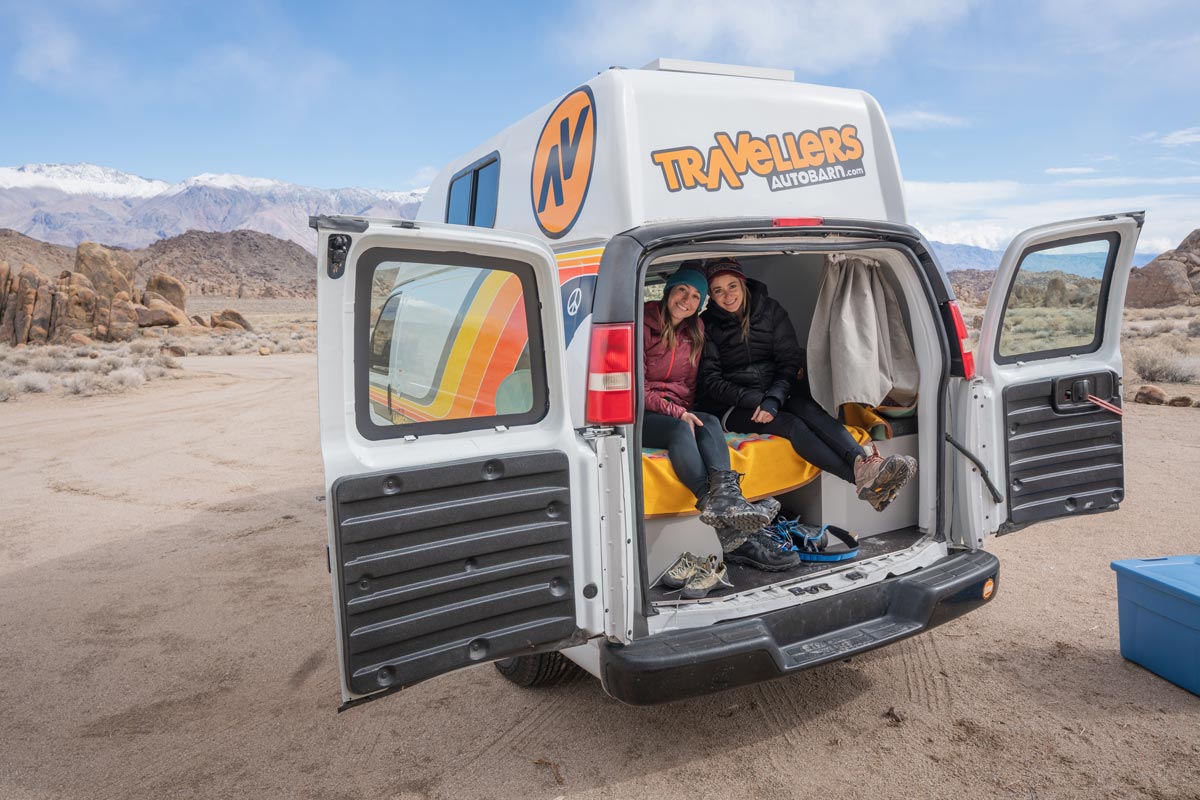
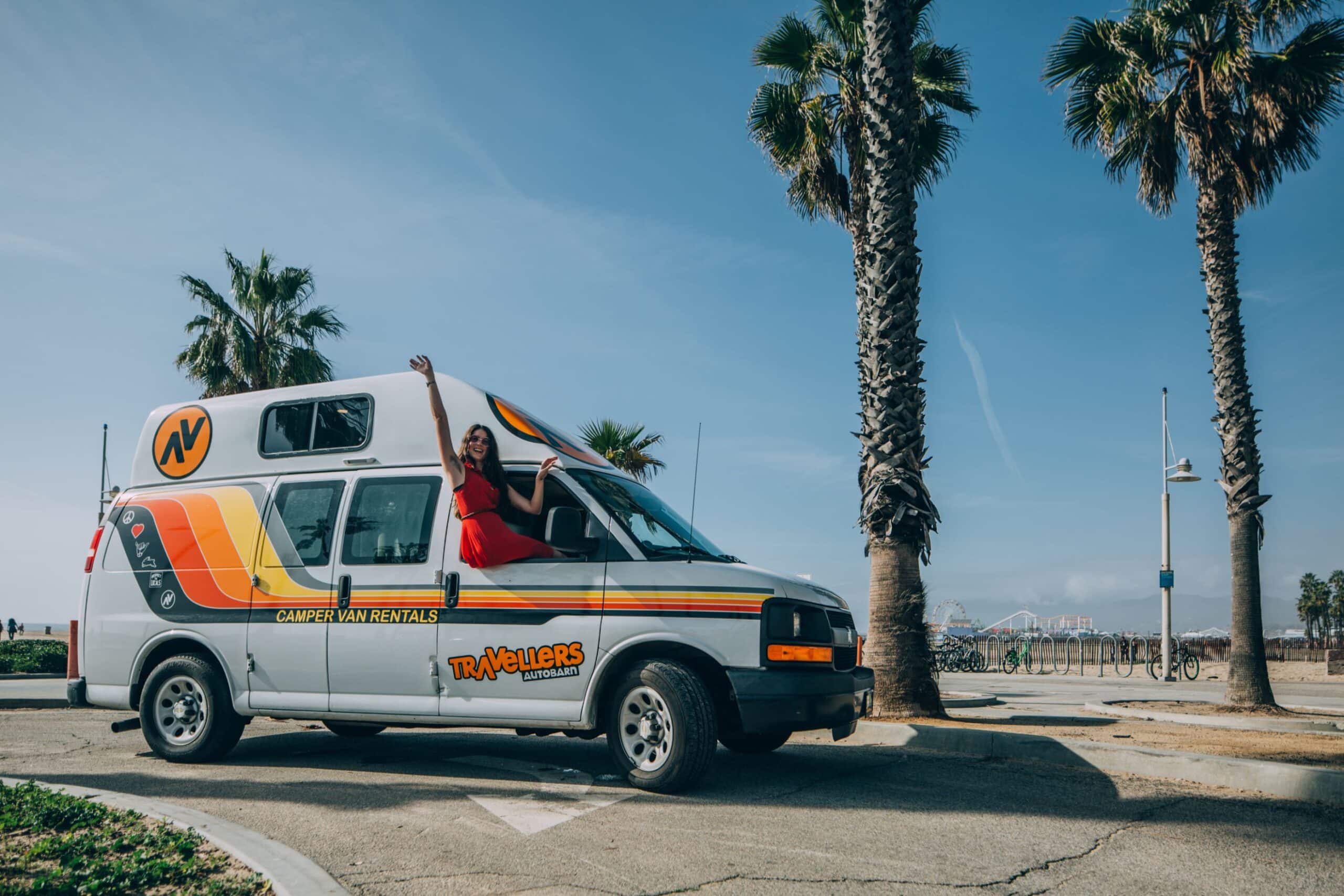
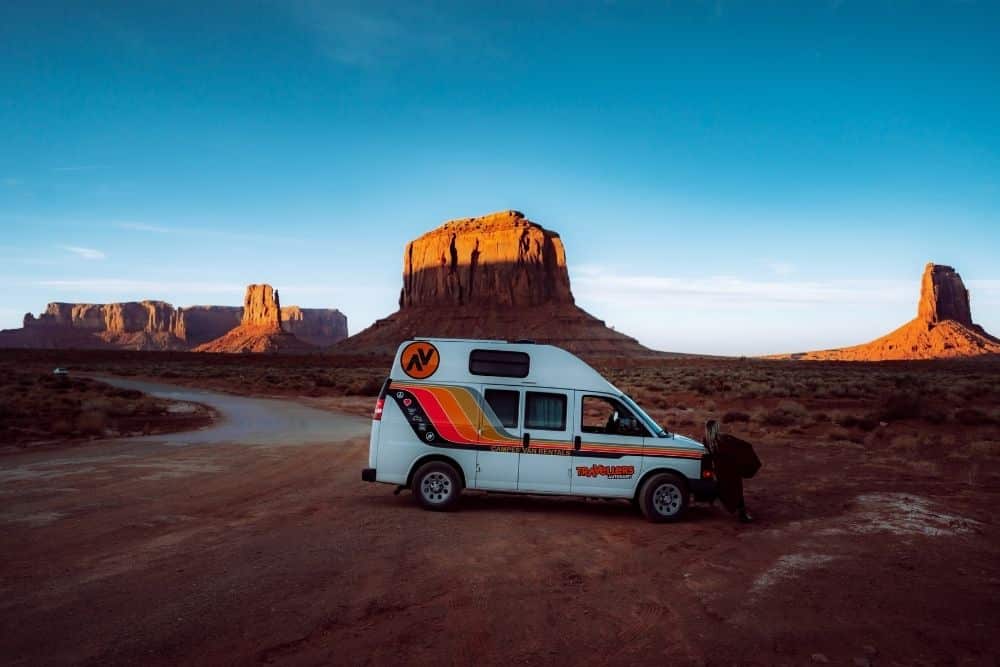
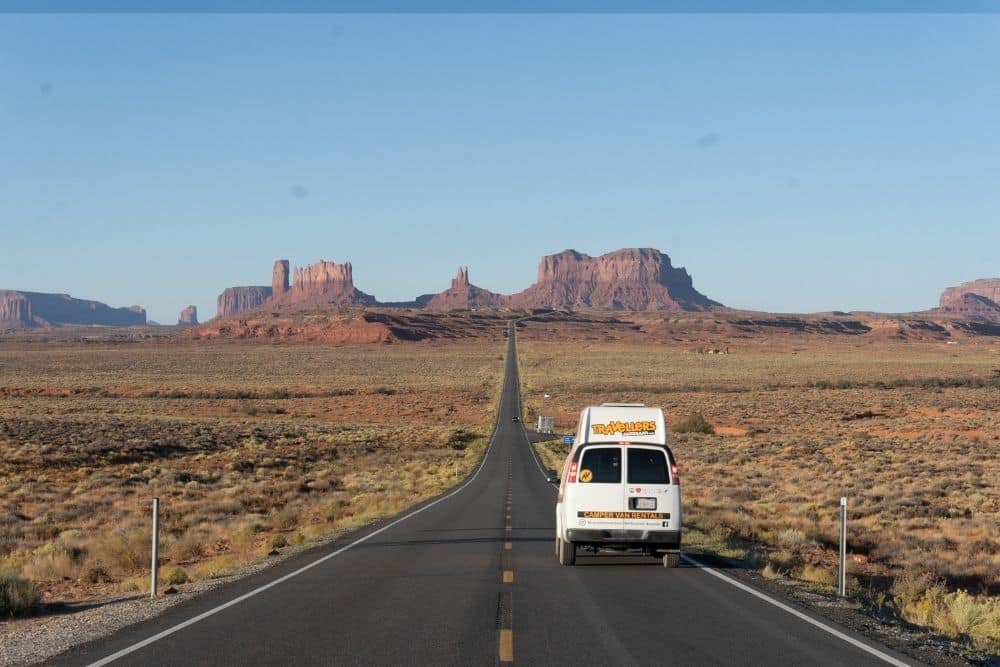
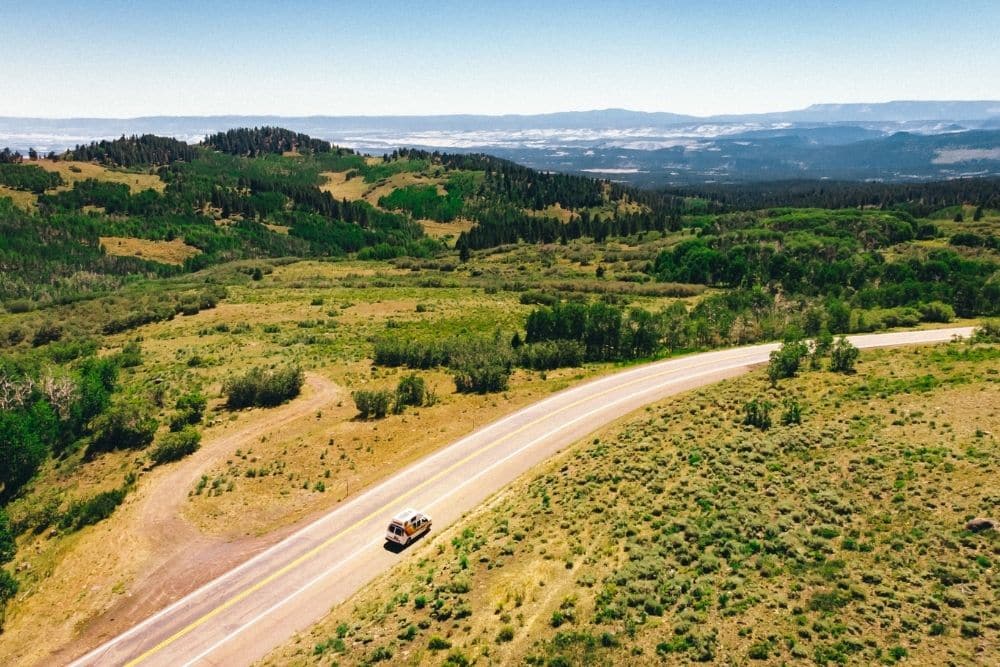
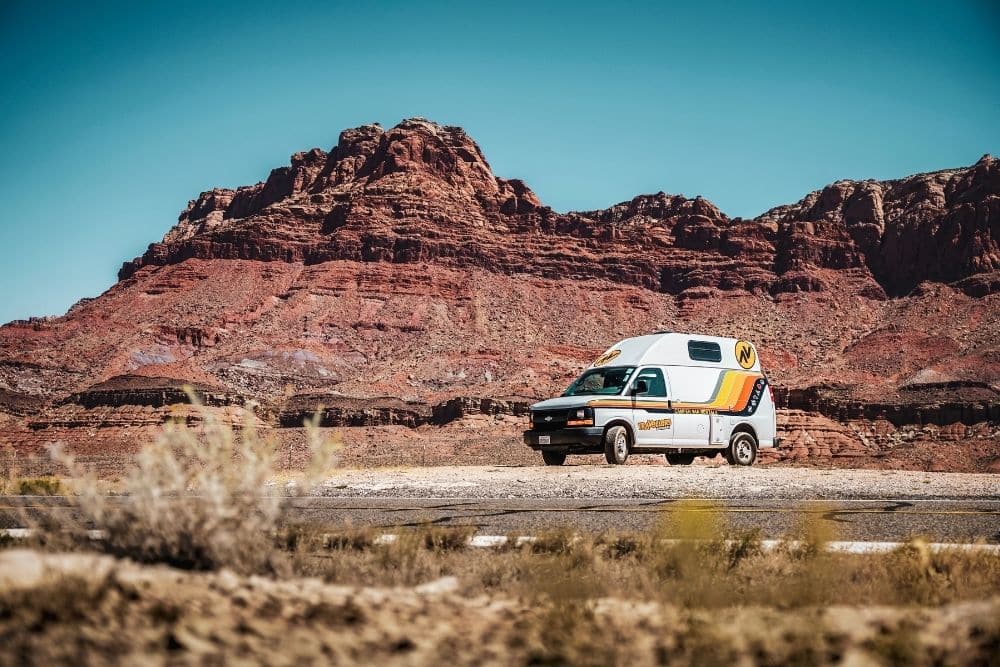
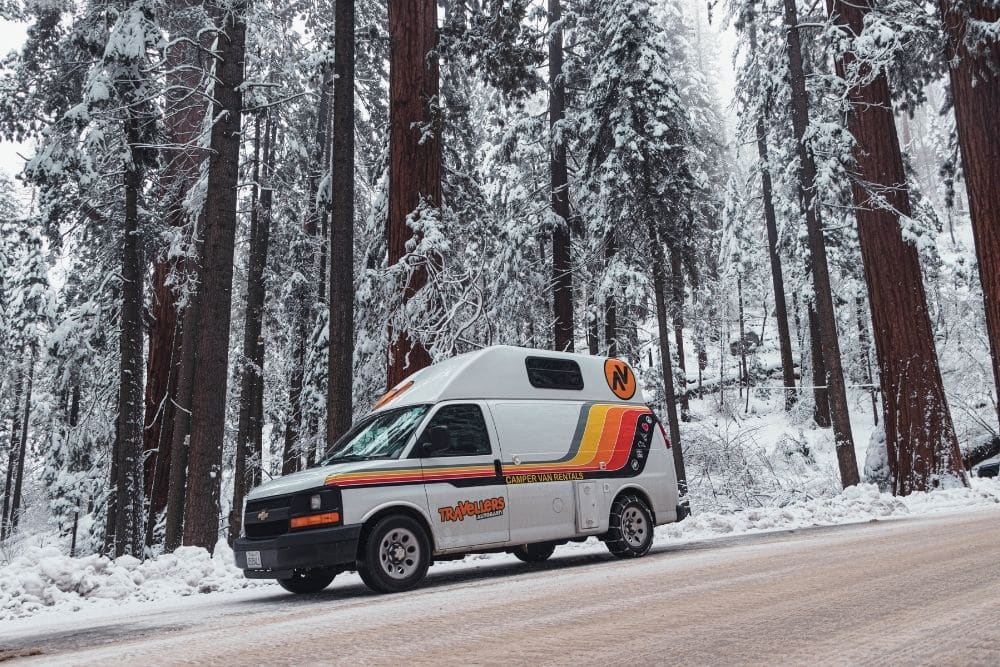
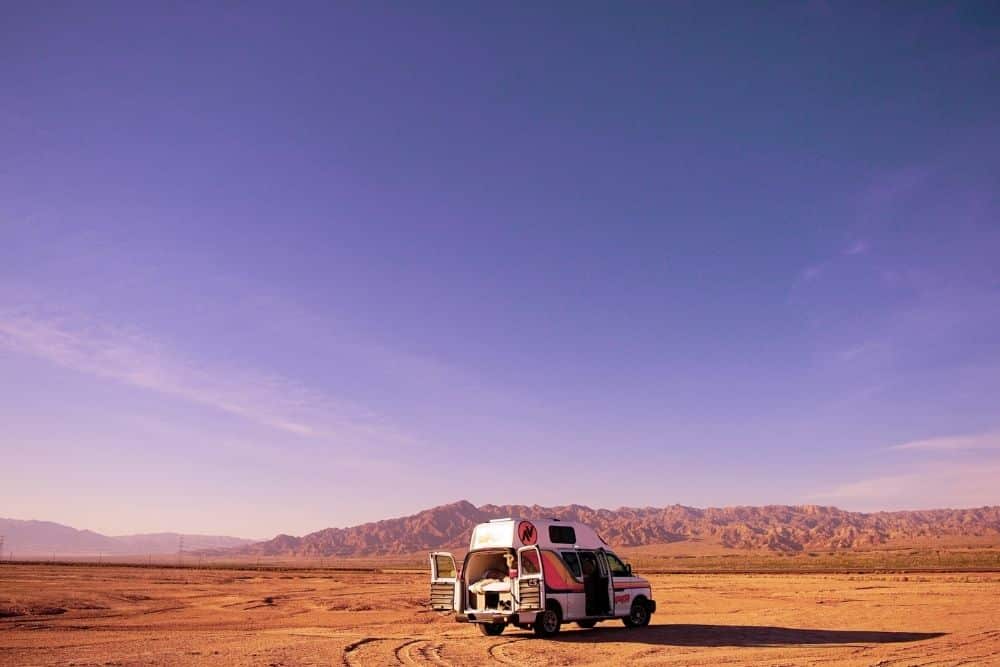
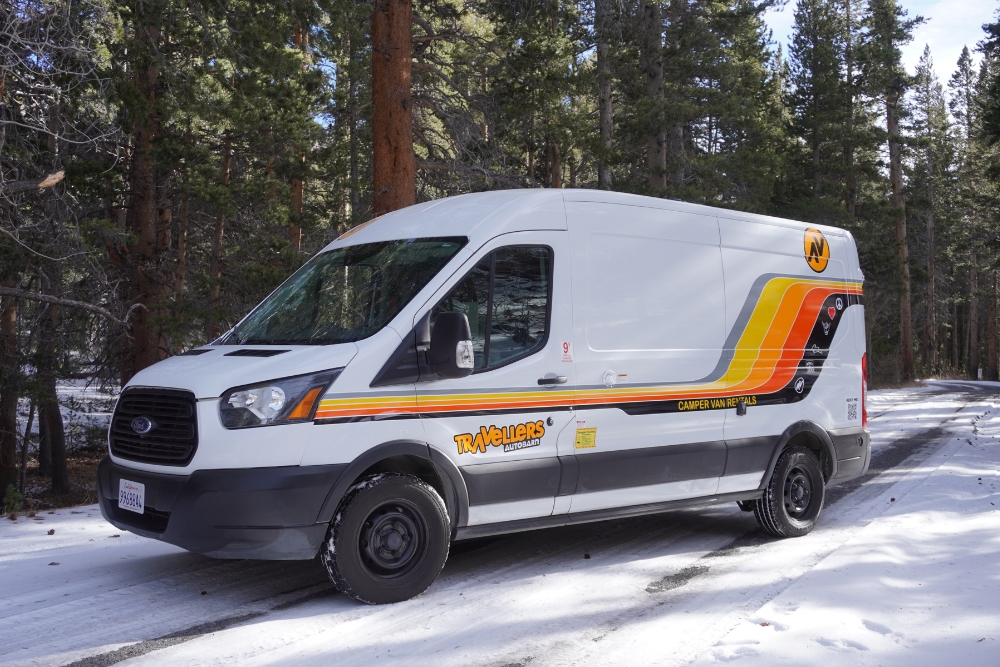
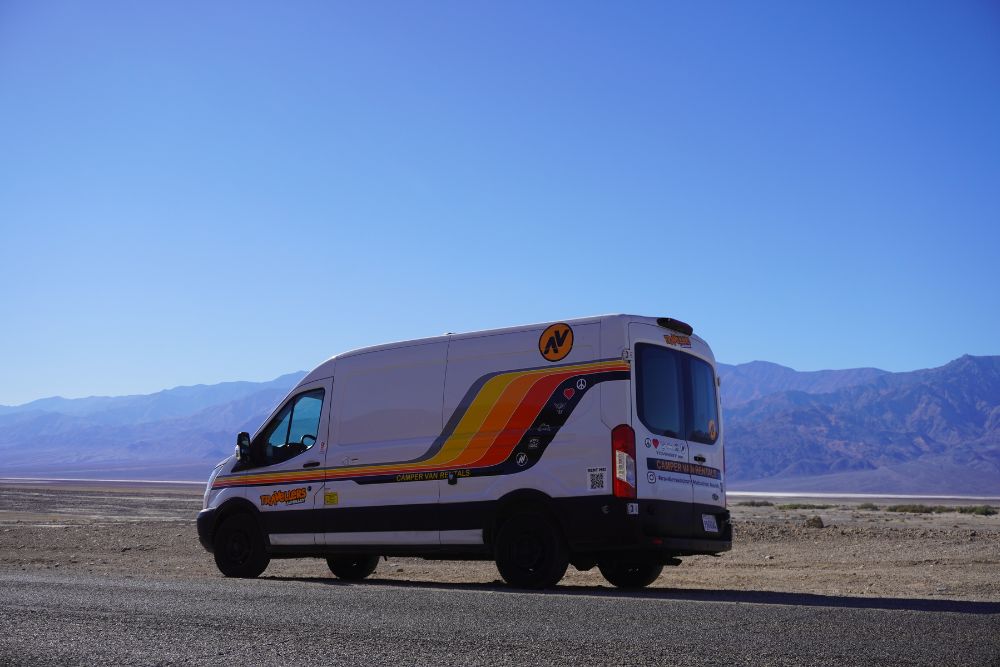
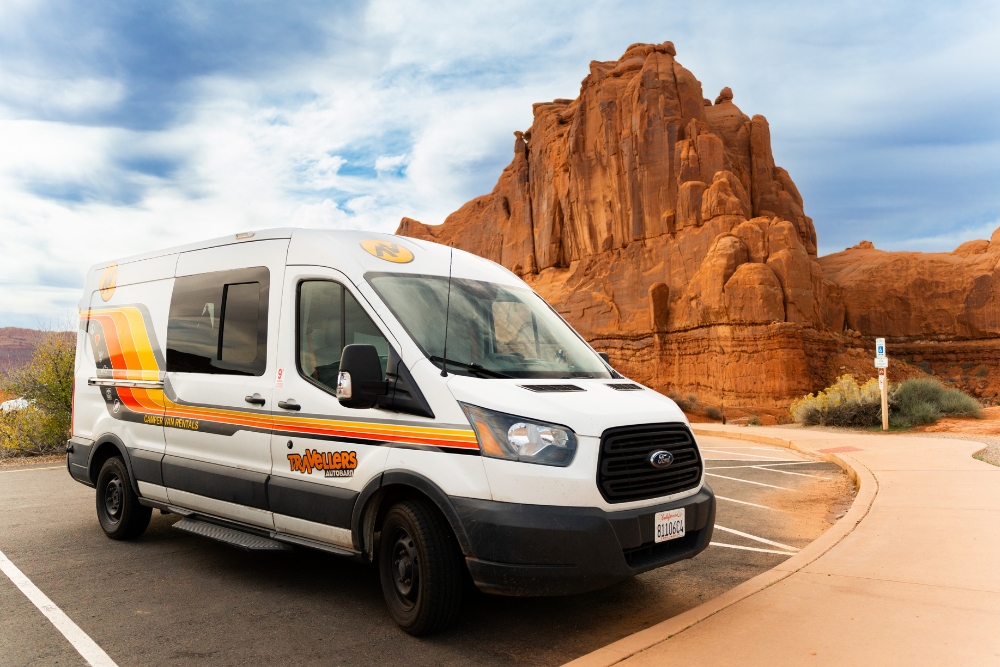
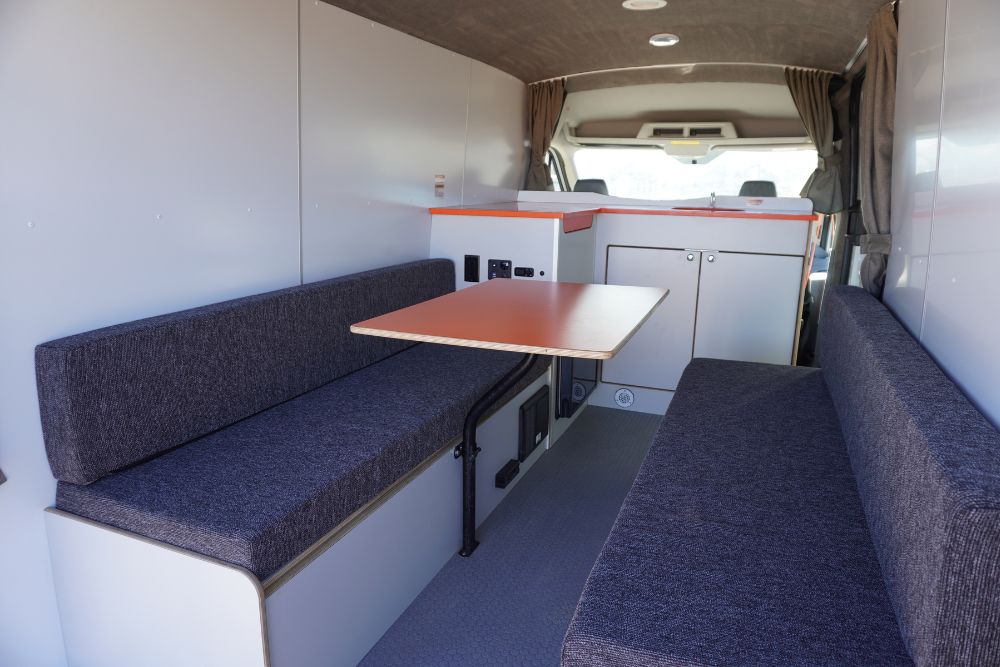
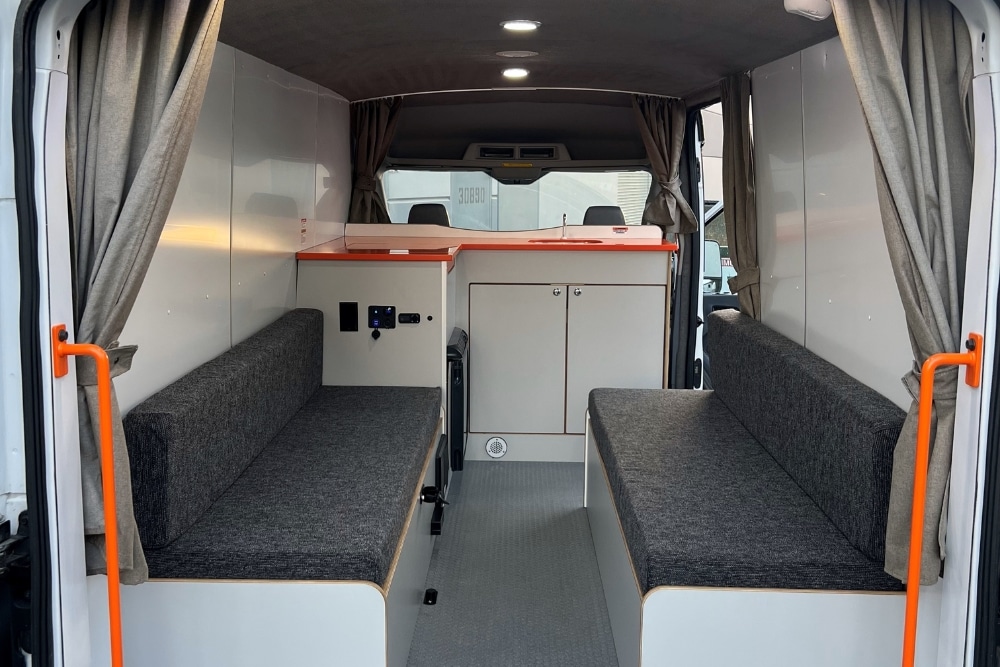
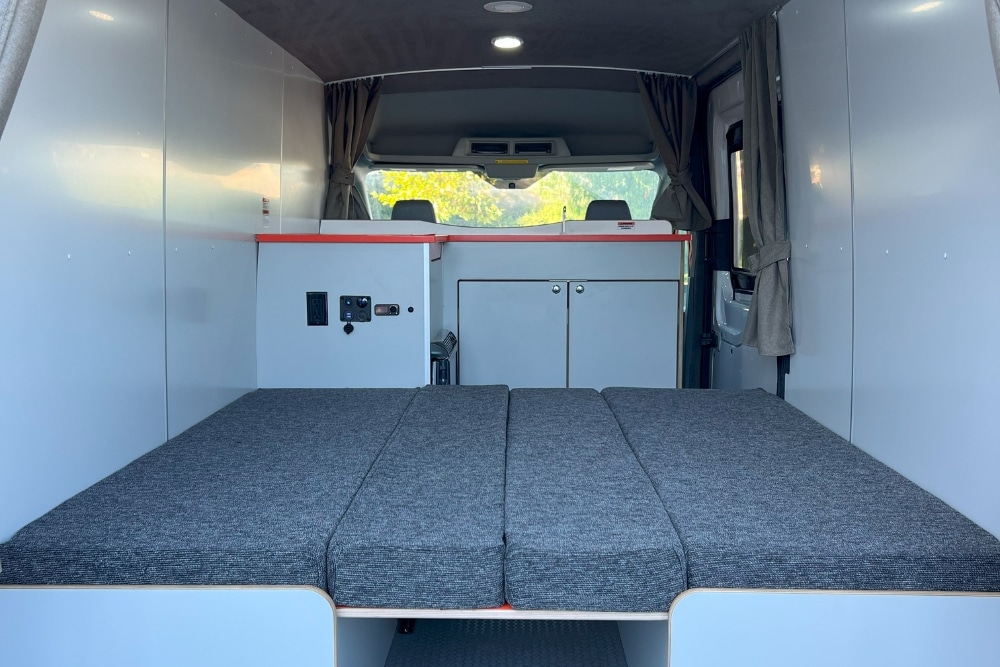
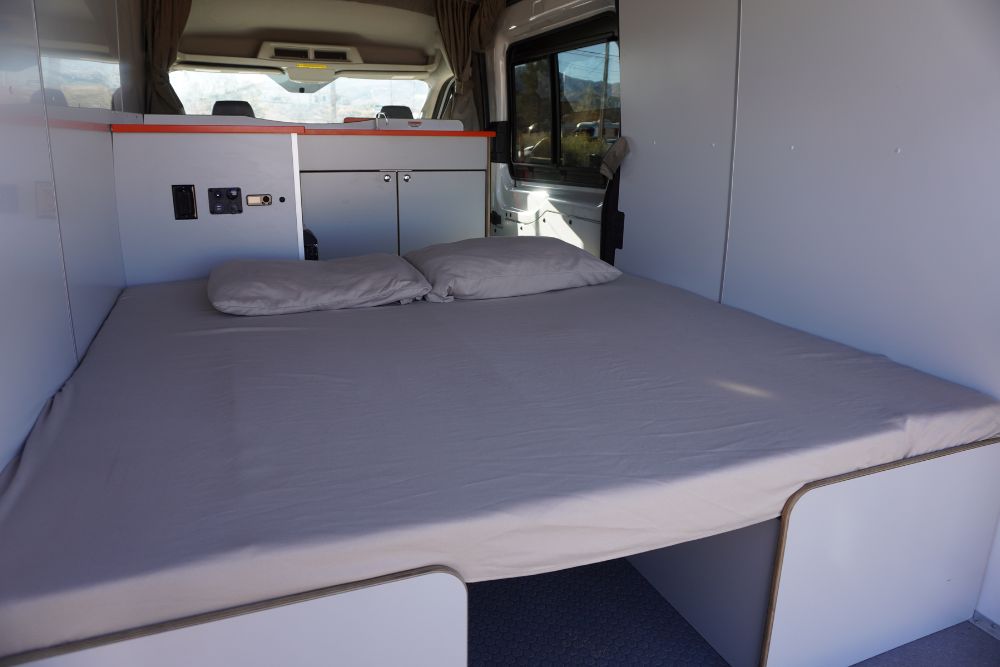
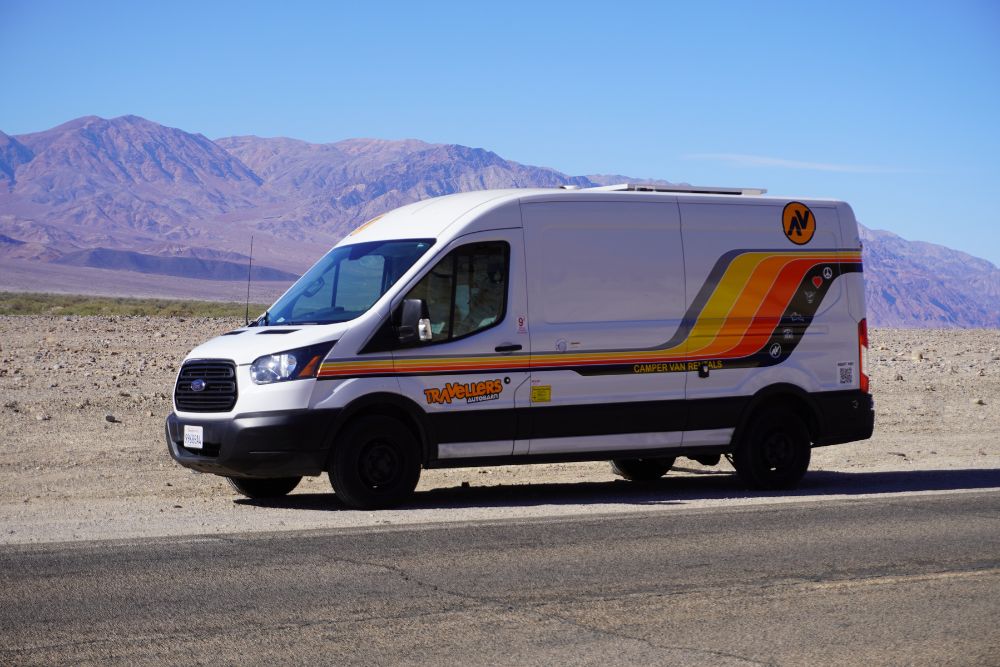
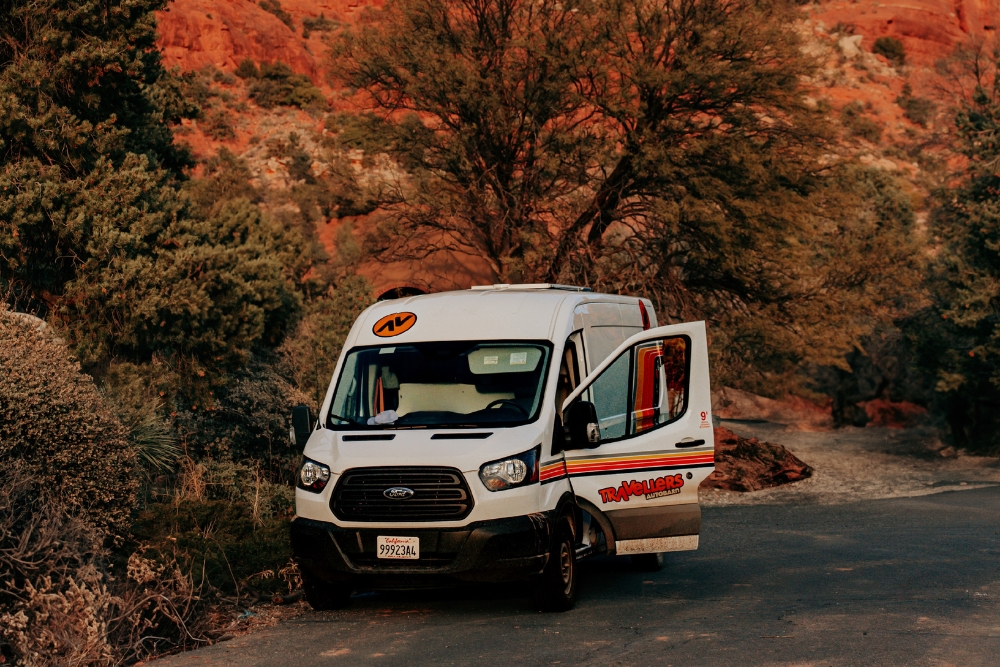
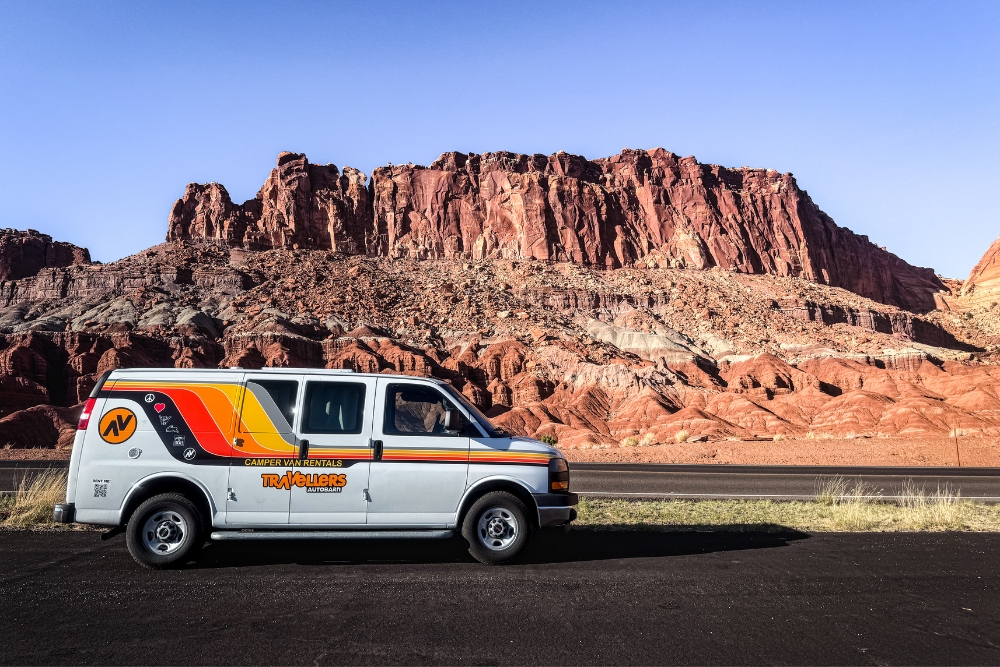
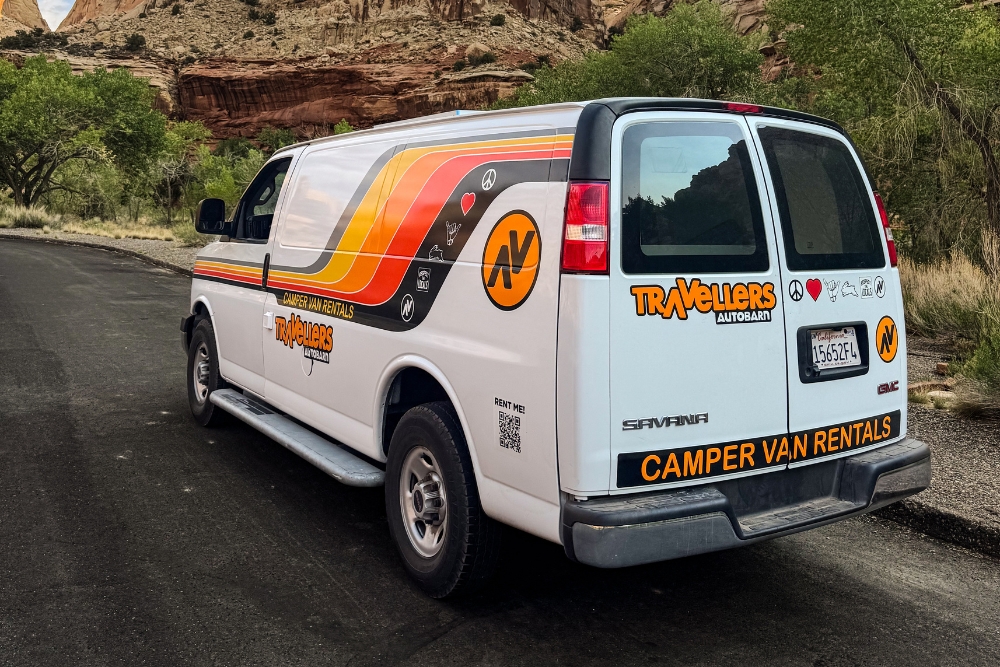
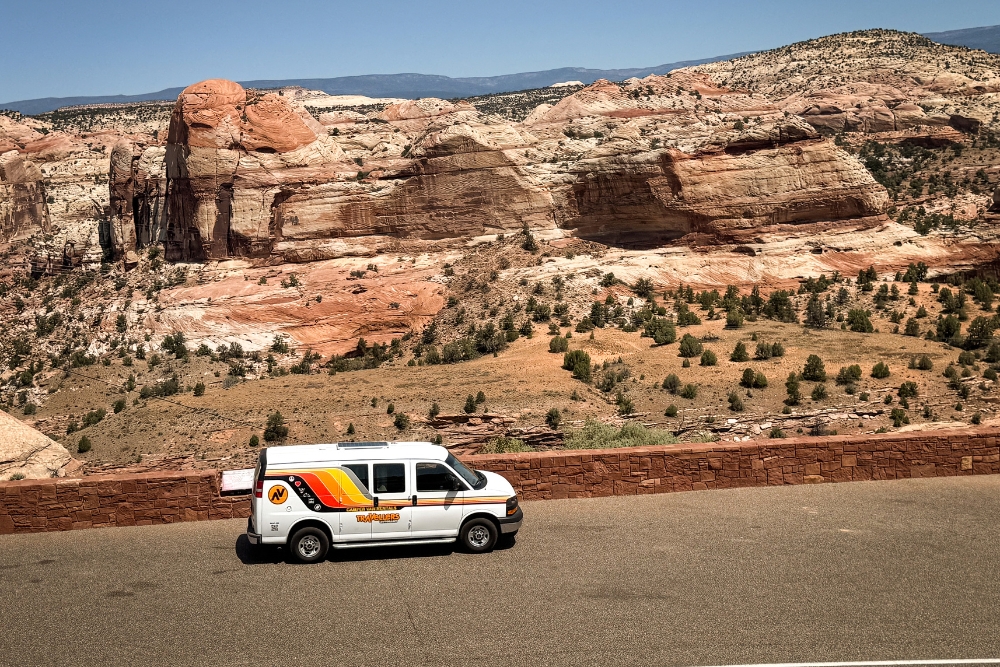
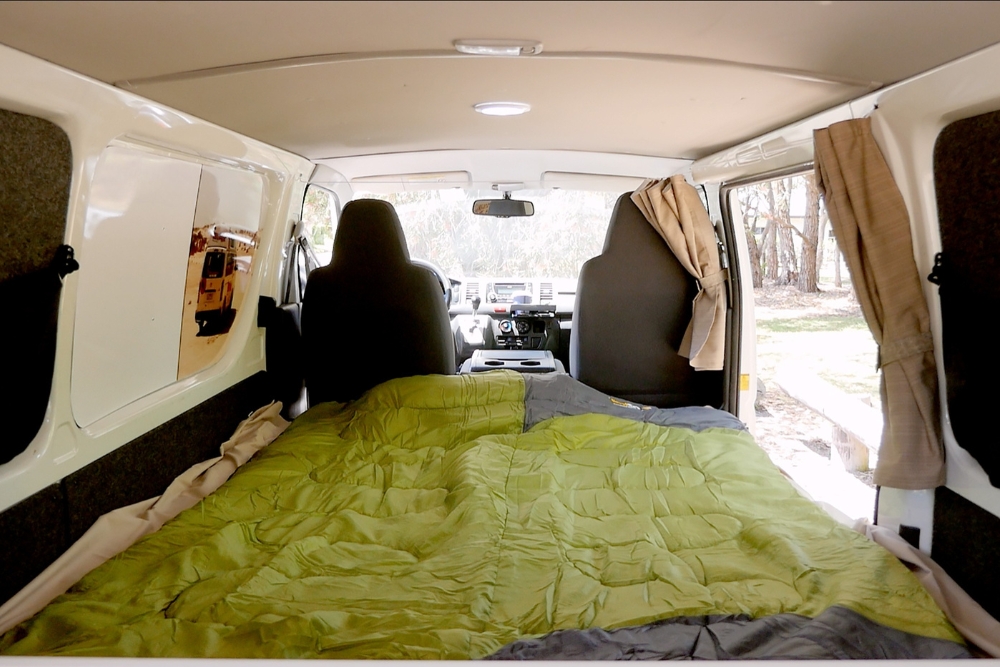
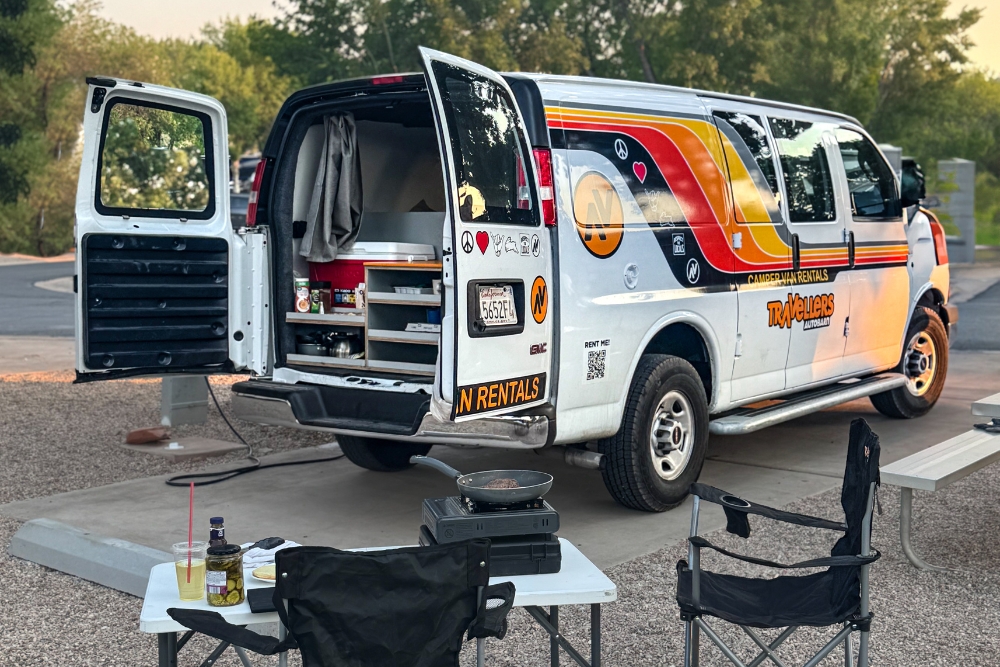
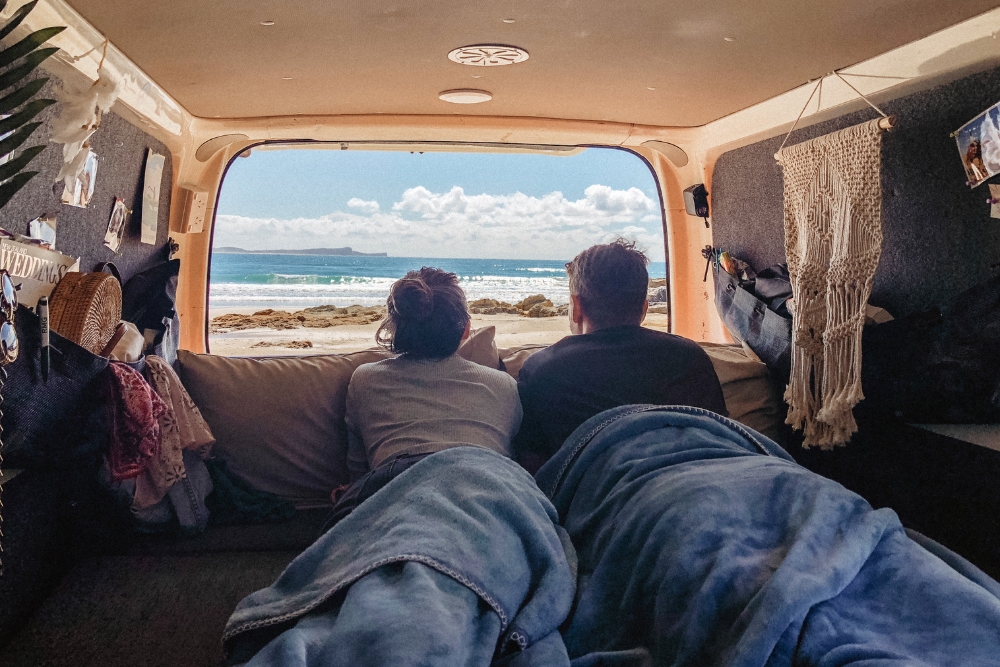
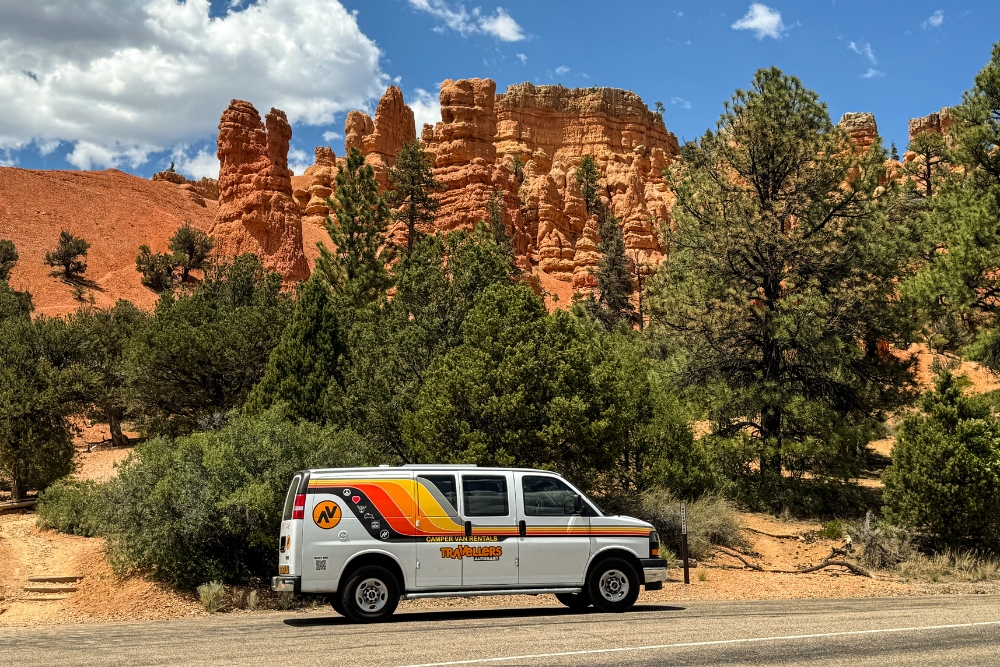
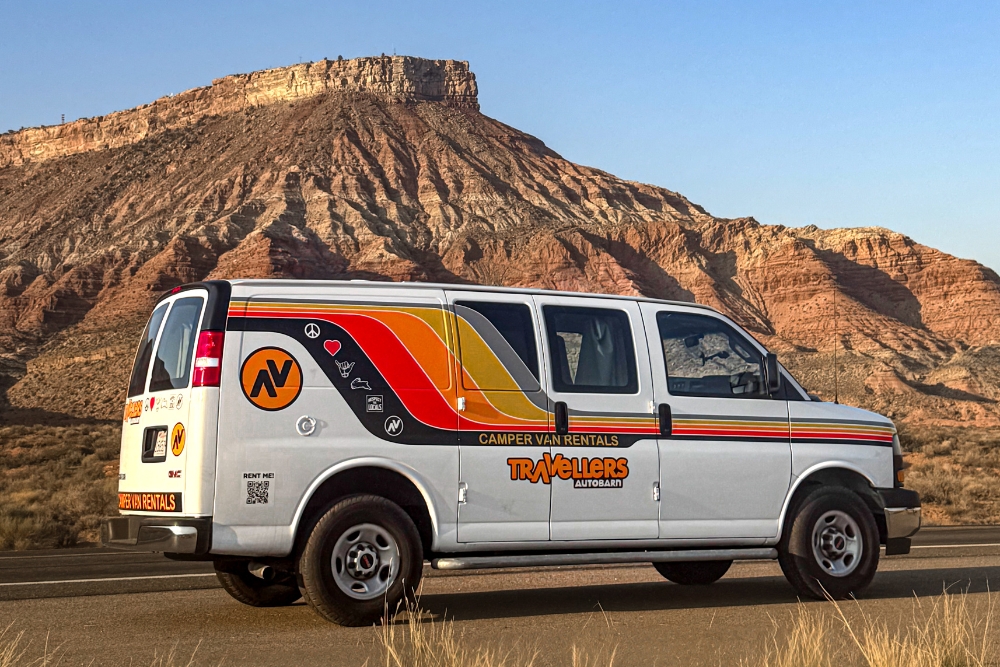
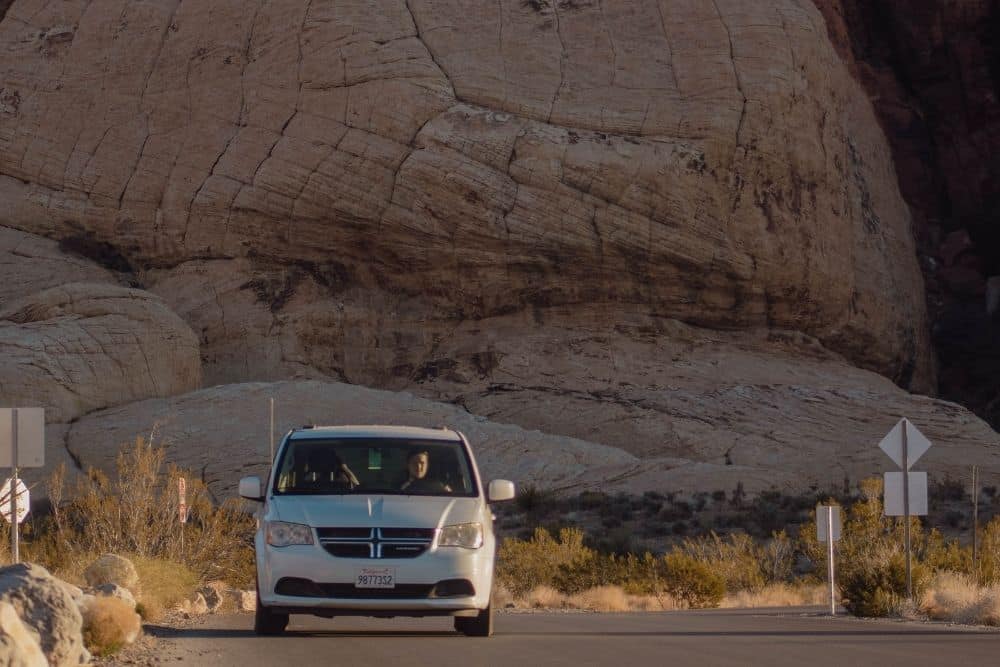
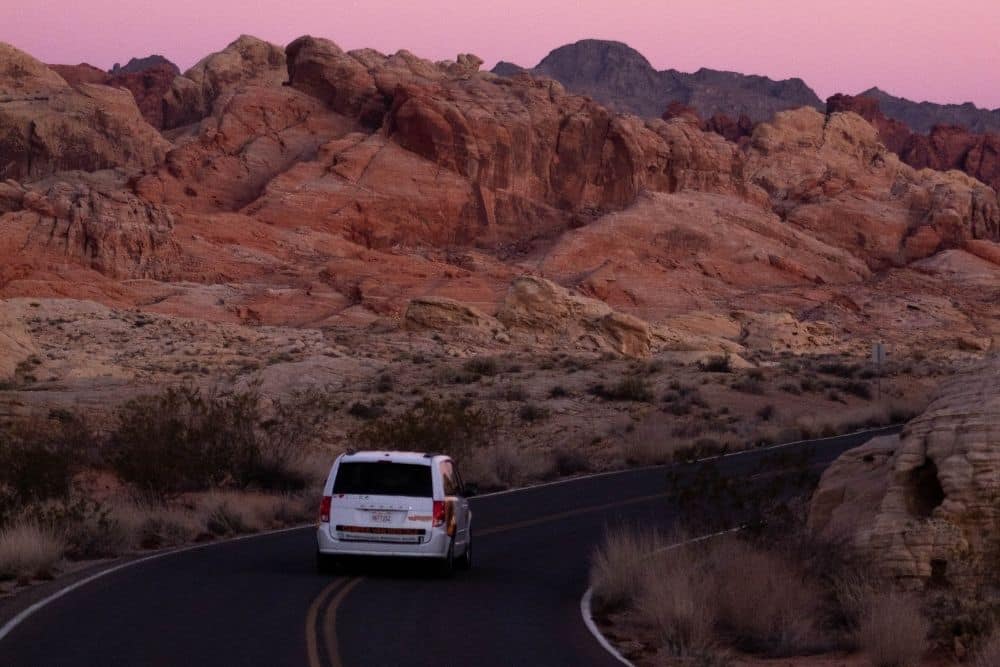
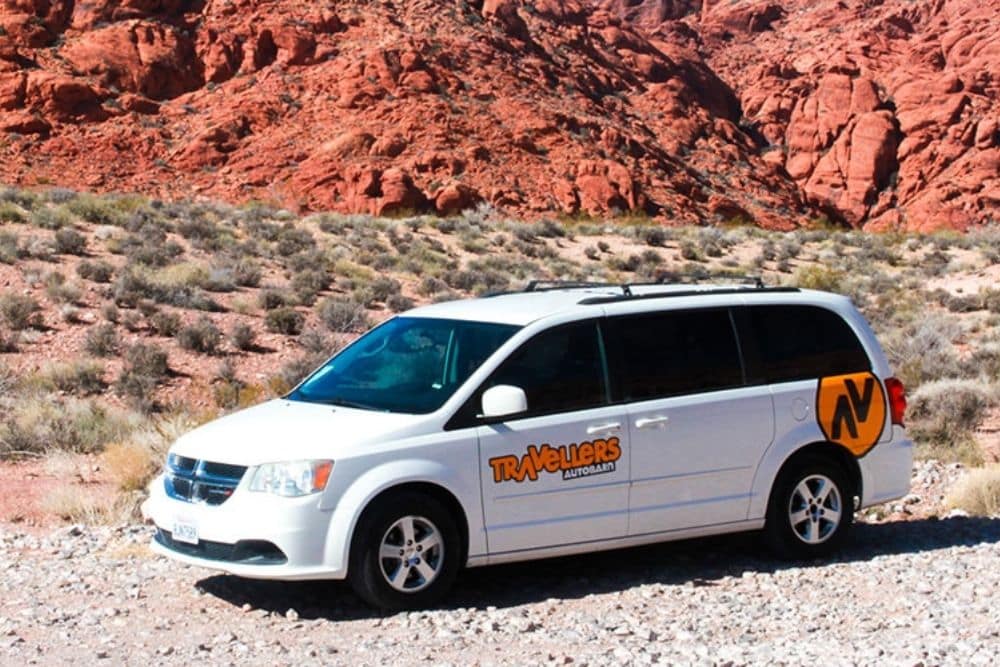
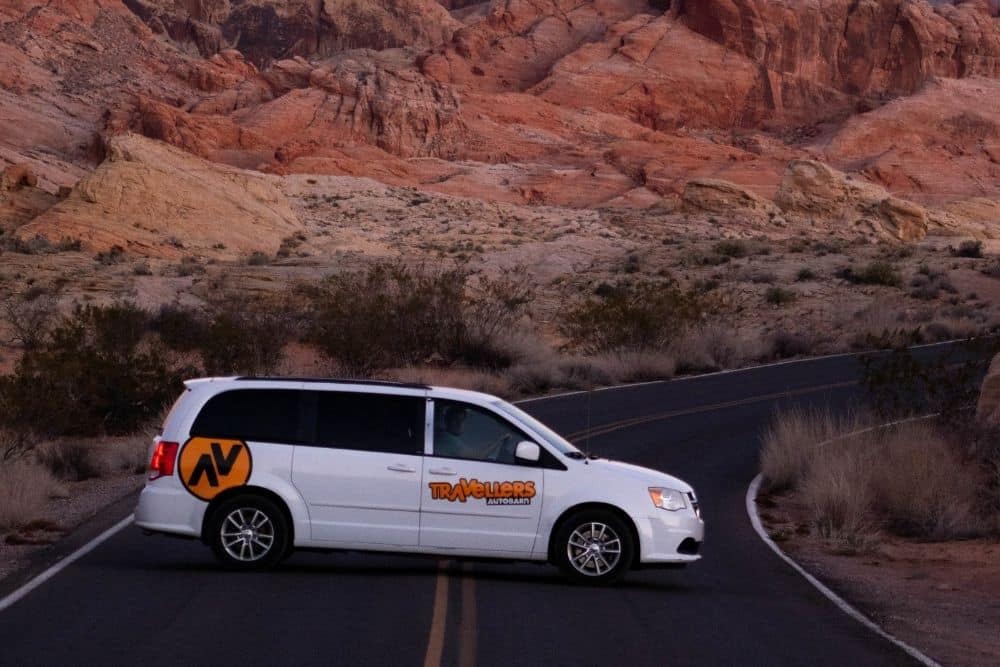
The best way to experience everything this stretch is beloved for is to take your time and set your own agenda. Hiring a campervan is one way to make sure you don’t miss the highlight reel of such an unforgettable journey.
Why hiring a campervan from San Francisco is a great hire – expert advice
“While the drive time between San Francisco and Monterey isn’t much, what’s in between certainly has plenty to offer. You can easily turn a two-hour drive into a two-day one – or more! By doing this trip in a campervan, you have the freedom to really stretch it out and make sure you don’t miss a moment of this legendary coastline.” – Harrison Greig, Social Media and Marketing Content Manager


Half Moon Bay
Distance from San Francisco: 29 miles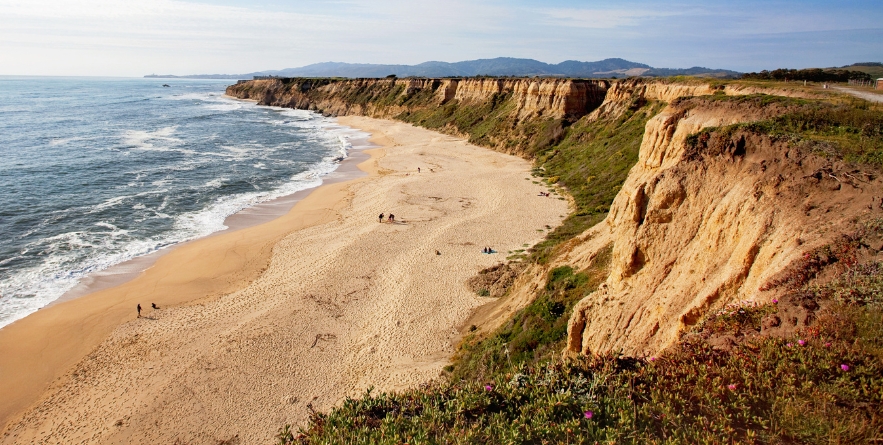
Just 40 minutes south of San Francisco along the coastal Highway 1 will land you at the sandy sweeps of beach at Half Moon Bay. On this four-mile sandy stretch, the vibe is chilled and the mood is set for coastal relaxation. There are four beaches to choose from – Francis, Venice, Dunes and Roosevelt, all ideal for surfing, swimming and walking the coastside trail, which hugs them all.
Just north of the town, you’ll find the famous surf break of Mavericks off Pillar Point. It’s worth a walk out to the harbour to take a look at the break from the headland, even if the waves are calm.
When you’ve had enough of watching the waves, head to downtown Half Moon Bay to wander the local galleries, grab a treat from Moonside Bakery & Cafe, and enjoy the laidback coastal rhythm.
Or take a short detour inland to explore the redwood trails lined with ferns at Purisima Creek Redwoods Open Preserve. It’s a great spot to stretch your legs before hitting the road again. But if you feel that there’s too much to hold you attention here, spend the night at Francis Beach Campground (Half Moon Bay State Beach), where you’ll find quarter-operated hot showers. Book via ReserveCalifornia.
Pescadero & Pigeon Point Lighthouse
Distance from San Francisco: 46.3 miles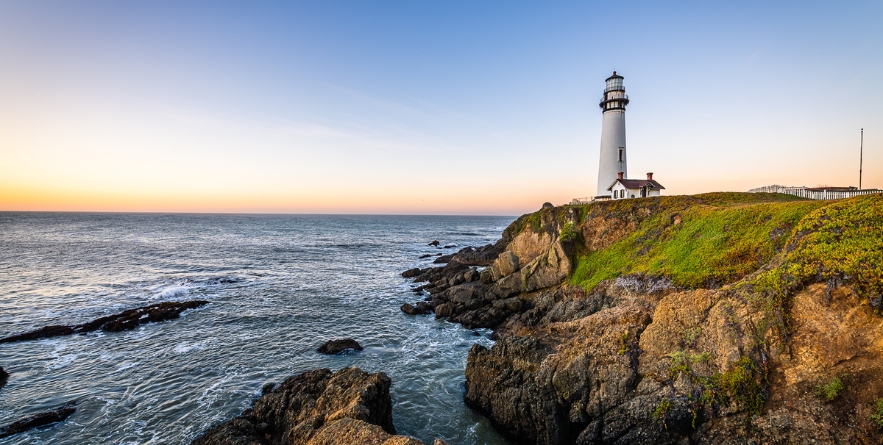
Photography enthusiasts should have their lenses at-the-ready when stopping at pretty Pescadero in San Mateo County. Just 14 miles south of Half Moon Bay, this bucolic farming community blends coastal charms with agrarian sensibilities. But while it is a gem in itself, there’s no denying the pin-up site here is the Pigeon Point Light Station. One of the tallest lighthouses on the West Coast, this 115-foot monolith has been shining since 1872.
Take a walk along Pescadero State Beach & Marsh, where you might be lucky enough to spot endemic species in the wetlands and dunes, including the threatened Western Snowy Plovers during the winter months.
Año Nuevo State Park
Distance from San Francisco: 56 miles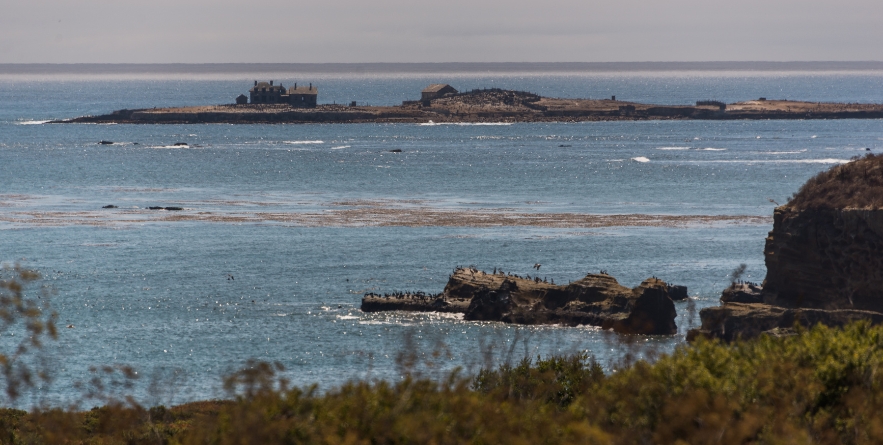
Animal lovers can’t miss stopping at the breathtaking Año Nuevo, the primary mainland breeding ground for northern elephant seals. Between December and March, thousands descend on the beaches with visitors able to view them on a guided walk.
Outside seal season, the wetland marshes, dune fields and coastal scrub are just as magnetic, and the area is also a favorite with birders on account of it being on a major migratory route. From the mainland, you can also glimpse the remains of the Año Nuevo Island Light Station on the offshore Año Nuevo Island, an inaccessible protected breeding site for elephant seals and sea lions.
While Butano State Park was once a popular spot to camp nearby, the site is currently closed indefinitely. The Costanoa Campground is your closest bet. Otherwise, carry on southwards for 35 miles to Santa Cruz and check into the KOA.
Santa Cruz
Distance from San Francisco: 77 miles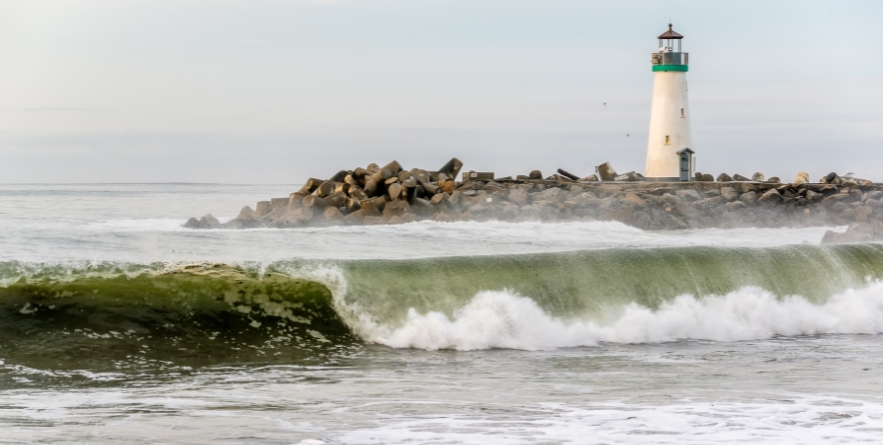
Iconic Santa Cruz is a city-sized stop with real character. Here you’ll discover a blend of surf culture, university town energy, and boardwalk nostalgia. It’s a good place to resupply, eat well, and spend an afternoon wandering the town before continuing south.
If you’ve never been to Santa Cruz before, it’s practically mandatory that you head directly to the Boardwalk. Family-owned and operated since 1907, this is still the largest, admission-free amusement park in California. If you can handle the adrenaline, the 1924-era wooden Giant Dipper rollercoaster is one for the memory banks.
If you need to recover from all that excitement, head for a relaxed walk or cycle along the 3 mile West Cliff Drive that rewards with enchanting views of Monterey Bay. Or for more forest bathing than ocean gazing, head to Henry Cowell Redwoods State Park. Set in the mountains 20 minutes north of town, take the short loop trail through old-growth redwoods.
A good campground option for beachside digs is in Capitola, just south of Santa Cruz at New Brighton State Beach Campground. If you spend the night here, you’ll wake up ready to explore your next stop, Capitola.
Capitola & Natural Bridges State Beach
Distance from San Francisco: 83 miles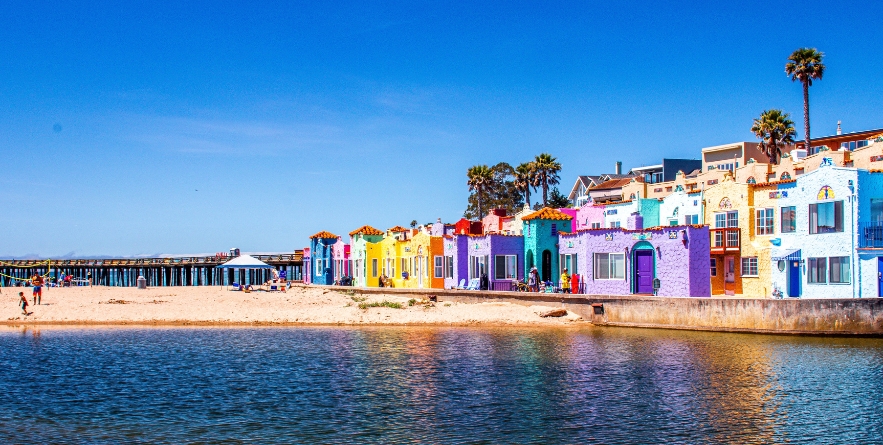
The Monterey Bay beach village of Capitola is set beside the mouth of a small cove, which is edged by colorful buildings that have no doubt featured on many an Instagram reel. Capitola Beach itself is a sheltered, family-friendly spot for a swim right at the end of the village. So it’s easy to have a shop and a quick swim if you’re pressed for time.
But it’s worth staying on to explore Natural Bridges State Beach. Apart from it’s natural sea arch, it also offers calm swimming conditions, tide pools and the park’s Monarch Grove is home to thousands of Monarch butterflies that roost in the eucalyptus trees between mid-October and mid-February.
A little more than three miles south of Capitola, it’s worth stopping at Seacliff State Beach to take in the sight of the deliberately breeched SS Palo Alto, which protrudes from the blue just offshore. Deemed too slow for use, the concrete ship was sunk in 1929 with the intent to turn it into an entertainment venue. After that failed and it was damaged in a storm, it was declared unsafe and now simply serves the purpose of being a point of interest.
You could add another night at New Brighton State Beach Campground.
Monterey & Cannery Row
Distance from San Francisco: 113 miles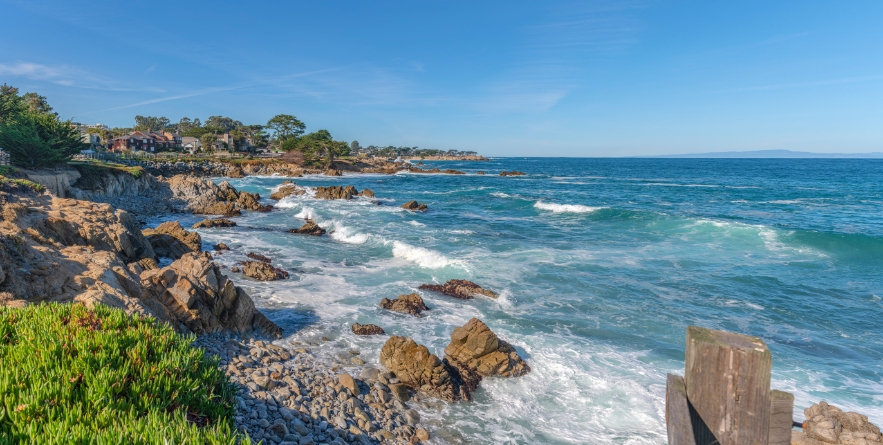
Undoubtedly, the biggest tourist drawcard at Monterey is the incredible aquarium, but that’s just a single stitch in a town that’s woven with experiences on and off the coast. Dubbed the ‘Grand Canyon of the ocean’, the protected Monterey Bay National Marine Sanctuary encompasses 14 marine areas home to 36 species of marine mammals, including the magnificent blue whale.
Sitting just 50 minutes south of Santa Cruz, Monterey is a must-stop town not only for its access to the breathtaking marine life in the bay, but also as a haven for outdoor lovers, offering everything from coastal trails to whale-watching and mountain biking.
While in town, you can’t miss a jaunt along historic Cannery Row, where you’ll find restaurants, boutiques and hotels housed in former sardine canning buildings. Strolling Fisherman’s Wharf is also worth time in your itinerary, even if it’s just to bookend a whale watching adventure or a sail around the bay, both of which you can join from the wharf. You’ll find both Cannery Row and Fisherman’s Bay along the Monterey Bay Coastal Recreation Trail, a paved path that hugs the waterfront for 18 miles.
Park it for the night at Veterans Memorial Campground, a city-run campground tucked into forest just one mile from downtown Monterey. It’s first-come, first-served here with no reservations. Arrive early on weekends.
Pacific Grove & Lovers Point
Distance from San Francisco: 114 miles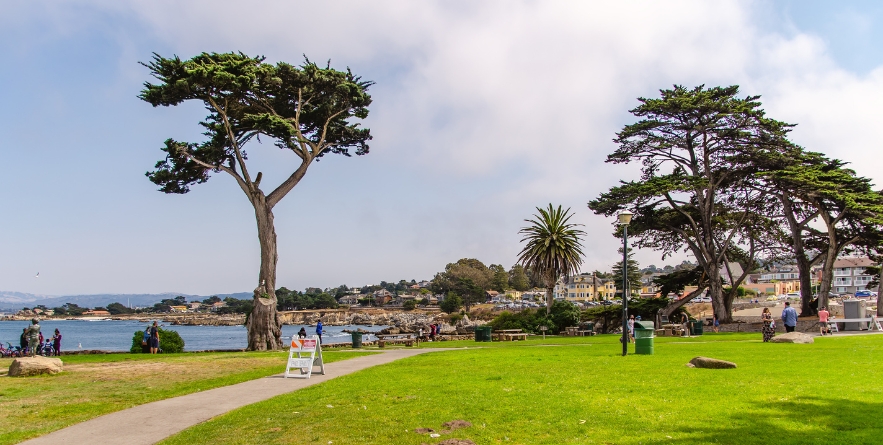
Idyllic, waterside and with charming small town vibes, Pacific Grove is only a short hop from Monterey, but is well worth a quick stop or a short detour. Positioned at the very tip of the Monterey Bay peninsula, it’s a popular place for watching the sun set in a spectrum of soft hues.
Even if you only stay an hour or two, be sure to paddle out in the sheltered waters of Lovers Point and picnic in the immaculately maintained park. While you’re here, add another lighthouse to your road trip collection with a visit to the Point Pinos Lighthouse, which has been in service since 1855.
17-Mile Drive & Pebble Beach
Distance from San Francisco: 114 miles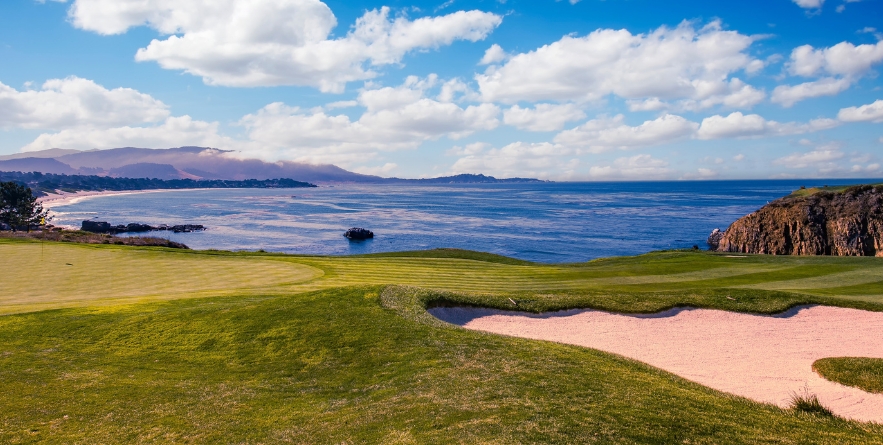
Captivating at every bend, 17-Mile Drive is a scenic ribbon of road that unravels along the Pacific Coast between Pacific Grove and Pebble Beach. It will cost a small fee of $12.50 per vehicle, but you’ll have zero qualms with that as the drive reveals impossibly clear waters, pristine curves of beach and enchanting forests. Whip out your camera along the way as you pass truly breathtaking icons, such as the theatrical silhouette of Lone Cyprus, inspiring Crocker Grove and Spanish Bay. Keep in mind, the gates of the drive are only open between sunrise and sunset.
Carmel-by-the-Sea & Point Lobos
Distance from San Francisco: 117 miles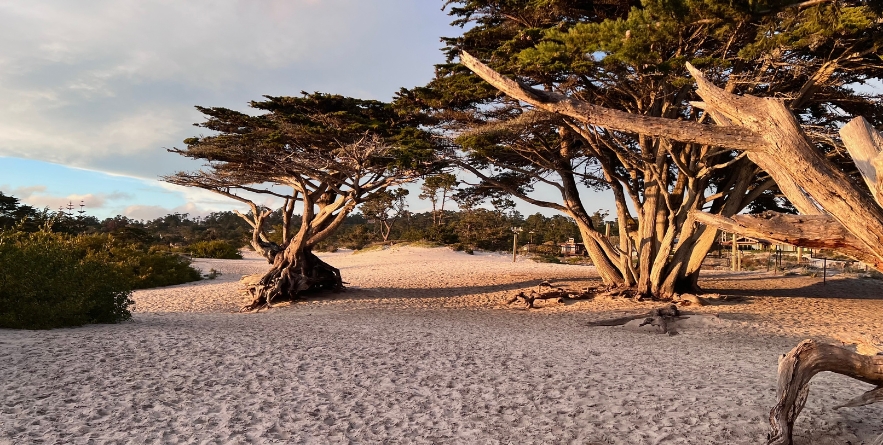
The sort of town that has you seriously considering a seachange, Carmel-by-the-Sea is set on the Monterey Peninsula and is all storybook beauty and coastal loveliness. Full of galleries, adorable cottages and passageways that lead to delightful discoveries, this town is the perfect end point to your San Fran to Monterey drive.
It’s worth spending a day here to truly absorb the town’s charisma and natural beauty. Carmel Beach is a popular stretch of white sand that glows with iridescent sweeps of light come sunset. It sits at the end of Ocean Avenue, a strip lined with pretty shopfronts, galleries and eateries.
After exploring the township, be sure to allocate plenty of time to Point Lobos Nature State Reserve. Home to sea lions, seals and otters, as well as an extraordinary array of birdlife and other wildlife, this park sits at the collision of land and sea and offers plentiful hikes and dive sites.
Of course, no trip is complete without a visit to the 1771, Carmel Mission Basilica – one of the most beautiful of California’s 21 missions and the site from which the town takes its name.
Saddle Mountain Carmel is set on 89 acres of forest off Carmel Valley Road. Find campervan sites hemmed by oaks, Monterey pines, and redwoods. There’s also a seasonal pool, dry sauna and trail heads on site.
How long does the San Francisco to Monterey drive take?
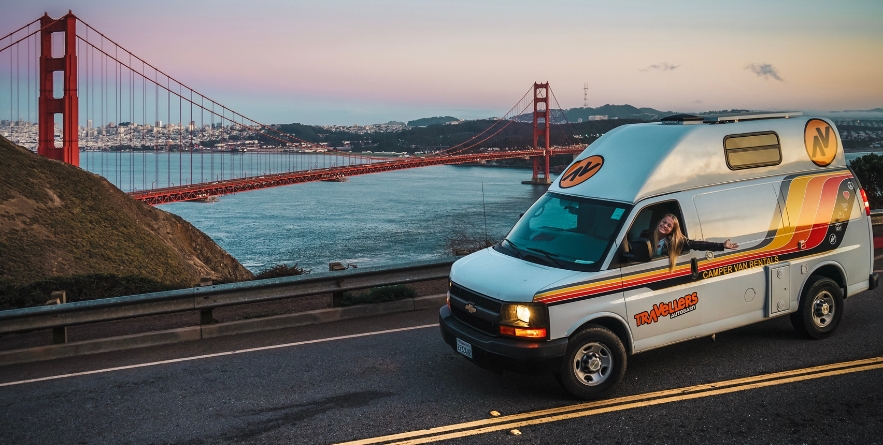
This all depends on how long you would like it to take. Of course, you can get there directly in just under two hours, but this bypasses all the idyllic coastal hamlets along the way. There’s enough to do here to keep you meandering down the coast for five relaxed days, but if you’re stretched for time, a three-day itinerary will do the drive justice. But… then there’s Big Sur to consider.
Extending your trip: heading south into Big Sur
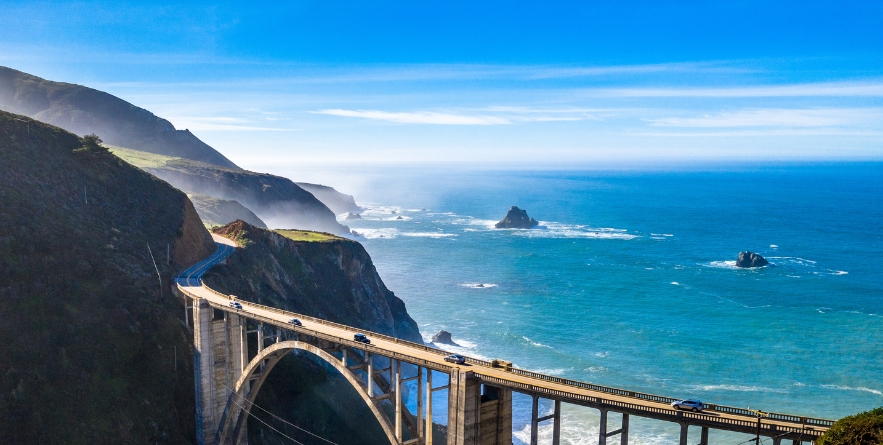
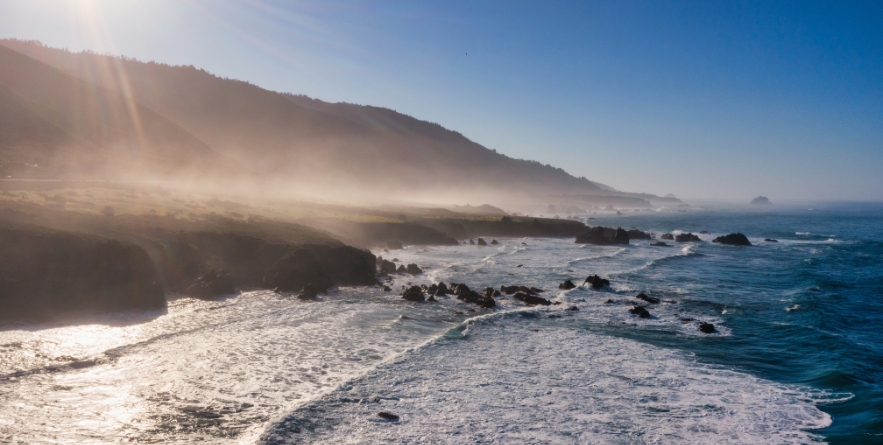
Carmel and Point Lobos make a logical bookend to this truly scenic drive, however, the iconic Big Sur is tantalising close, beginning just south of Carmel. From there, the next 91 miles to San Simeon offers some of the most dramatic coastal highway anywhere on the planet. That stretch forms the middle of the wider Highway 1 California road trip that runs from San Francisco down toward Southern California. It’s worth building an extra day or two into your itinerary to travel this stunning ribbon of road. Still, if you’re pressed for time, that stretch is only 2 hours and 20 minutes along Highway 1.
Top 5 San Francisco to Monterey road-trip tips
1. If you’re doing this road trip as a loop in a single day or with just a one-night stay in Monterey, drive south on Highway 1 and return on US-101. You’ll see all the coast heading down and save time heading back.
2. Avoid summer mornings. Along the route a coastal fog – dubbed the June Gloom – descends on summer mornings, but has usually burned off by the afternoon.
3. Book campgrounds well in advance. Francis Beach and New Brighton State Beach fill months ahead for summer weekends. Use ReserveCalifornia.com and check in frequently for cancellations.
4. Check Highway 1 conditions before you leave. The coast road is prone to closures, particularly between Carmel and San Simeon, so if you are adding Big Sur to your drive, check the Caltrans QuickMap before heading off.
5. Get cheap campervan hire and free unlimited miles from our San Francisco branch.
Get the Best Rates on Campervan Rentals Across San Francisco
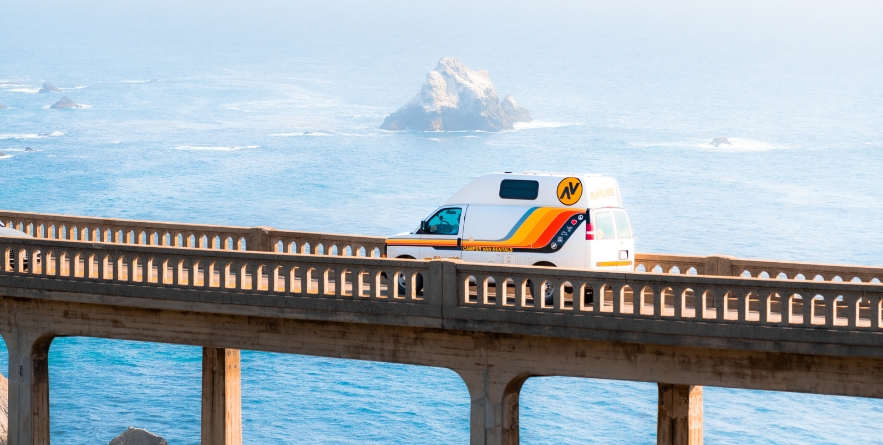
Your San Francisco to Monterey road trip will get off without a hitch when with affordable campervan rentals in San Francisco. Every rental comes with free unlimited miles, allowing you to take your time and enjoy everything this bucket-list adventure has to offer.
Looking for more epic San Francisco road trips? Hit the road with these incredible itineraries:
- San Francisco to Lake Tahoe
- Road Trip: Best Drive Itinerary
- San Francisco to San Diego Road Trip
- San Francisco to Seattle Road Trip
- San Francisco to Portland Road Trip
DISCLAIMER: All information provided, including prices, availability, and site details, is correct at the time of publishing. We recommend contacting campgrounds and RV parks directly to confirm the latest details before planning your visit. Please review our Terms and Conditions for additional information.
FAQs
Driving directly from San Francisco to Monterey will take just under two hours.
For road trippers, Highway 1 (The Pacific Coast Highway) is the clear winner. If you’re short on time, Highway 101 is faster, but keeps you inland for much of the drive, meaning you’ll miss the coastal scenery.
Mostly. After leaving San Francisco the road turns inland through Golden Gate Park before picking up the coast again at Pacifica. North of Santa Cruz the road goes inland again and doesn’t hug Monterey Bay until closer to the city.
Two days is enough for most travelers looking to enjoy the sites along the way, but you can take as long as you like.
Yes, it’s easily doable. You can always take the scenic route to Monterey and return via the faster Highway 101.
For convenience, Veteran’s Memorial Park in Monterey is just one mile from downtown. It’s first-come, first-served with no reservations. Laguna Seca Recreation Area has campsites with views of the Monterey area, and sits about 10 miles inland. Just make sure to only camp in designated spots as Monterey County has increased fines for illegal camping to $1,000.
Yes, especially if you’re traveling with kids. It’s a good idea to book online in advance, arrive at opening, and aim for a weekday visit, if possible.
Spring, late summer, or early fall are your best bets for sunshine and mostly clear skies along the coast. But summer mornings can be foggy, dubbed the ‘June gloom’. September to November is ideal.

Our Campervans
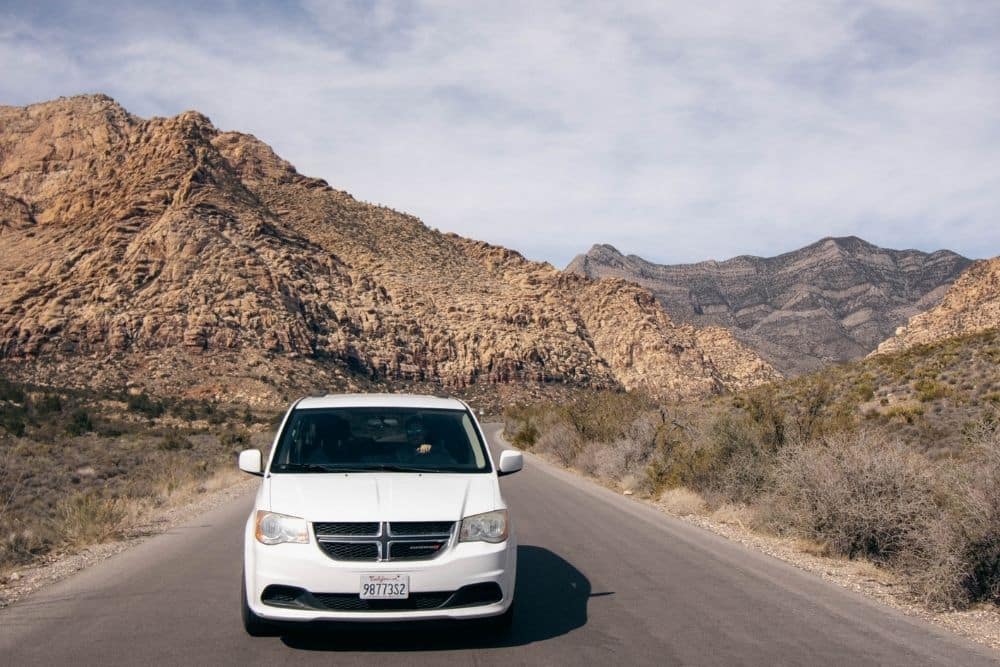
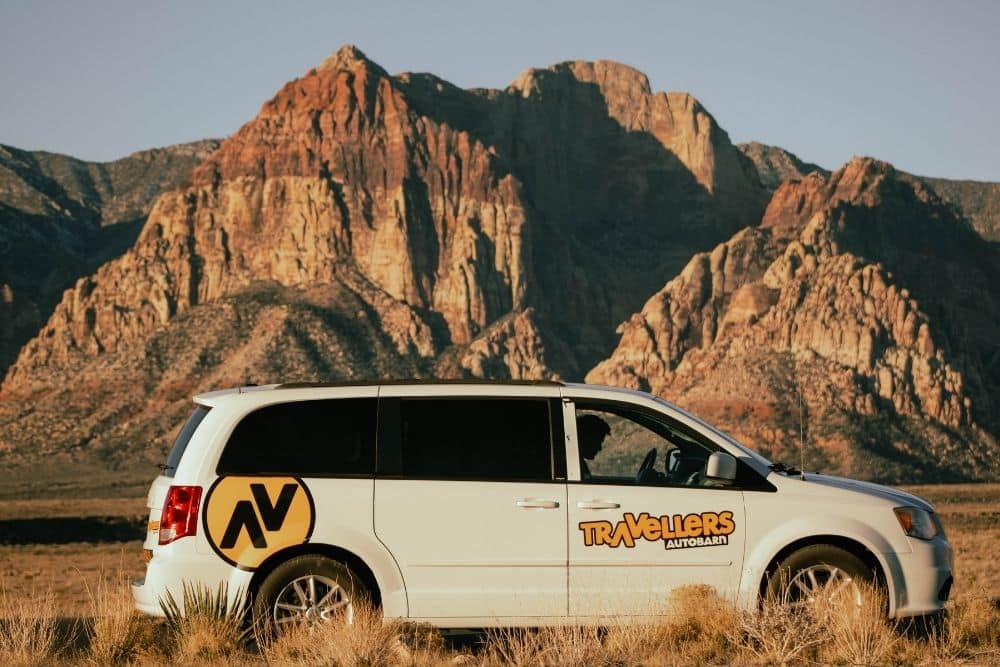
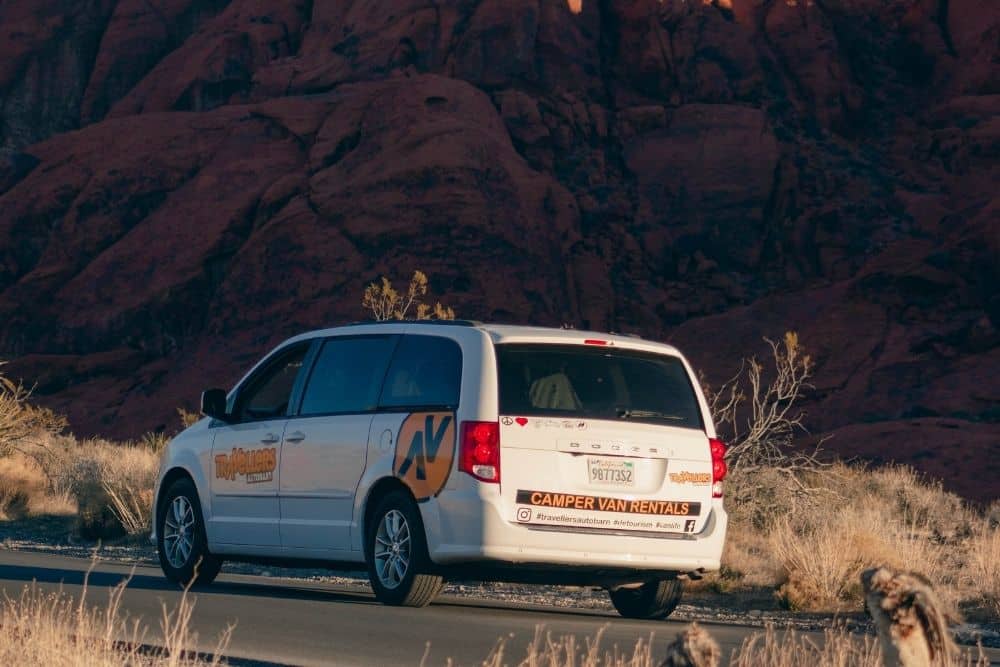
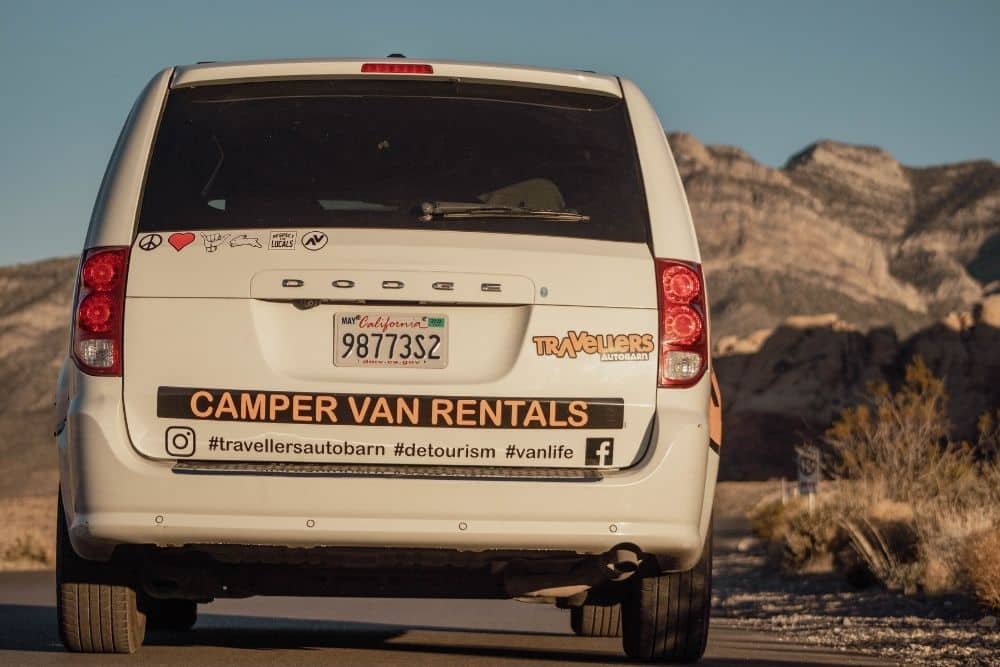
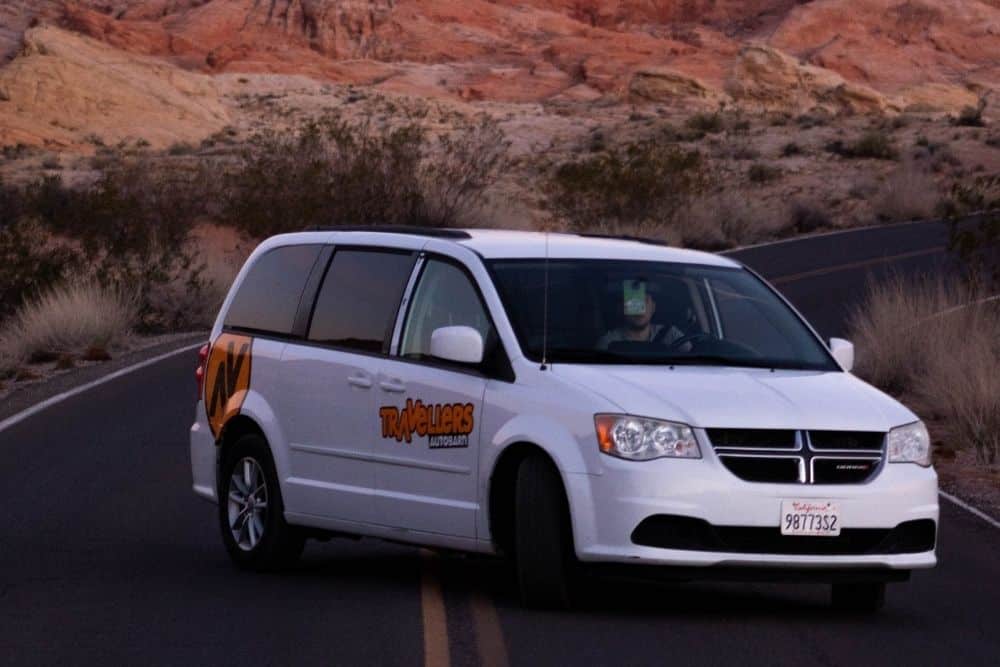
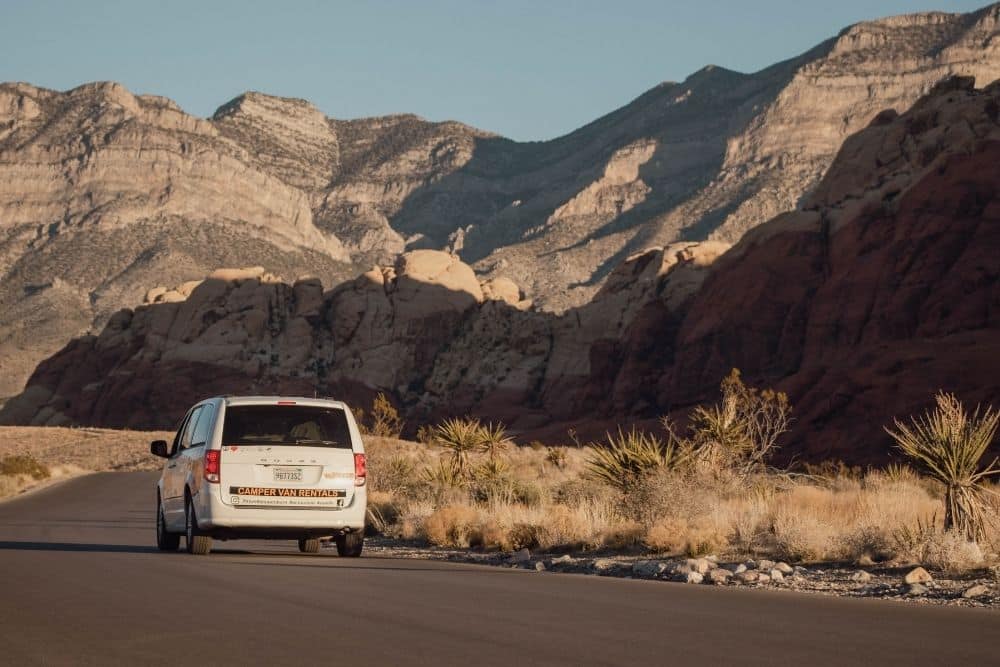
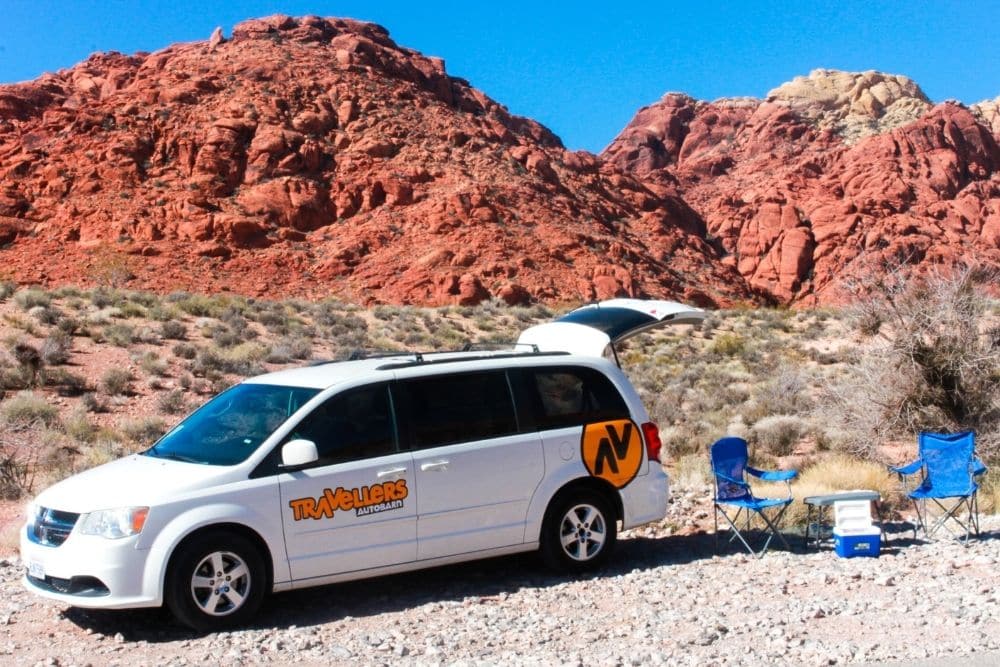
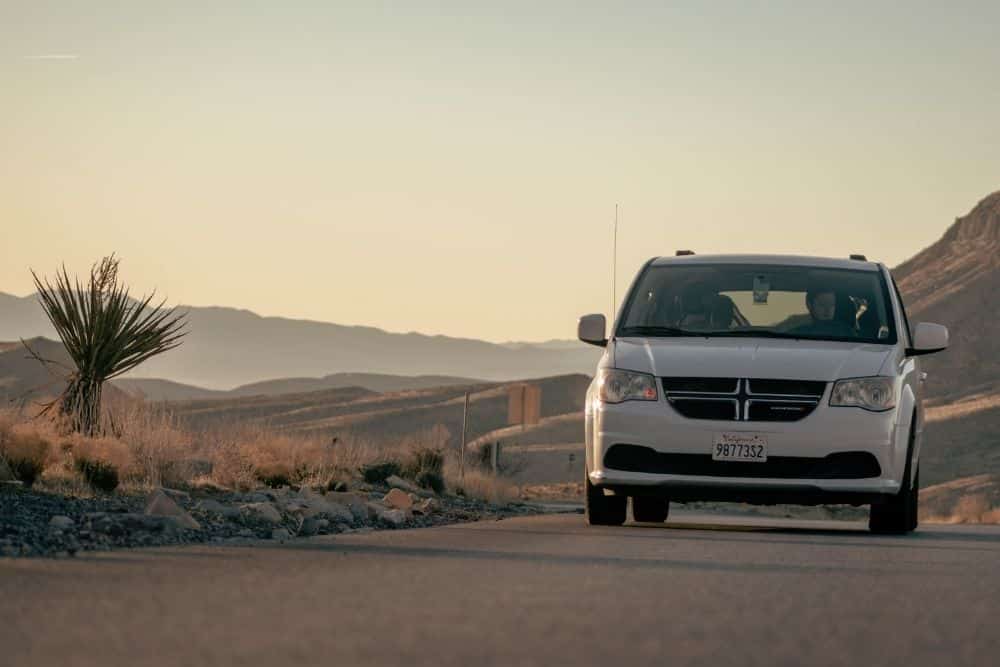

Seats 2-5

Tent Optional

Chairs Optional

Ice Box Optional

Ext. Table Opt.

Gas Cooker Opt.