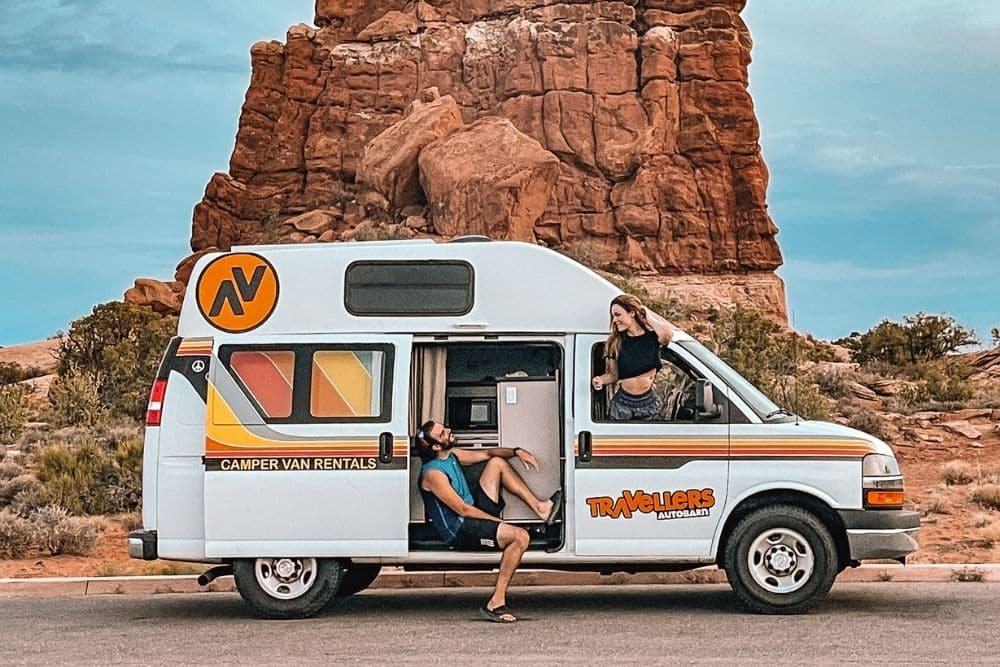
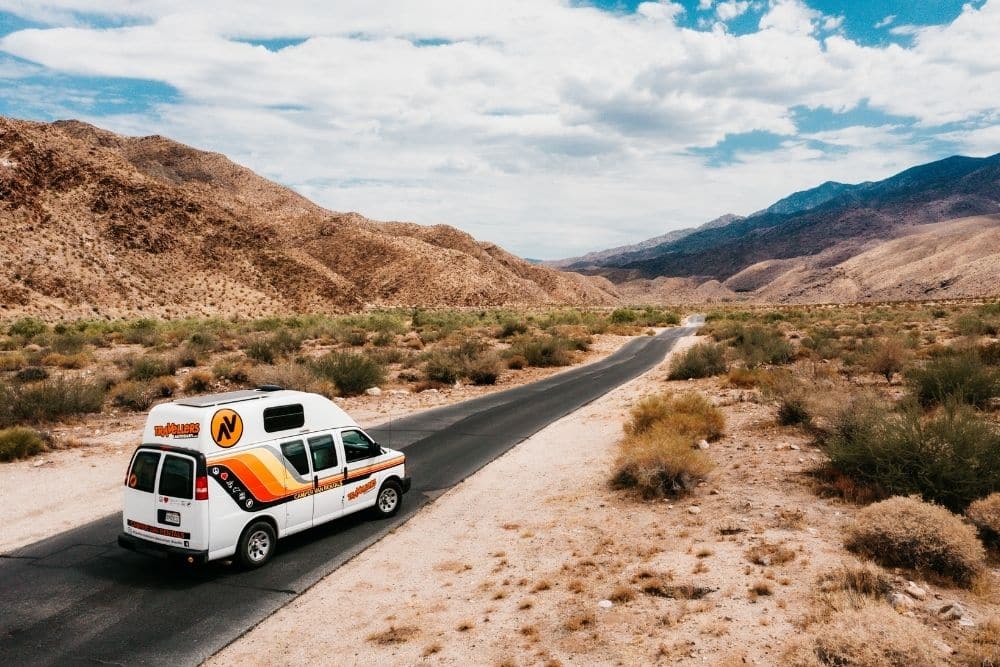
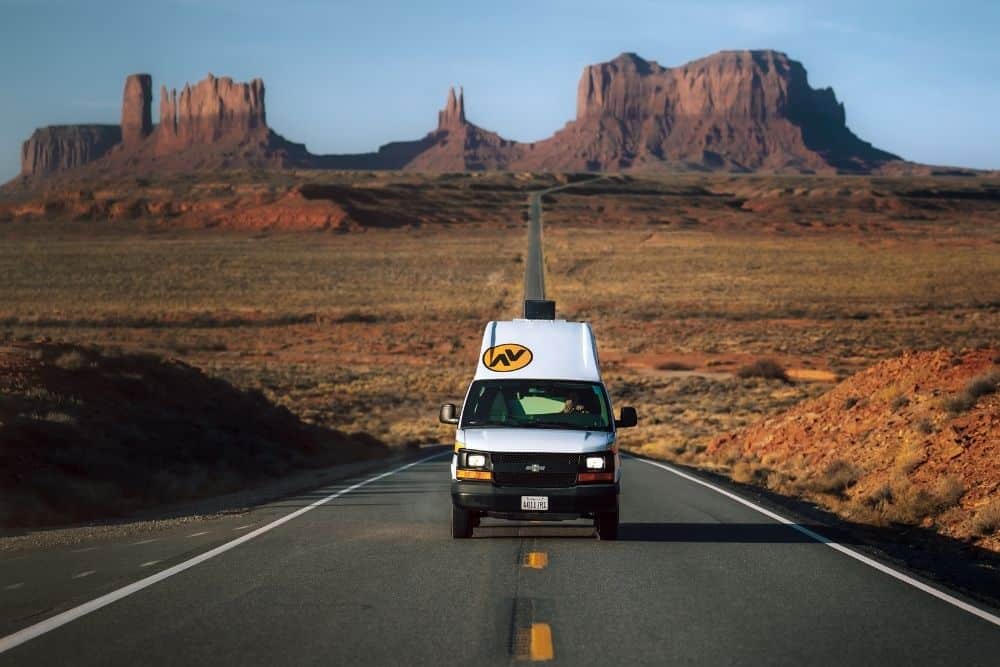
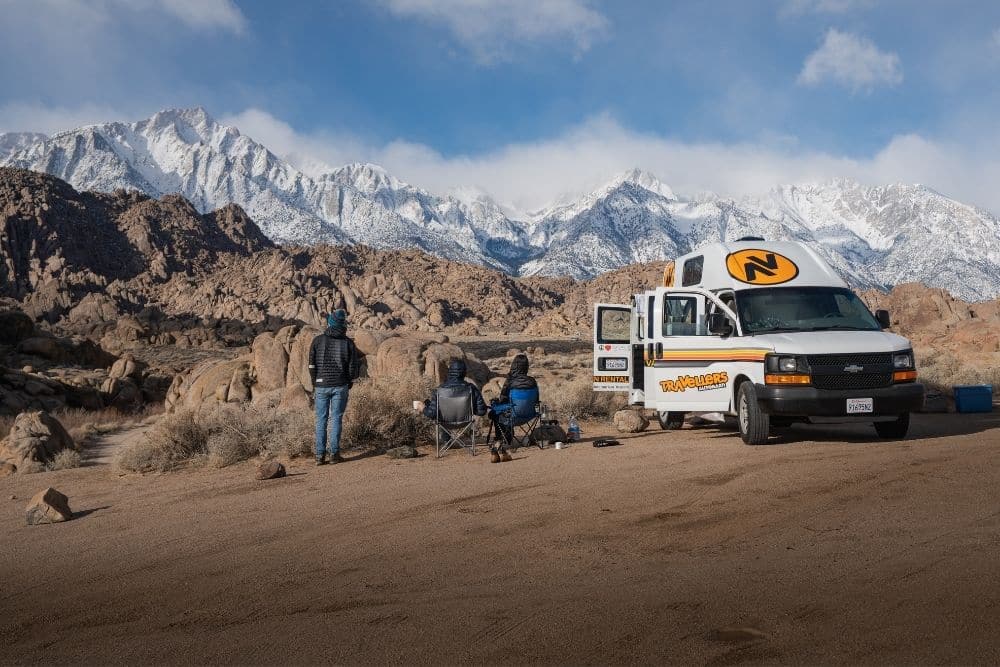
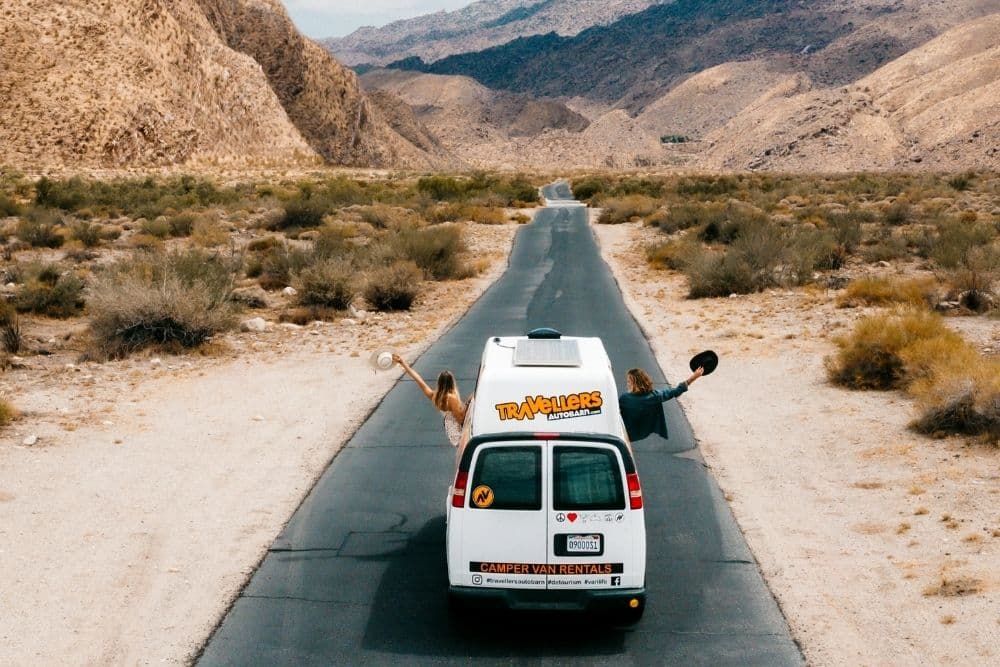
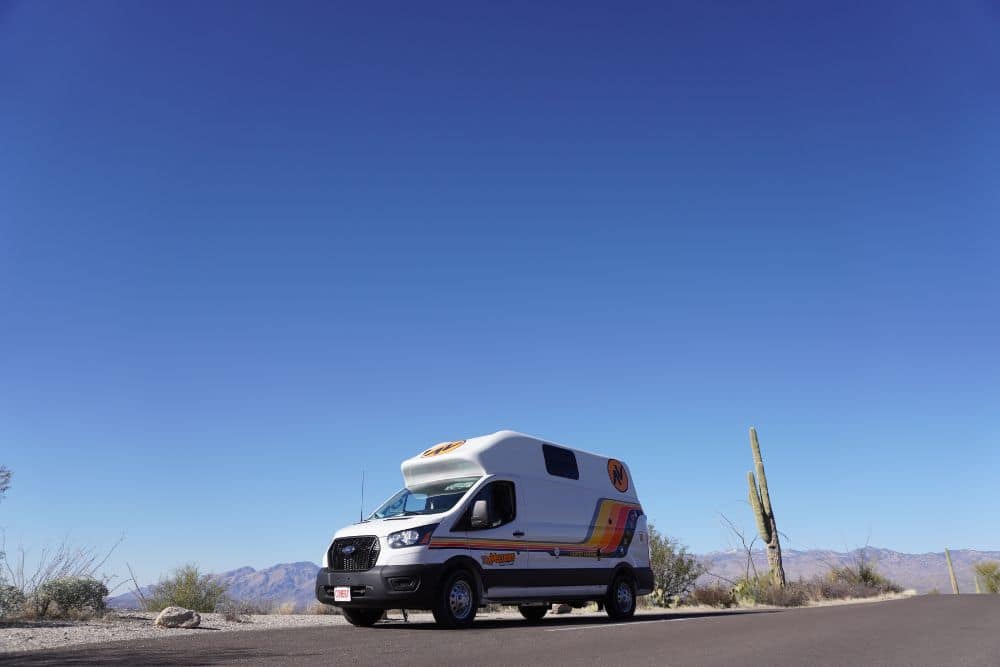
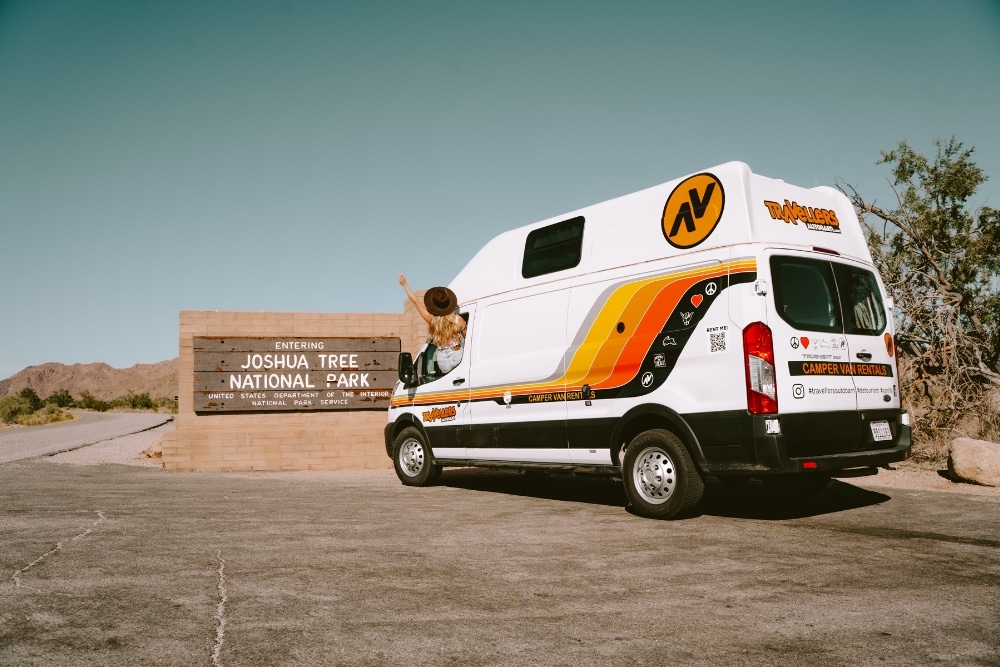
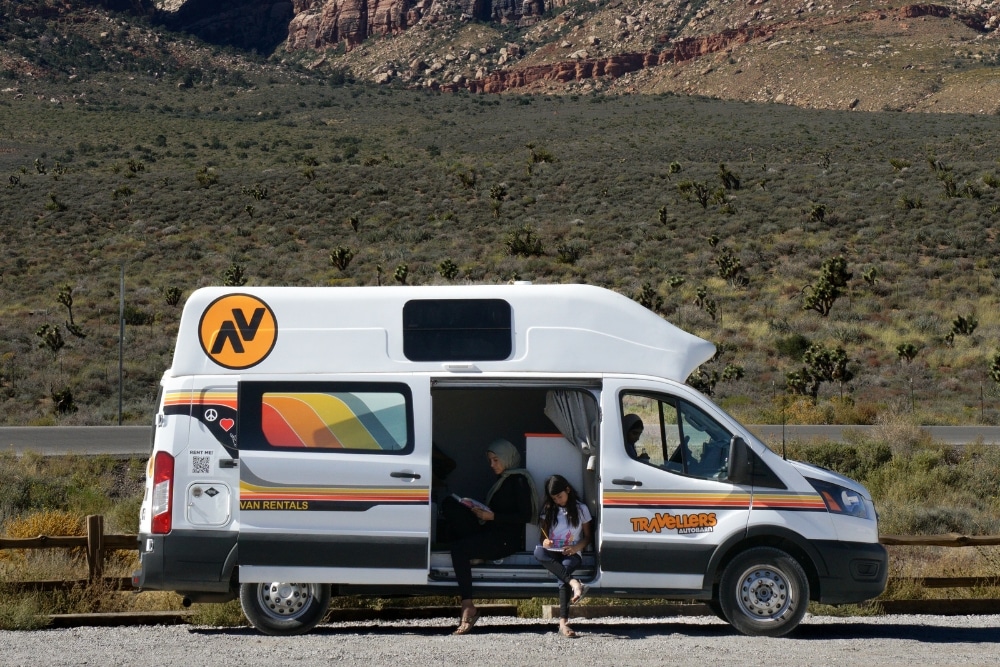
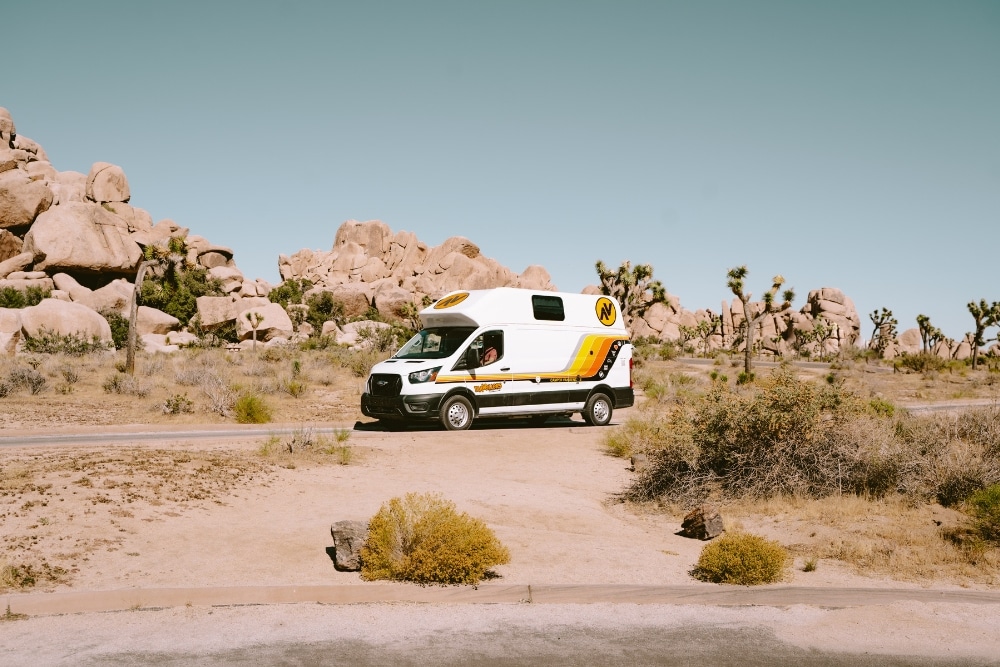
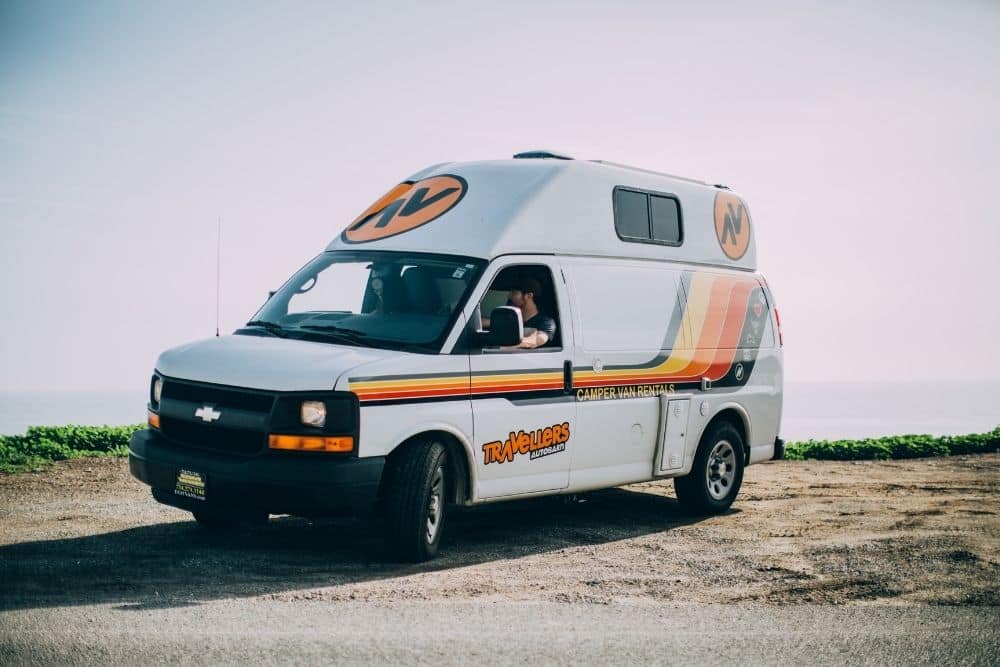
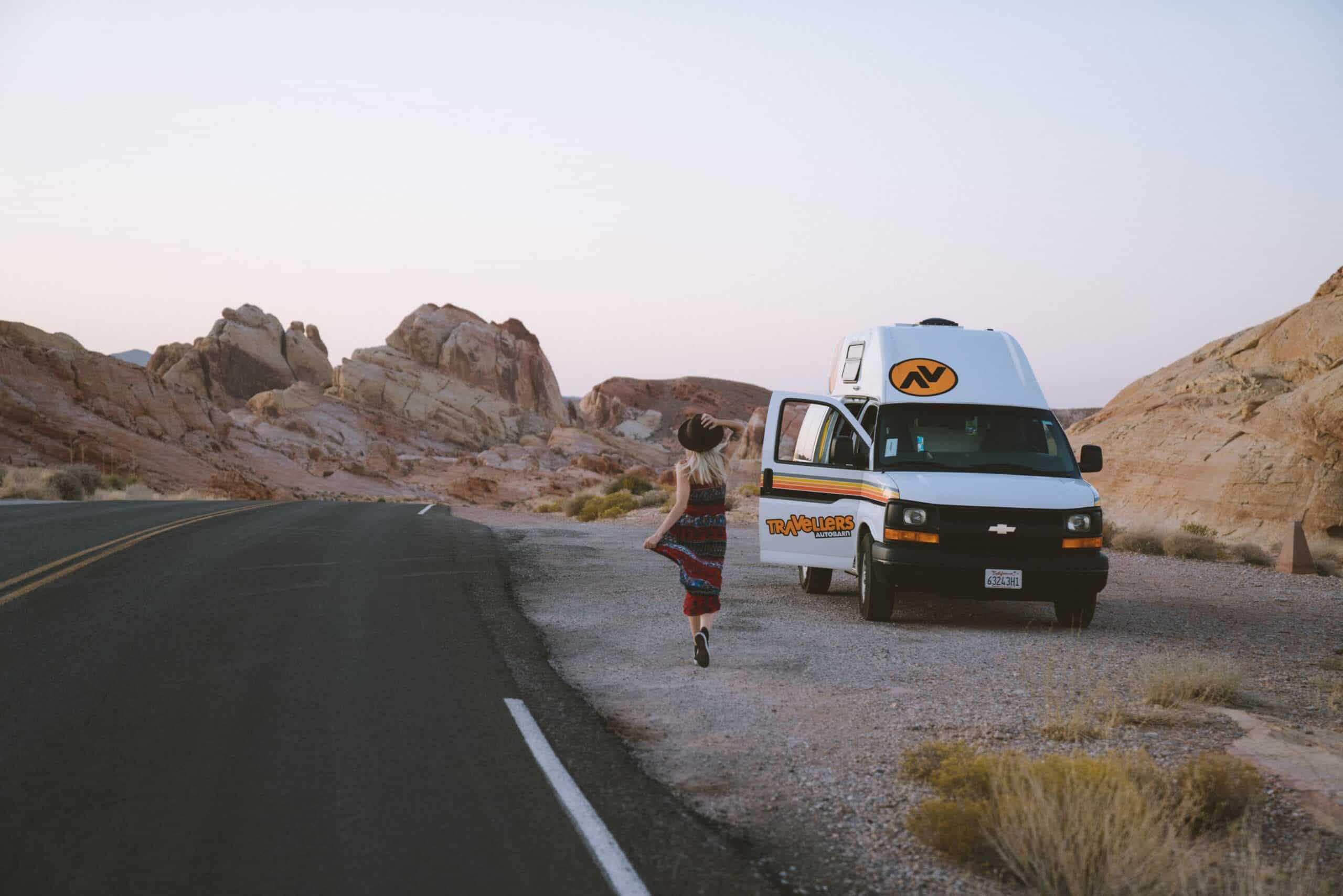
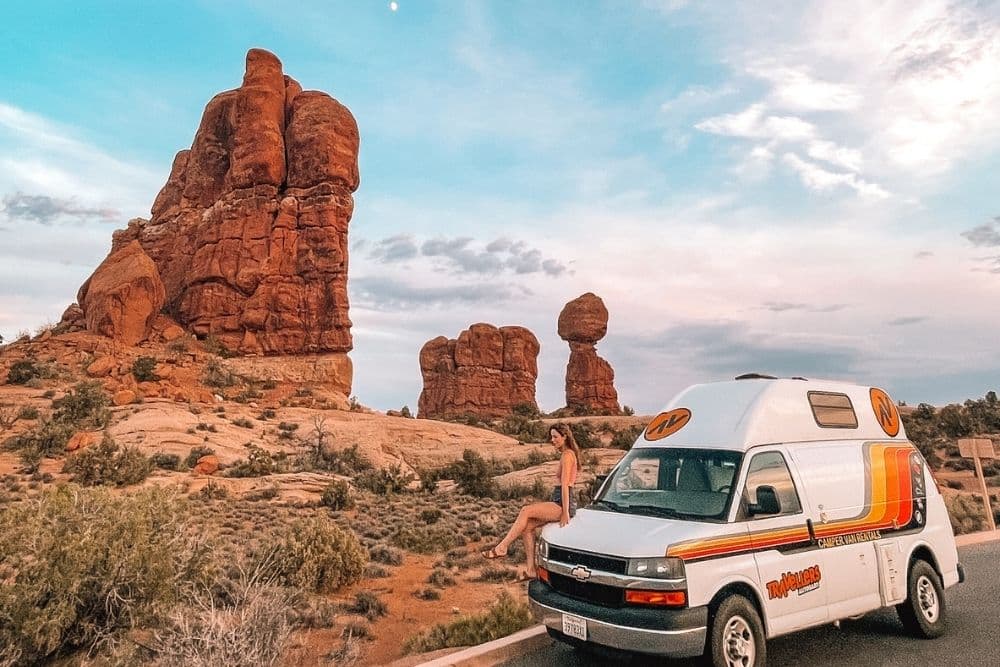
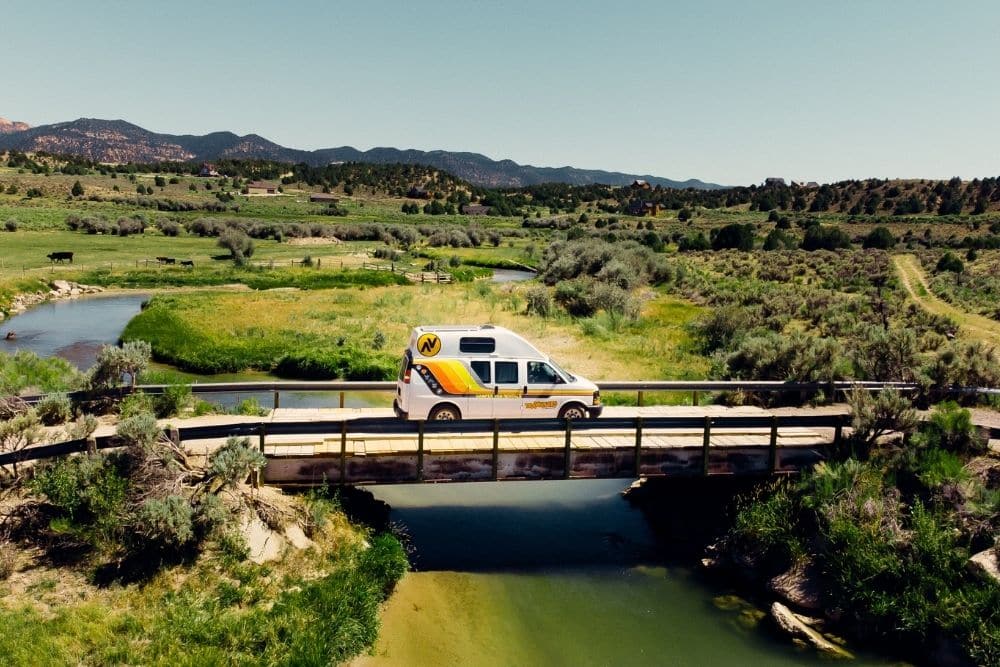
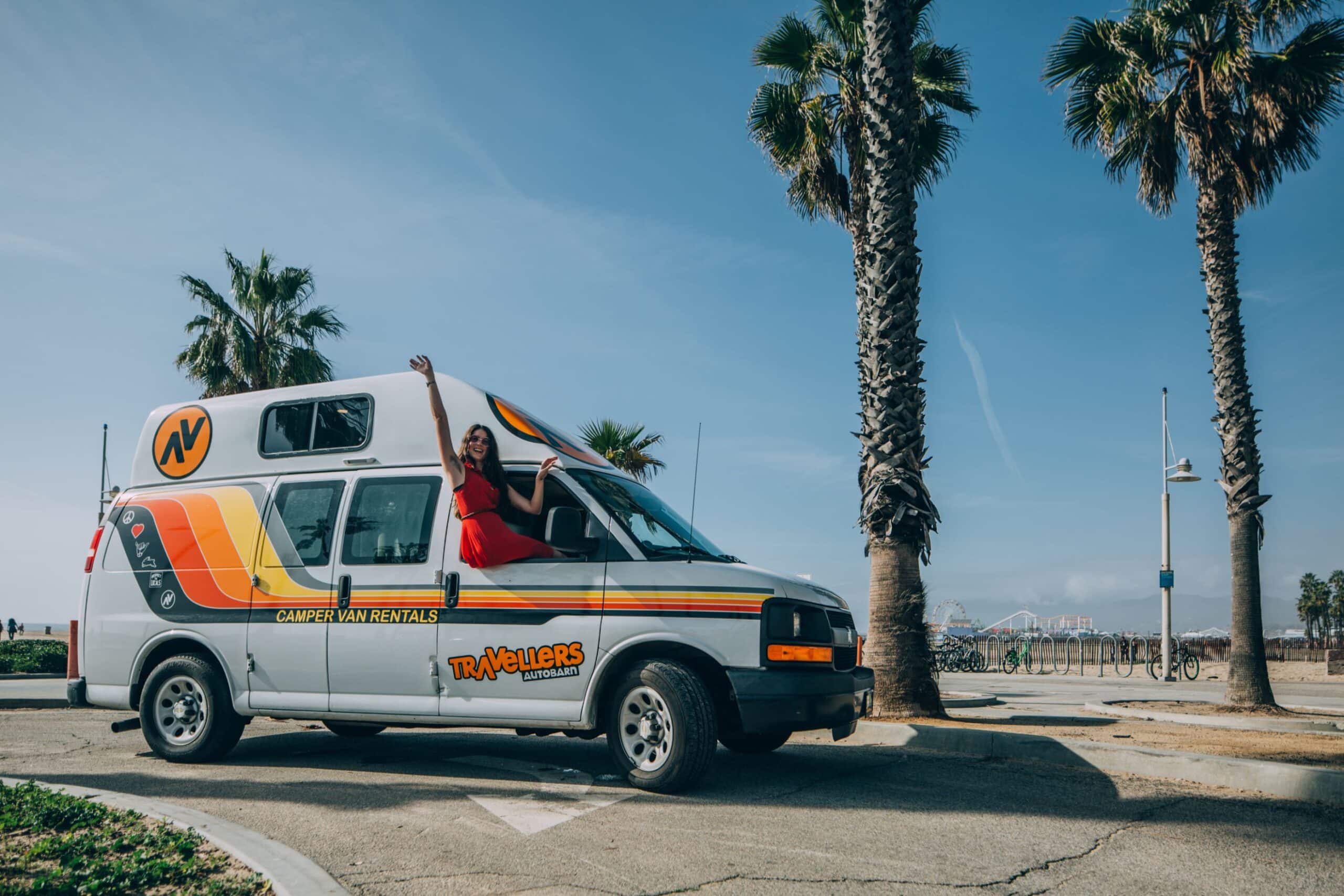
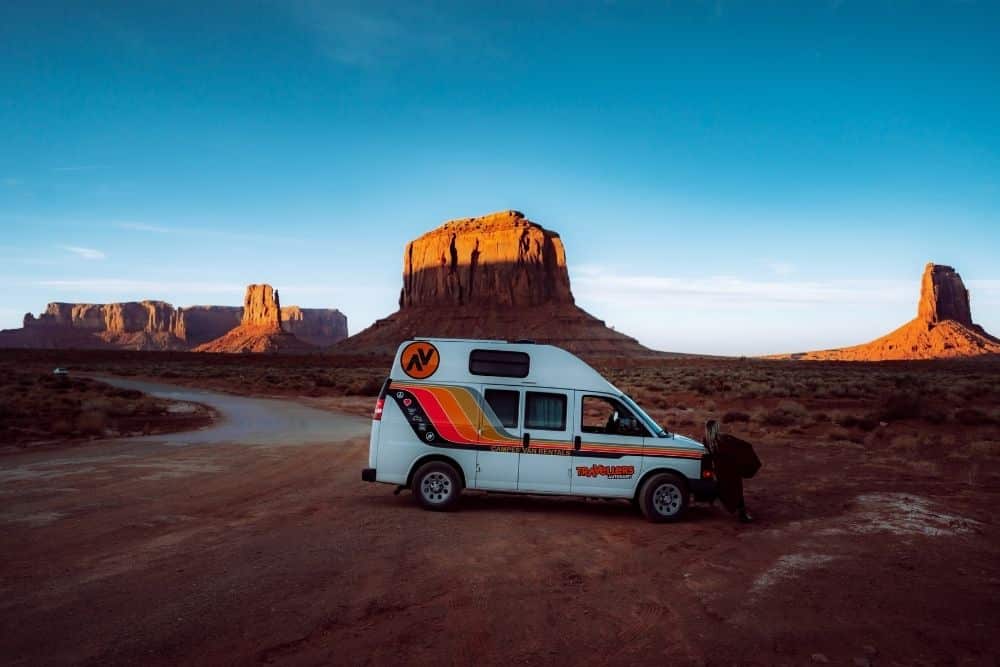
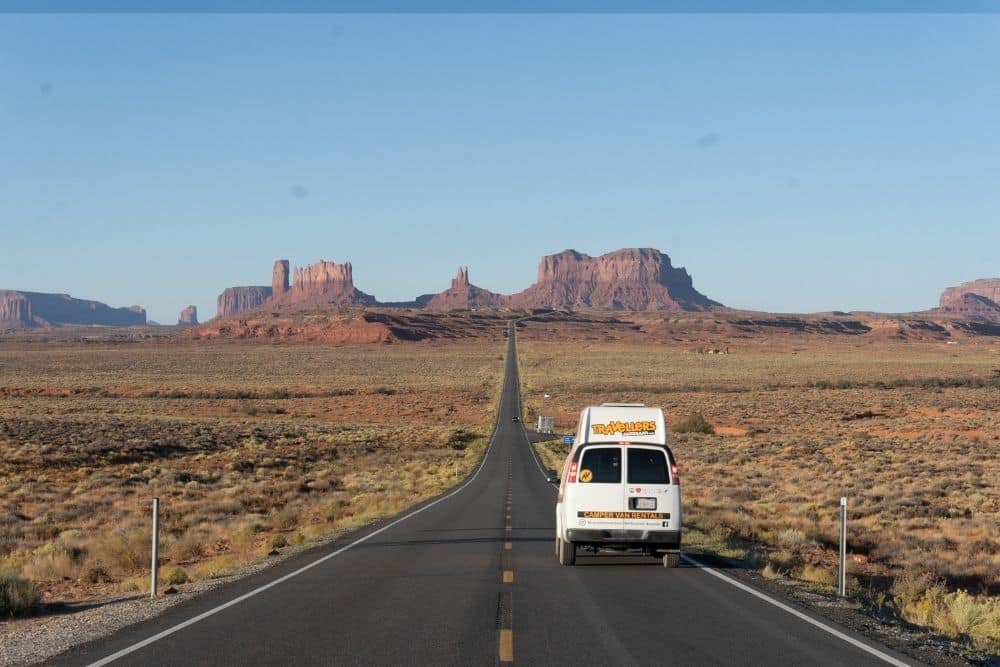
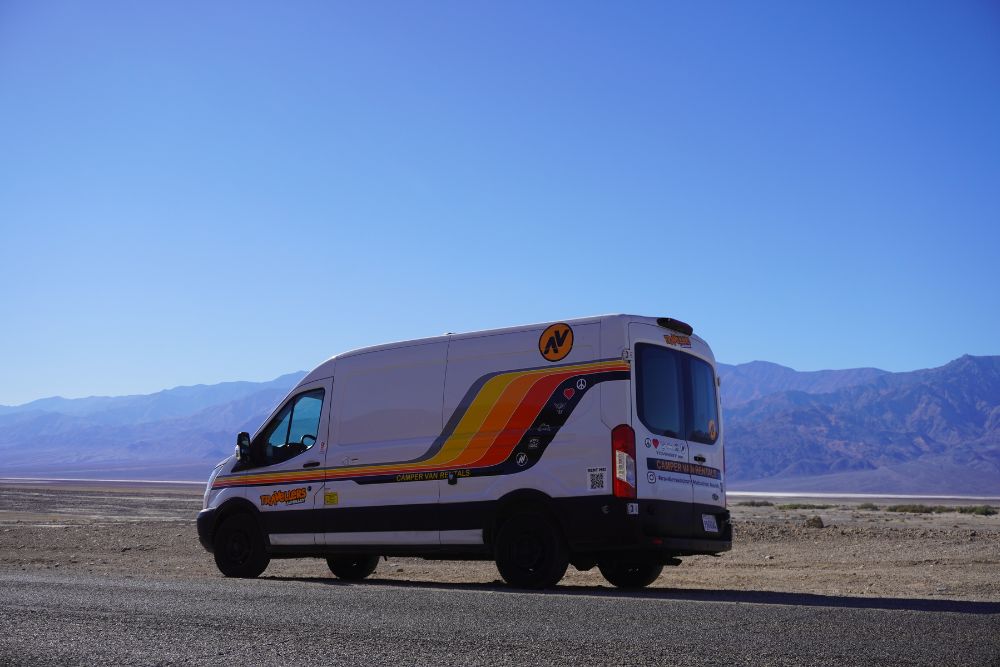
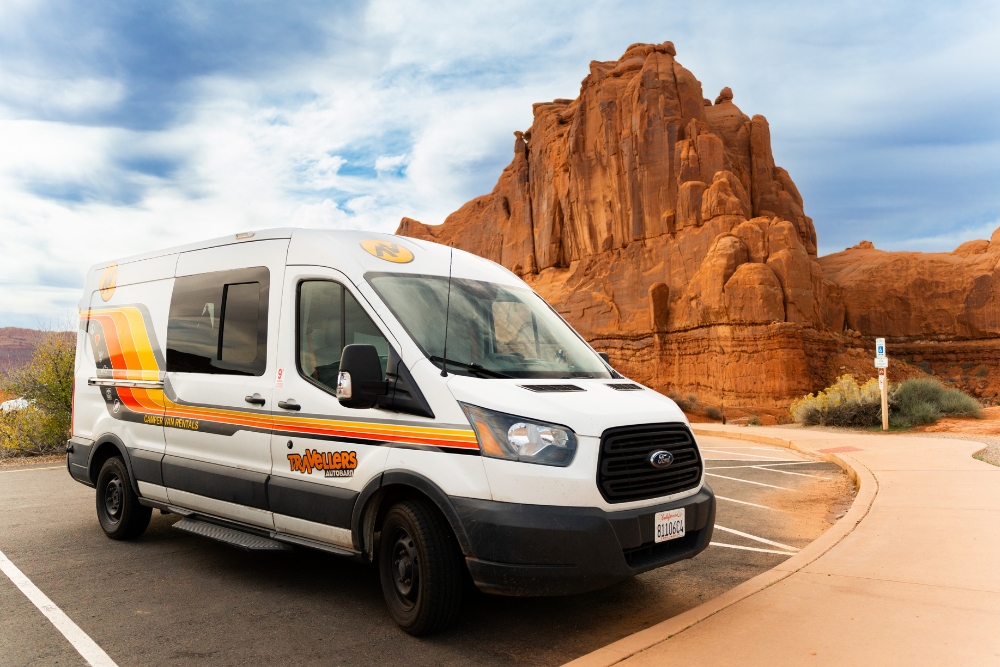
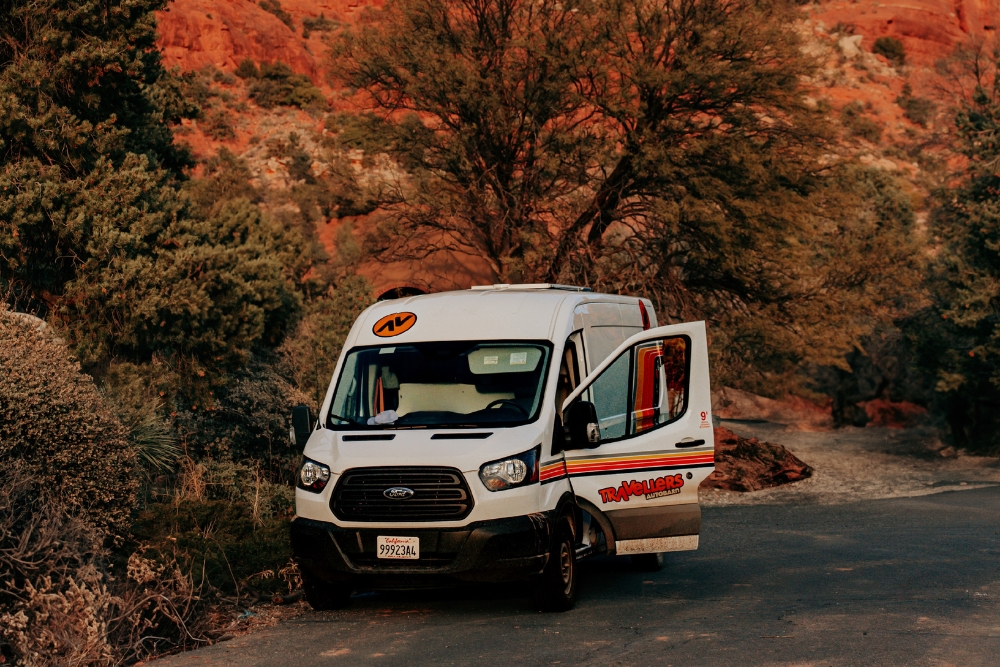
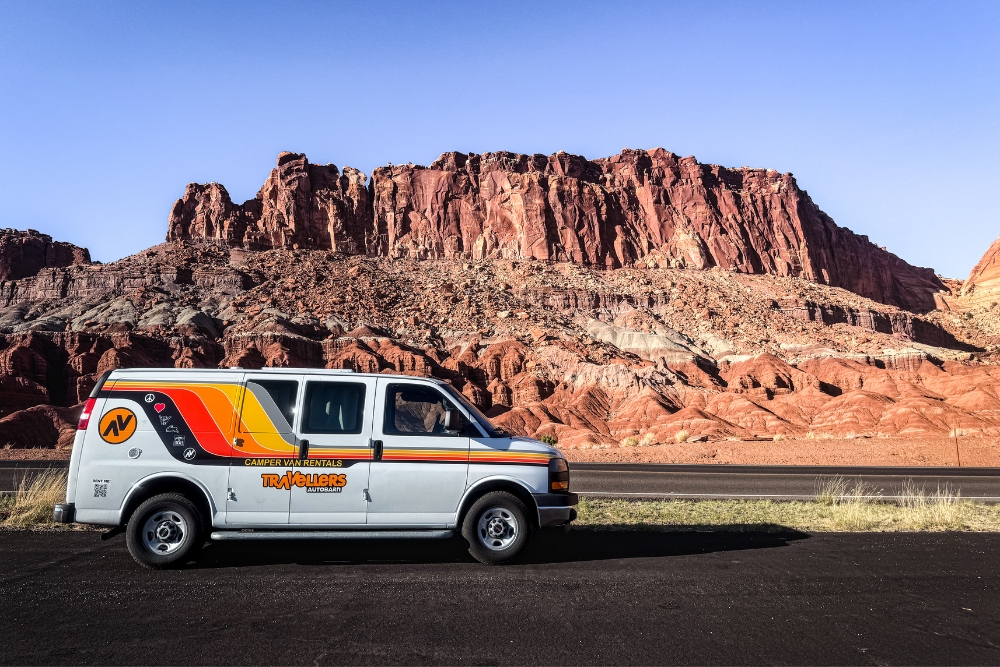
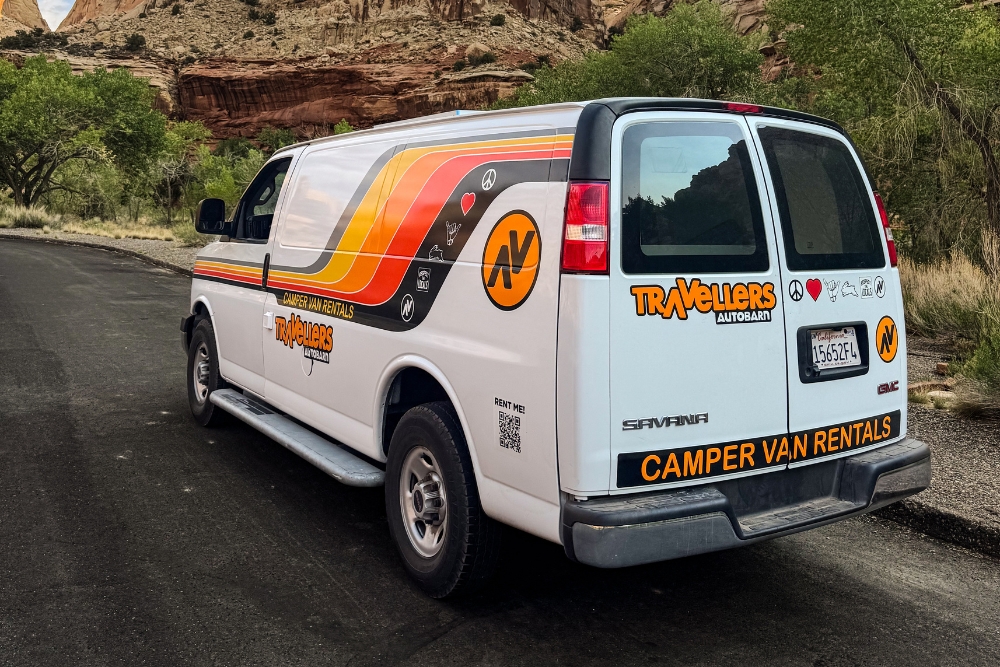
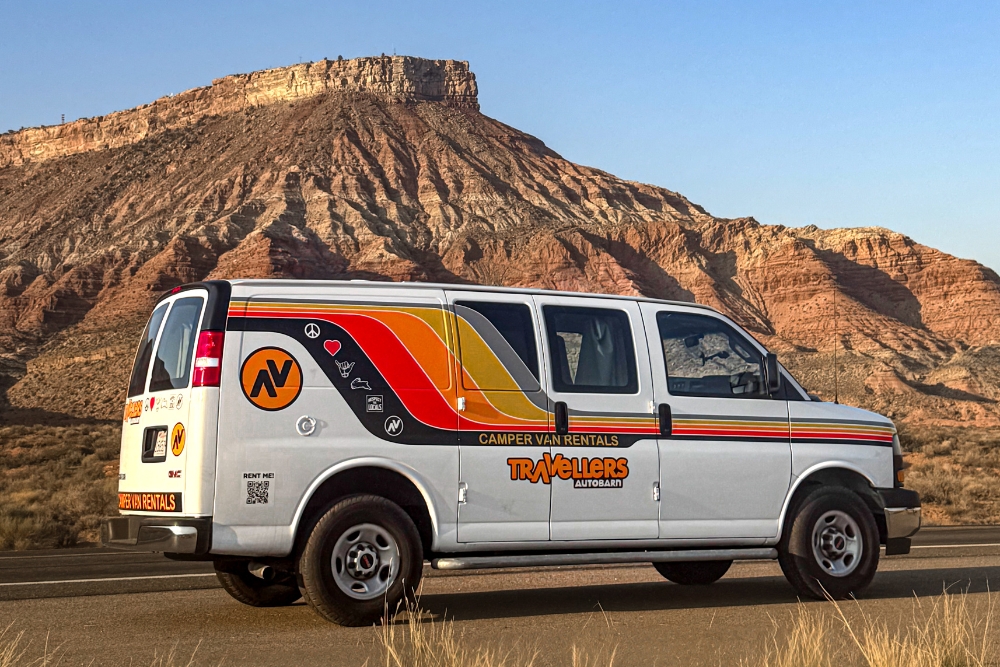
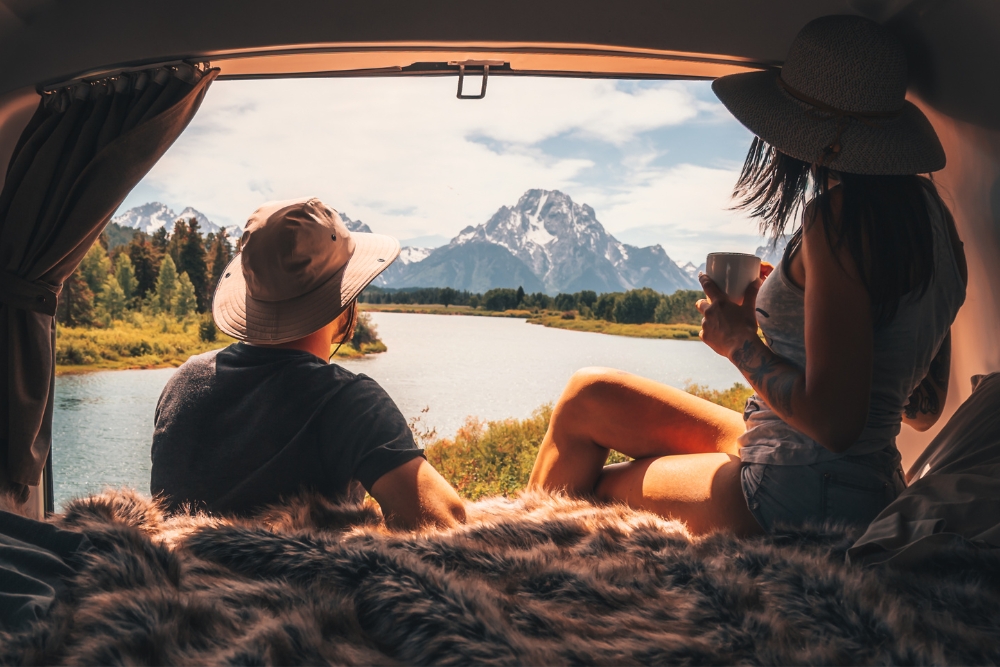
Yes – you can absolutely rent an RV or campervan for Burning Man, and honestly, it’s one of the smartest ways to survive a week in the Black Rock Desert without losing your sanity to dust. Burning Man 2026 runs August 30 – September 7 and it isn’t your typical music festival. It’s a full-blown temporary city that rises out of nowhere in one of the harshest environments in the United States, then disappears without a trace.
And the conditions are no joke. Daytime temperatures can exceed 100°F, nights swing cold, and dust storms can roll in with zero warning, smothering everything – including you – with a fine layer of alkaline powder. Having an RV means a real bed when you’re wrecked, a kitchen when you’re over energy bars, and a bathroom when the porta-potties start testing your spirit.
Here’s the catch: most rental companies want nothing to do with Burning Man. The playa dust is infamous, and plenty of contracts explicitly ban taking vehicles anywhere near it. Finding a rental that actually allows it – and won’t sting you with a massive cleaning bill after – is the first real challenge.
Whether you’re a first-timer or a seasoned Burner – and whether you’re picking up in Los Angeles, Las Vegas, or San Francisco – being smart with your RV rentals for Burning Man sets the tone for your entire week. From prep to packing to returning your vehicle in one piece, there’s a right way to do this, and plenty of wrong ones.
If you’re ready to lock in your Burning Man rental now, get a quick quote – otherwise, read on for everything you need to know.
Can I rent the campervan for Burning Man?
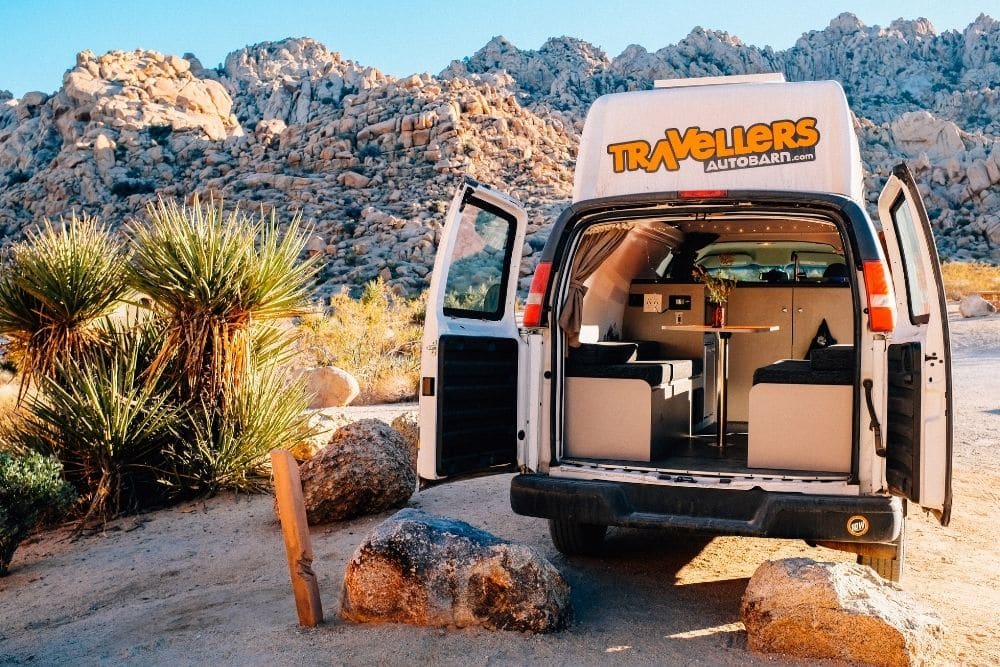
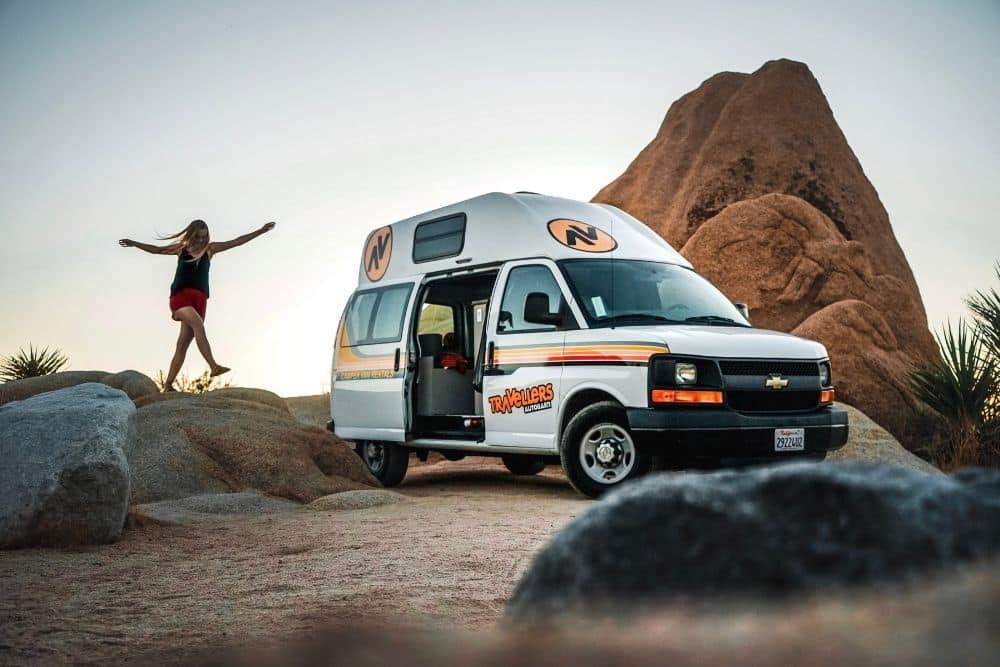
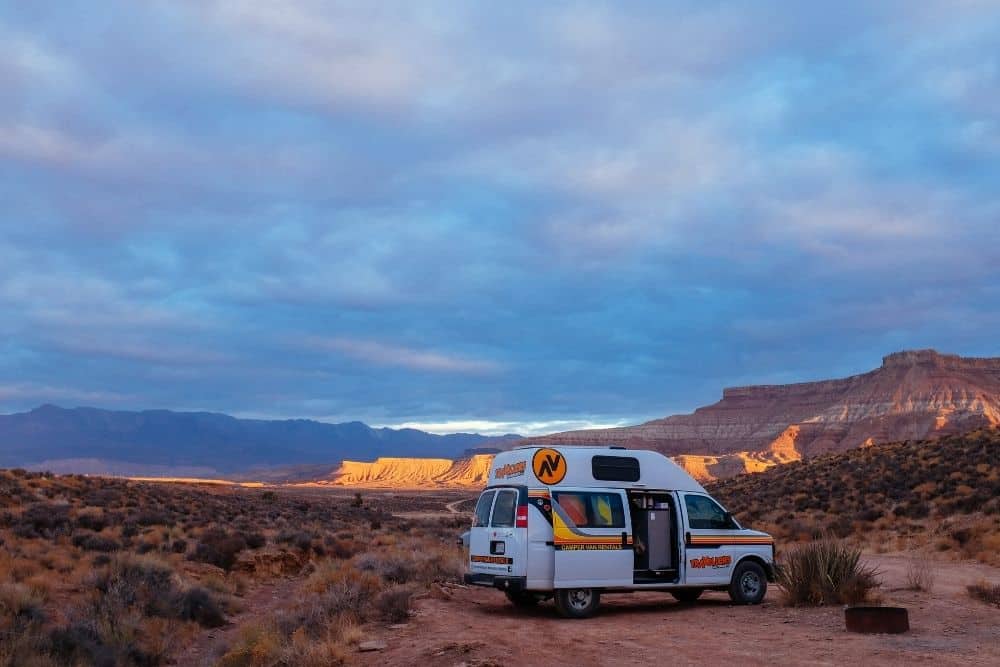
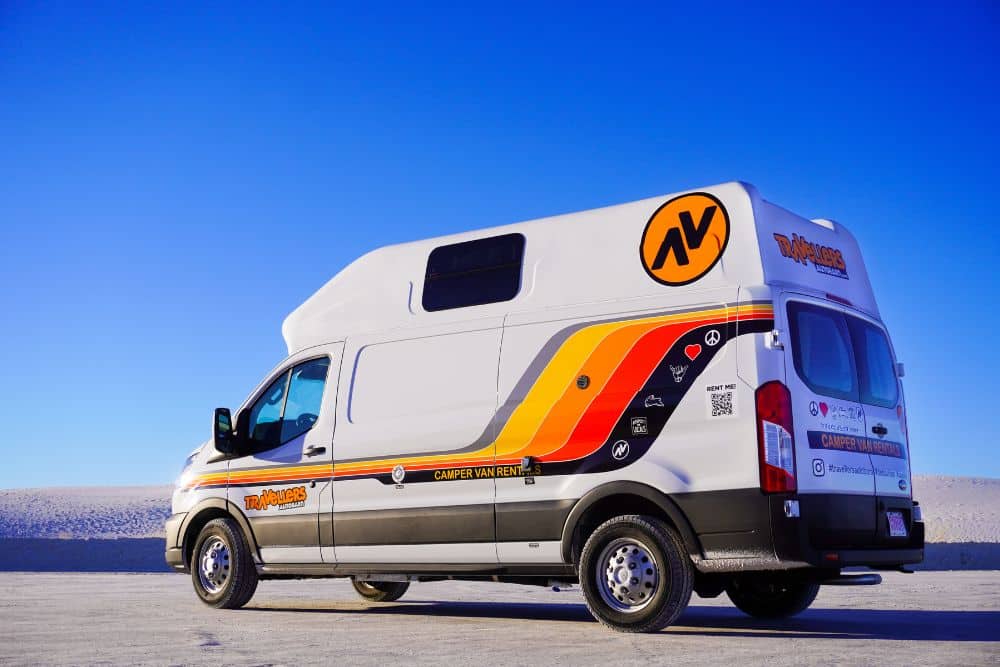
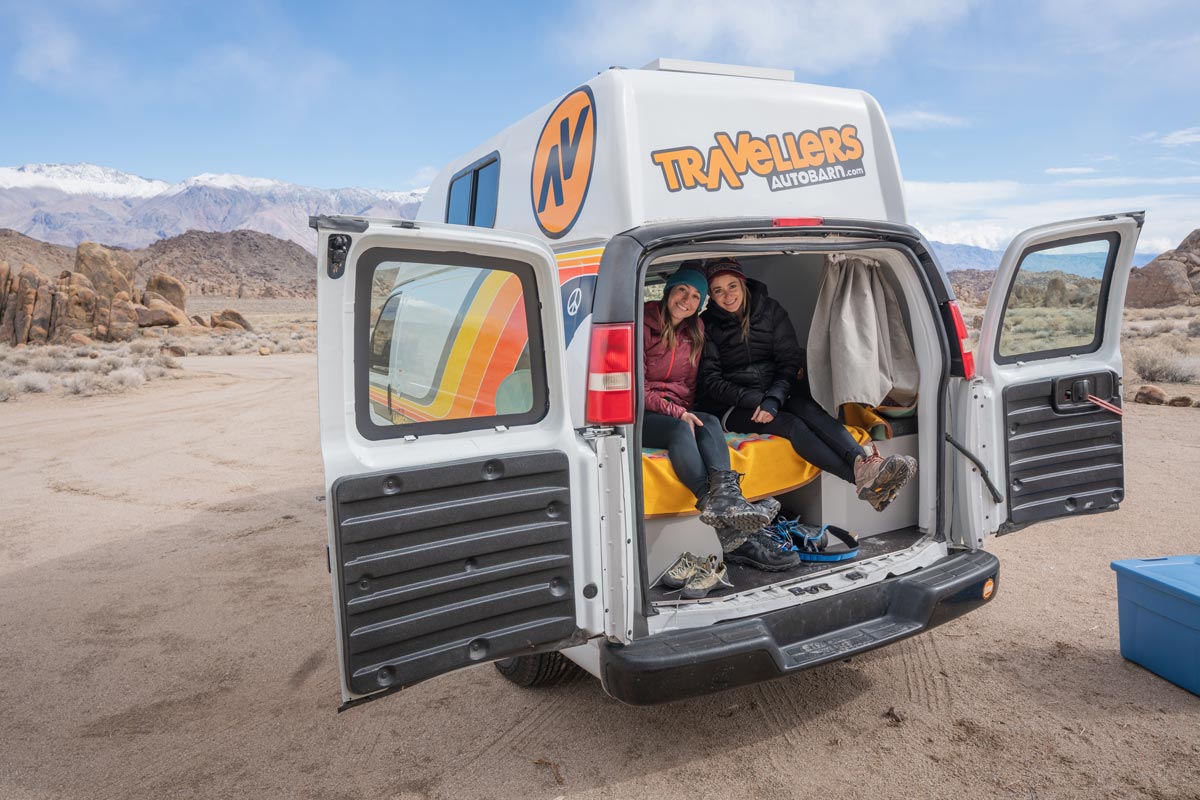
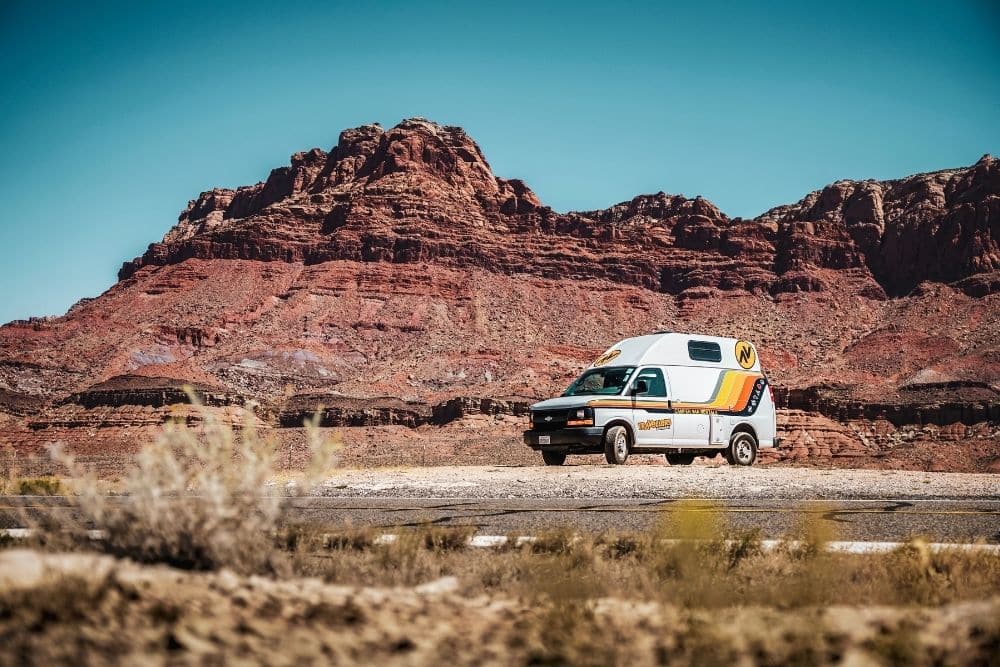
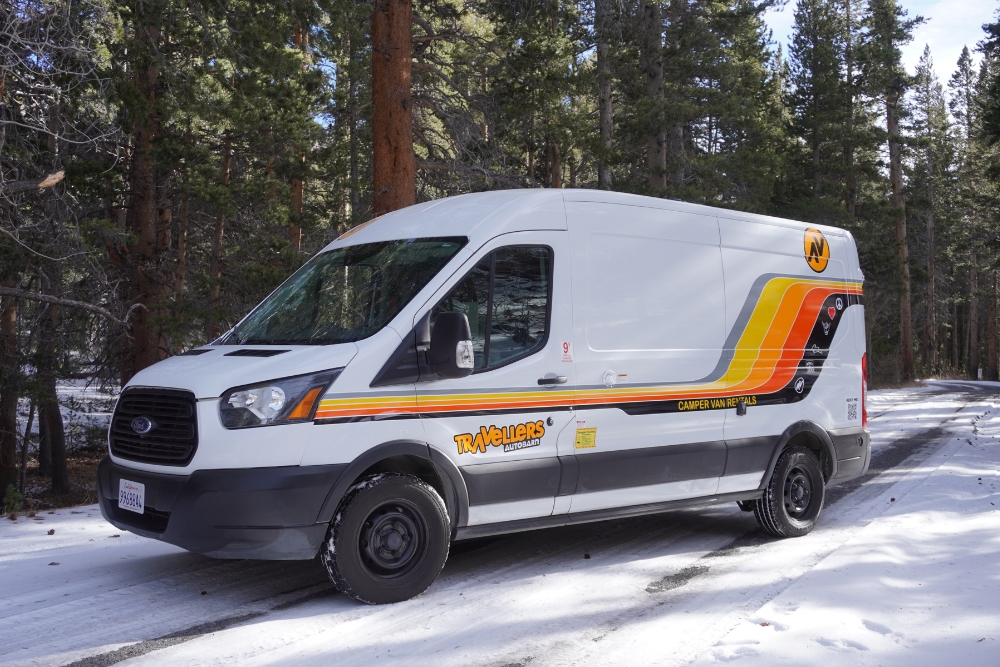
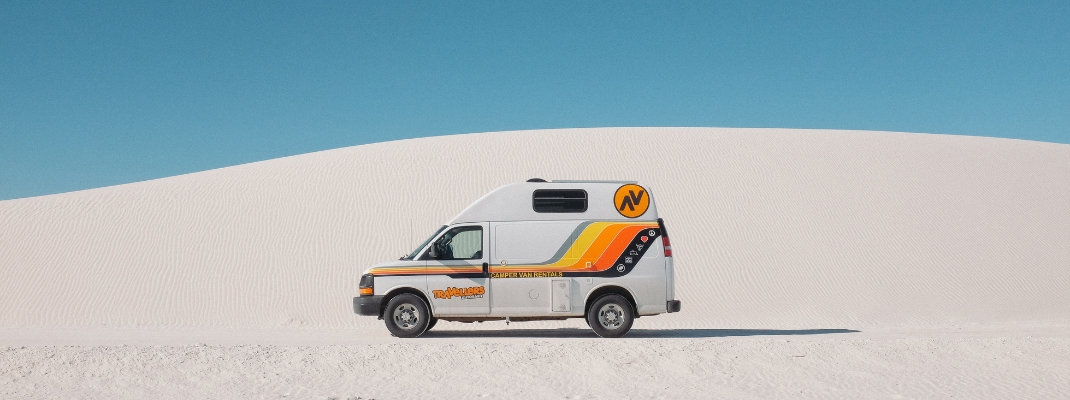
Yes. Travellers Autobarn campervans can be rented for Burning Man, provided the trip is declared and the $1,000 non-refundable Burning Man Supplementary Fee is pre-booked at the time of booking or requested in writing prior to vehicle pick-up. Minimum rental periods apply.
The supplementary fee contributes to additional inspection and servicing required due to extreme desert conditions but does not remove your responsibility to return the vehicle clean. Any extra cleaning, repairs, or damage may be charged.
If a vehicle is taken to Burning Man without prior declaration or without paying the fee, a $1,500 penalty fee will apply and insurance may be void.
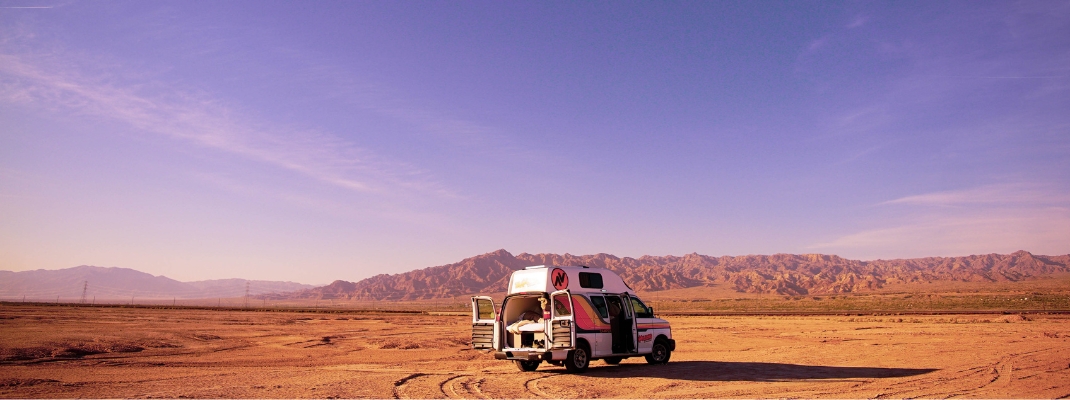
Why a Campervan Is Your Best Base at Burning Man
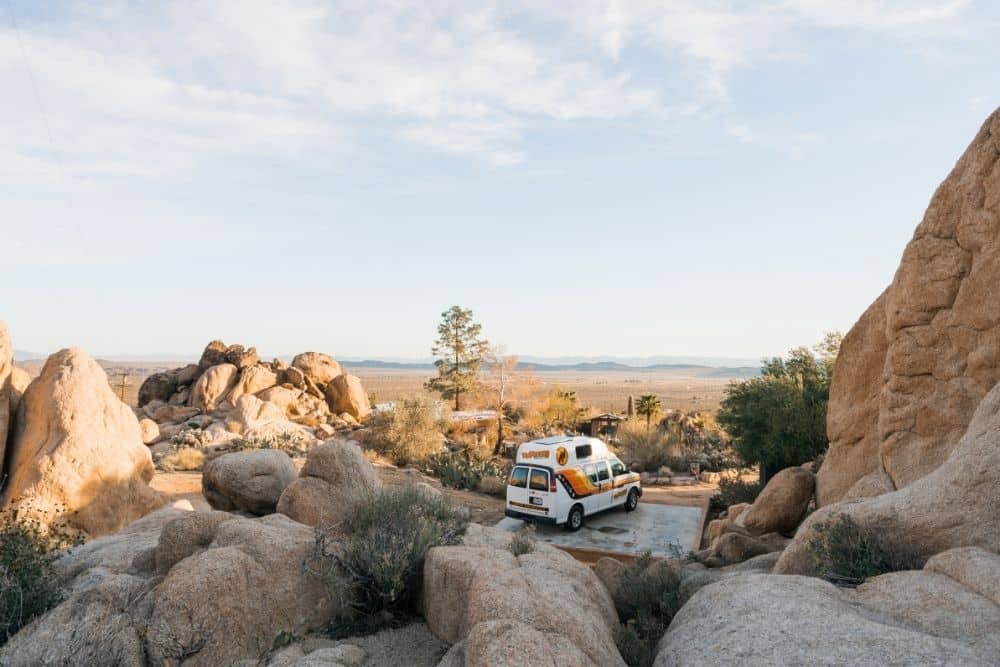
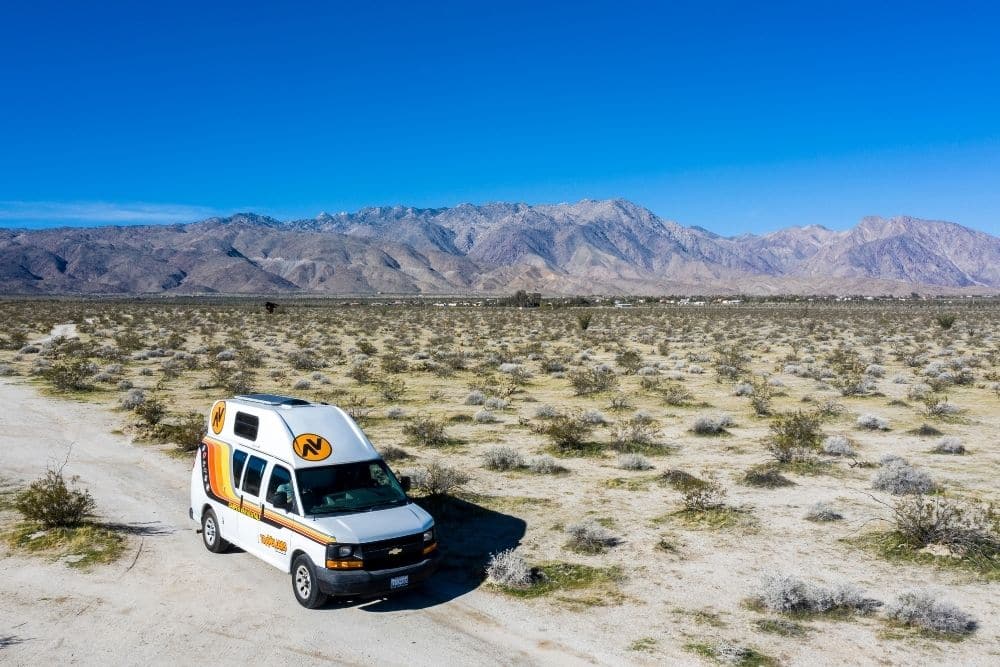
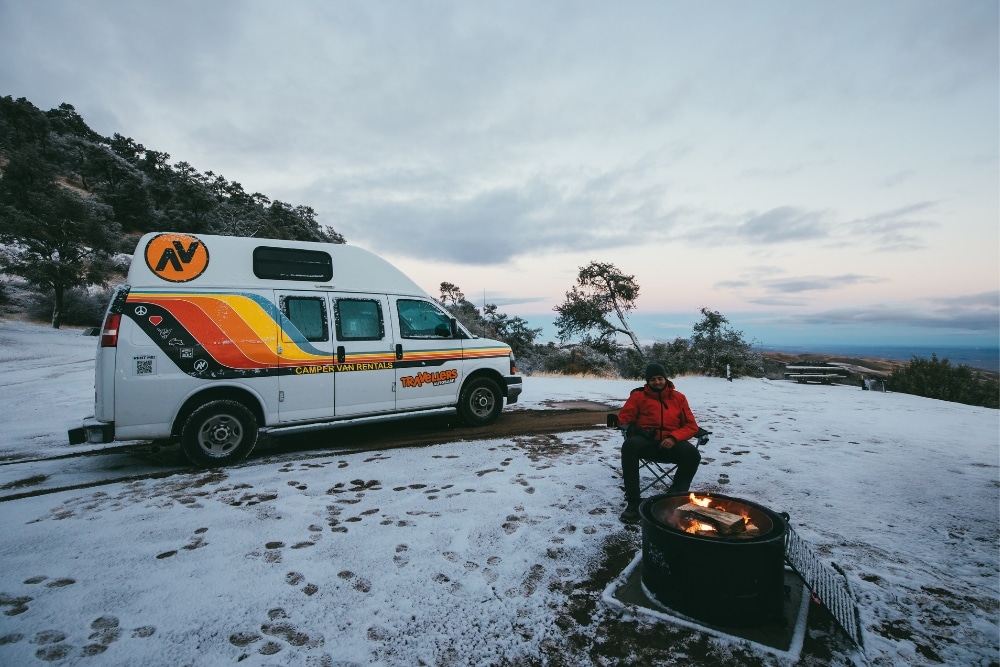
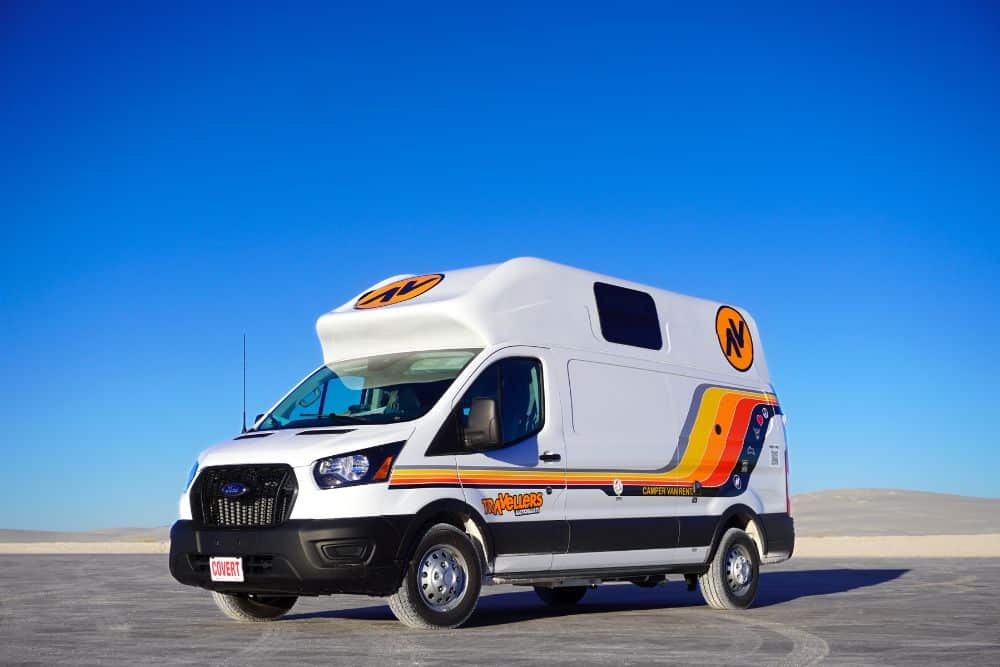
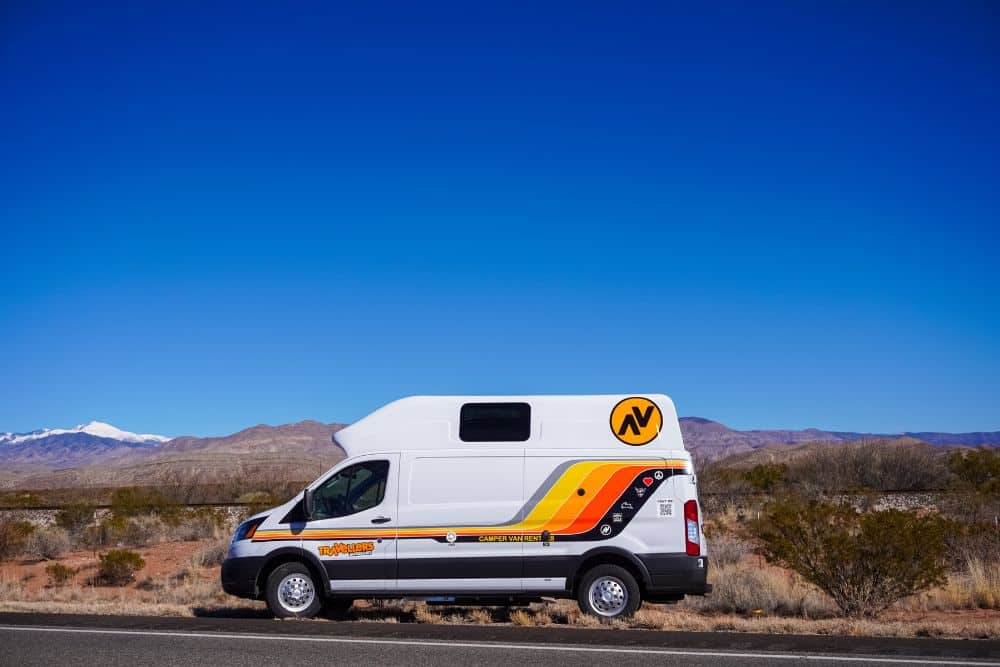
If you’re weighing up your RV rental options for Burning Man, here’s the straight answer: a campervan hits the sweet spot between comfort, practicality, and actually experiencing the event. Not too big, not too basic – just right for the desert.
| Option | Pros | Cons |
|---|---|---|
| Campervan | Easy to drive and park, compact footprint, bed + kitchen + shade, better integration with camp | Less space than large RVs |
| Large Motorhome | Full amenities, lots of space, strong cooling systems | Difficult to drive/park, can dominate camp layout, less connected to surroundings |
| Tent Camping | Cheapest, most immersive “raw” experience | No escape from heat or dust, physically exhausting, minimal protection |
| Hotel Stay | Real bed, air conditioning, no cleanup | 1.5-2+ hours away, daily commute unrealistic, disconnects you from the experience |
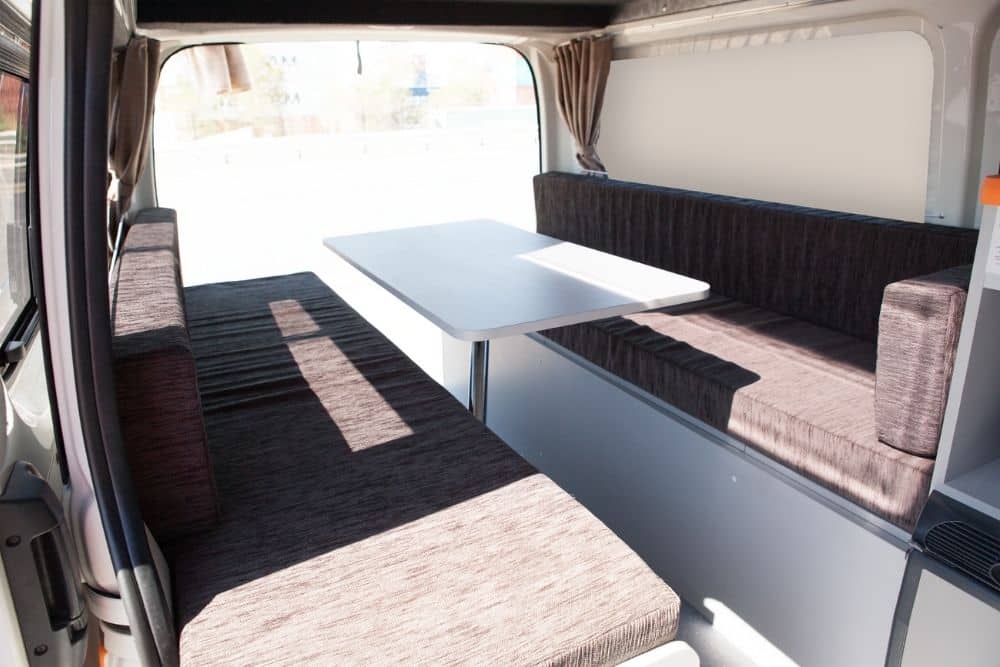
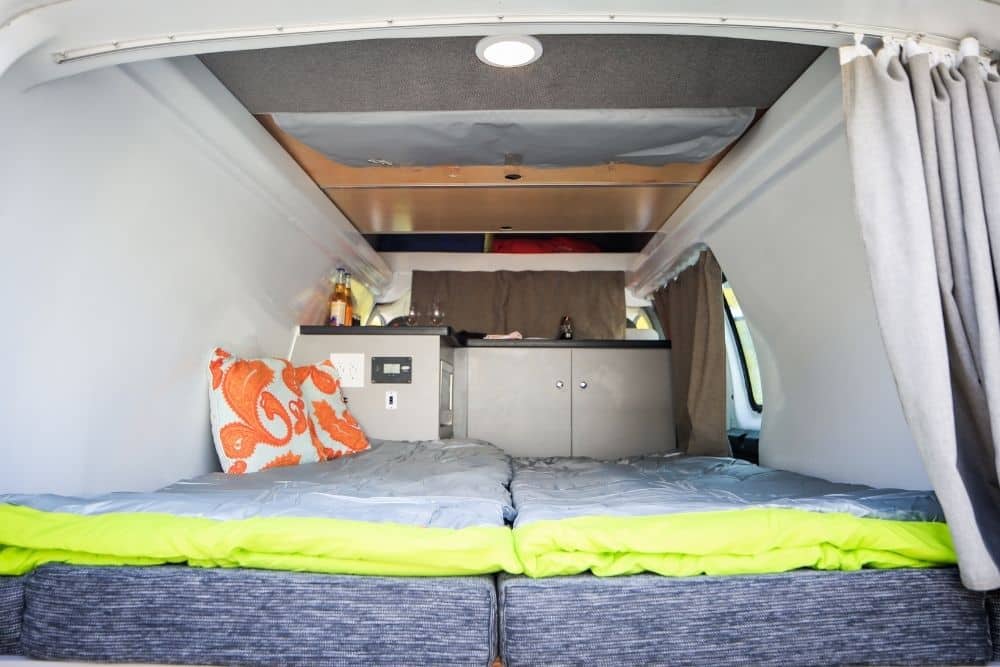
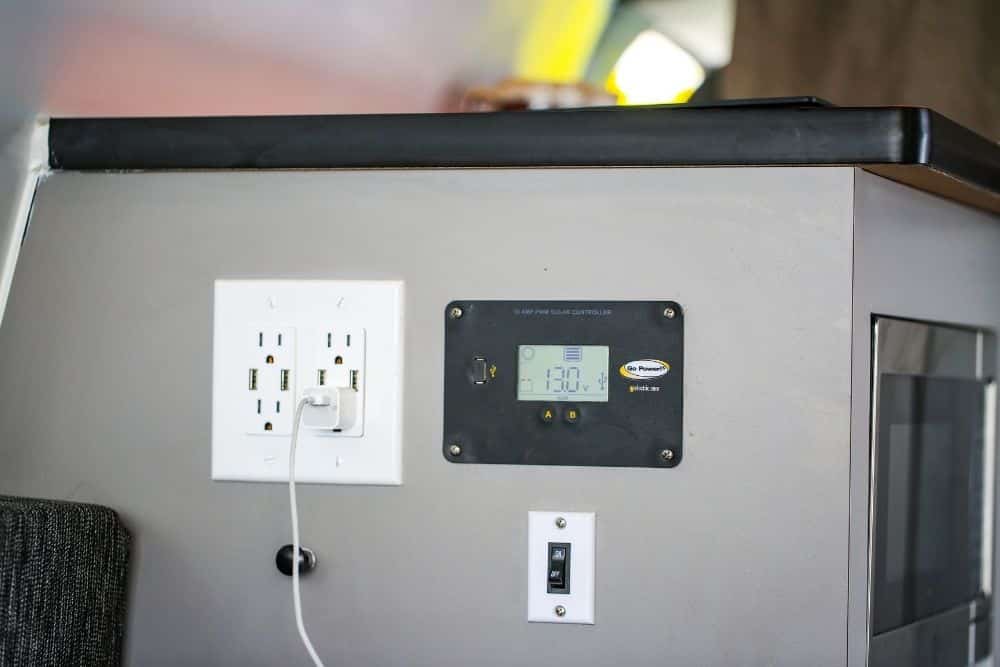
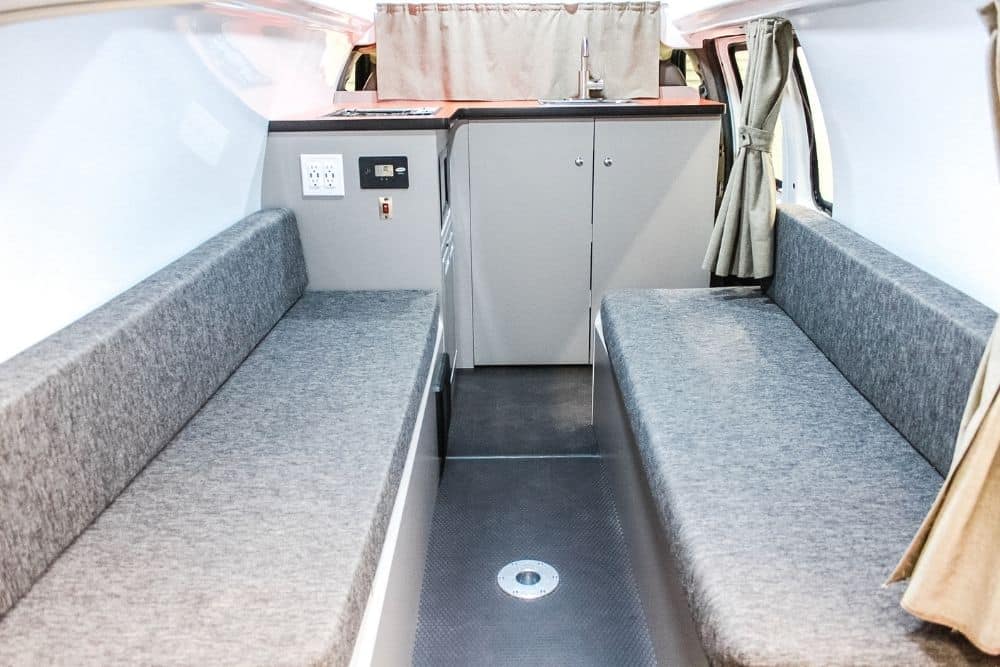
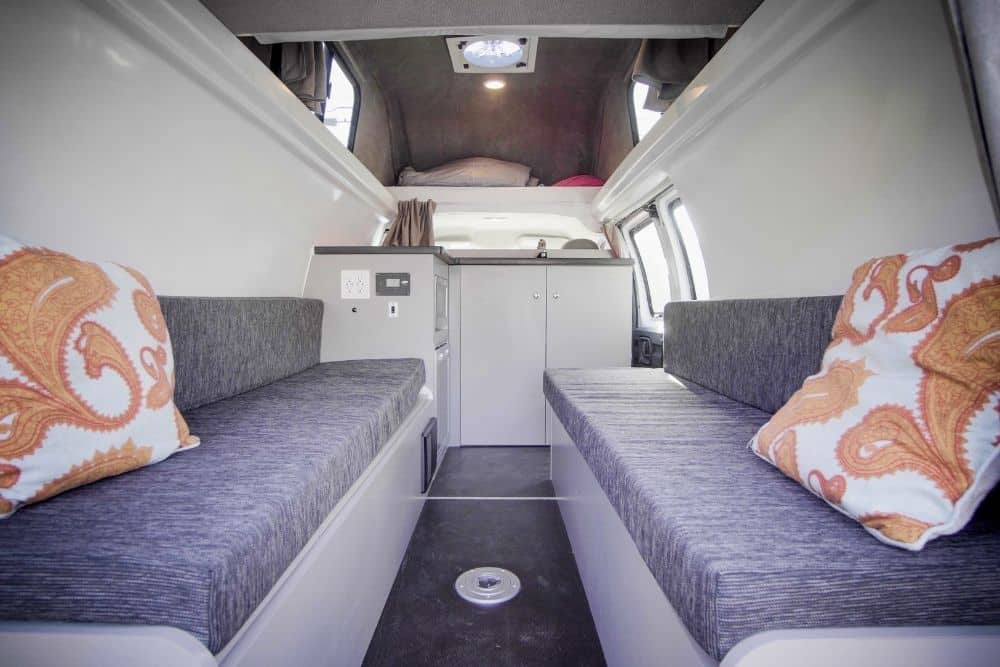
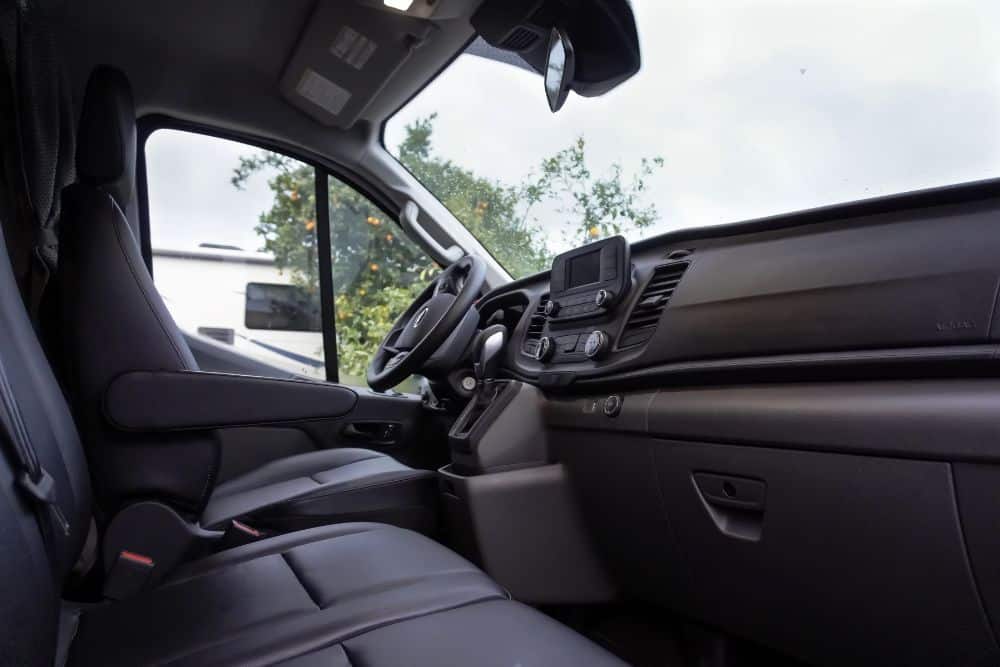
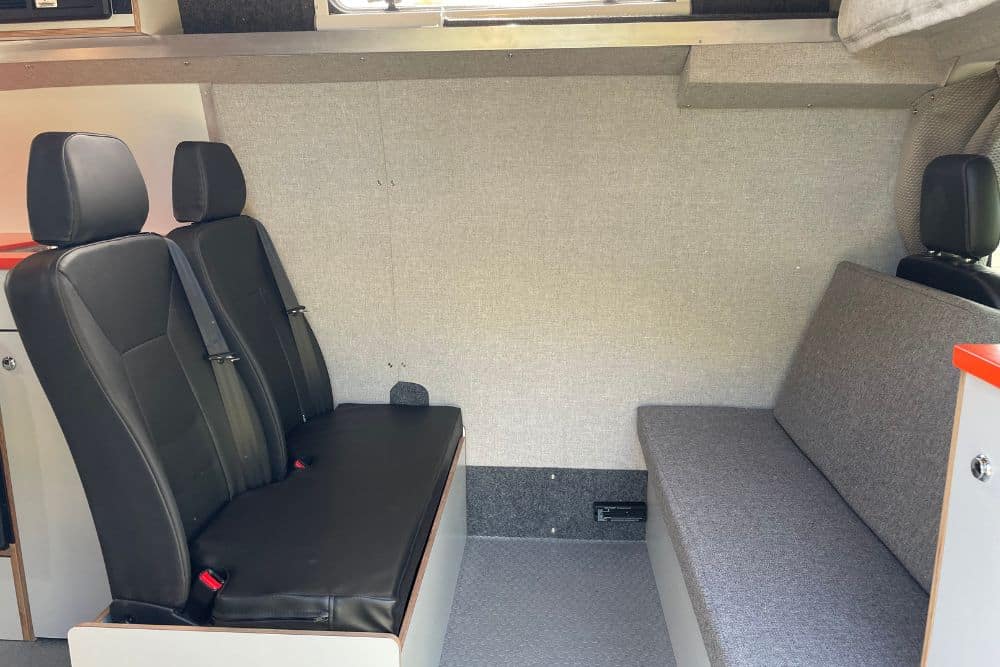
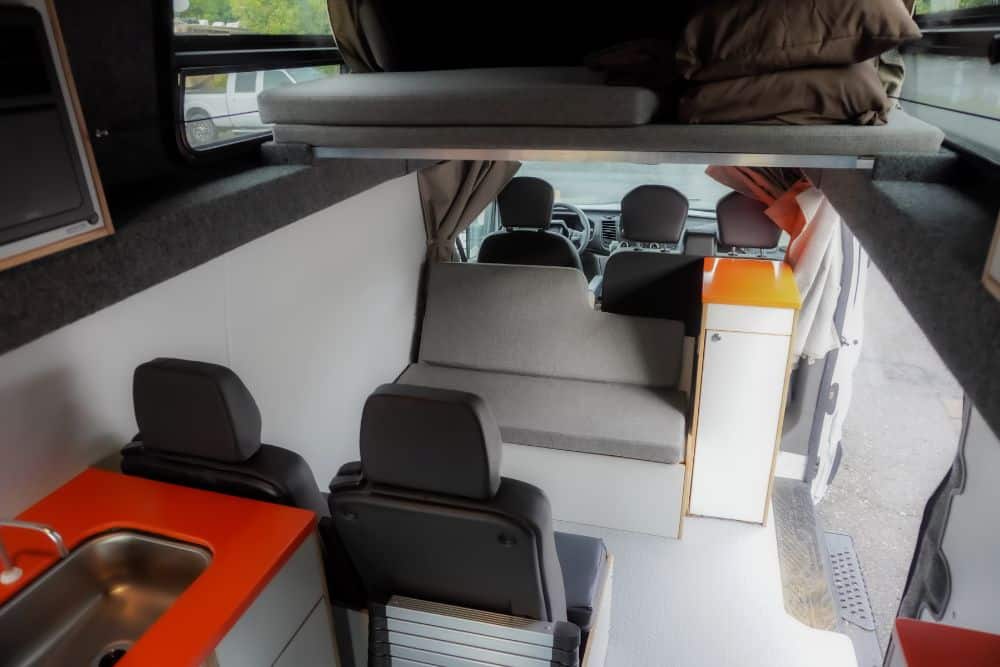
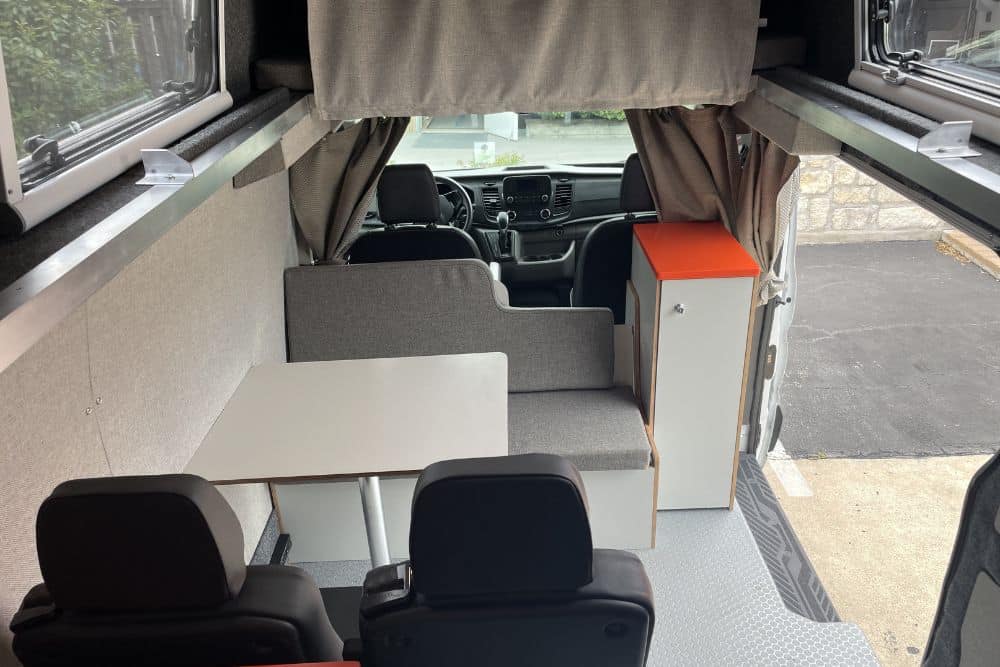
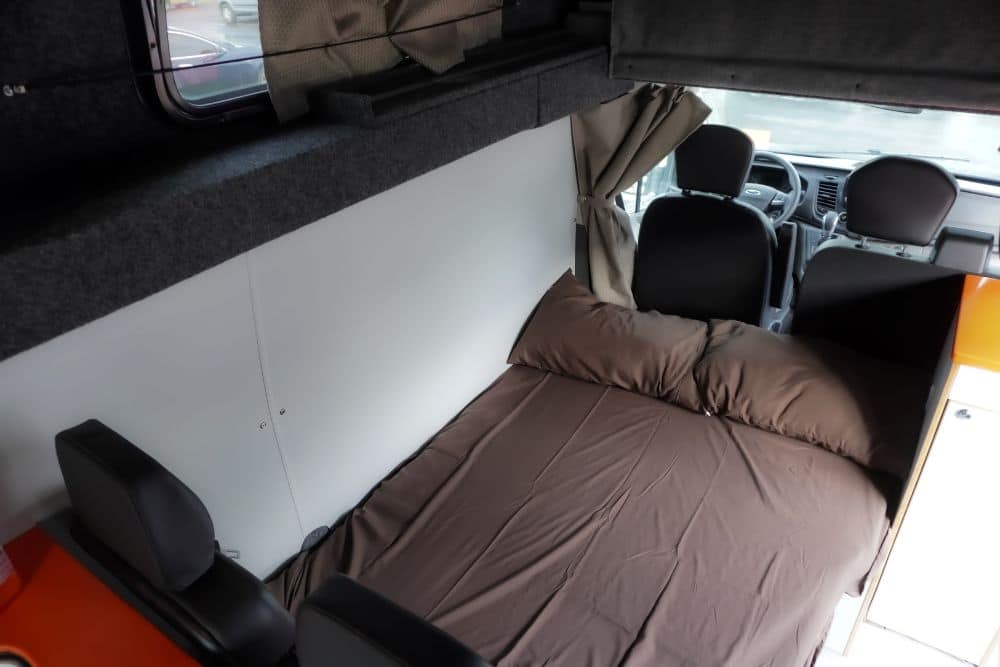
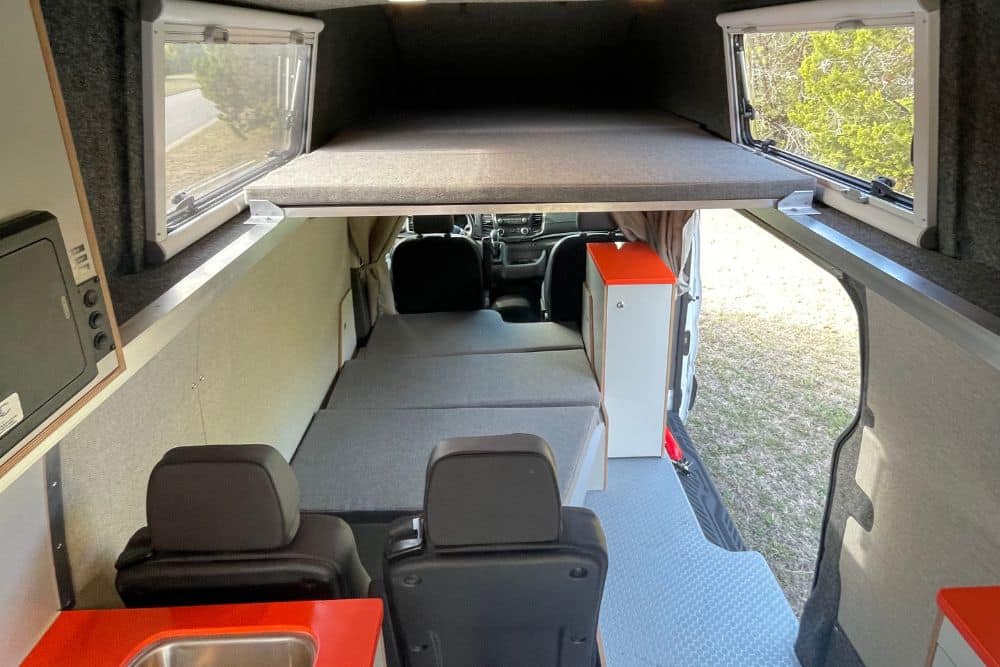
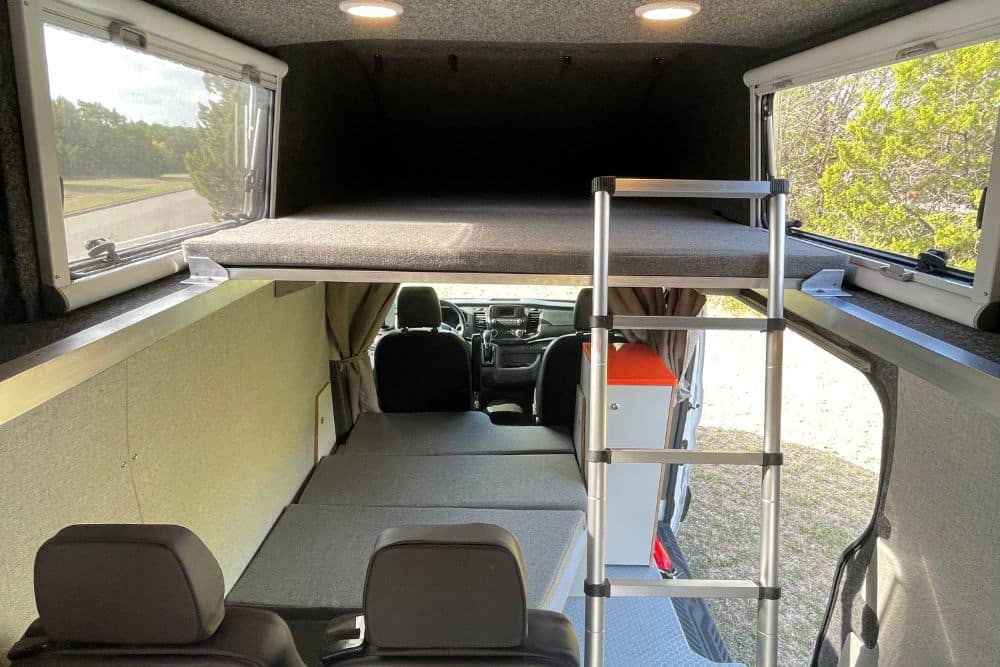
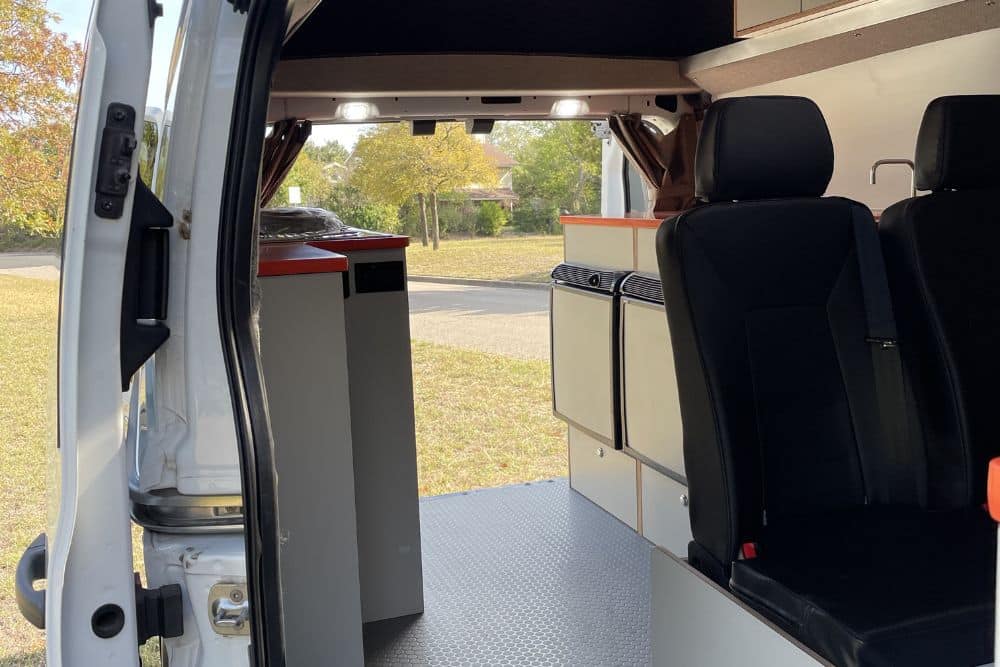
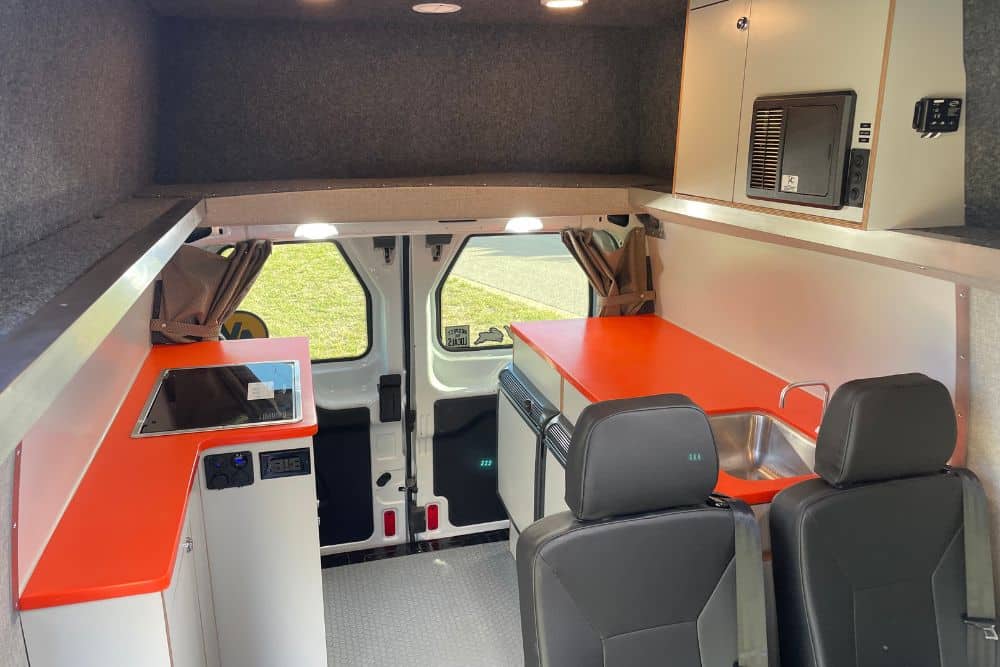
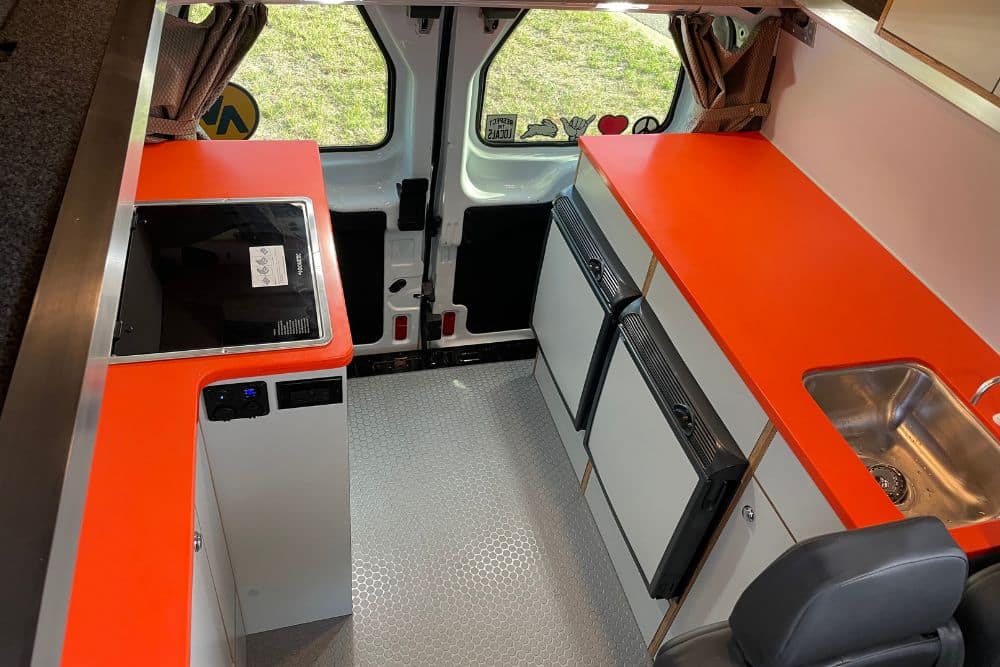
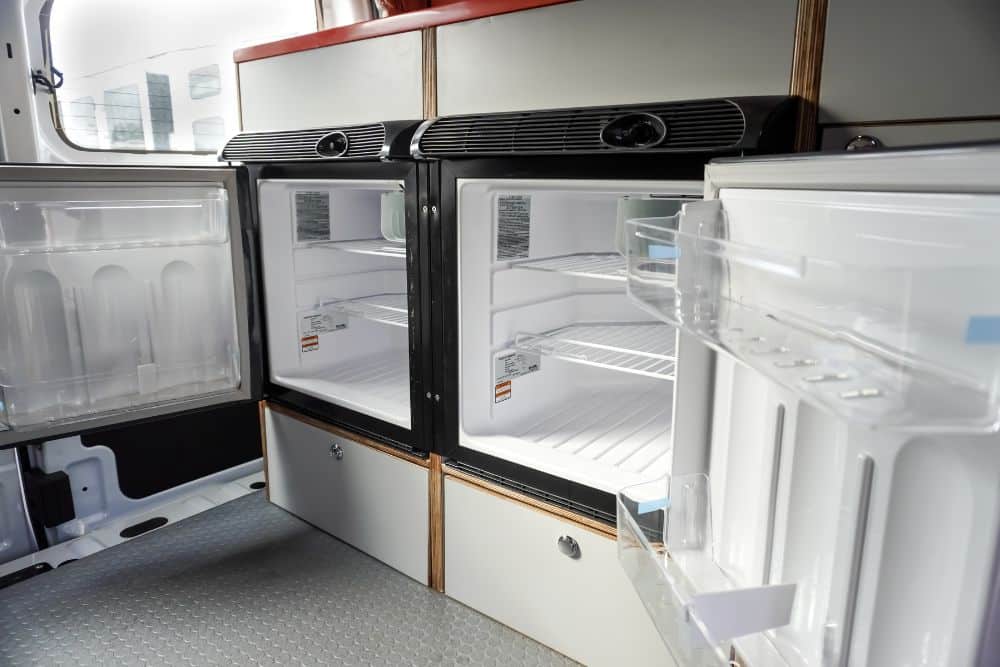
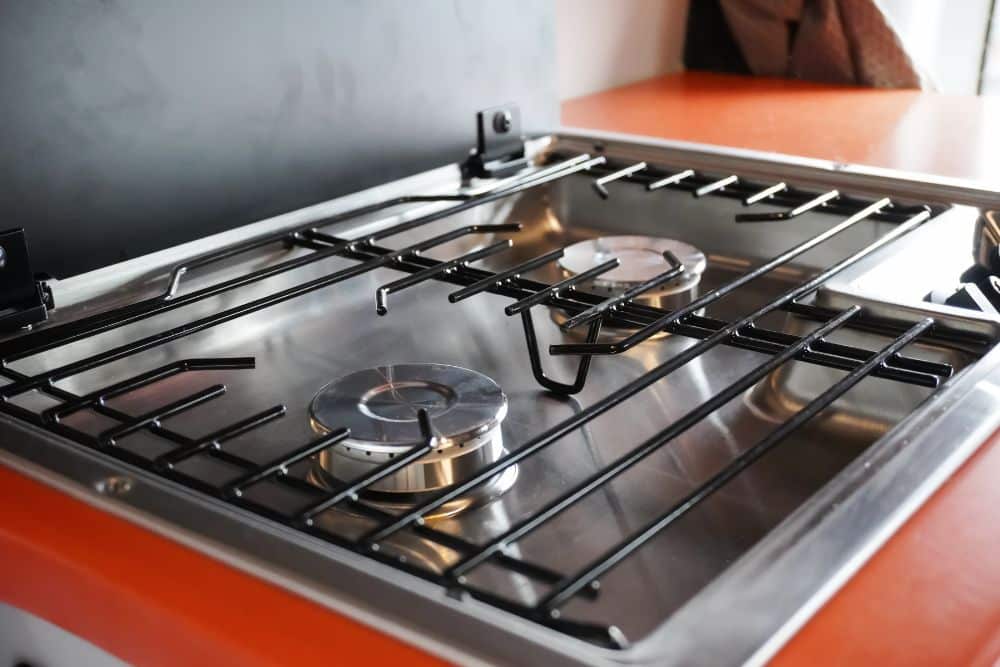
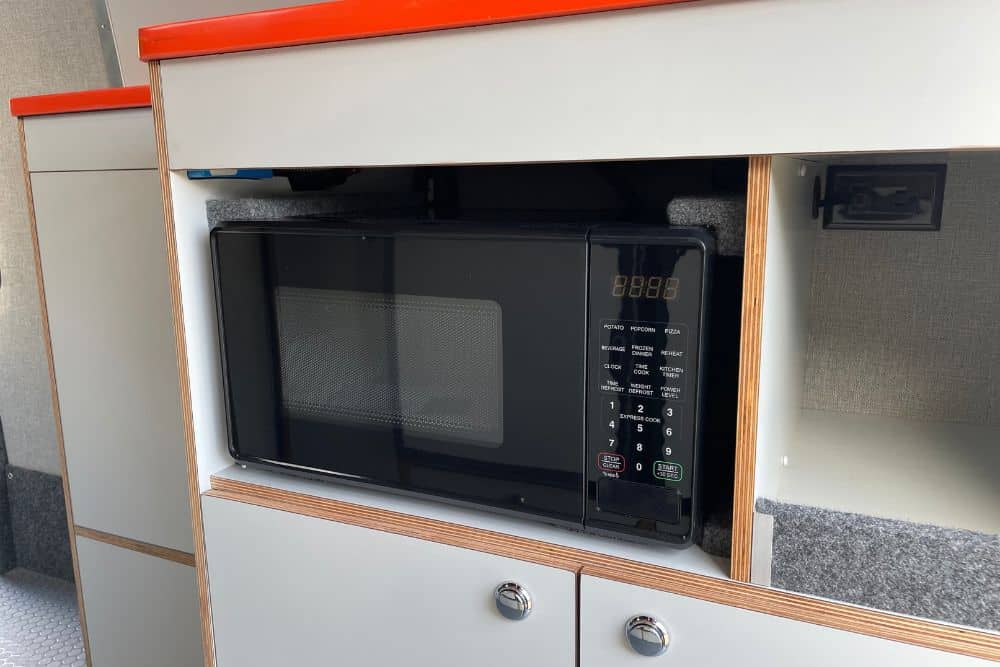
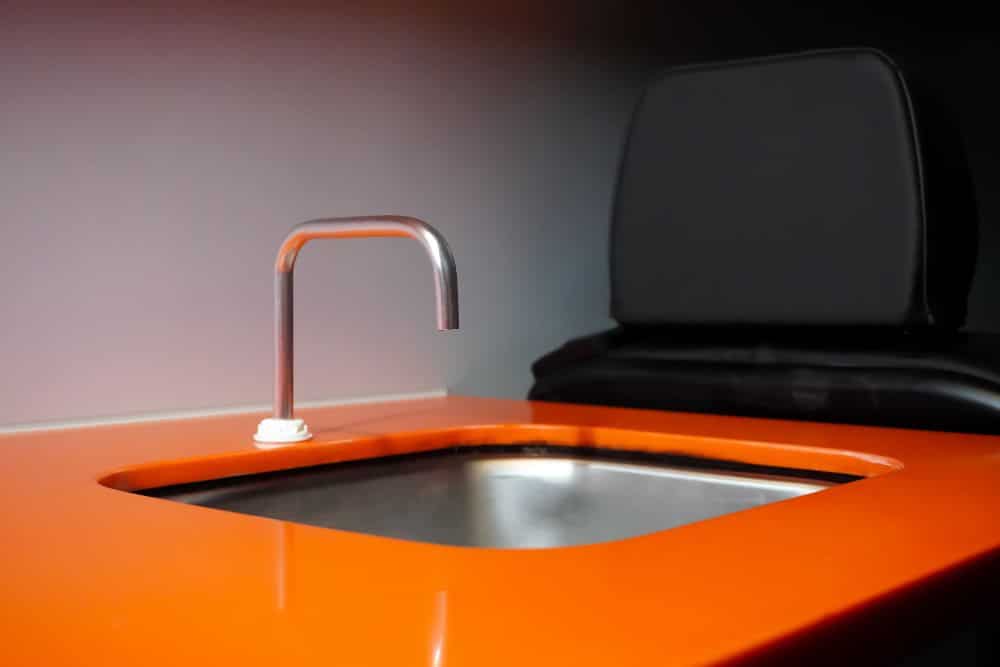
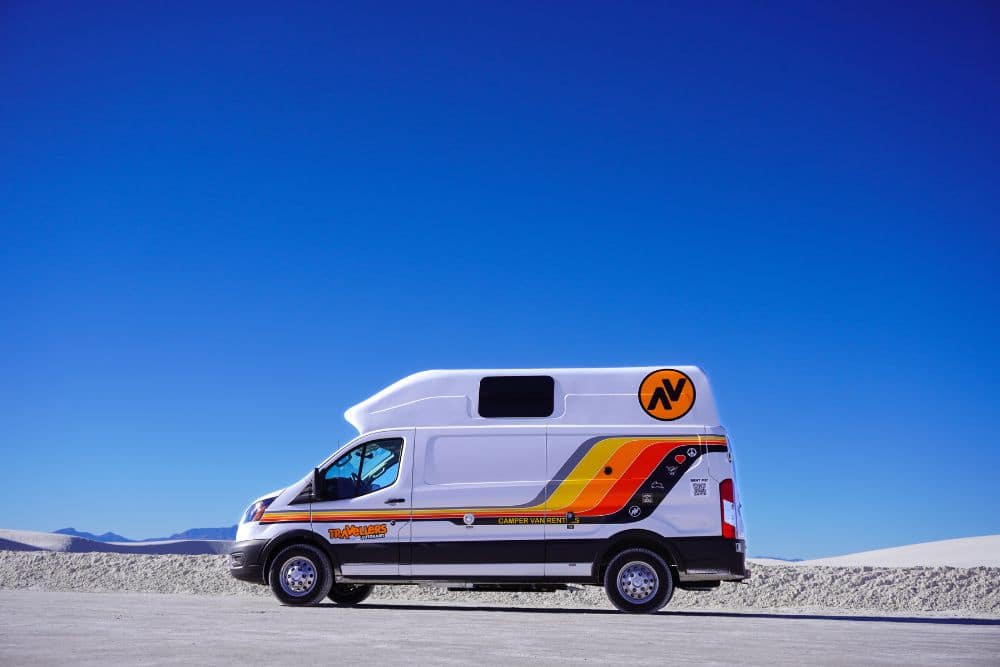
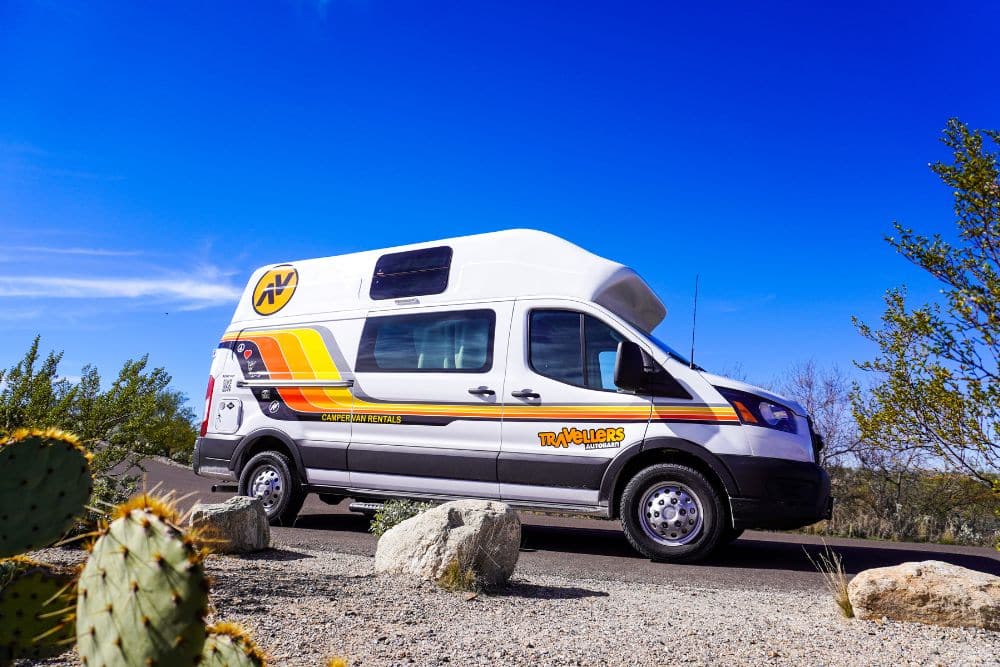
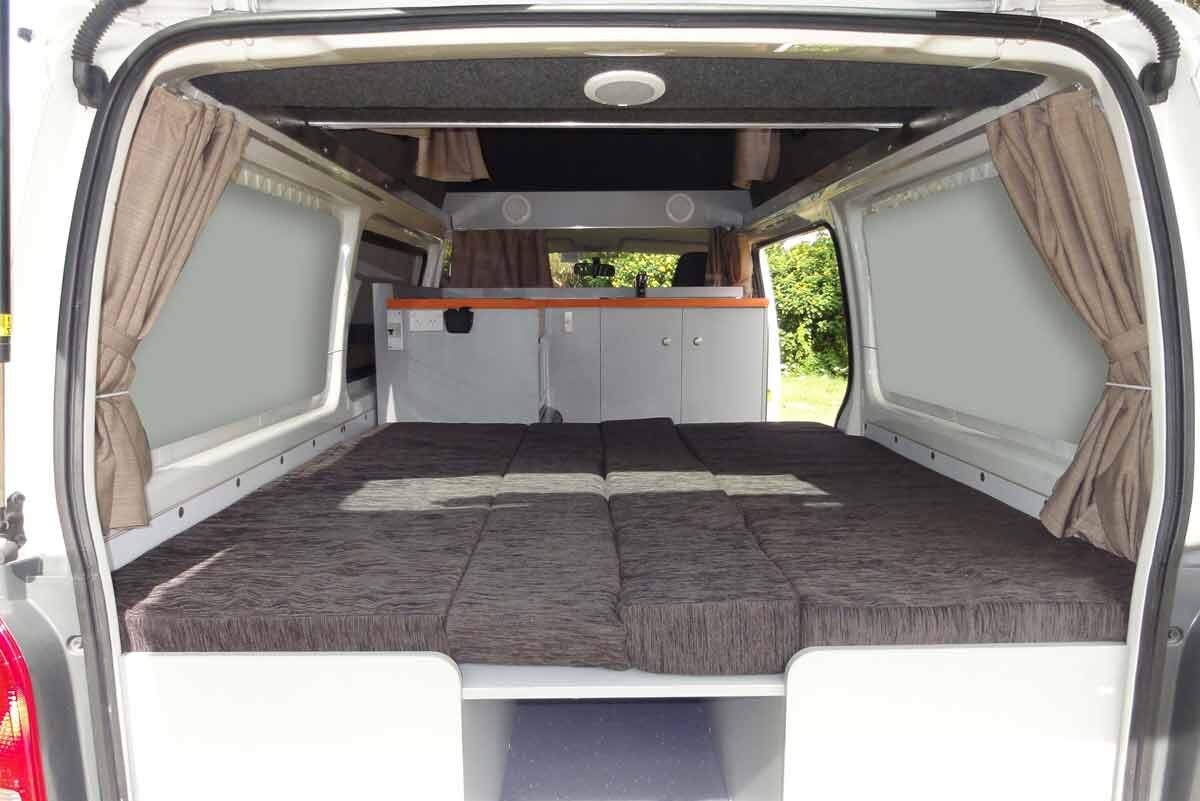
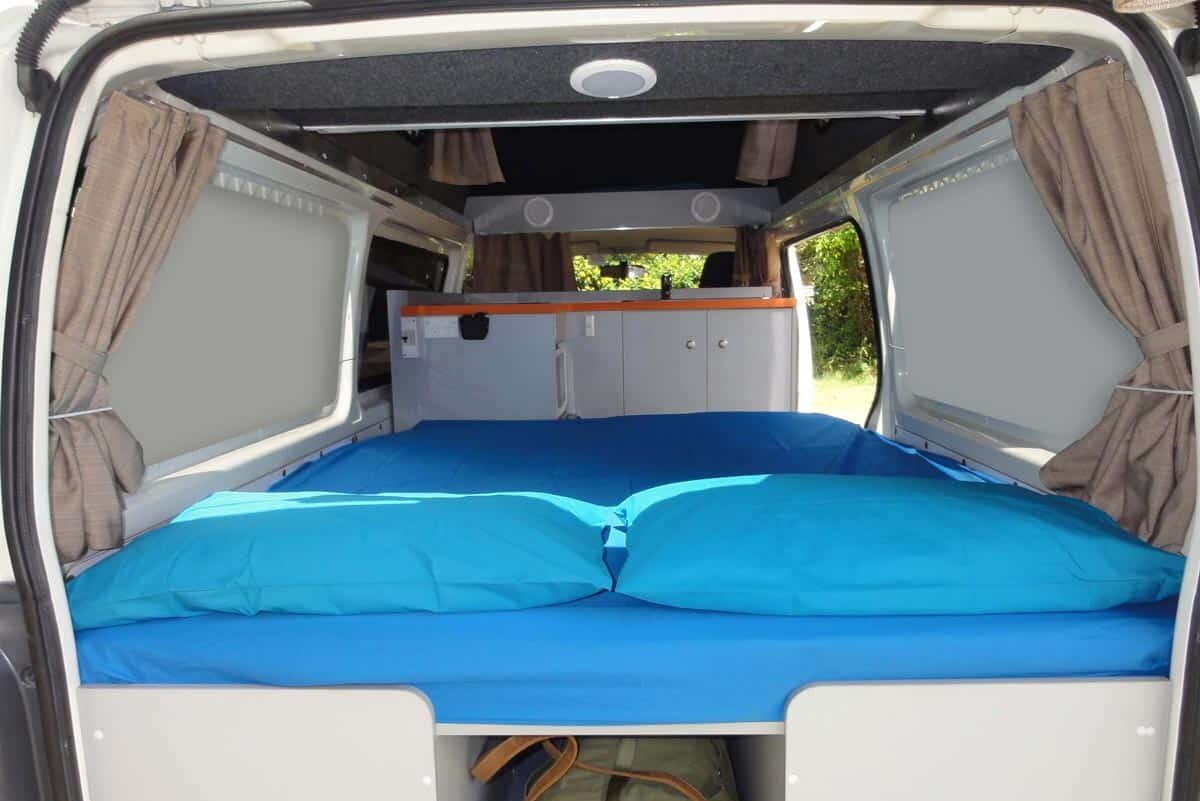
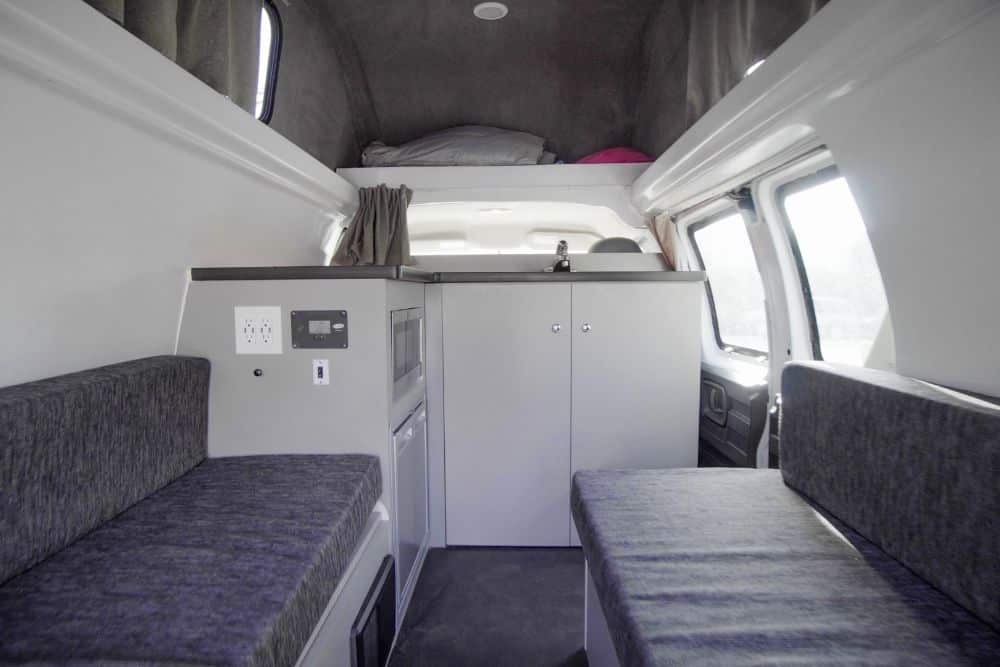
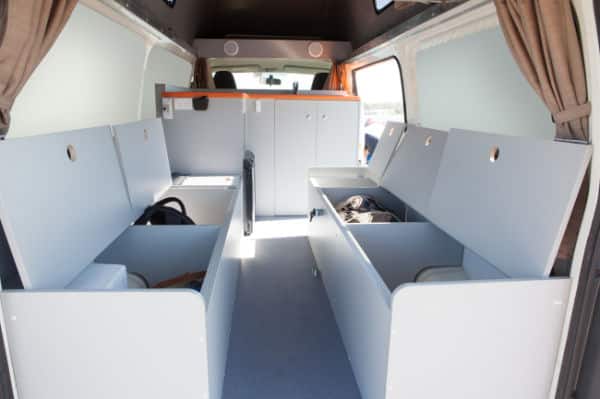
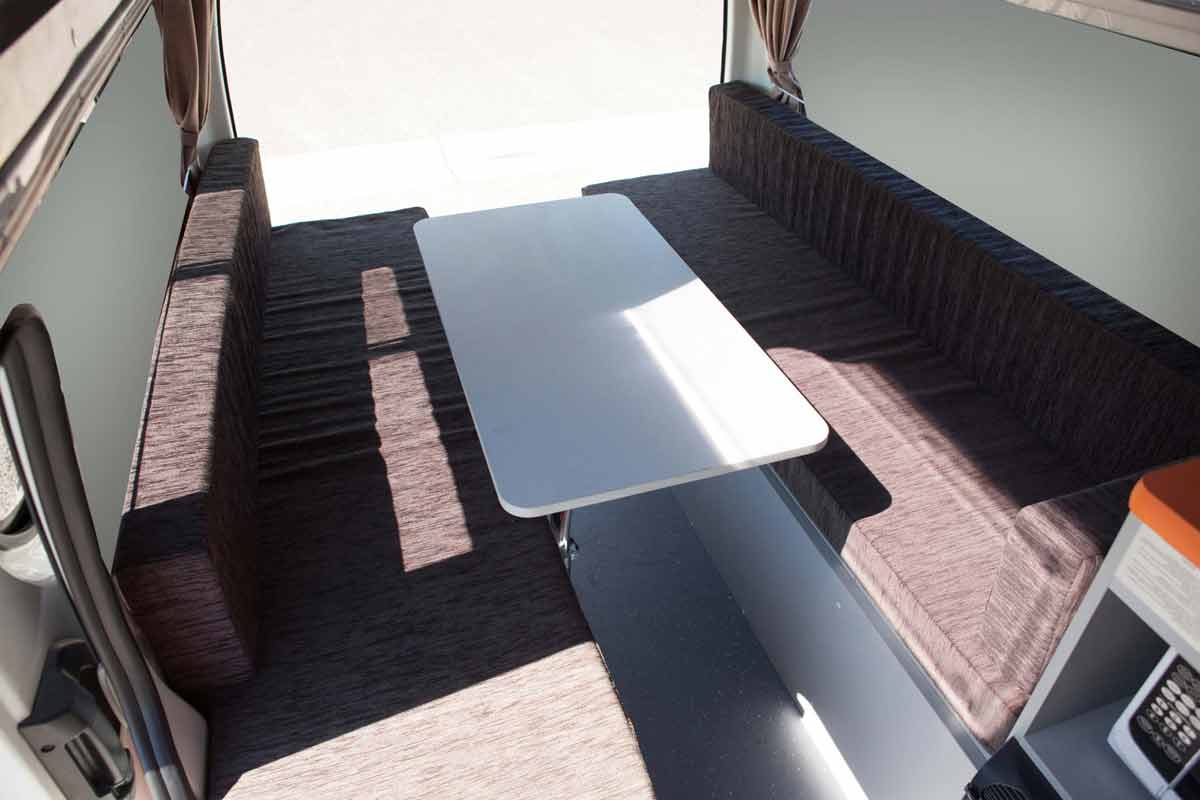
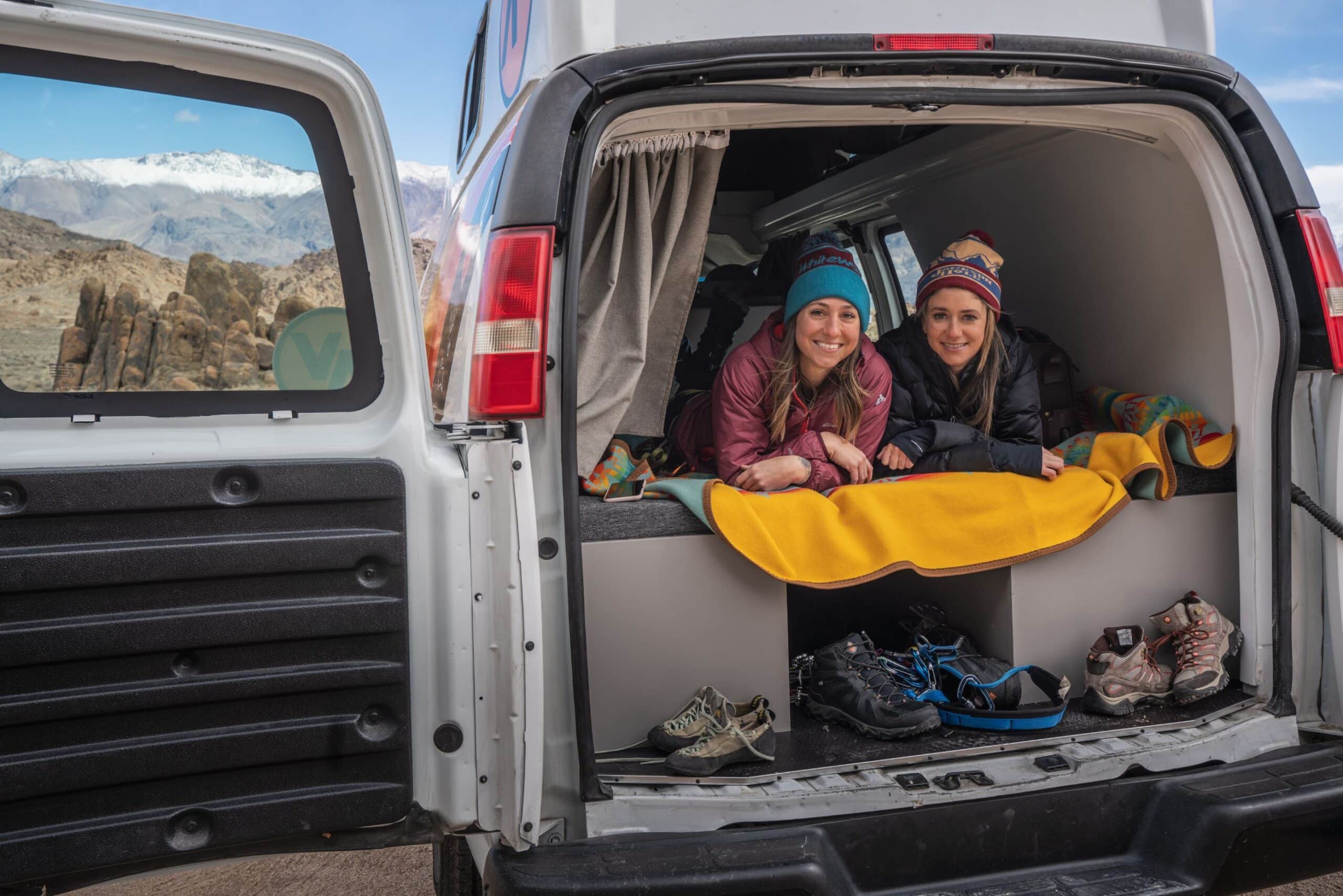
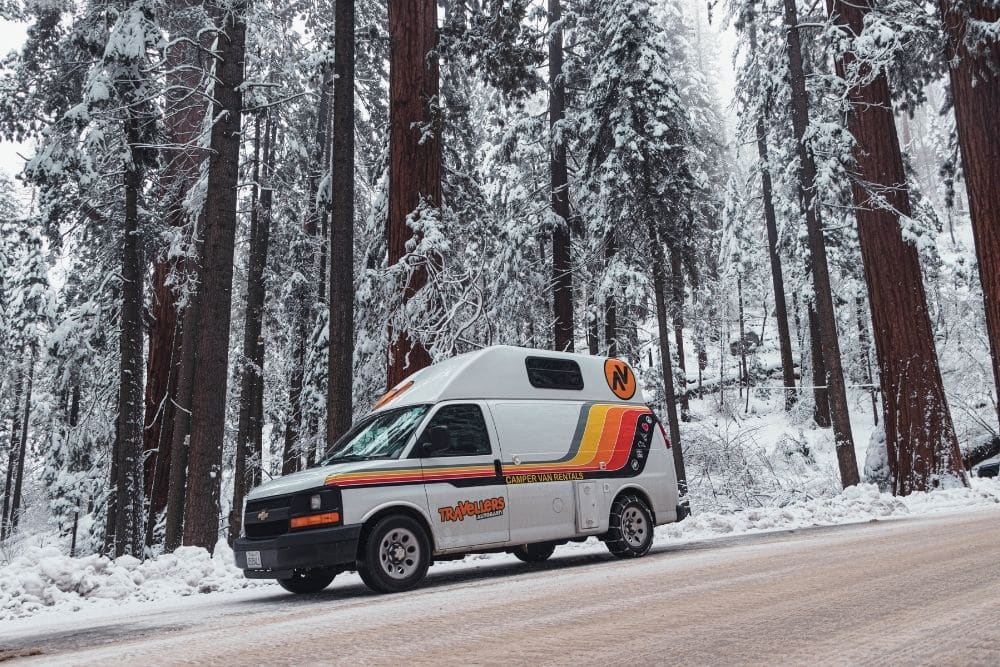
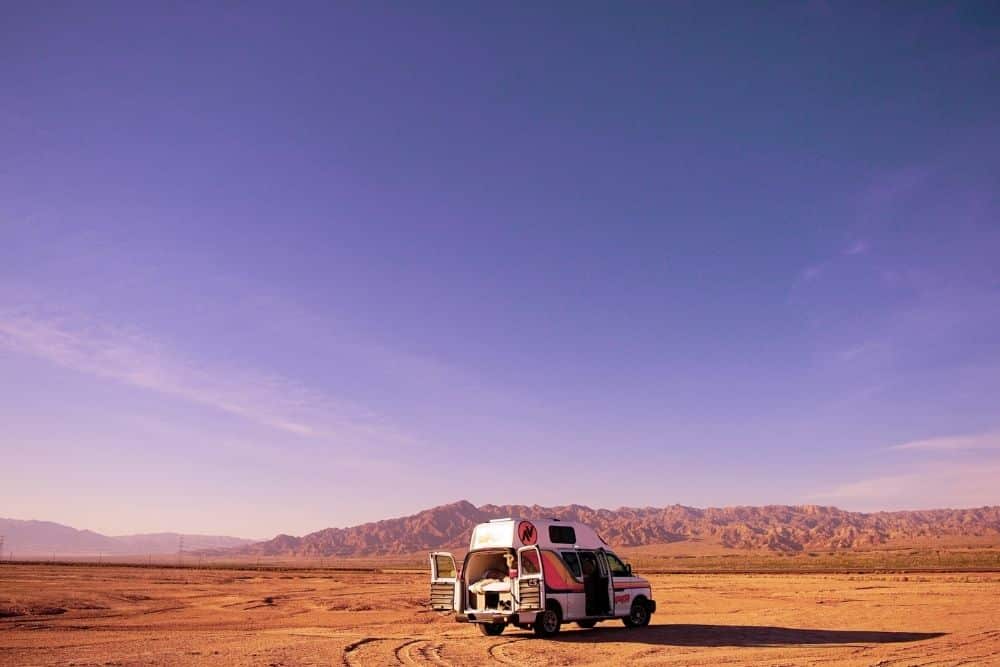
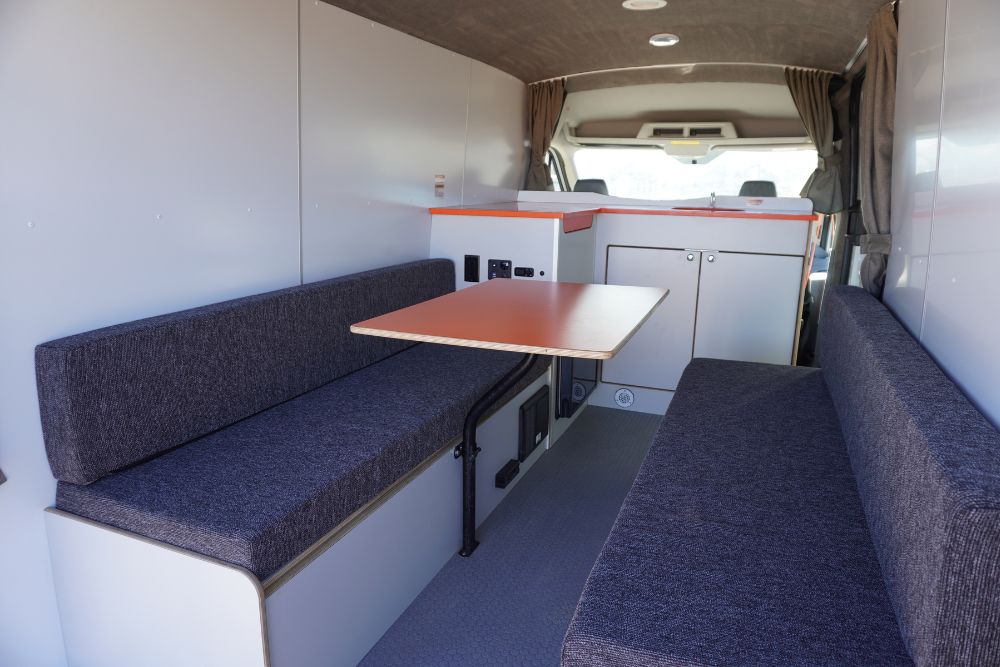
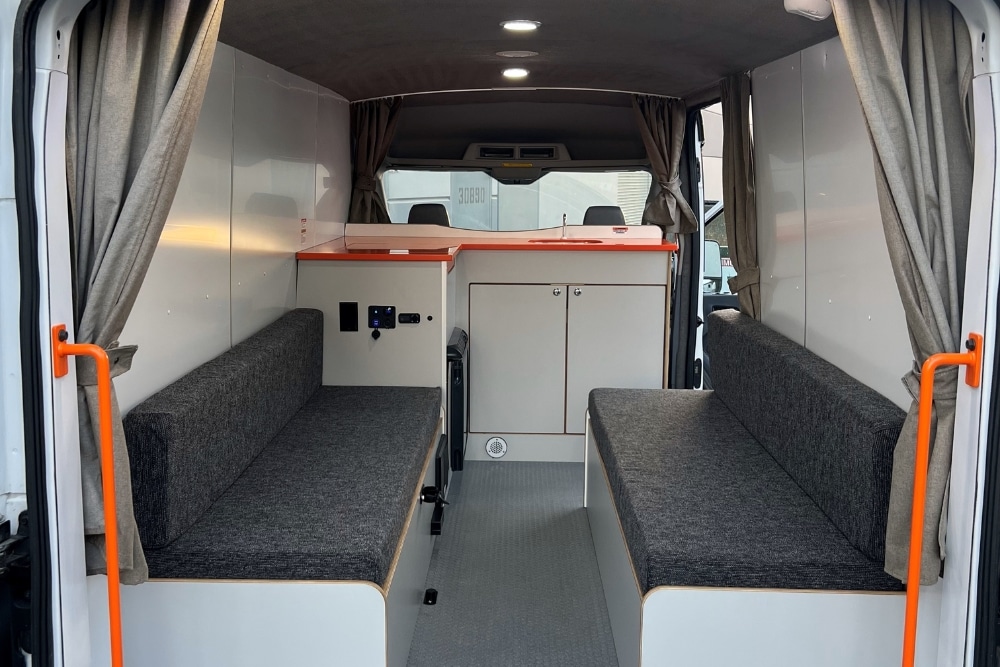
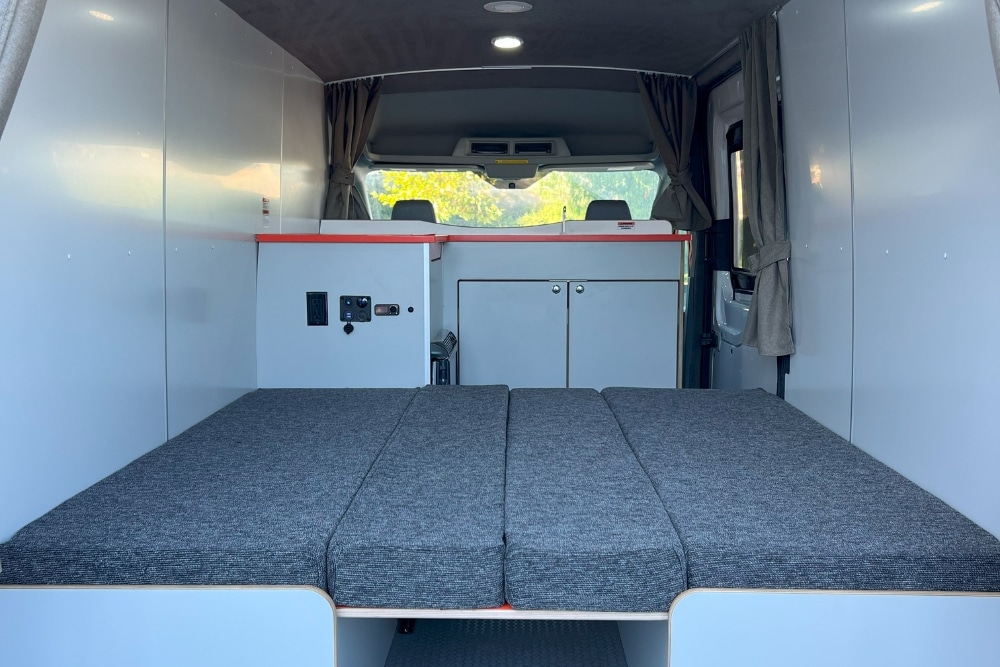
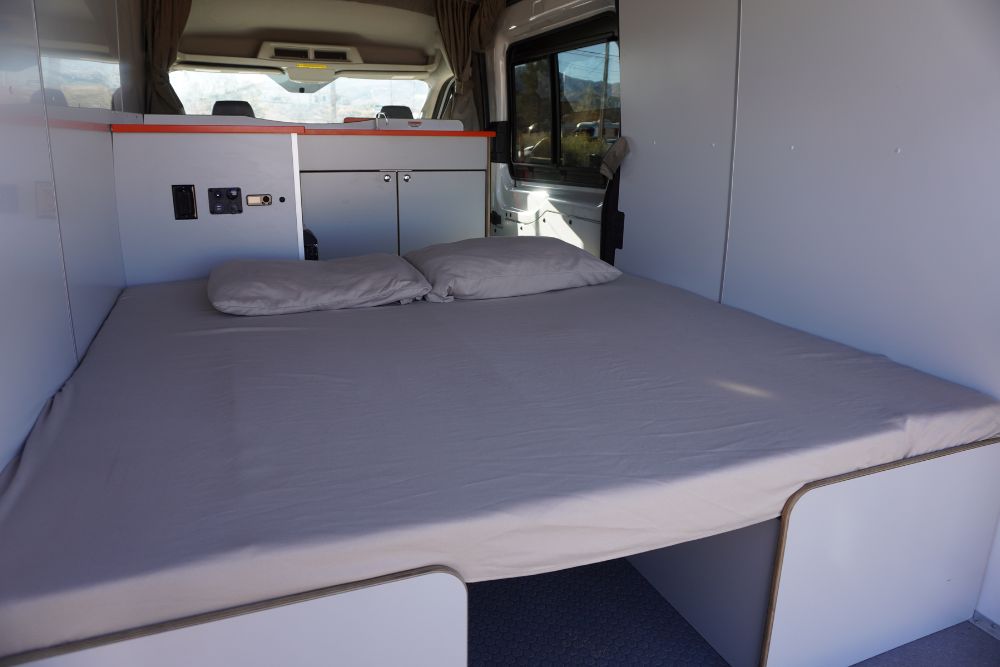
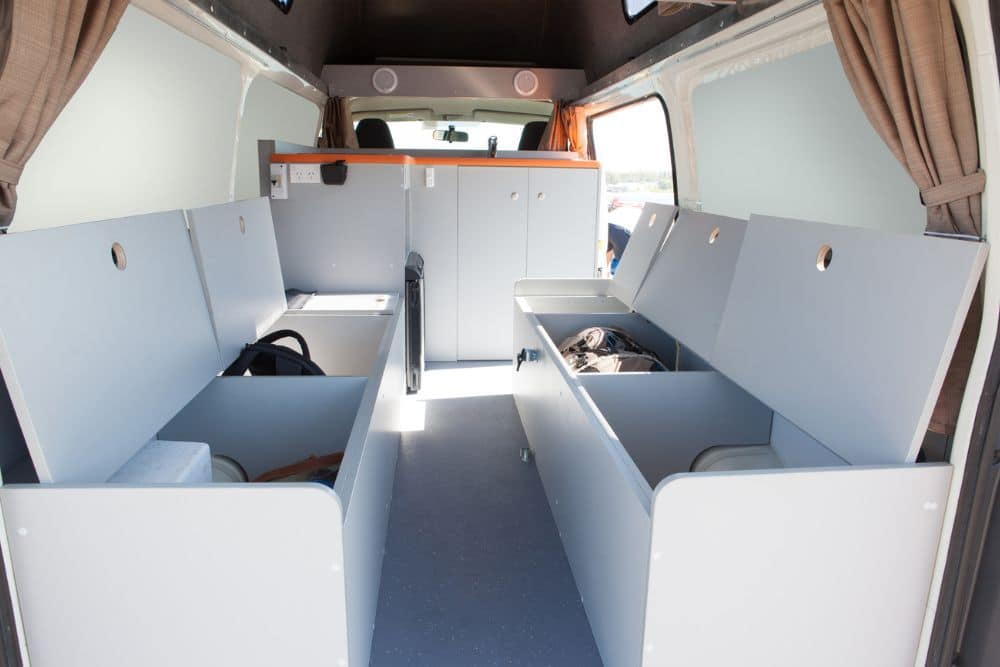
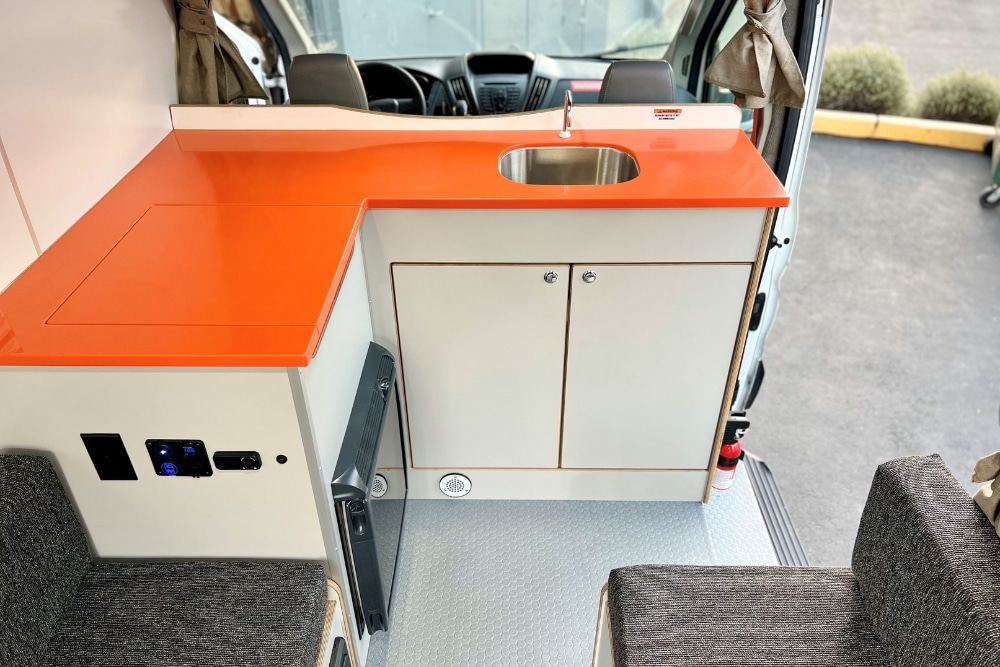
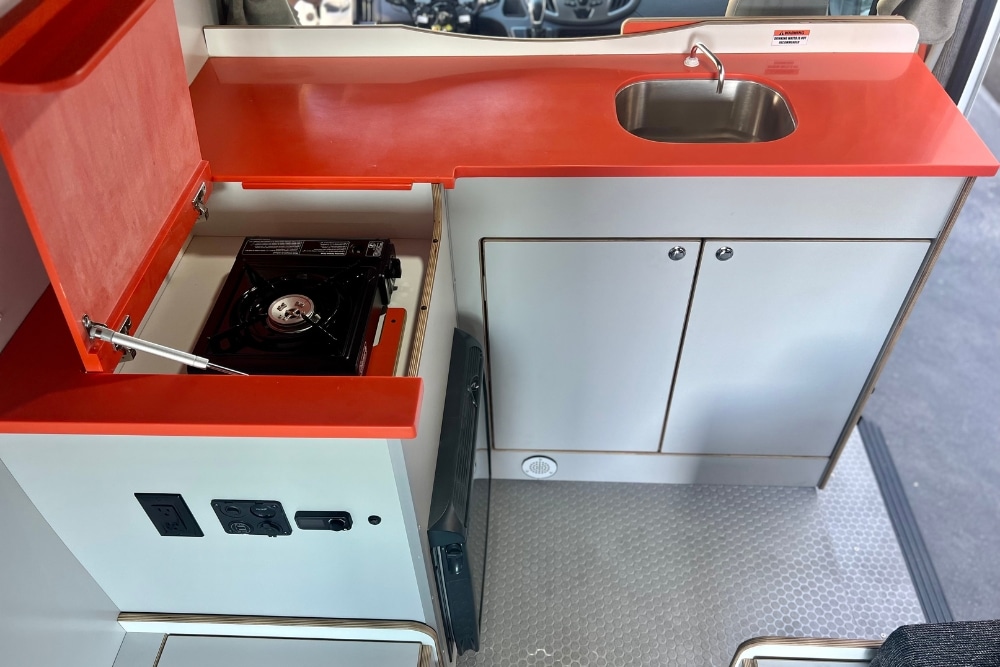
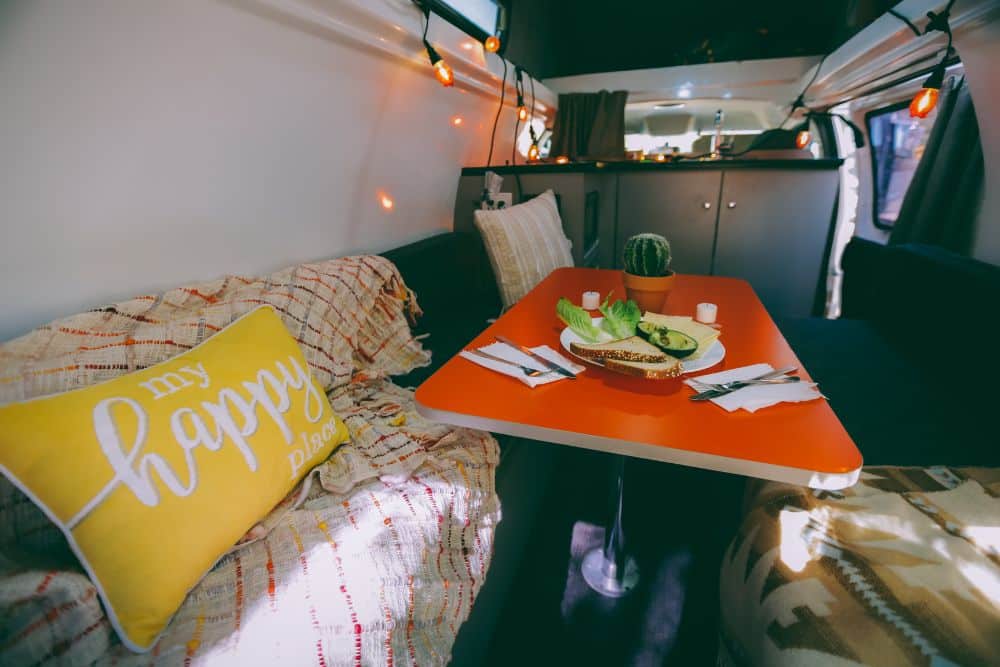
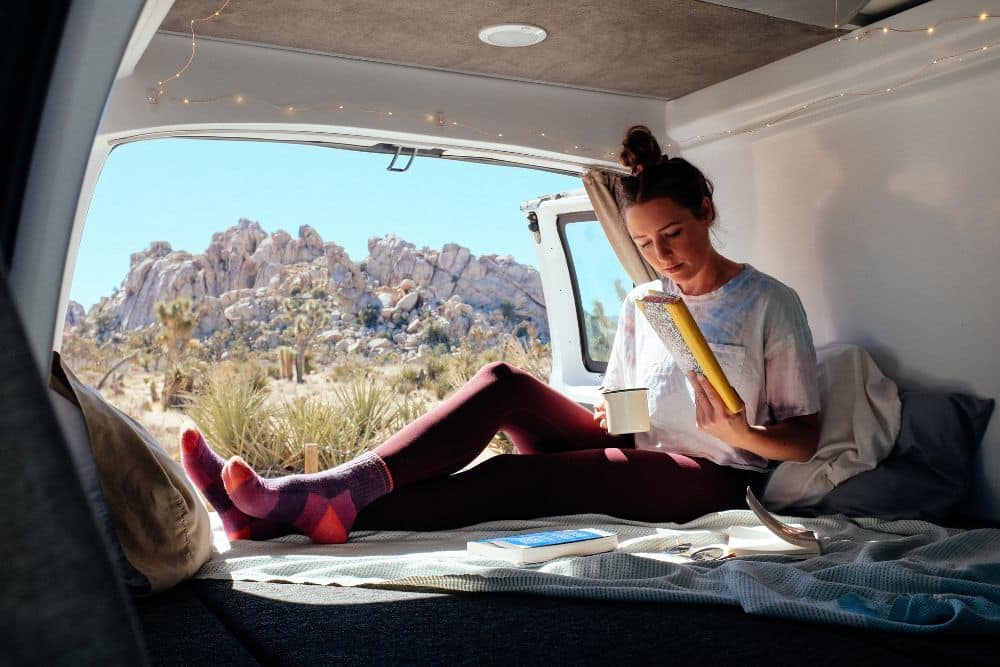
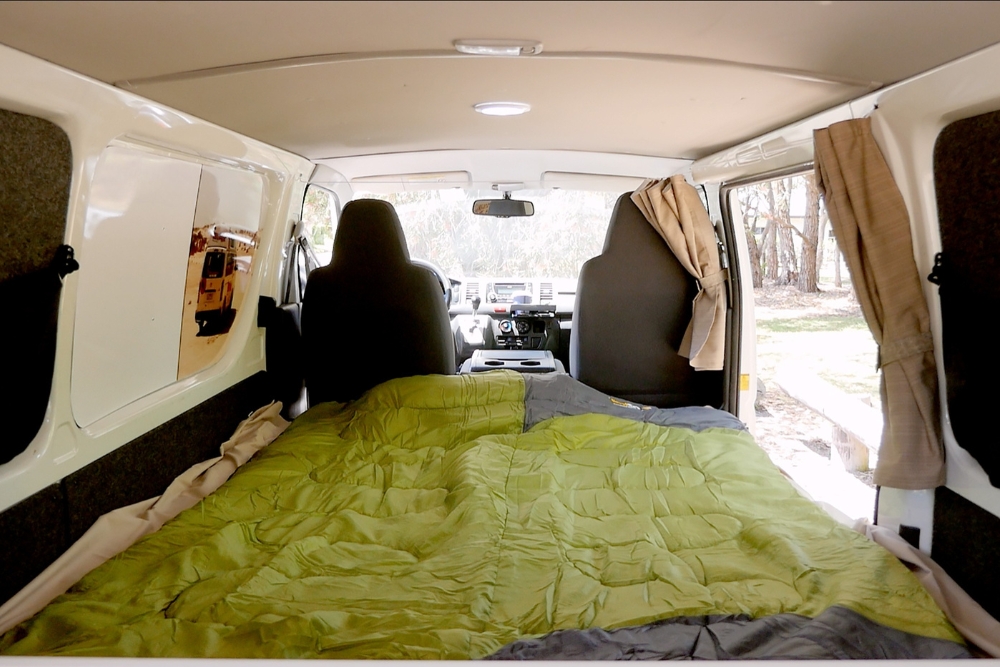
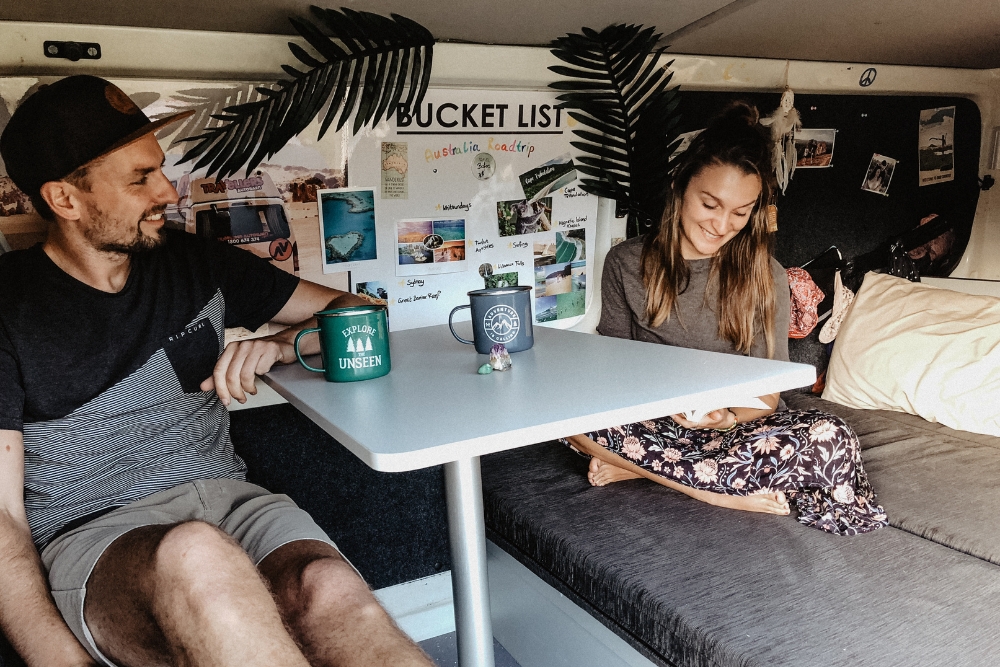
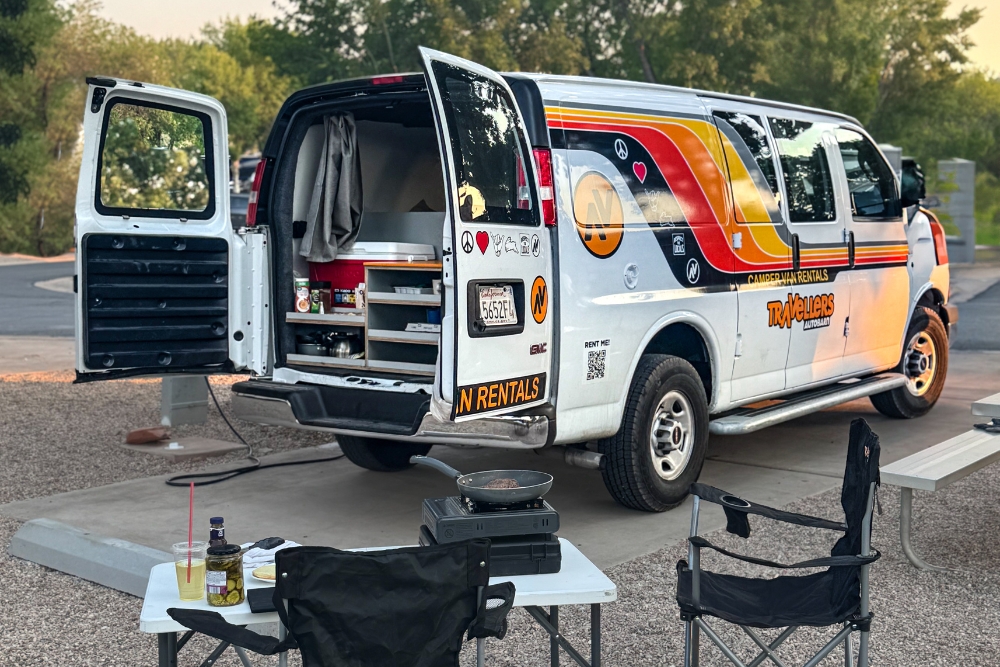
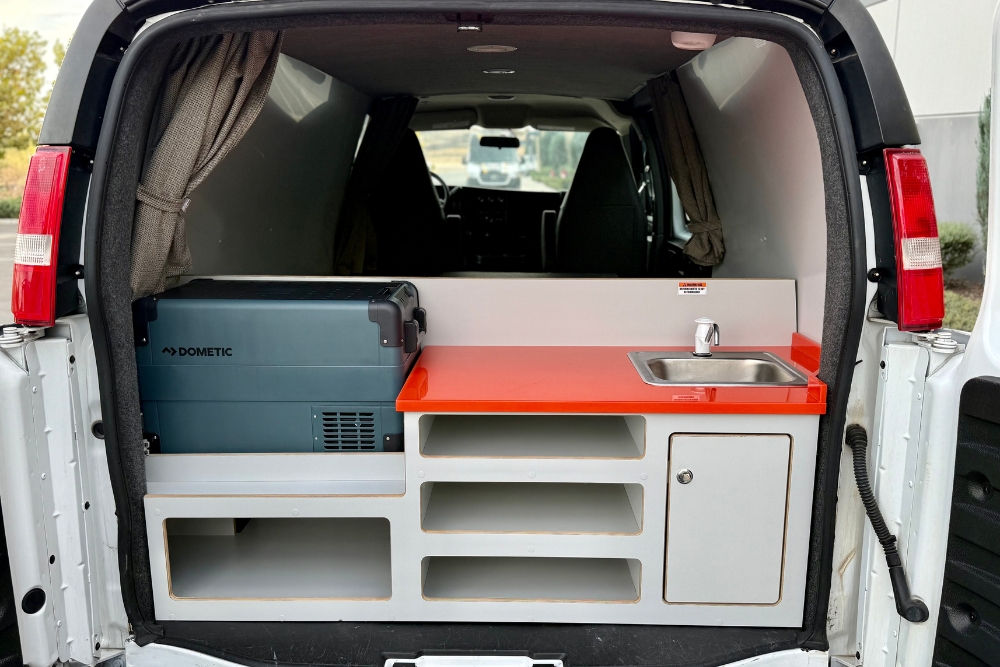
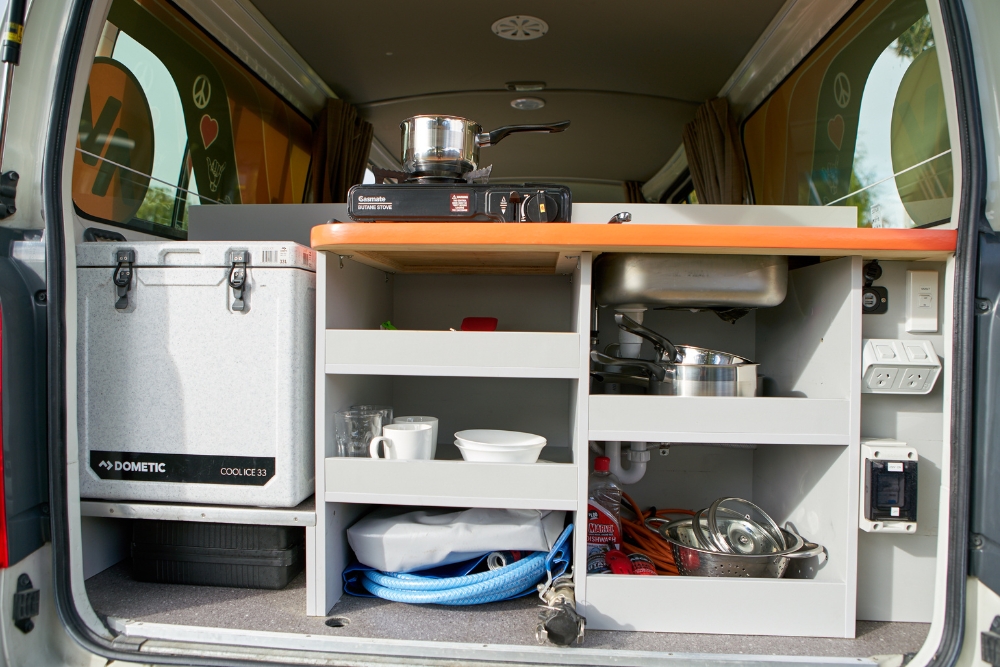
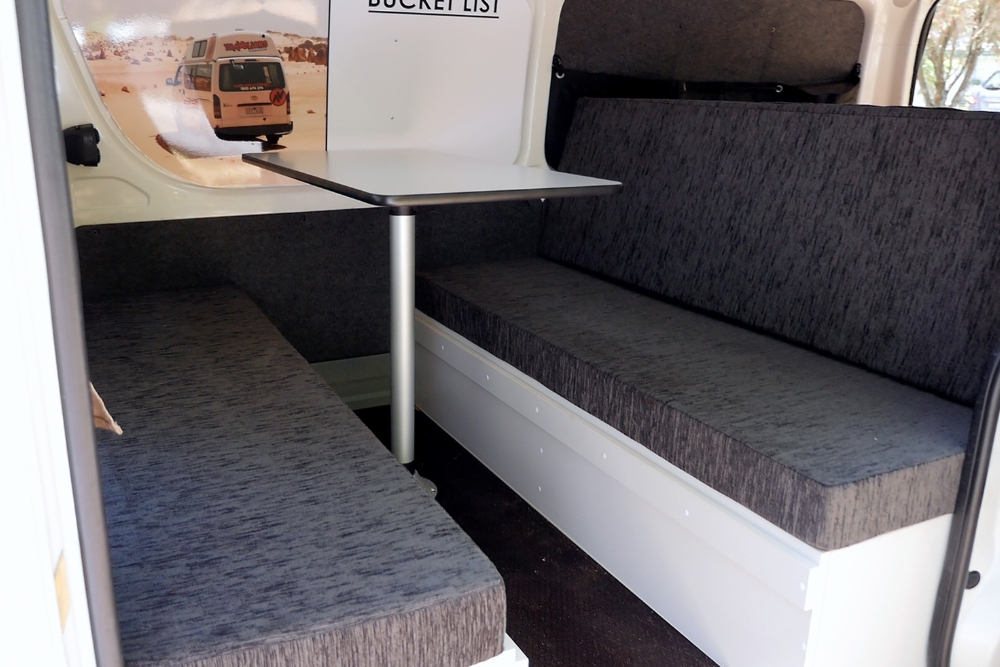
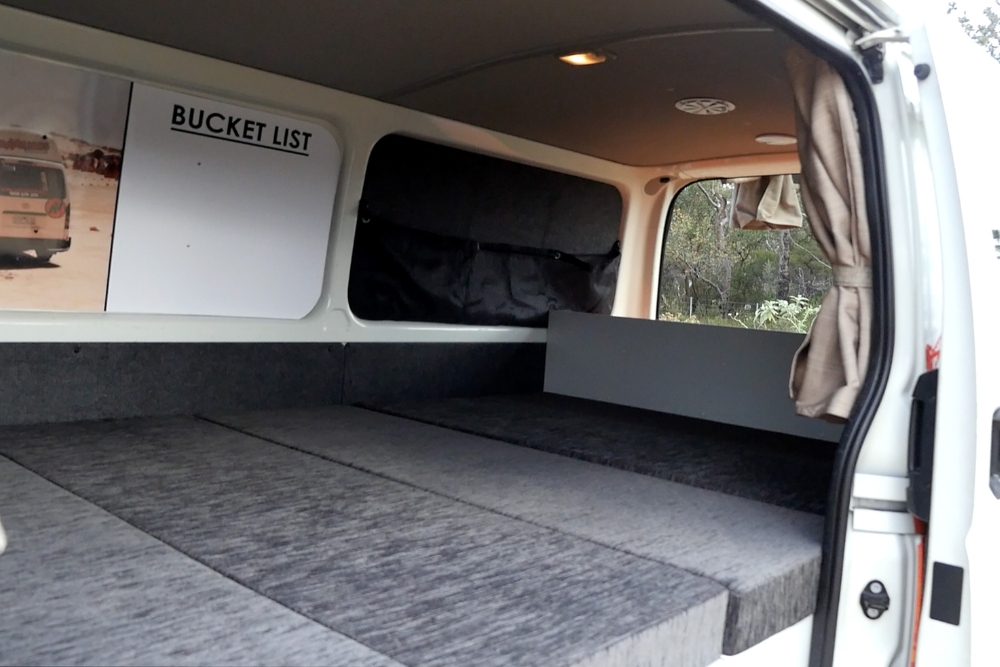
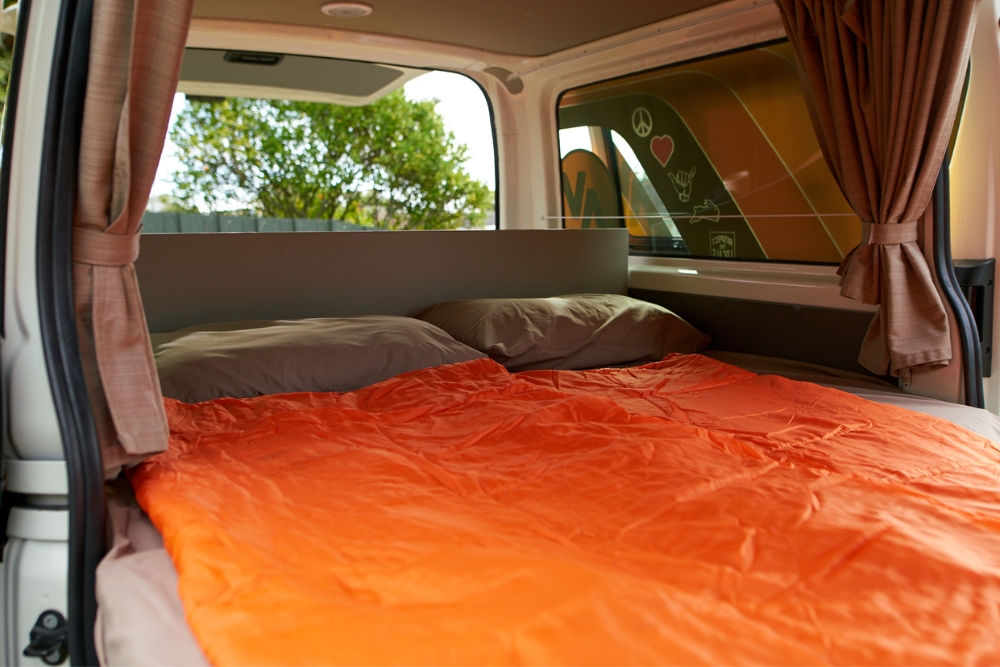
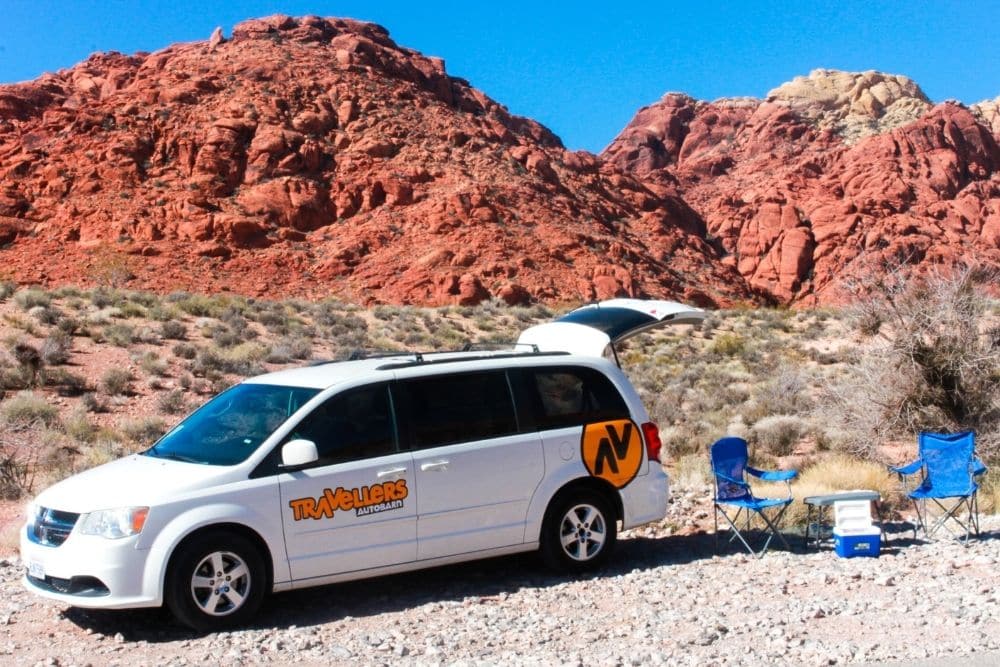
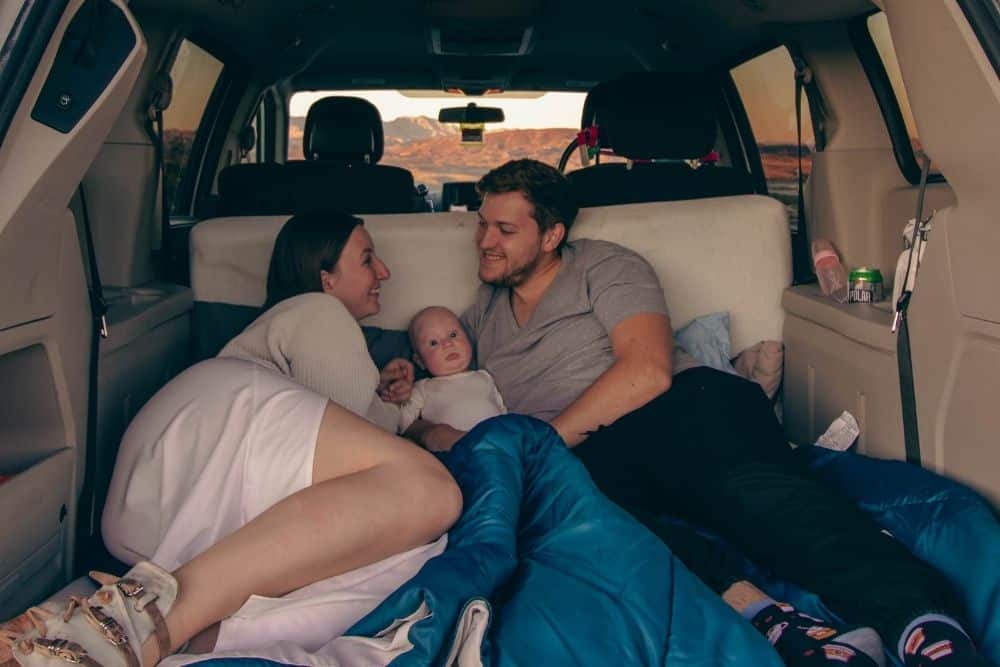
A campervan gives you what you actually need out there: a proper bed, a small but functional living space, shade from the desert sun, and enough ventilation to ride out dust storms. At the same time, it’s compact enough to park without turning your camp into a wall of RVs – something Burning Man actively discourages.
Big motorhomes have their place, but they can feel like overkill on the playa. They’re harder to maneuver through gate traffic, trickier to position within camp, and can unintentionally isolate you from the people around you. A campervan keeps things simple – easier drive in, easier setup, easier exit.
And while tent camping might sound romantic, it’s a different story when you’re waking up at 8am in 100°F heat with nowhere to hide from the sun or the dust. Hotels aren’t a real alternative either – Gerlach has almost no capacity, and Reno is a solid two-hour drive each way, which defeats the whole point of being there.
If you want to see how different setups compare in more detail, check out our Compare Campervans page.
Expert quote
“After a year or two on the playa, a lot of Burners realize bigger isn’t better. Campervans give you the essentials without the bulk – easier to manage, easier to place in camp, and a lot less hassle when it’s time to pack up and get out.” – Harrison Greig, Social Media and Marketing Content Manager, Travellers Autobarn
Choose Your Pickup City: LA, Las Vegas, or San Francisco
Where you pick up your vehicle isn’t just a logistics decision – it shapes your entire trip. Drive time, fuel stops, RV rental availability, even how stressed you feel rolling into the gate all come back to this choice.
Here’s the quick breakdown before we get into the details:
| Pickup city | Drive time to BRC | Distance | Route highlights | Best for |
|---|---|---|---|---|
| Los Angeles | 9–10 hours | ~580 mi | Eastern Sierra, Mammoth Lakes, Reno option | Cheapest rentals, road trips, more vehicle choice |
| Las Vegas | 7–8 hours | ~450 mi | Central Nevada desert, Tonopah | Balanced option, good availability, Vegas add-on |
| San Francisco | 6–7 hours | ~340 mi | Reno, Pyramid Lake, classic Burner route | Shortest drive, most direct, but highest demand |
Los Angeles to Black Rock City
If you’ve got the time, picking up your vehicle in LA turns the journey into part of the experience. The drive clocks in around 9-10 hours (roughly 580 miles), typically heading up I-5 before cutting across to CA-14, then joining US-395 along the Eastern Sierra, and finally connecting to NV-447 for the run into Black Rock City.
The big upside here is cost and choice. LA usually has the best availability and lower rates, which matters when demand spikes around Burning Man. If you’re flying into LAX or planning to stretch this into a multi-day road trip, this is easily the most flexible option – think overnight stops near Mammoth Lakes or breaking things up in Reno.
Fuel and planning matter more on this route, especially toward the end. Once you’re past Reno and heading onto NV-447, services thin out fast – no casual gas stops, no last-minute water runs. Fill everything before you leave civilization.
Route snapshot:
I-5 N → CA-14 N → US-395 N → NV-447 N → Black Rock City
Key stops: Lone Pine / Bishop / Mammoth Lakes / Reno
If you’re going this route, the free unlimited miles on a rental can make a real difference – you’re covering serious ground. Check out Campervan Rental Los Angeles and pair Burning Man with a longer Los Angeles road trip if you’ve got the time.
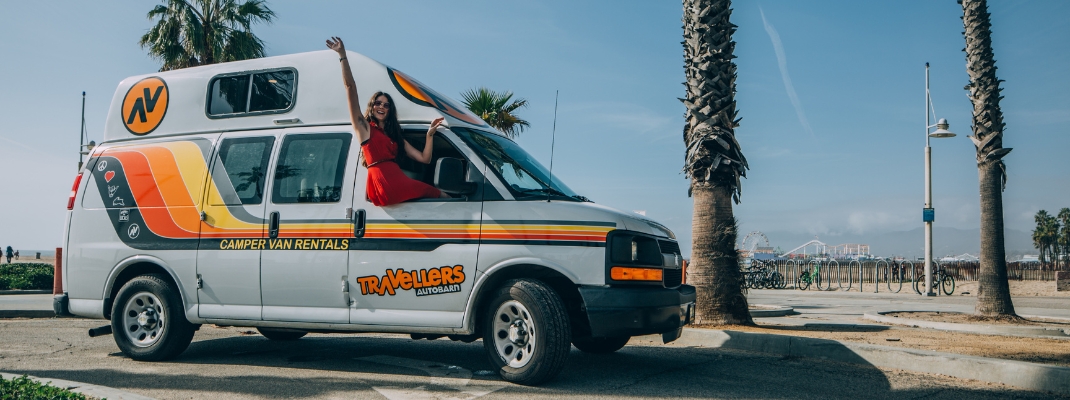
Las Vegas to Black Rock City
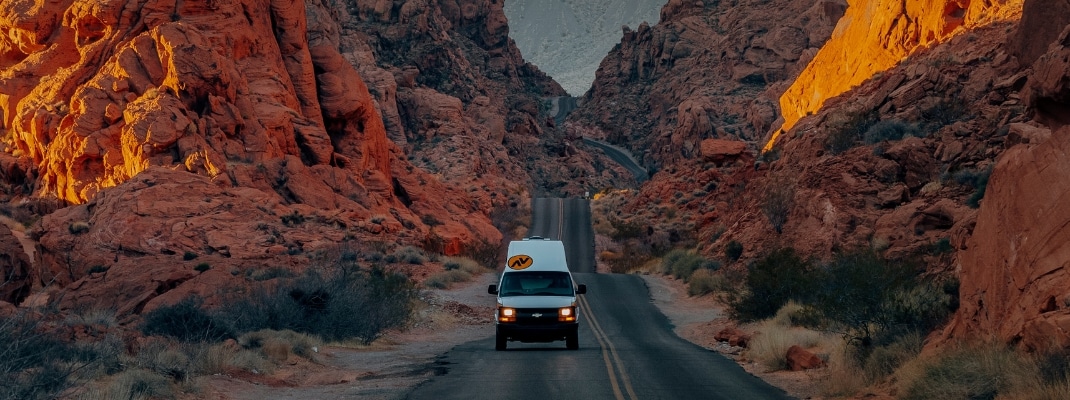
Las Vegas sits right in the middle – about 7-8 hours and roughly ~450 miles to Black Rock City. Most routes take you north on US-95 through the heart of Nevada, passing through places like Tonopah before cutting across to NV-447.
This drive feels remote in the best way – wide open desert, long empty stretches, and just enough small towns to keep you moving. But don’t get complacent: fuel stops are limited, and distances between them are bigger than you think. Plan ahead for your trip and top up whenever you can.
Vegas is also a popular choice for people who want to bookend their Burn with a proper blowout. Fly in, stock up, maybe enjoy a night in a real bed – then hit the road.
Vehicle availability here is usually better than Reno, which gets picked clean early. It’s a solid middle-ground option: not the shortest drive, not the longest, but often the easiest to pull off without stress.
Route snapshot:
US-95 N → Tonopah → NV-447 N → Black Rock City
Key stops: Beatty / Tonopah / Fallon
If Vegas fits your plans, check out Campervan Rental Las Vegas and map out a few detours with a Las Vegas road trip before heading north.
San Francisco to Black Rock City
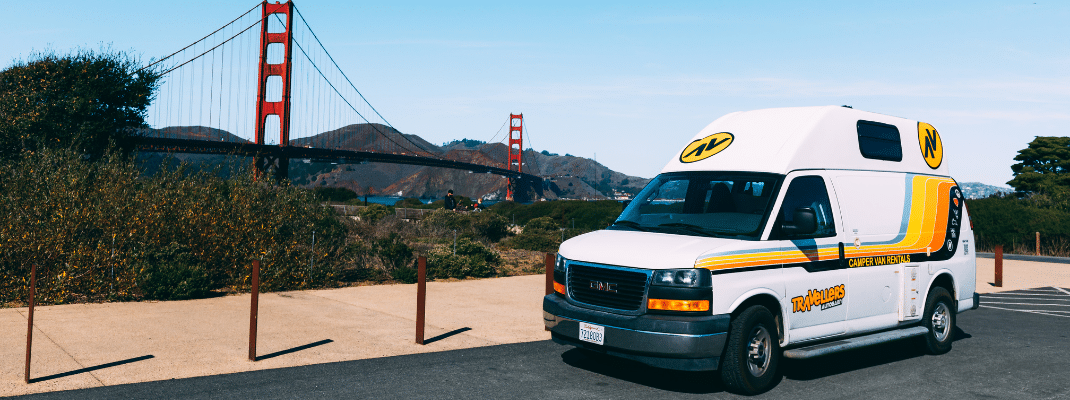
This is the classic route – and the shortest. From San Francisco, it’s about 6–7 hours (around 340 miles), heading east on I-80 to Reno, then north via NV-447 through Wadsworth and Gerlach into Black Rock City.
From Reno, you’ve got two main trip options: the standard route via Wadsworth (I-80 Exit 43), or the slightly more scenic drive past Pyramid Lake via Highway 445/446. Both get you there, but whichever you choose, follow official directions and avoid Jungo Road – it might look like a shortcut, but it’s notorious for wrecking vehicles.
Your last reliable fuel and supply stops are in Fernley or Wadsworth. After that, it’s all about being self-sufficient until you leave the playa.
Route snapshot:
I-80 E → Reno → NV-447 N → Gerlach → Black Rock City
Key stops: Sacramento / Reno / Fernley / Wadsworth
If you’re starting here, explore Campervan Rental San Francisco and plan ahead for San Francisco road trips. This is the most convenient route, but also the most competitive.
Expert quote
“As the spiritual ‘home’ route for Burning Man (the event started at Baker Beach in San Francisco in 1986), it’s also the most in-demand pickup location by far. Rentals here book out fast – often months ahead of the event – so if San Francisco is your preferred start point, you’ll want to lock it in early.” – Harrison Greig, Social Media and Marketing Content Manager, Travellers Autobarn
How to Prepare Your RV for Playa Conditions
This is the part that makes or breaks your trip – and your security deposit. Playa dust isn’t just annoying, it’s ultra-fine, alkaline, and relentless. If there’s a gap, it will find it. The goal here isn’t perfection (that’s impossible), it’s damage control to keep your living space usable and your vehicle in decent shape.
Here’s exactly what to do (and what you need to buy) before you hit the playa:
- Seal every possible entry point (before you arrive)
Use painter’s plastic and duct tape to seal windows, door edges, vents, and any tiny gaps where dust from dust storms could sneak in. Do this before you drive onto the playa – once you’re out there, it’s already too late. - Protect the floors first
Lay down plastic sheeting, builder’s paper, or even cardboard across all floor areas. This takes the brunt of the dust and makes cleanup way easier later. - Cover soft surfaces
Use old sheets or cheap drop cloths over seats, mattresses, and cushions. Anything fabric will trap dust, so give yourself a removable layer you can shake out or toss. - Manage airflow (don’t fully seal yourself in)
You’ll need some ventilation, especially at night. For any vents you want to keep open, tape AC filter material over them – it lets air in while catching a surprising amount of dust. - Reflect the heat away
Cover exterior windows with reflective insulation (like Reflectix) and tape it down properly. The desert sun is relentless, and loose coverings will get ripped off in the first decent wind gust. - Leave one or two windows for controlled airflow
Don’t seal everything airtight. Pick one or two shaded windows, cover them with filter material instead of plastic, and use them to keep air moving through the vehicle. - Fill your fresh water tank completely
Top up before you arrive and bring extra water in separate containers. You’ll use more than you think, especially for drinking, basic washing, and staying human in the heat. - Empty gray and black water tanks beforehand
Start with a clean slate. Dumping gray water or waste on the playa is strictly prohibited, and you don’t want to be dealing with full tanks halfway through the week. - Pack a simple “entry kit” for arrival day
Keep tape, scissors, extra plastic, and wipes easily accessible. You’ll likely need to patch things, reinforce seals, or deal with dust immediately after arrival – having this within reach saves a lot of frustration.
Do this right, and your campervan stays liveable all week. Skip it, and you’ll be eating, sleeping, and breathing playa dust by day two.
The Burning Man Supplies Checklist (Radical Self-Reliance Starts Here)
Out on the playa, radical self-reliance isn’t some abstract principle – it’s the difference between having an incredible week and having a very long, uncomfortable one. There are no grocery stores, no last-minute supplies, and no backup plan if you forget something essential. Aside from ice and coffee at Center Camp, you’re on your own.
Start with enough water. Seriously. Everything else is secondary.
Water & Food
- Water: Minimum 1.5 gallons per person per day – that’s ~10.5 gallons per person for the entire week (plus what’s in your RV tank)
- Extra water for washing dishes, basic hygiene, and emergencies
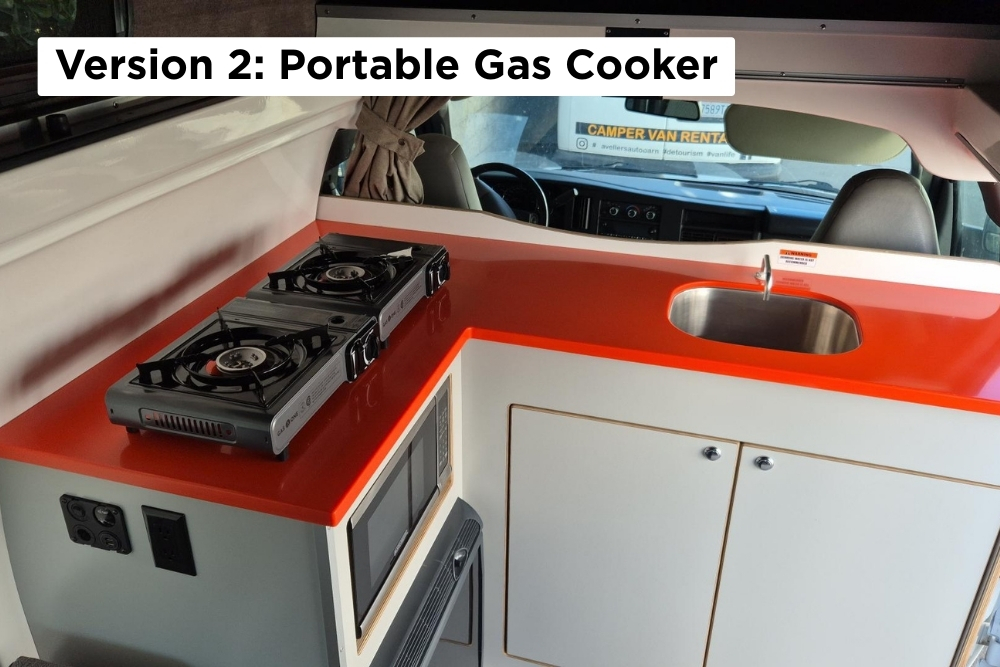
- All meals planned for the entire week – breakfast, lunch, dinner, snacks – that can be easily prepared in your campervan kitchen
- Electrolytes or hydration salts (hugely underrated in the desert)
- A backup cooler in case your RV fridge struggles in extreme heat
Comfort & Shelter
- Shade structure (tarp, or pop-up) for outside your RV
- Battery-operated or rechargeable fans for airflow
- Reflective insulation (if you haven’t already installed it)
- Camp chairs and a small outdoor table
- Bedding suitable for hot nights and cooler early mornings
Playa Essentials
- High-SPF sunscreen (you’ll use more than you think)
- Goggles for dust storms
- Dust mask or bandana for breathing when it kicks up
- Lip balm (the dry air will wreck you otherwise)
- LED lights / EL wire for night visibility – this is for safety, not decoration
- Headlamp or flashlight
- Bike (non-negotiable – the city is huge)
- Bike lights and a lock
- Trash bags – everything in, everything out (leave no trace)
Fun Stuff (a.k.a. Why You’re Actually There)
- Costumes, outfits, and layers for day/night
- Small gifts or items to share (no expectation, just part of the culture)
- Anything that supports your self-expression – art, music, props, weird ideas
- A good attitude and a bit of flexibility (things rarely go exactly to plan out there)
If there’s one thing to over-prepare, it’s water. The desert sun and dry air will dehydrate you faster than you expect, and running short isn’t something you can fix once you arrive.
For a deeper dive into packing and life on the road, check out our Campervan Travel Tips but at a minimum, cover this list and you’ll be in a solid position to take care of yourself for the entire week.
Setting Up Camp in Black Rock City
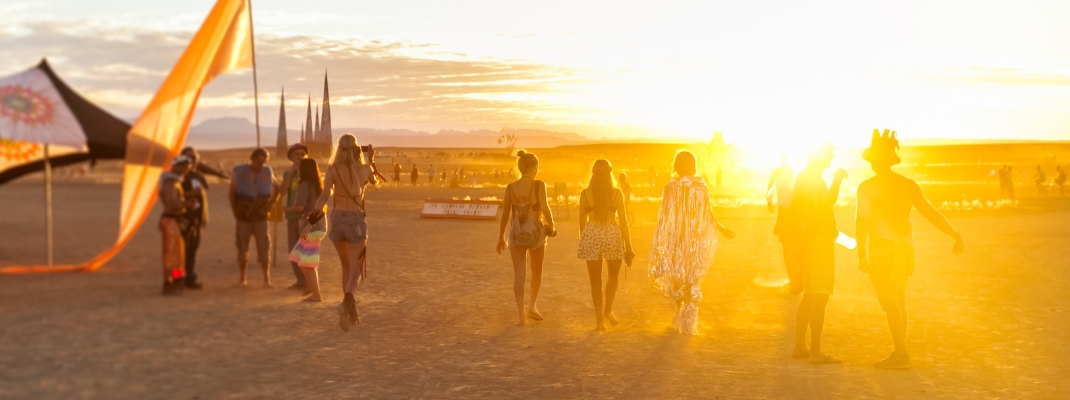
Rolling through the gate into Black Rock City is a moment. After hours of desert driving, you’re suddenly in a fully functioning temporary city – streets mapped out, art rising out of the dust, bikes everywhere, and thousands of people figuring it all out alongside you. It can feel chaotic at first, but the system works – and once you understand how camping is set up, it gets a lot less intimidating.
If you’re in open camping, it’s first-come-first-served. You’ll drive in, find an open stretch, and – this part matters – talk to other Burners around you before you park. Camps tend to grow organically, and a quick conversation avoids awkward reshuffling later. If you’ve pre-arranged to join a theme camp, things are more structured. These camps are placed in advance, clearly marked, and often come with shared infrastructure or a built-in community, which can make your first Burn a lot smoother.
Where you park your RV plays a bigger role than you might expect. It’s not just about convenience – it affects airflow, shared space, and how your camp functions during dust storms. Done right, your vehicle becomes part of the camp setup, not something that blocks it.
RV Placement: Do This, Not That
Do:
- Park along internal camp boundaries, not directly facing the street
- Use your RV as a windbreak to help protect tents and communal areas
- Leave space for shared areas – shade structures, hangouts
- Check underneath your vehicle regularly for any leaks (fresh, gray, or black water)
Don’t:
- Line RVs up along the street edge – this creates “walls” and is discouraged
- Park without checking in with neighbors (even in open camping)
- Ignore leaks – you’re responsible for any ground contamination (leave no trace applies here too)
Dust storms will test your setup sooner or later, and this is where smart positioning pays off. An RV placed thoughtfully can shield tents and gear from the worst of it, turning a rough afternoon into something manageable.
Once all the practicalities have been ticked off, let your self-expression soar. Getting into the spirit of Black Rock City and decorating your RV is part of the culture out here.
Then, when you’re all set up, and dust-covered like everyone else, you’ll realise something: there’s no “perfect” way to camp out here. There’s just your camp, your neighbors, and a temporary city that somehow works – as long as everyone plays their part.
What First-Time Burners Actually Need to Know
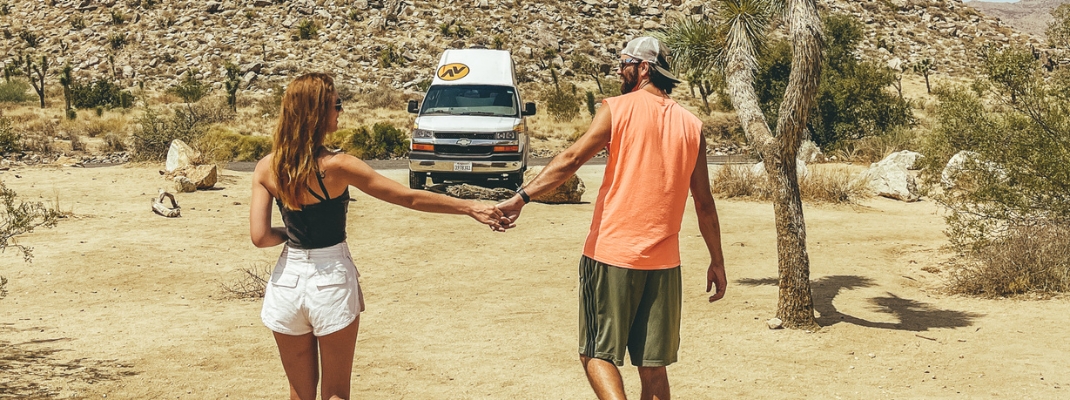
Burning Man makes a lot more sense once you realise nothing works the way you expect it to. You don’t buy things out there – you gift. That might be something physical, or it might just be your time, energy, or a cold drink at the right moment. Either way, the whole city runs on people showing up for each other, not transactions.
Getting around Black Rock City is its own experience. Bikes are essential, but you’ll also see art cars – mutant vehicles cruising the playa like moving sculptures, often blasting music and picking people up along the way. There’s no Uber, no schedule, just moments you stumble into and decide to follow.
There’s also no “main stage” or headline act. The entire city is the program. Theme camps host everything from sunrise yoga to full-scale sound stages, and the best nights usually come from wandering until you find something unexpected. Same goes for the art – massive art installations scattered across the desert, built to be explored, climbed, interacted with, and sometimes completely rethought after dark.
A few moments bring everyone together. The Man burn on Saturday night – loud, chaotic, celebratory. The Temple burn on Sunday – quiet, emotional, and completely different in tone. Both are worth being present for, not just watching from a distance.
The biggest mindset shift? You’re not there to spectate. Everyone contributes something, even if it’s small. The culture leans toward participation and self expression – joining in, helping out, saying yes more than you say no. At the same time, radical inclusion cuts both ways: everyone is welcome, but respect for other burners’ space, boundaries, and experience matters just as much.
And pace yourself. It’s a full week, and the desert has a way of catching up with you.
Expert advice
“A lot of first-time Burners go hard in the first couple of days trying to see everything – and end up wiped out by midweek. Take day one slow. Set up your camp, meet other new burners, get your bearings, and ease into it. The playa isn’t going anywhere – and you’ll enjoy it a lot more once you find your rhythm.” – Harrison Greig, Social Media and Marketing Content Manager, Travellers Autobarn
Protecting the Rental – Dust, Awnings, and Avoiding Extra Fees
If there’s one thing rental companies worry about with Burning Man, it’s playa dust – and for good reason. This isn’t normal sand. It’s ultra-fine, alkaline, and slightly corrosive, which means it clings to surfaces, gets into moving parts, and can cause real damage if ignored. The good news: a few simple habits each day go a long way toward keeping your RV in good shape (and your deposit intact).
How do I keep dust out of the RV?
You won’t keep it out completely – no one does – but you can control it. Keep the door closed as much as possible, and set up a small “transition zone” outside: a rug, a bucket for shoes, anything that stops the worst of it coming straight in. Inside, do quick daily wipedowns with dry microfiber cloths. Avoid using water. It turns playa dust into a chalky paste that’s much harder to remove.
What if a dust storm hits?
Close everything up early. If you’ve prepped properly (sealed gaps, filtered vents), your RV becomes a solid shelter. Wait it out, then do a light clean once it passes – don’t let dust sit and build up over days. This is where those daily 5-minute resets make a huge difference.
Can I use the awning for shade?
Don’t. Seriously. Desert wind gusts are no joke, and awnings are one of the most commonly damaged parts of a rental RV. If it gets ripped off, you’ll be paying for it. A better option is to rig a separate shade structure or cloth outside – something that can flex with the wind rather than fight it.
How do I avoid a massive cleaning bill at the end?
Clean as you go. Five minutes a day – wiping surfaces, shaking out rugs, keeping clutter down – prevents a full-blown dust takeover. The longer it sits, the harder it is to remove. Think of it like maintenance, not cleaning.
What are rental companies actually worried about?
Dust in vents, dust in upholstery, dust in places it shouldn’t be. Your job isn’t to return the RV spotless – it’s to return it reasonably clean and undamaged. Stay on top of the basics, and you’ll avoid the kind of deep-clean fees that catch people off guard.
Do a little each day, and the end of your trip is easy. Ignore it, and you’re looking at hours of cleanup… or a bill you really don’t want to open.
Leaving the Playa – Exodus, Cleanup, and Getting Home
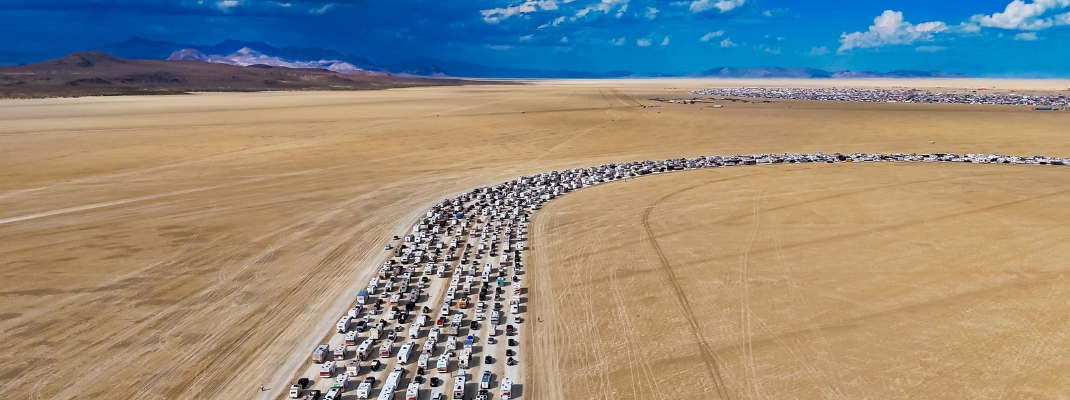
Leaving Black Rock City is its own experience. Exodus – the mass departure after the event – is famous for long wait times, slow-moving lines, and a lot of dusty patience. Timing makes a big difference here. If you can leave very early in the morning or late at night, you’ll usually avoid the worst of it. Midday departures tend to be the slowest, especially right after the main burn.
Before you join the line out, take the time to reset your vehicle properly. This is where all that prep and daily maintenance pays off. Strip out any plastic coverings, shake out rugs, and give everything a proper wipe-down. A mix of white vinegar and water works well on hard surfaces – it helps break down that stubborn alkaline playa dust instead of just smearing it around.
If you’ve got access to compressed air, use it. Blowing dust out of vents, door seals, and even engine areas (carefully) can make a huge difference. One simple trick: open the windows, turn the fan or AC on high, and let it push dust out from inside the system – just don’t forget goggles, because it will come flying back at you.
And before you roll out, do a quick check underneath the vehicle. Any leaks – fresh, gray, or black water – need to be dealt with before you leave. “Leave no trace” isn’t just a principle, it’s enforced, and you’re responsible for anything that comes from your setup.
Departure Checklist
- Remove all plastic coverings, sheets, and temporary protections
- Wipe down all hard surfaces (vinegar solution works best)
- Shake out or dispose of floor coverings
- Blow dust out of vents, seals, and storage areas (if possible)
- Run fan/AC with windows open to clear internal airflow systems
- Check underneath for any leaks
- Pack out all trash – nothing stays on the playa
- Plan your route to include a gray water dump station (Fernley or Reno are common options)
- Stop for a car wash as soon as possible – fresh dust is much easier to remove
Once you’re back on the road, it’s worth slowing things down a bit. The transition from Black Rock City back to the “default world” can feel abrupt, and giving yourself an extra day – whether that’s in Reno, along the way, or back in your pickup city – in your trip makes the whole experience land a little better.
When to Book and What to Look For in a Burner-Friendly Rental
If you’re even thinking about going to Burning Man festival, it’s not too early to book your RV. Seriously. Most burner-friendly rentals are locked in 6–12 months in advance, and the most in-demand pickup locations – especially San Francisco – can sell out months before the event. Leave it too last-minute, and you’ll either be scrambling for leftovers or paying a premium for whatever’s left.
The bigger issue isn’t just availability, it’s permission. A lot of rental companies explicitly don’t allow their RV rentals for Burning Man, and some will cancel your booking or void your insurance if they find out. It’s not something to “work around.” You need to be upfront about your plans and book with a company that’s actually okay with it.
Peer-to-peer platforms like RVshare or Outdoorsy can be an option, but they’re more variable. Some vehicles are great, some aren’t, and not every owner is comfortable with Burning Man – so you’ll need to do more vetting upfront.
Once you’ve cleared that hurdle, the details matter. This isn’t a short weekend trip – you’re covering serious distance, living out of the vehicle, and putting it through tougher conditions than usual. The right setup makes all the difference.
What to Look For in a Burning Man RV Rental
- Burning Man-friendly policy – no gray areas, no risk of cancellation
- Free unlimited miles – essential for long-distance trips
- Flexible pickup and drop-off times – Exodus doesn’t run on a schedule
- 24/7 roadside assistance – you’re heading into remote desert
- No young driver fees – adds up quickly otherwise
Why Rent with Travellers Autobarn?
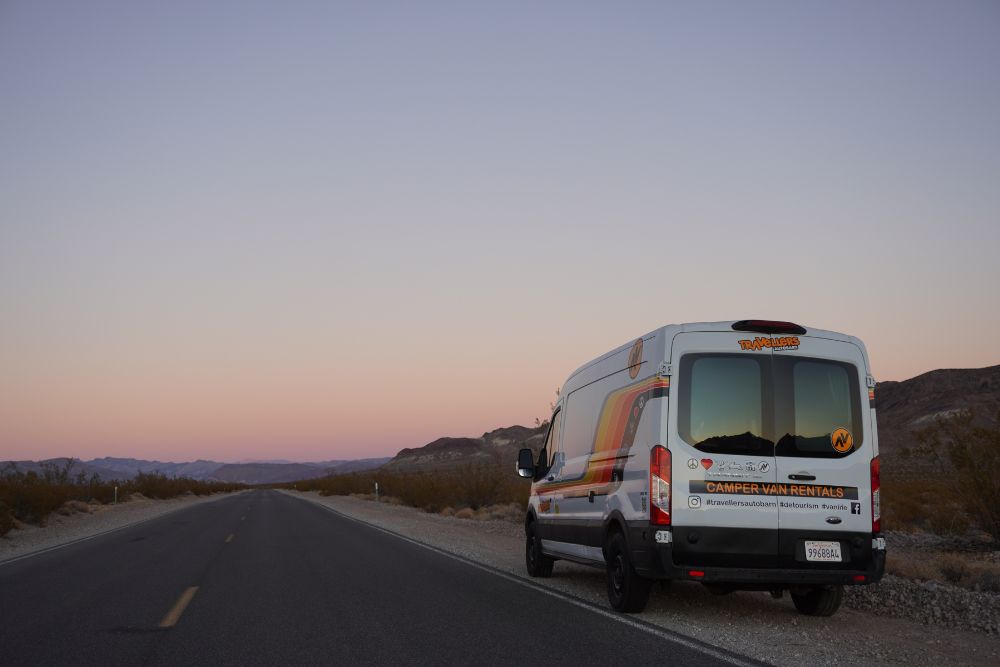
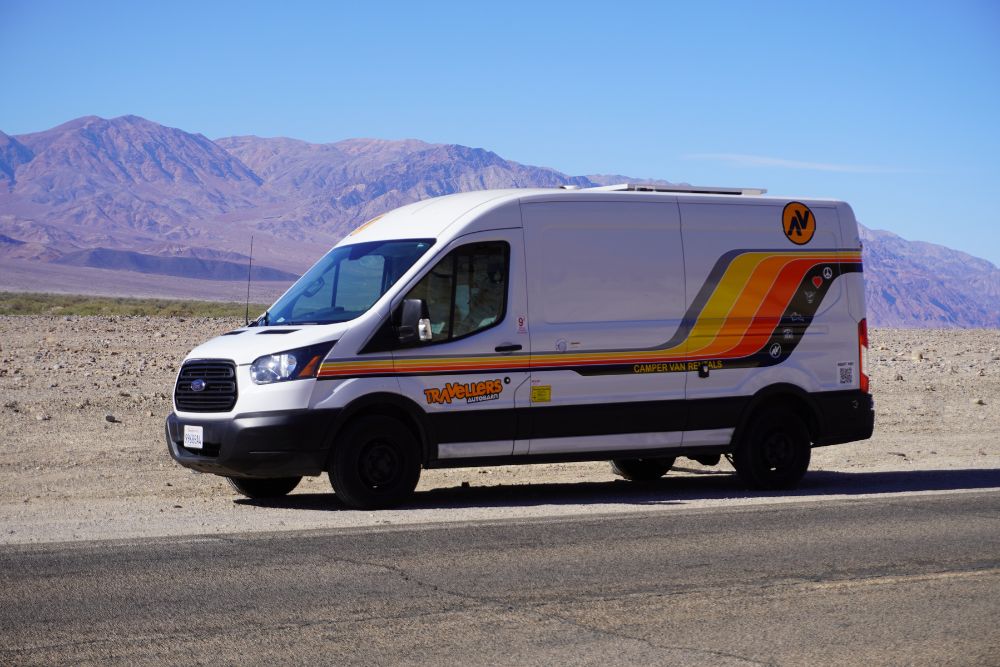
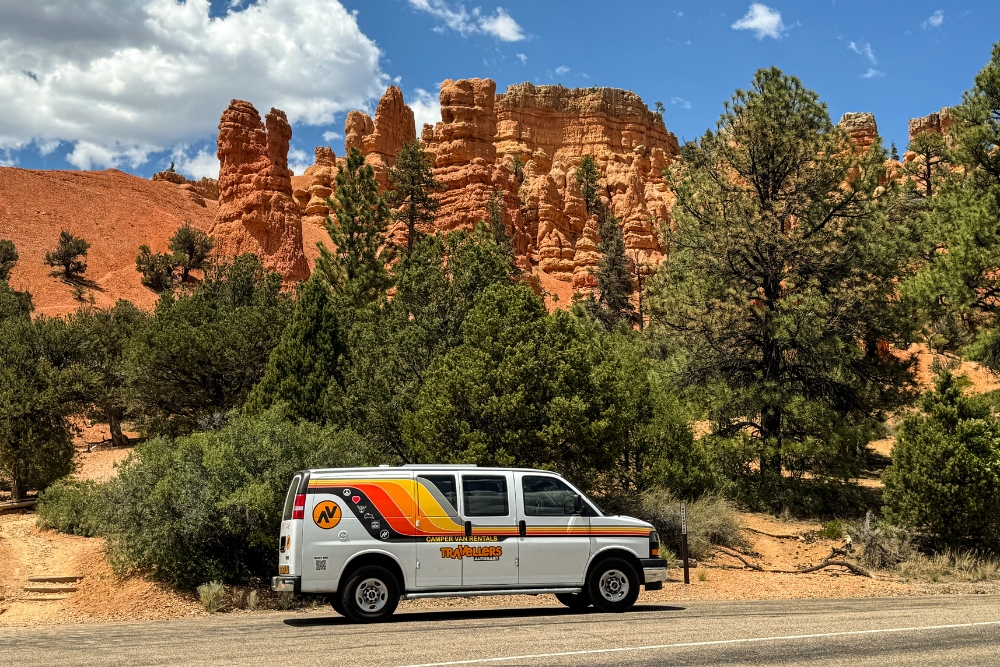
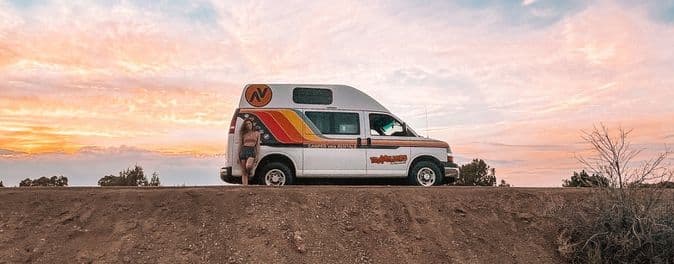
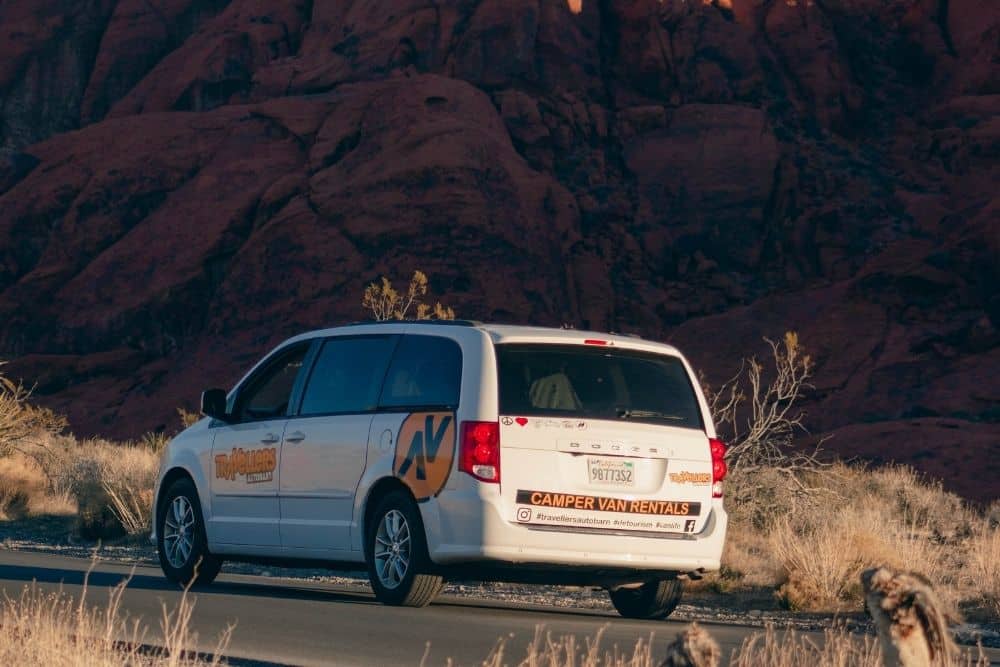
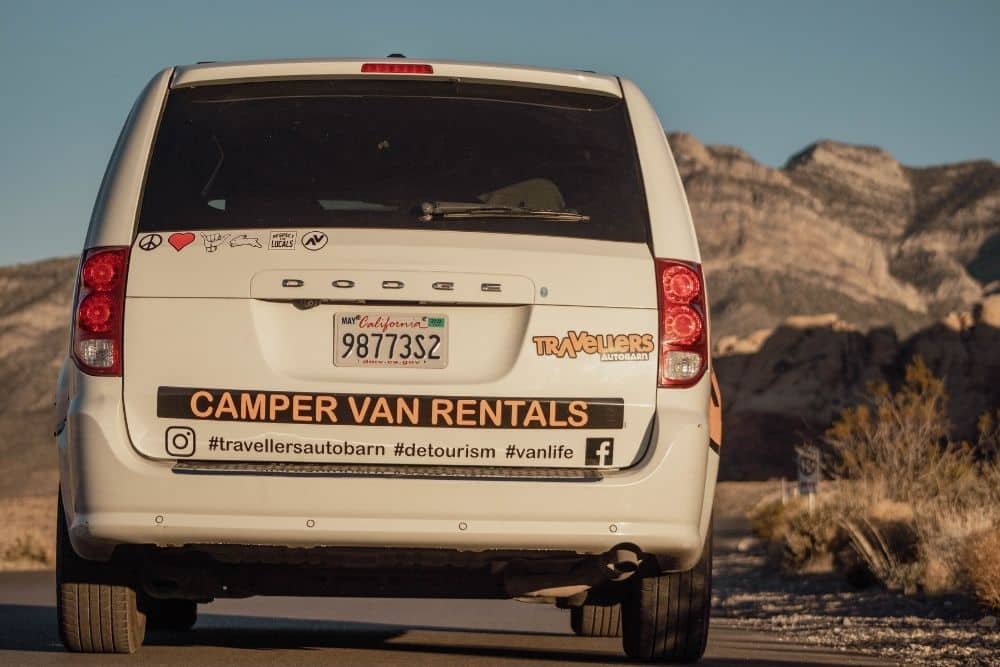
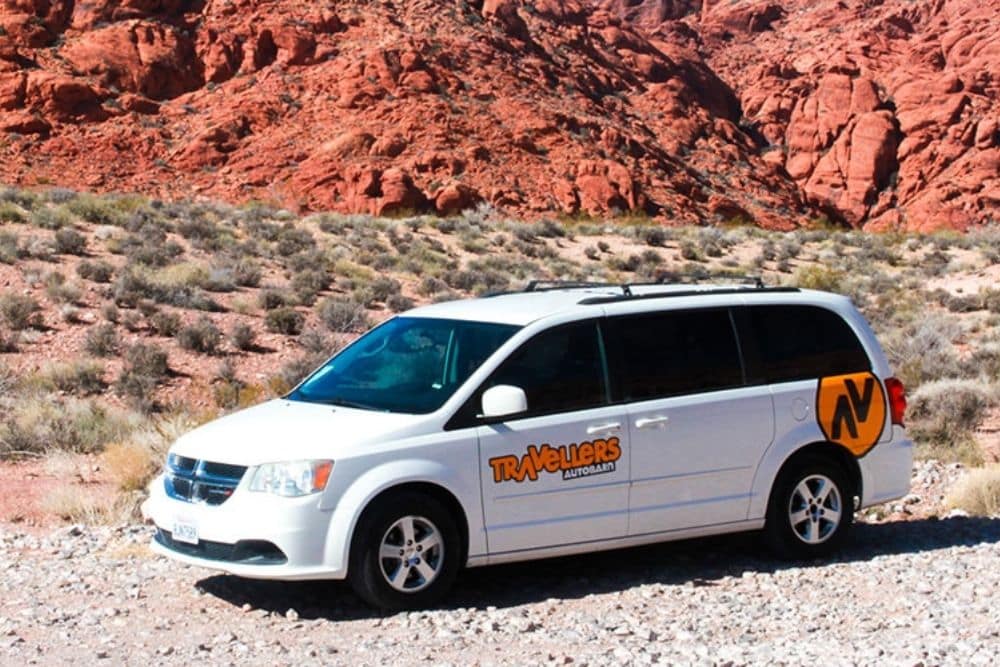
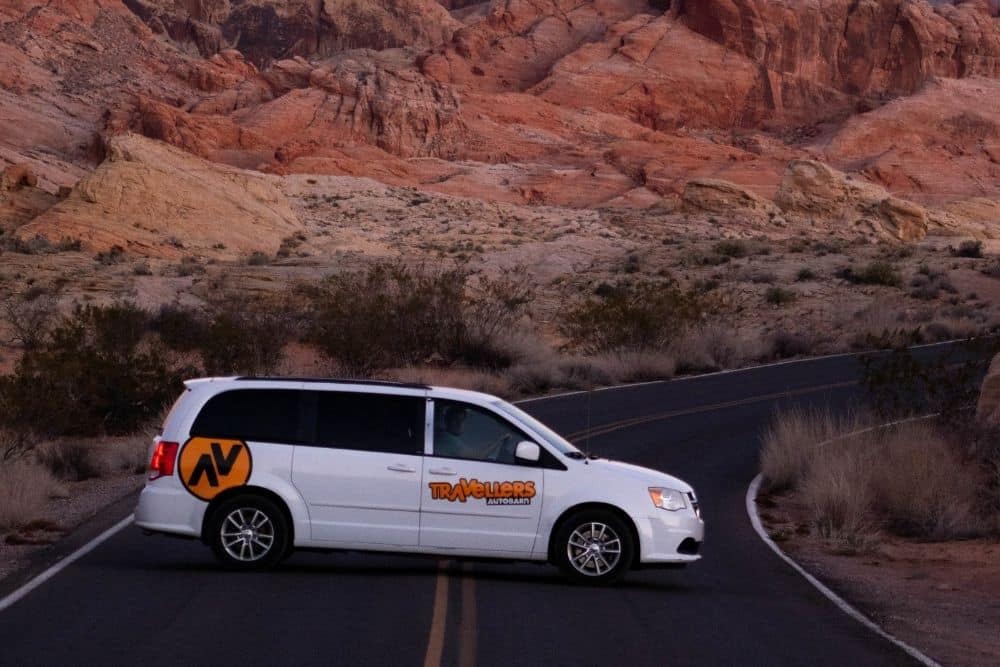
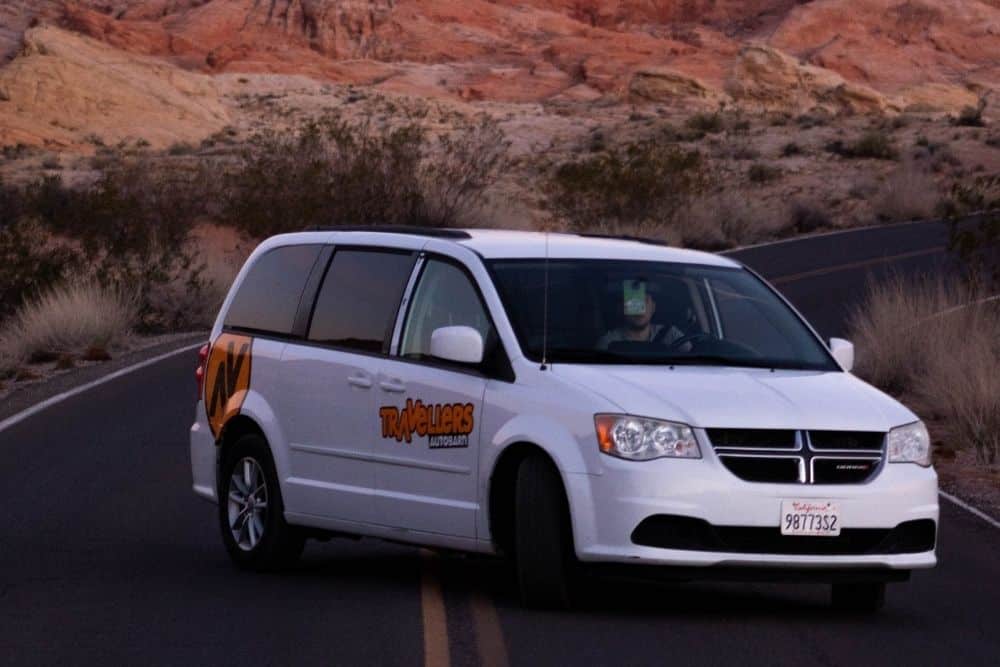
Travellers Autobarn campervans are Burning Man-approved, so you don’t have to worry about hidden restrictions or awkward conversations – you can plan your trip knowing your vehicle is actually allowed on the playa.
We’ve been doing this since 1993, and our rentals are built for proper road trips across the USA, not just quick getaways. With locations in Los Angeles, Las Vegas, and San Francisco, you can pick the route that suits your trip – and with free unlimited miles, you’ve got the flexibility to get there (and back) without watching the odometer. We also keep things simple with no young driver fees (21+), 24/7 roadside assistance, and free cancellation up to 15 days before pickup, so you’ve got backup if plans change.
On top of that, we include a few extras to make the whole journey easier. You’ll get access to a free 30-day campground app, discounted RV park stays, and savings on activities across the US – all useful if you’re turning Burning Man into part of a bigger adventure.
If you’re ready to lock something in, you can get a quote, explore all available campervans, or dig into the details around insurance. Otherwise, at least start checking availability now before the good options disappear.

Frequently Asked Questions
Burning Man 2026 runs from August 30 to September 7, 2026, in Black Rock City, Nevada. First-time burner? Most people arrive a day or two early (depending on entry time) and leave the day after the Temple burn. Plan for a full week on the playa, plus travel time on either side.
Tickets are released in multiple phases, including the main sale and the later OMG Sale (a final chance closer to the event). You’ll also need a separate vehicle pass if you’re bringing an RV or car. Dates, pricing, and registration change each year, so check the official Burning Man website for the latest info.
Most rental companies don’t allow their RV rentals for Burning Man, and some will cancel your booking or void insurance if you don’t disclose your plans. You need to be upfront about your destination. Travellers Autobarn allows their campervans at Burning Man, so you can book knowing your trip is fully above board.
At a minimum, plan for 1.5 gallons per person per day – that’s about 10.5 gallons per person for the week. This covers enough water for drinking, cooking, and basic hygiene. Bringing extra is always a good idea, especially in extreme heat.
No, dumping gray water on the playa is strictly prohibited. You need to arrive with empty tanks and leave with everything contained. Plan to use dump stations in places like Fernley or Reno on your way out.
It depends on your priorities. San Francisco is the shortest and most direct drive, Los Angeles usually has the best availability and pricing, and Las Vegas sits in the middle with a solid balance of both. All three are viable – it comes down to your route and travel plans.
DISCLAIMER: All information provided, including prices, availability, and site details, is correct at the time of publishing. We recommend contacting campgrounds and RV parks directly to confirm the latest details before planning your visit. Please review our Terms and Conditions for additional information.
 SEE OUR CAMPERVANS
About the Author

Harrison Greig
Harrison is the Social Media & Marketing Content Manager here at Travellers Autobarn. He holds a Bachelor of Business (International Tourism). He has 6+ years experience in the tourism industry, enjoys capturing and showcasing the beauty of the world we live in!
Sign up for deals and road trip itineraries.

Our Campervans
Seats 2-5

Tent Optional

Chairs Optional

Ice Box Optional

Ext. Table Opt.

Gas Cooker Opt.