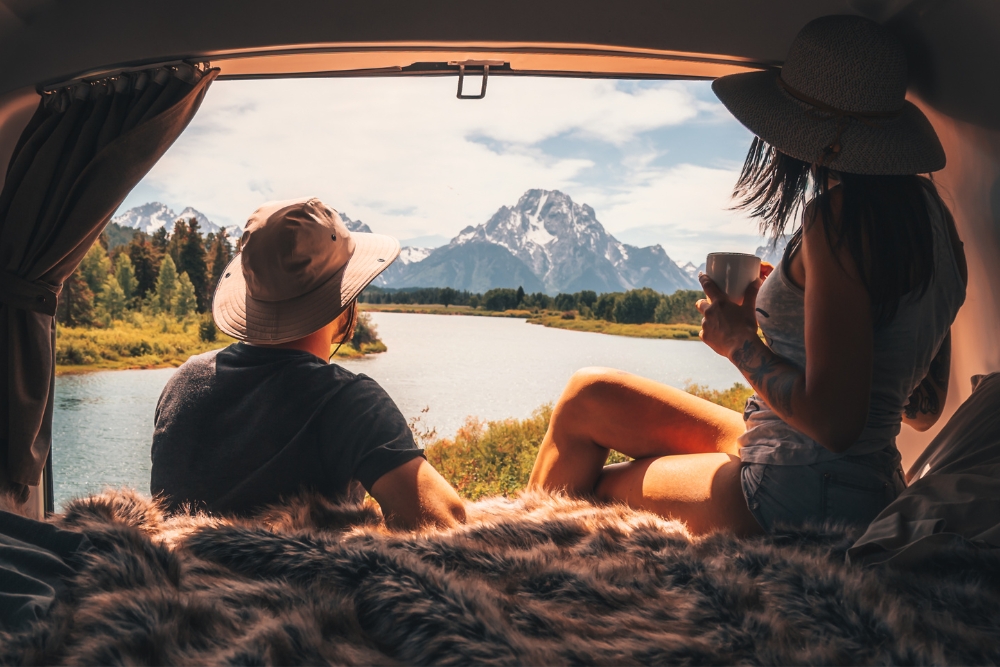
From the mossy, emerald-green rainforests of the Olympic Peninsula to the surf culture of California’s coast, the Pacific Coast Highway is America’s ultimate oceanside pilgrimage. One day you’re gazing up at towering redwoods and the next you’re capturing video of Big Sur’s dramatic cliffs. Take your time with this route and plan an itinerary that gives way to detours. Every bend in the road and every town along the way conceals something worth properly discovering.
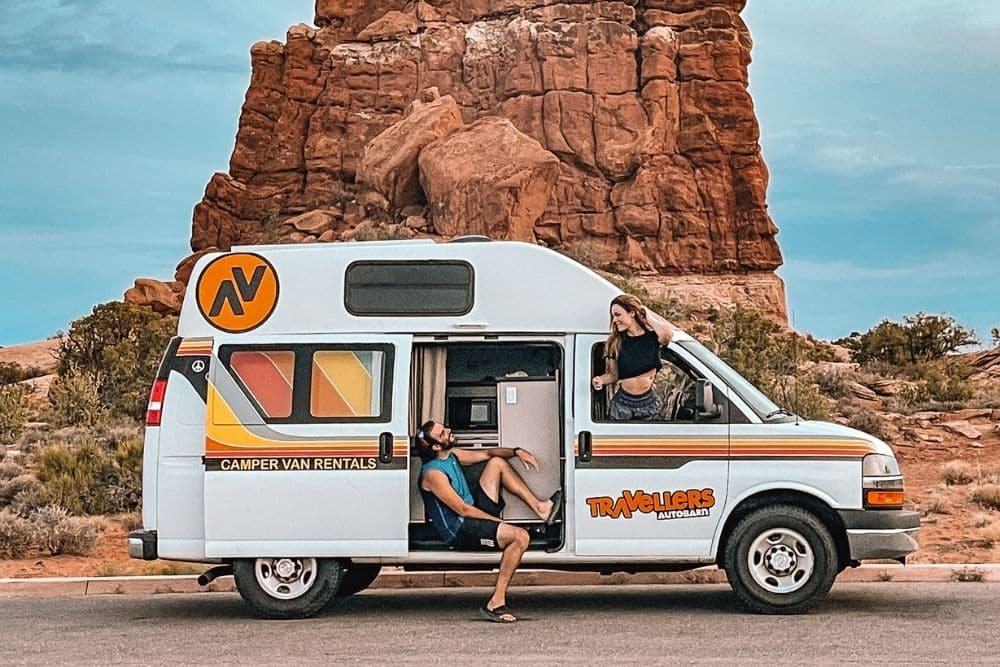
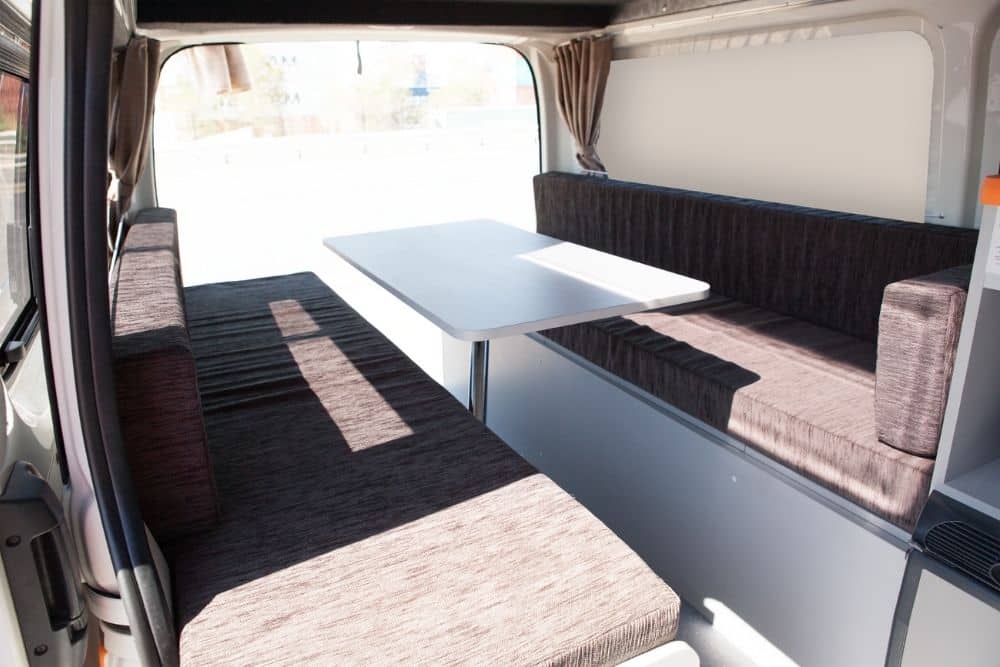
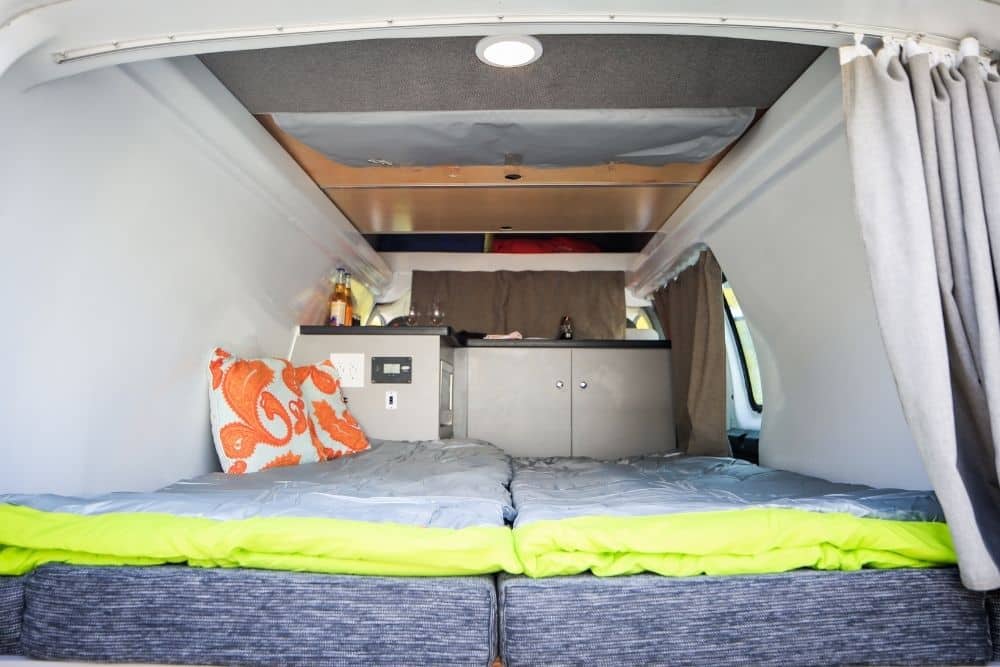
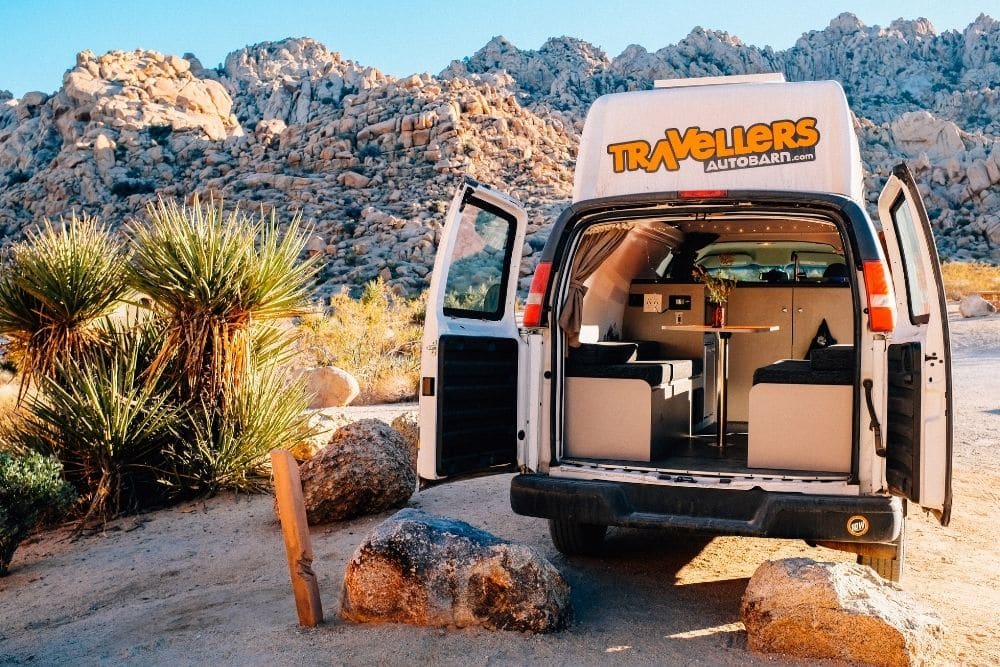
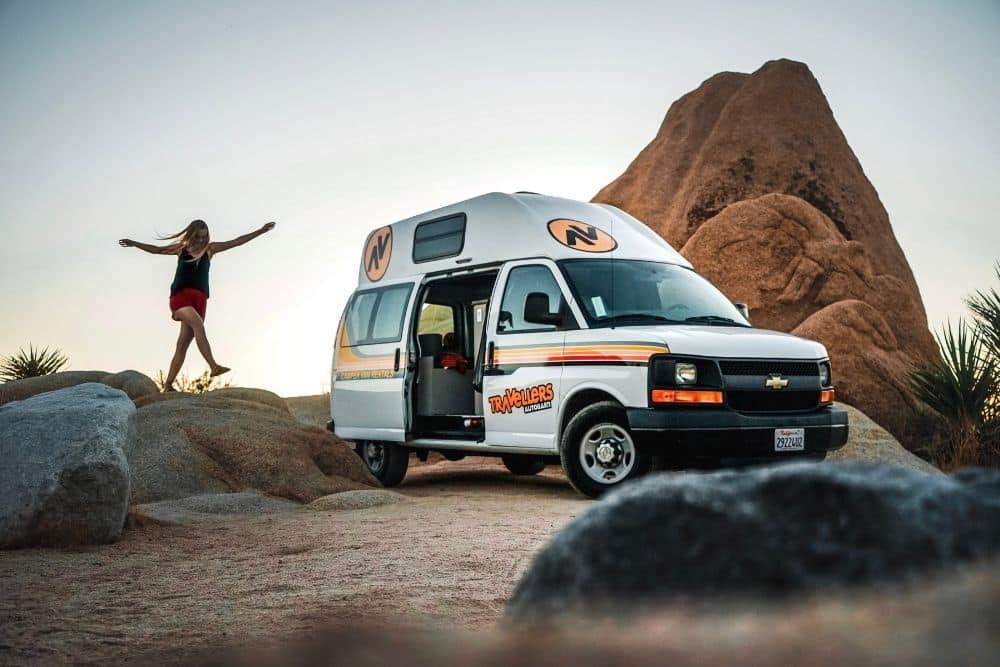
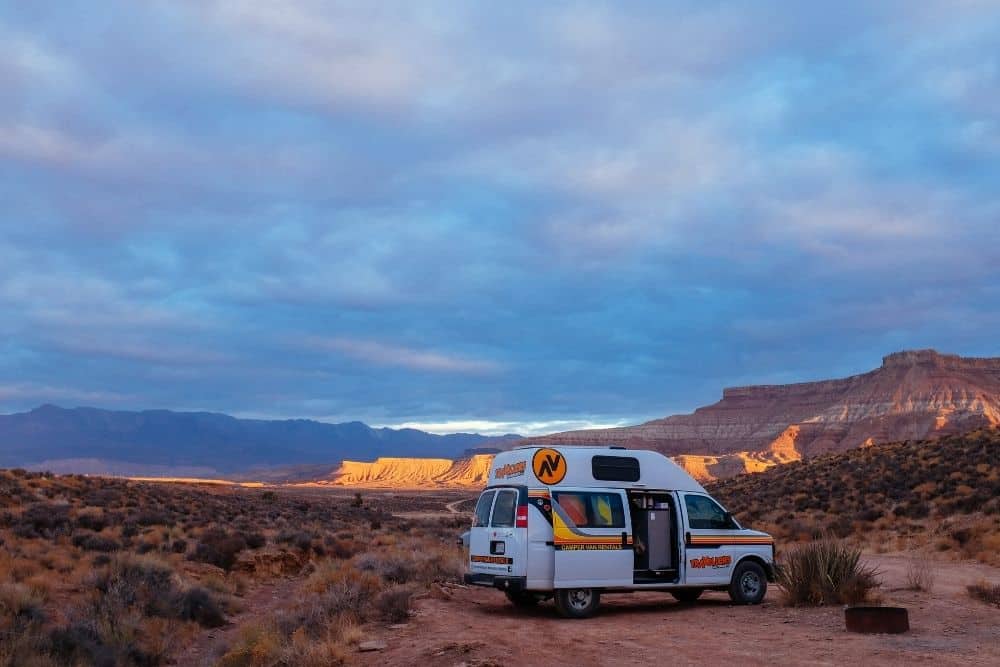
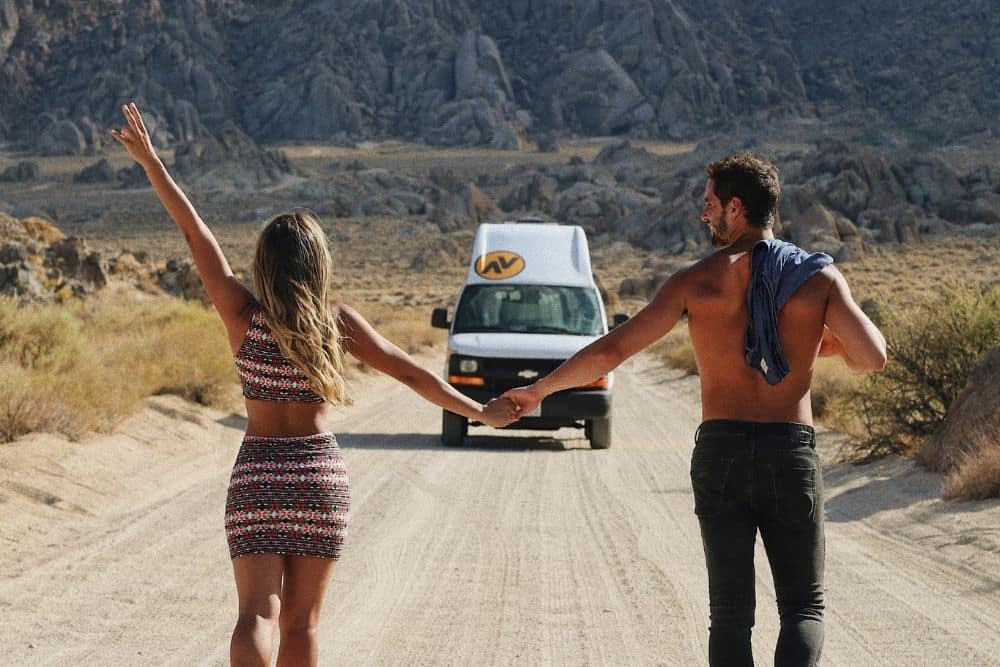
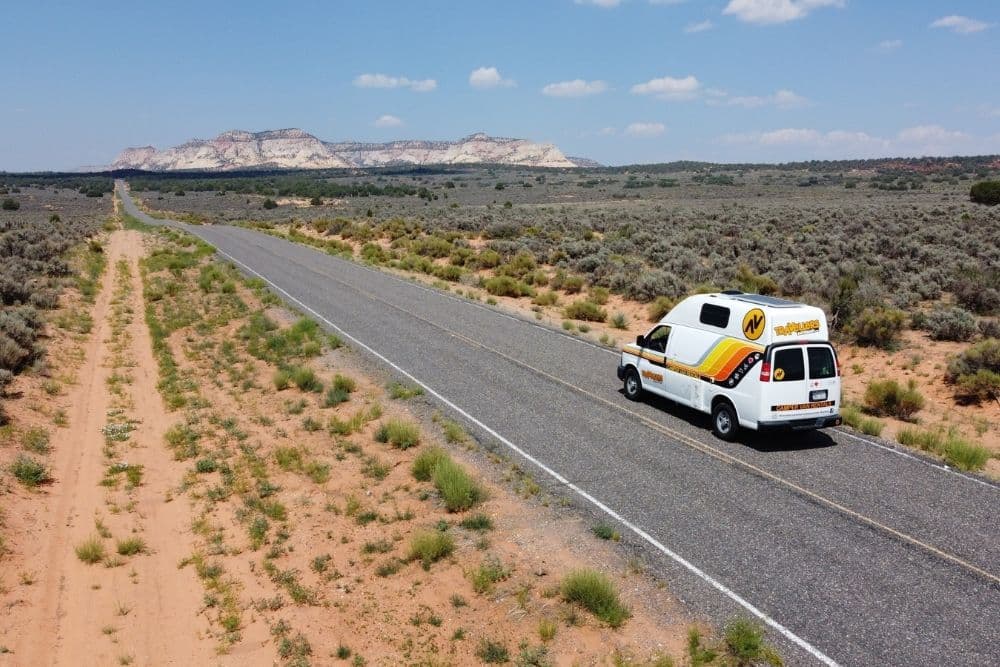
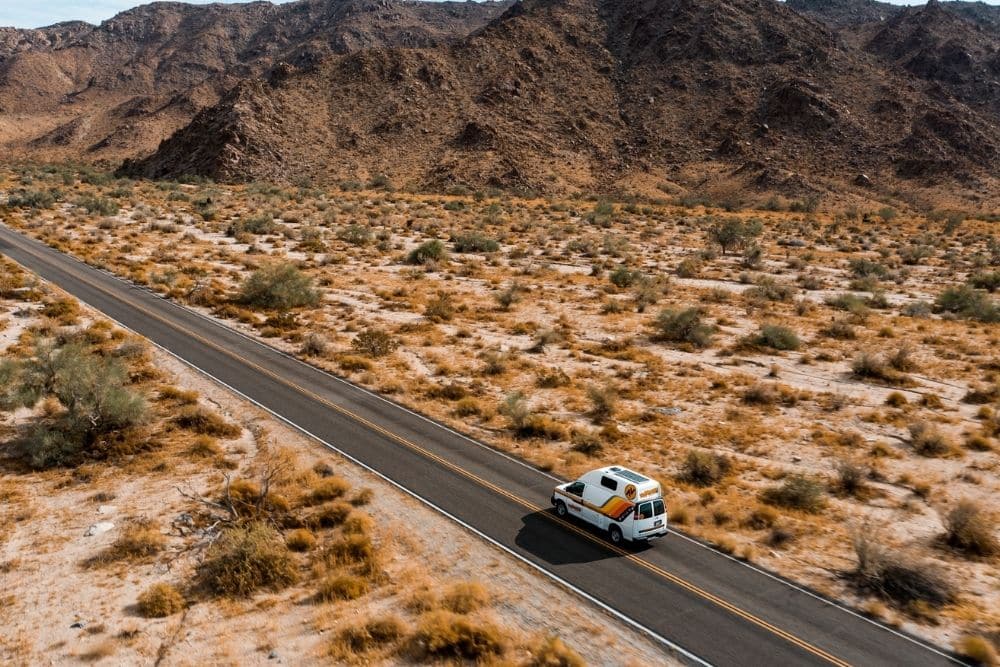
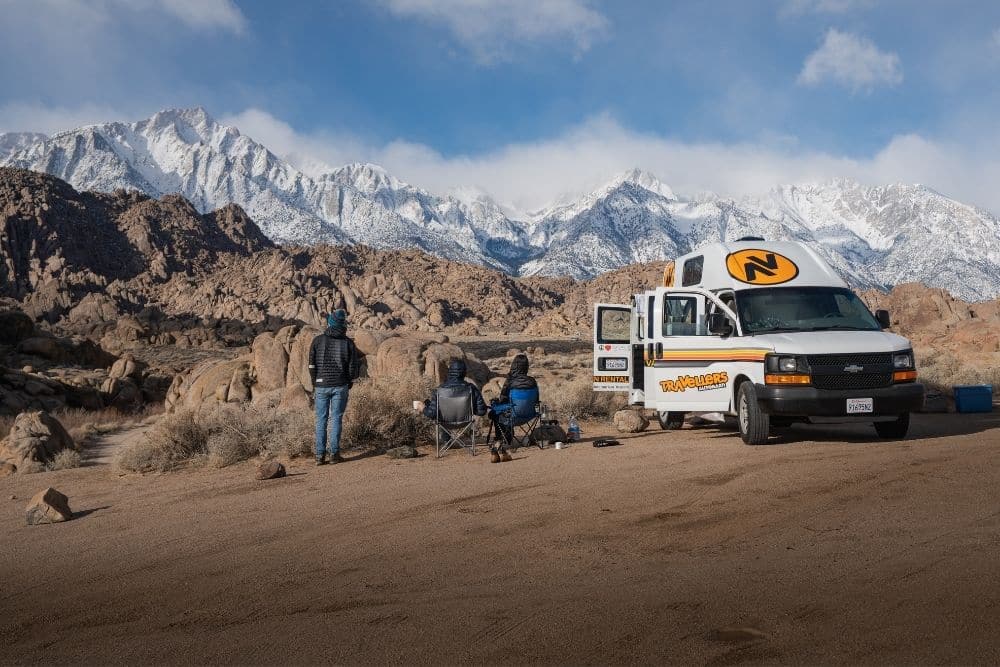
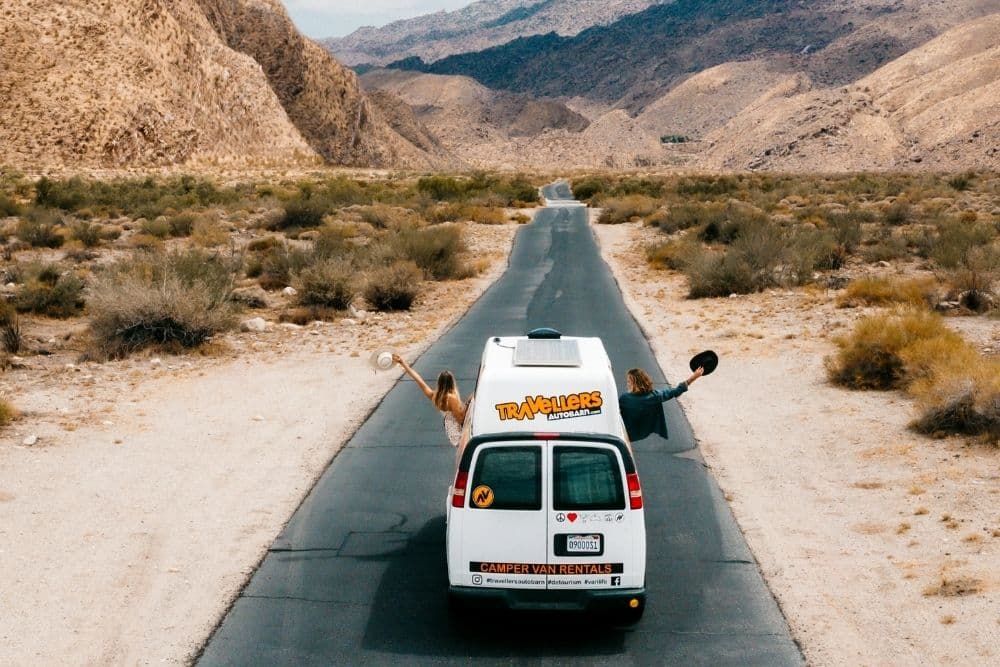
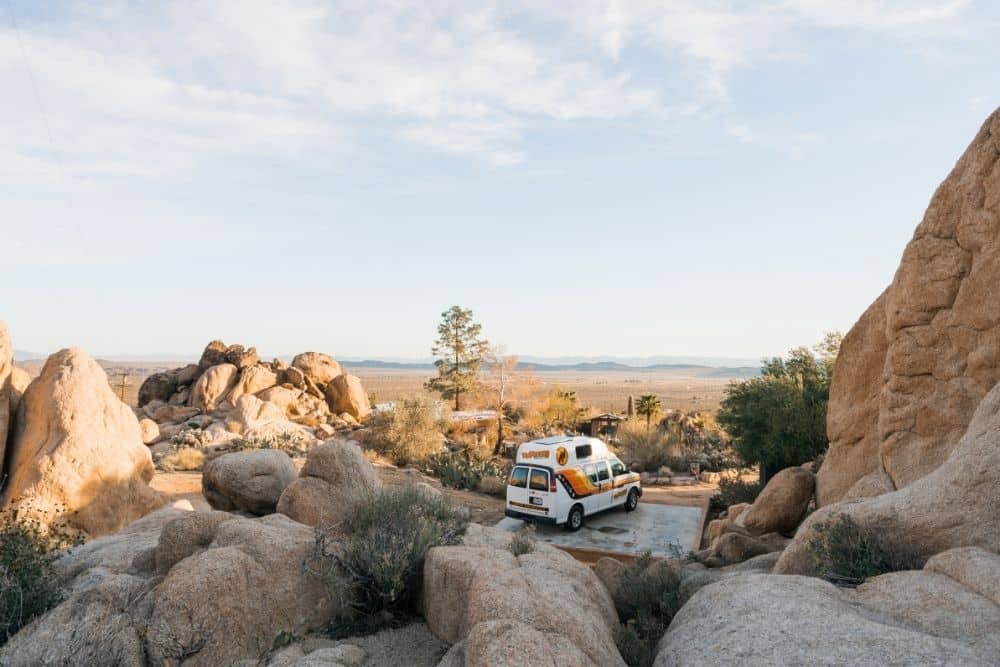
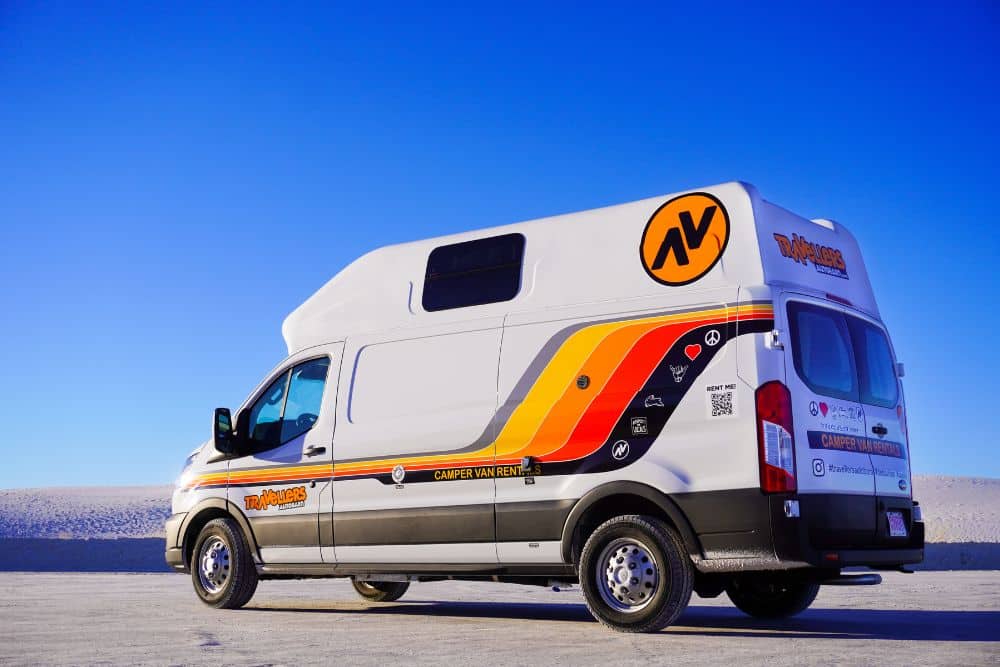
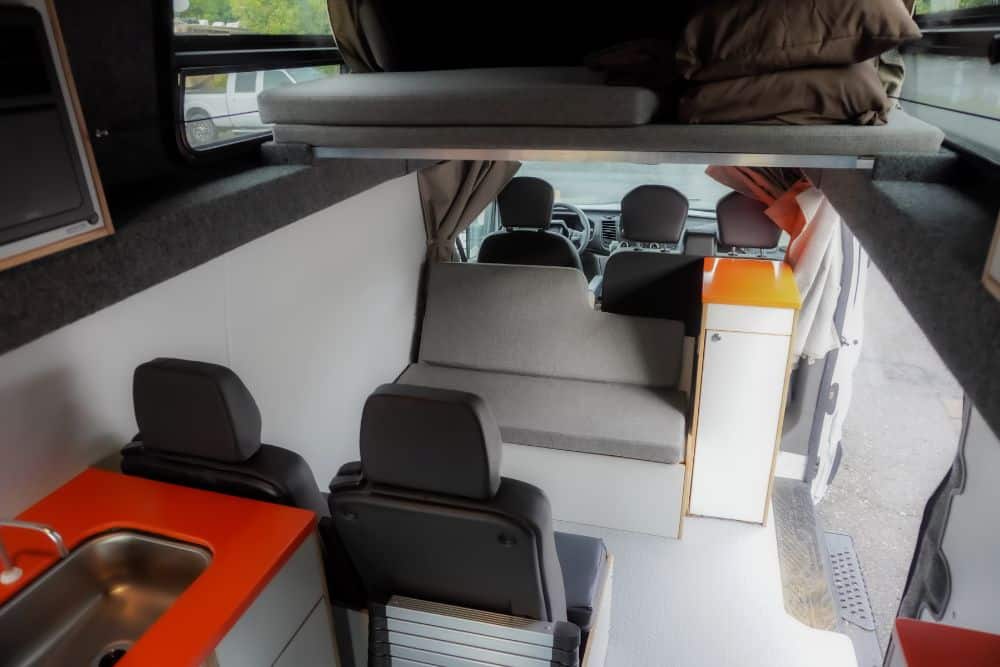
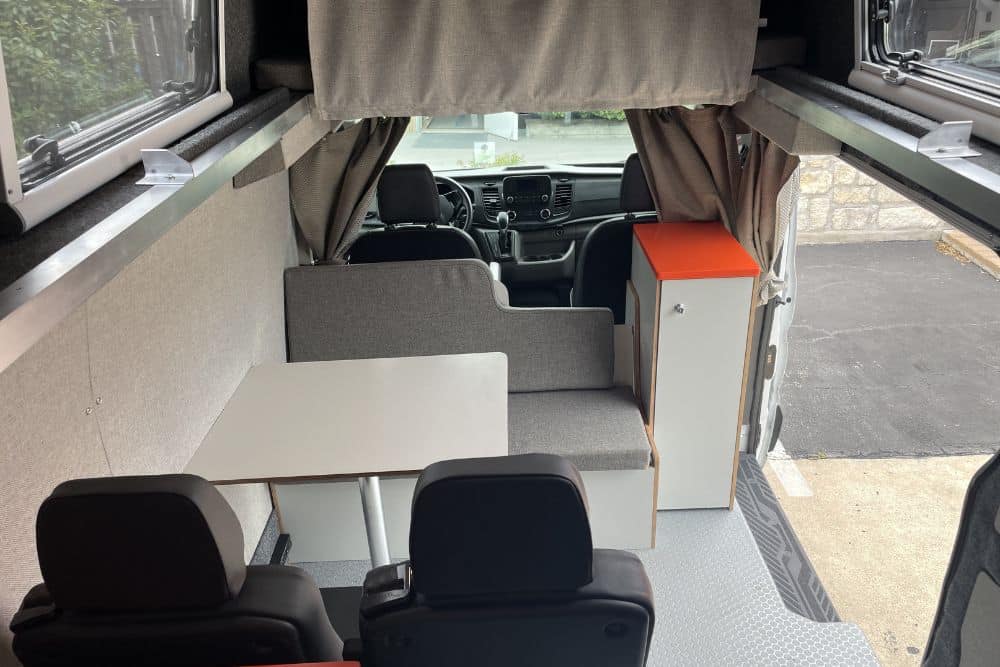
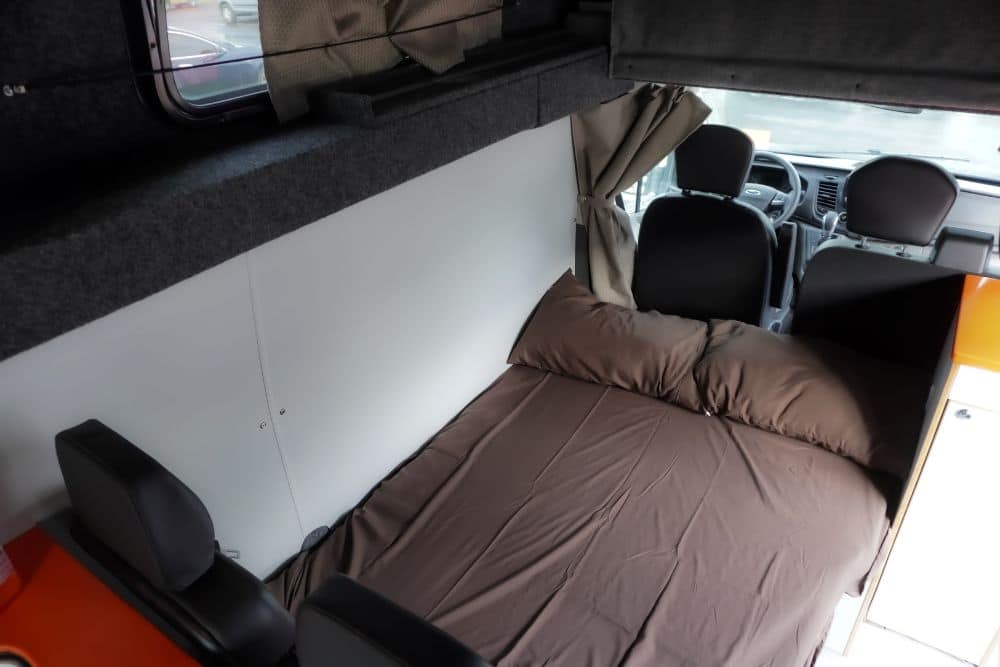
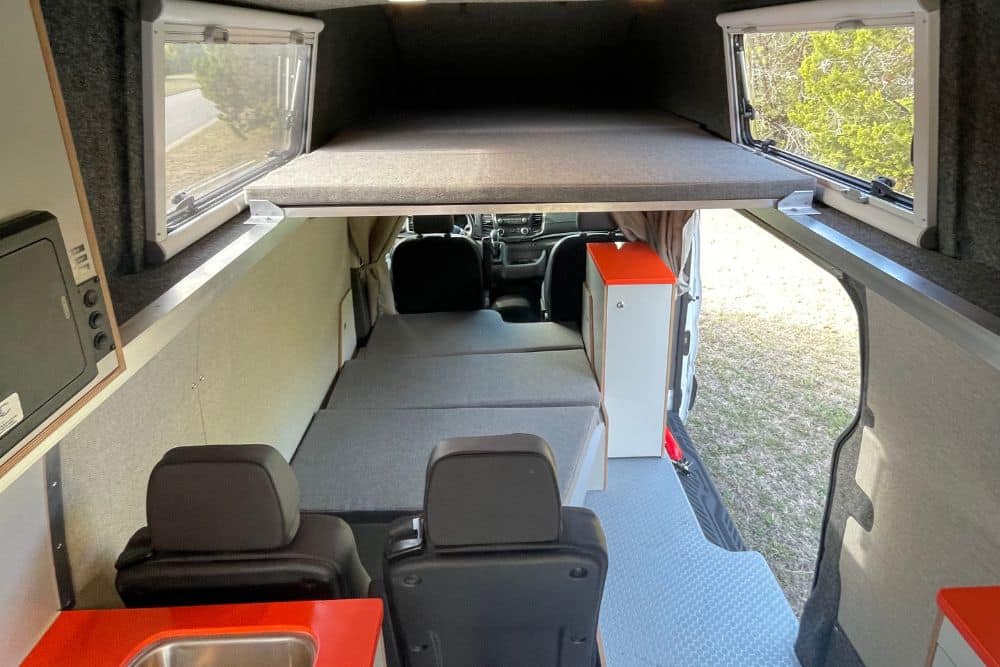
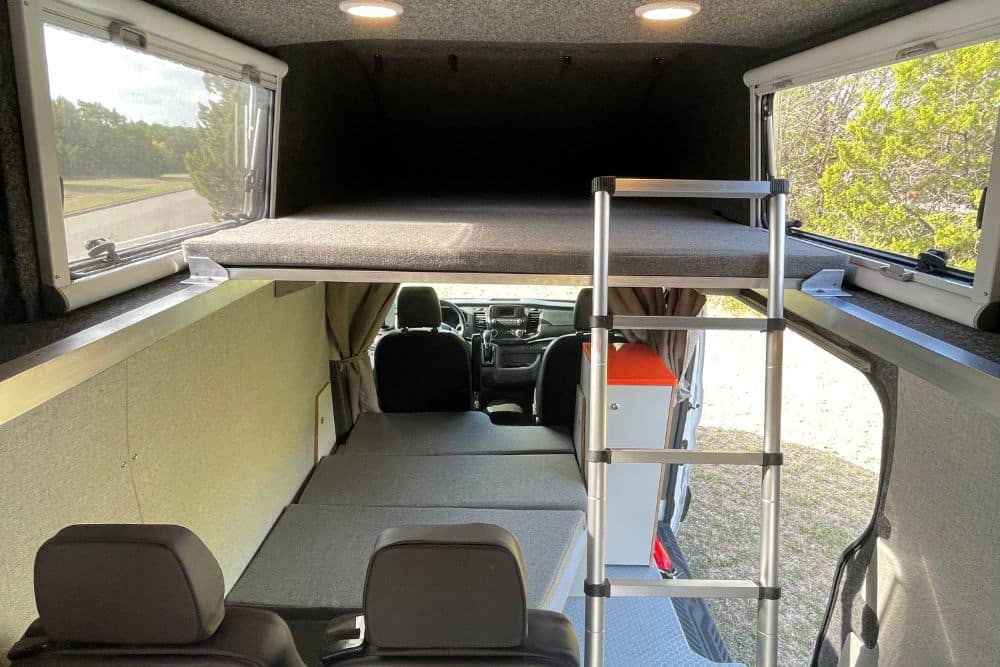
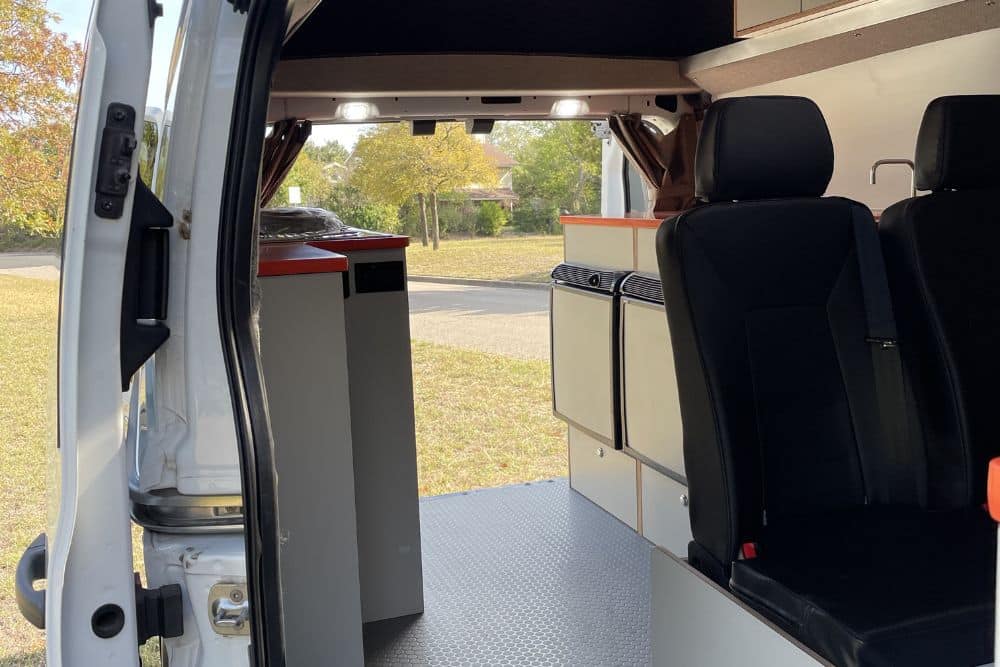
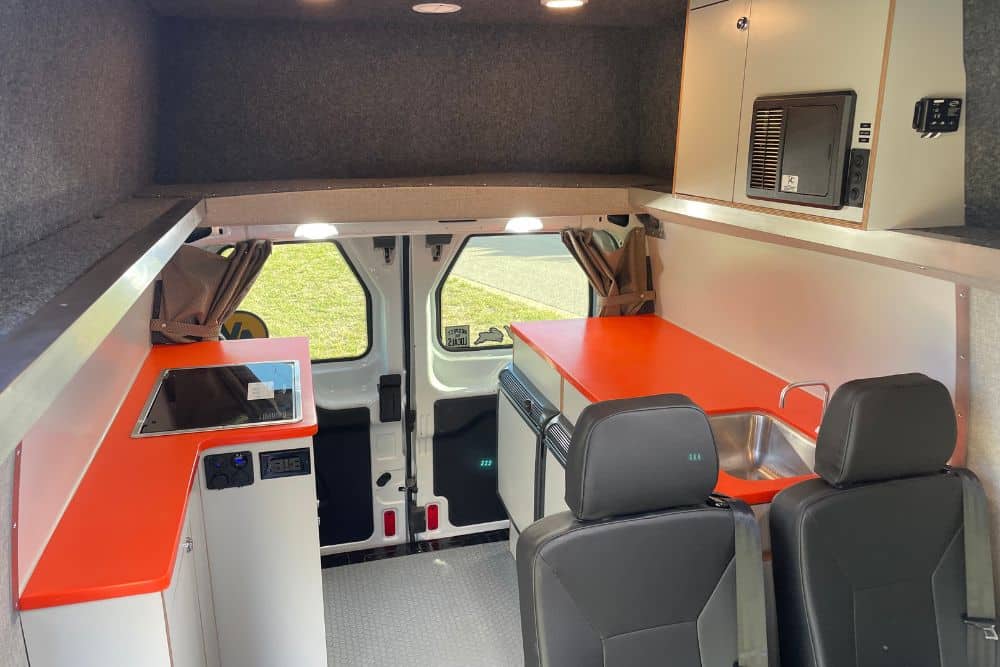
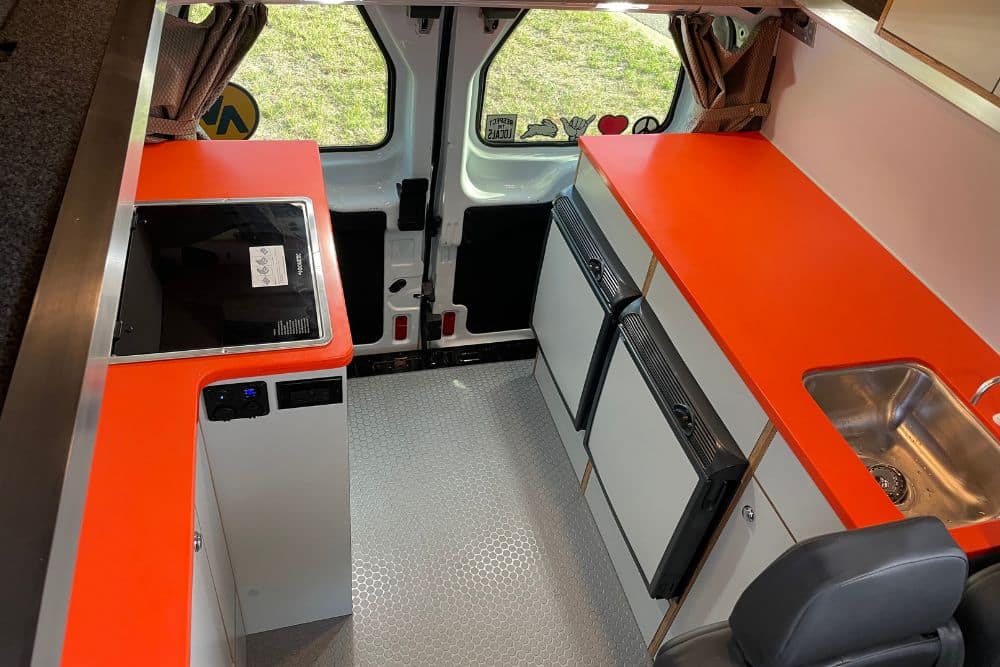
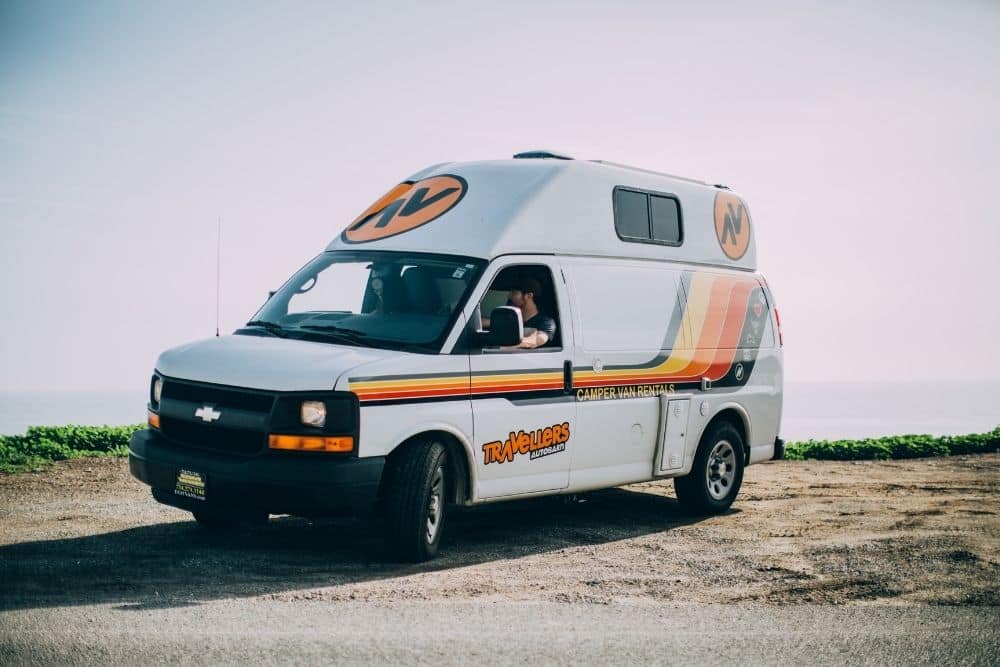
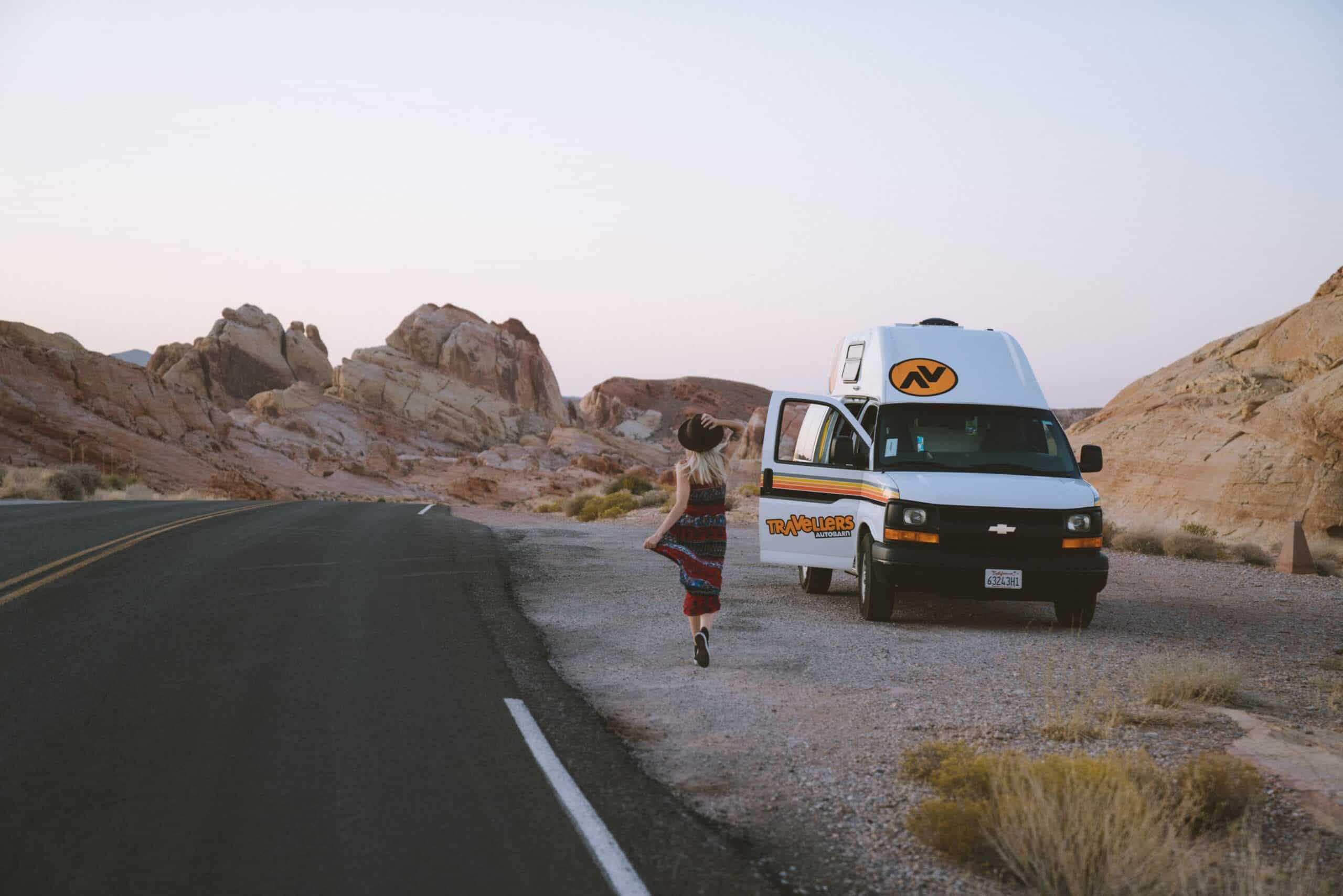
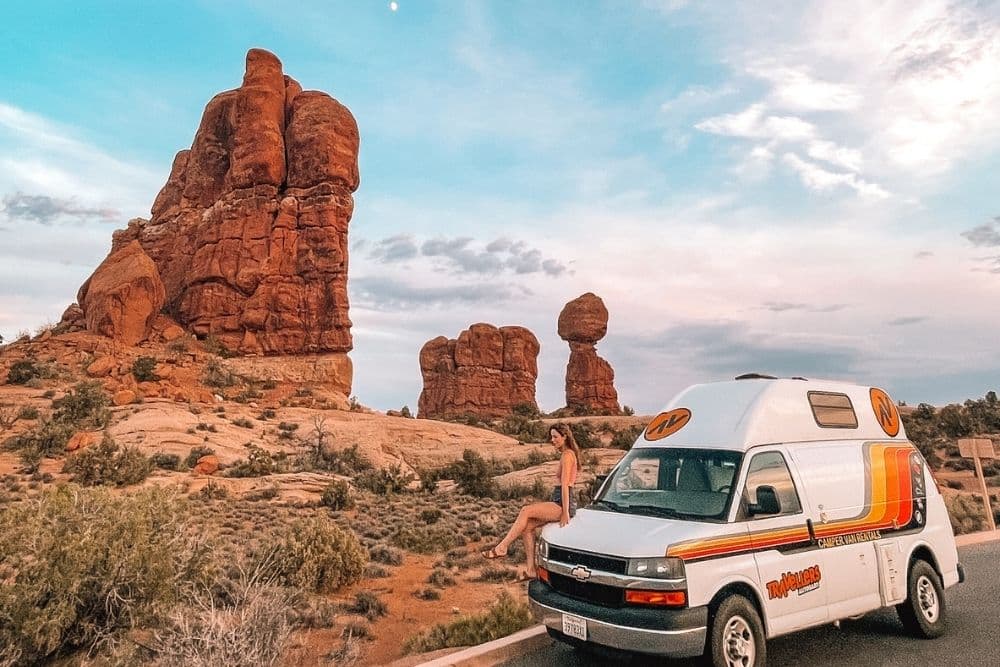
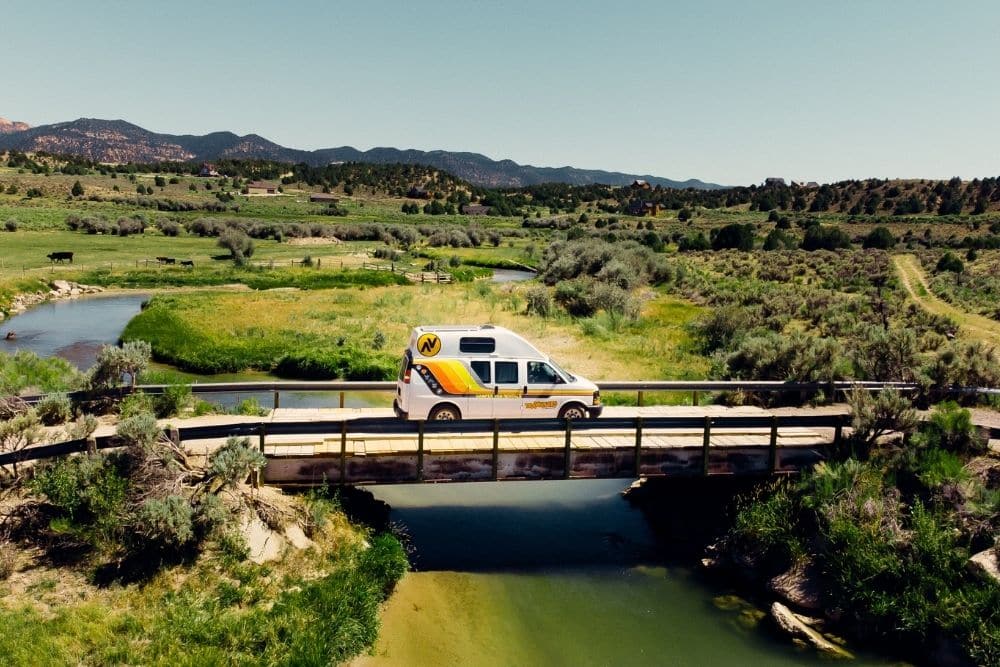
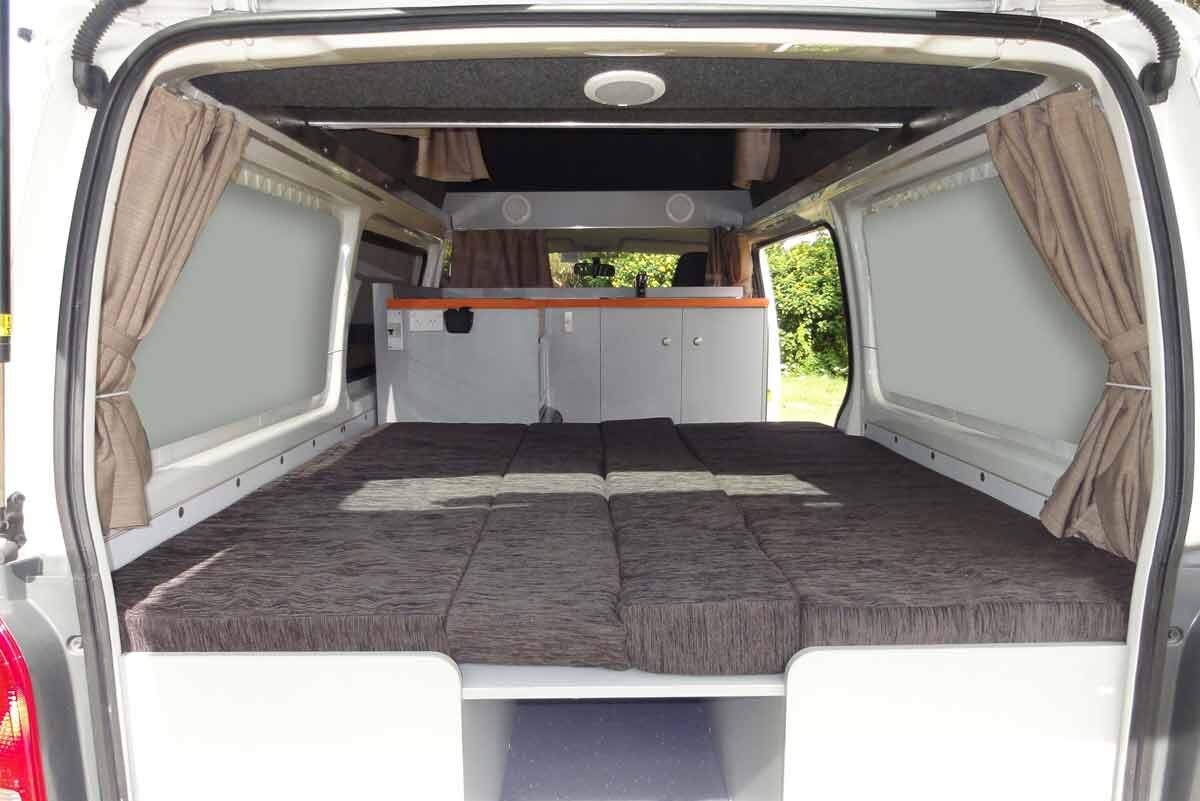
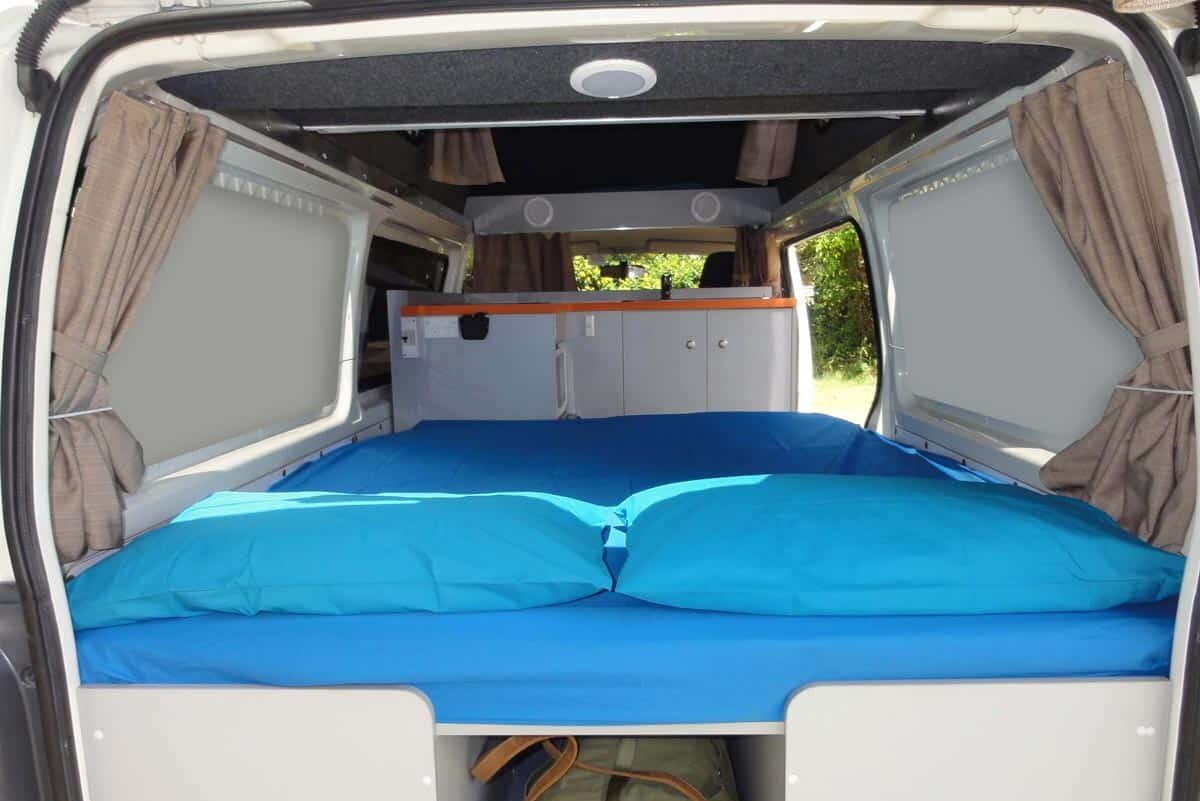
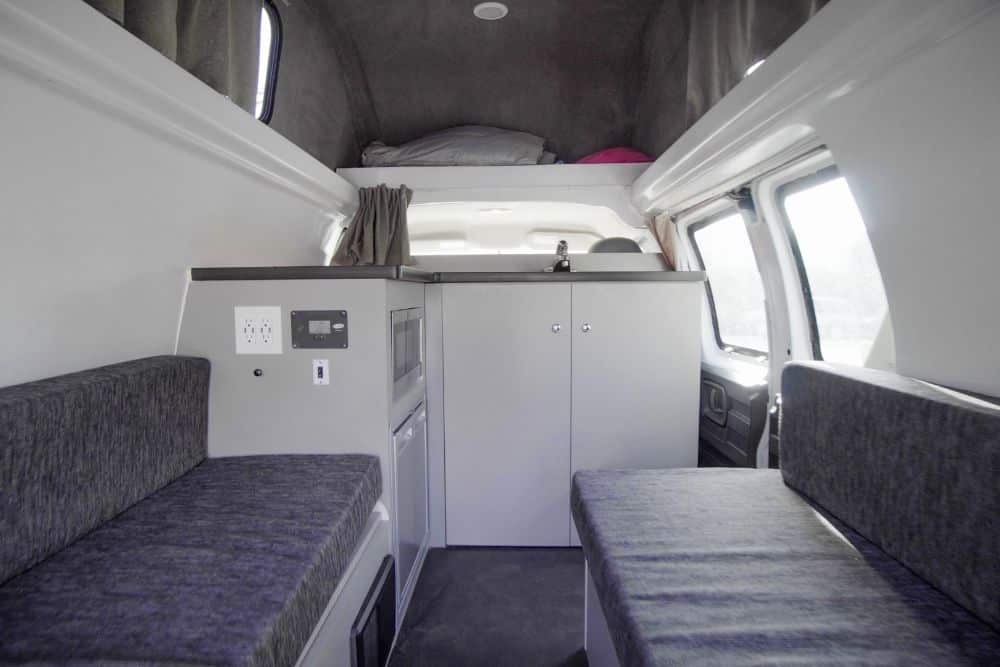
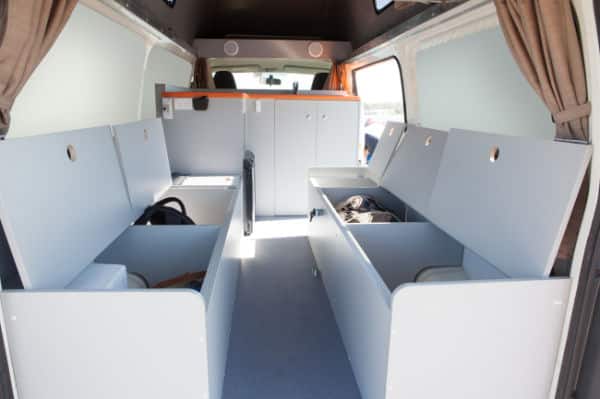
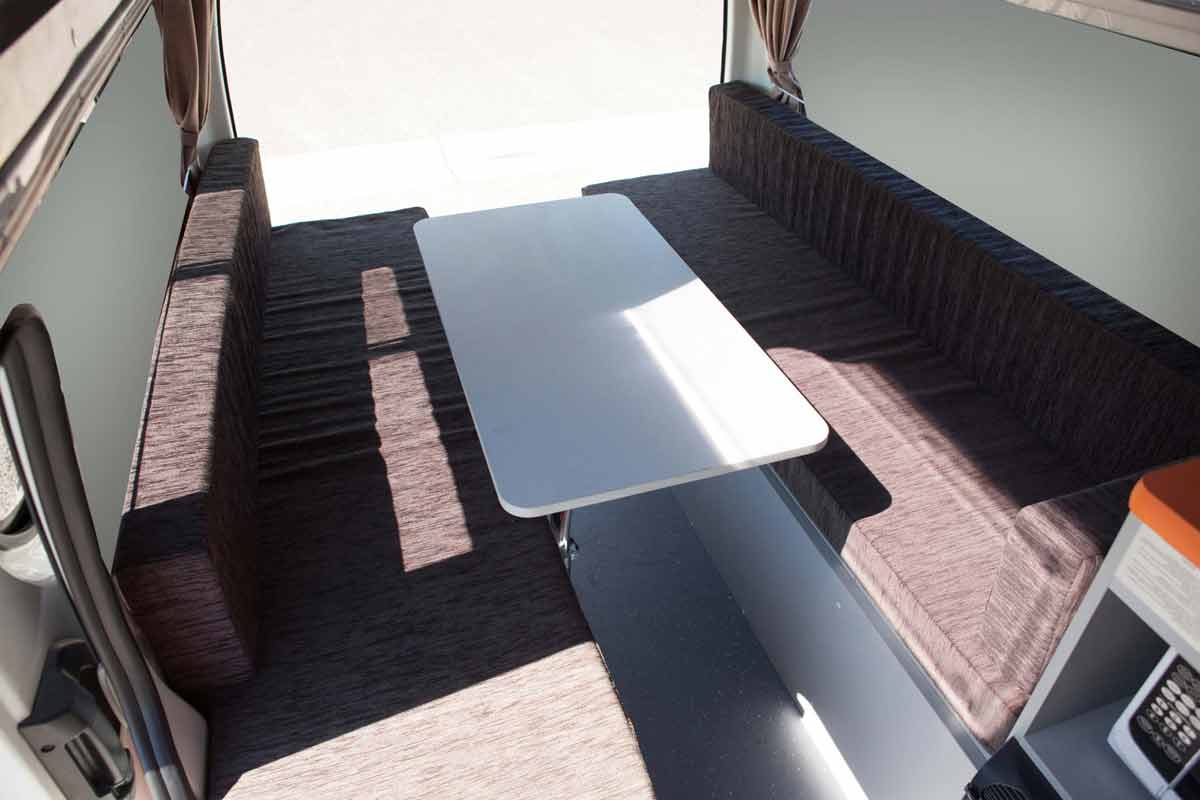
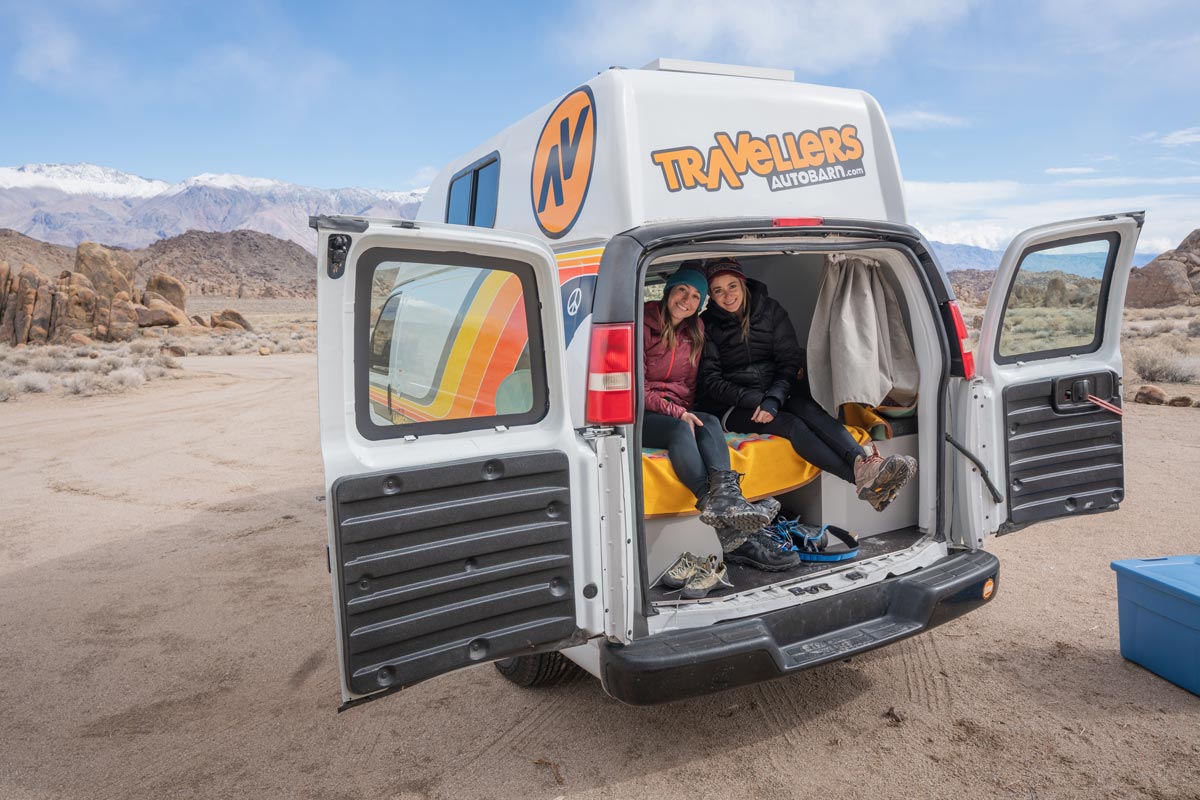
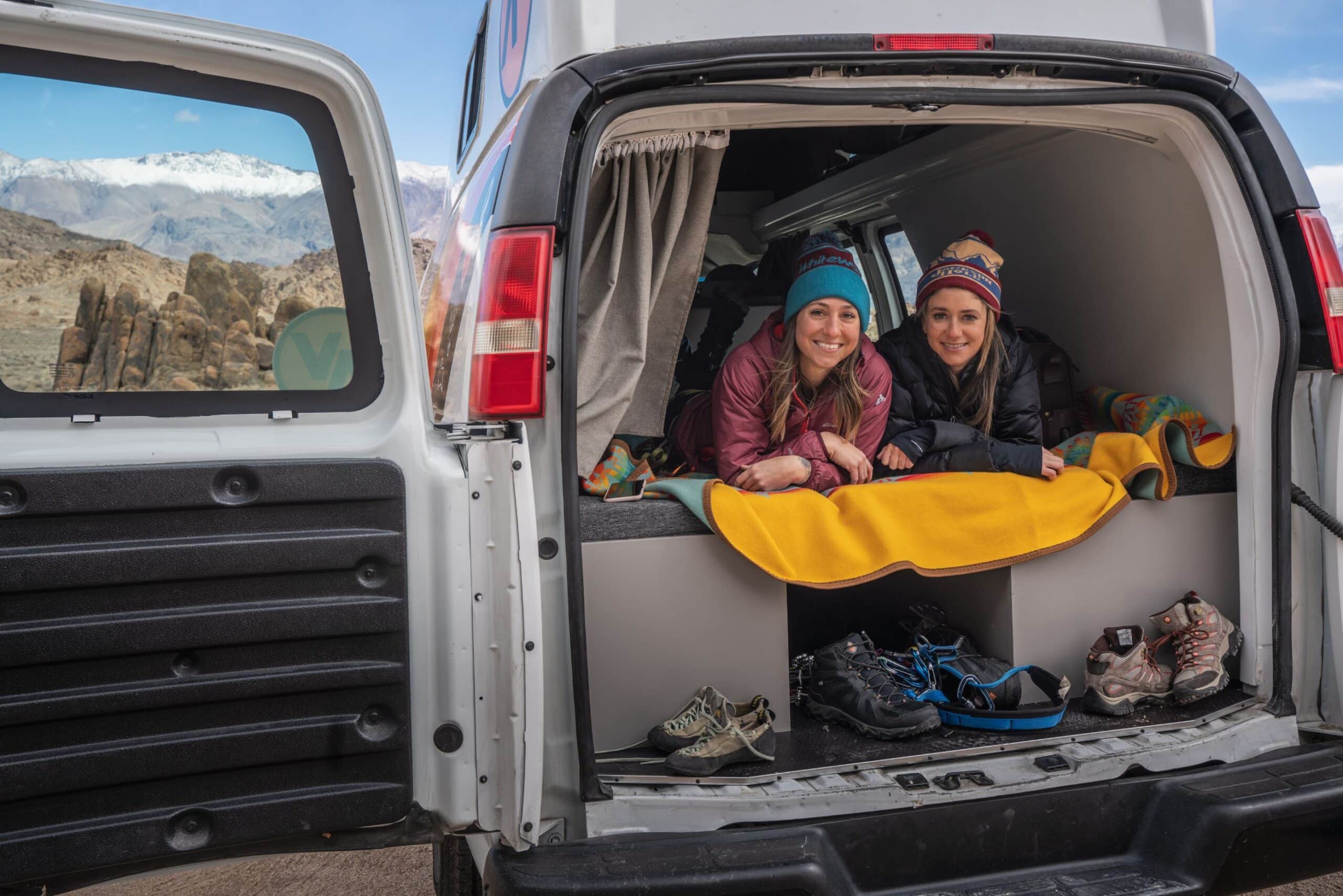
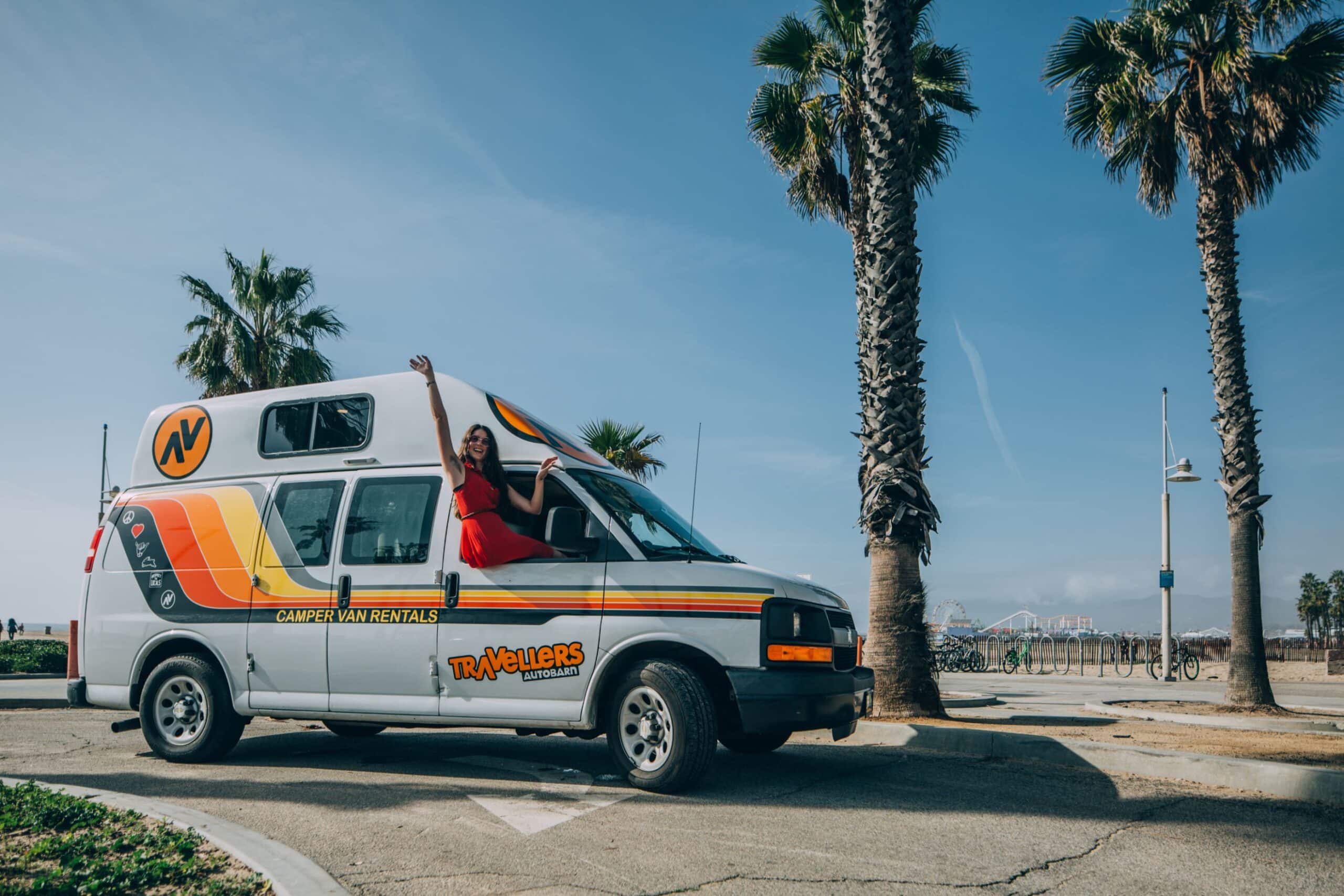
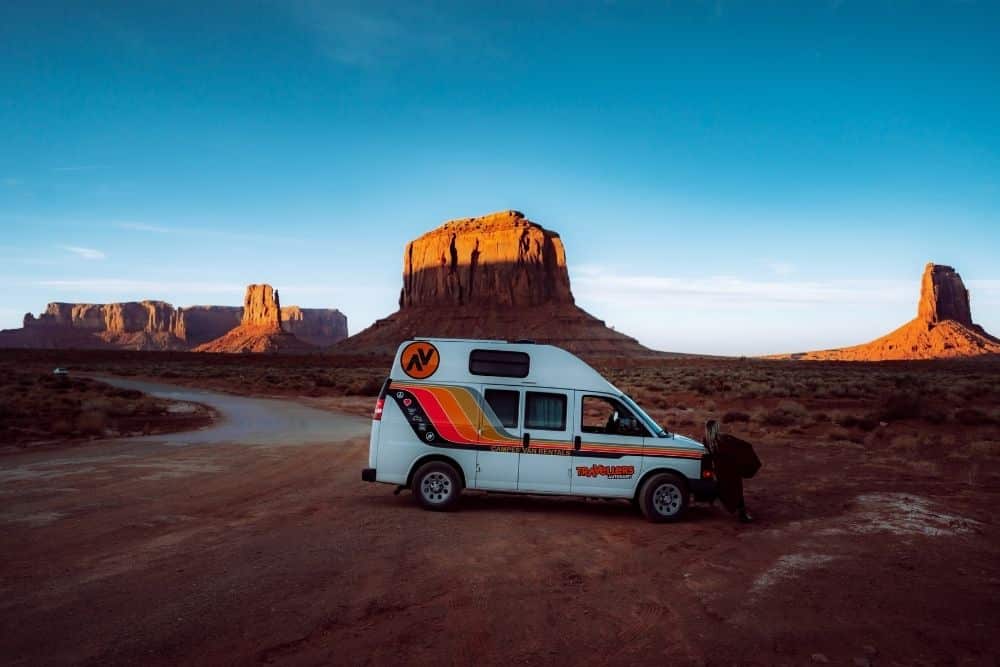
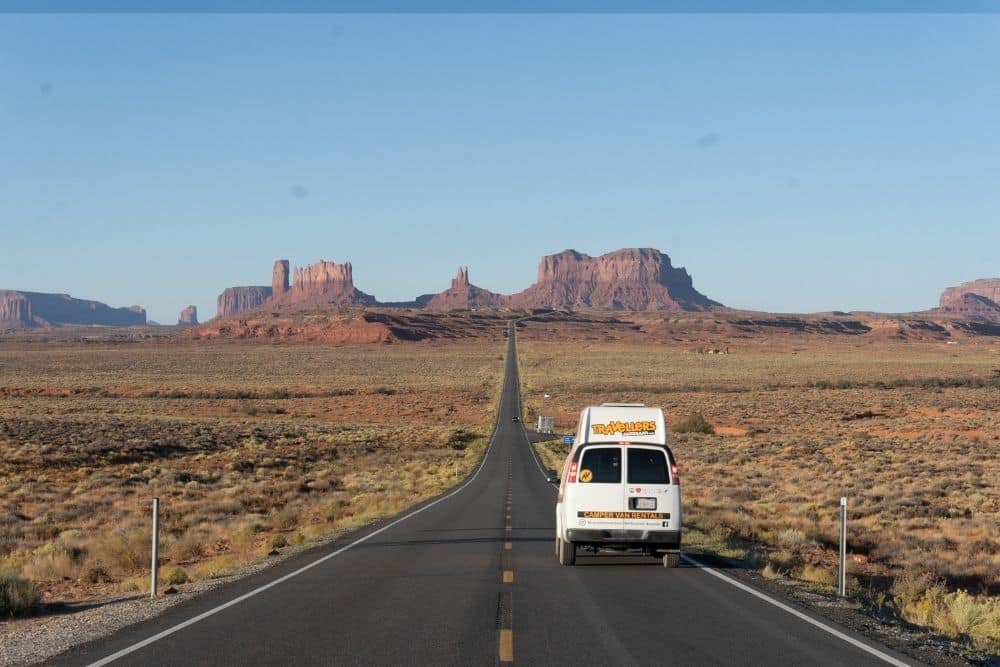
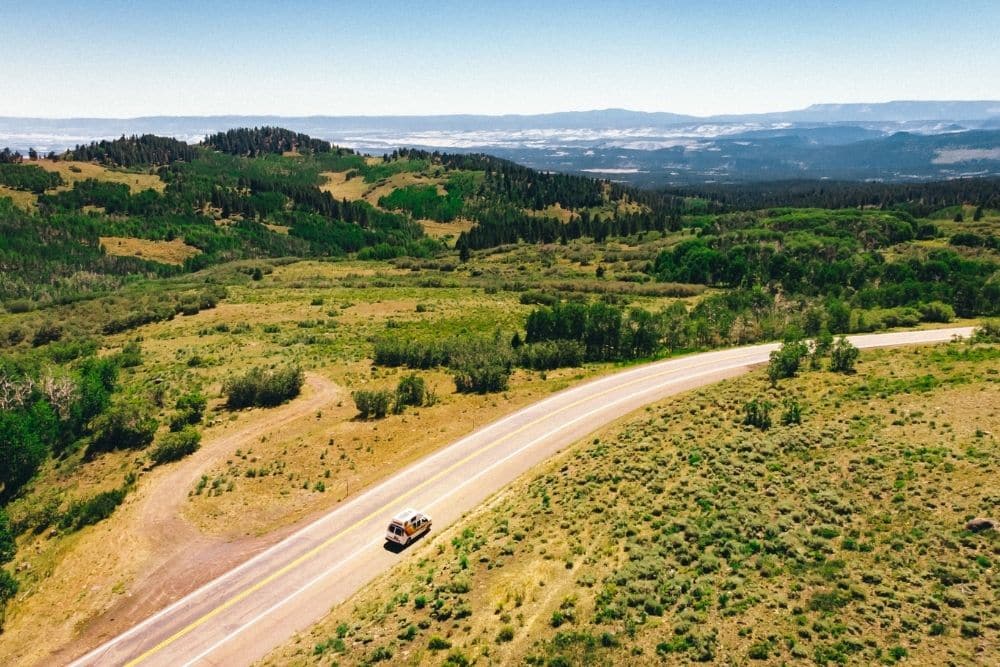
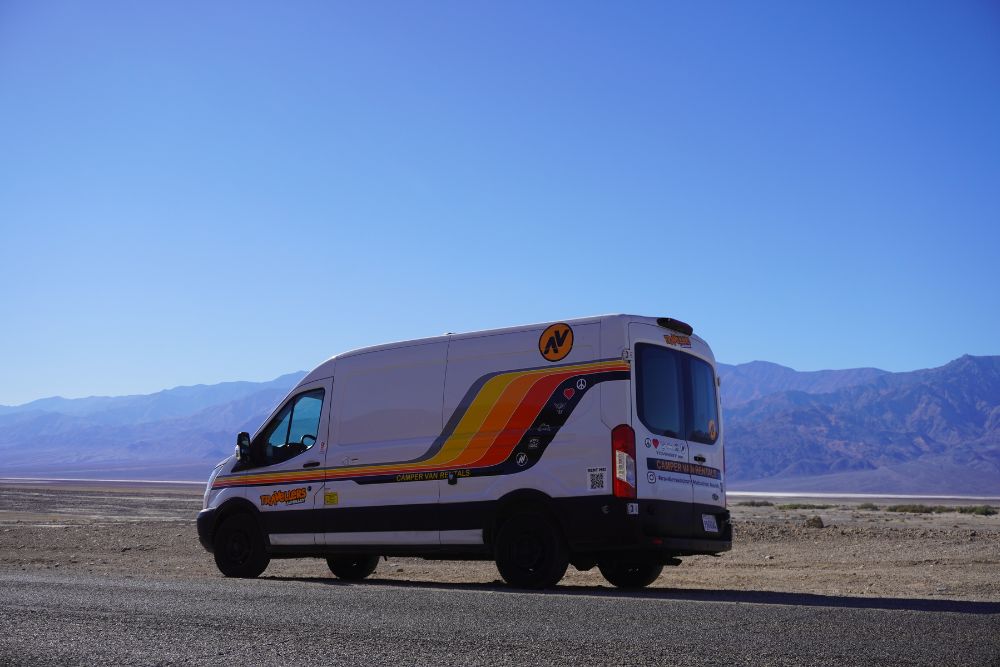
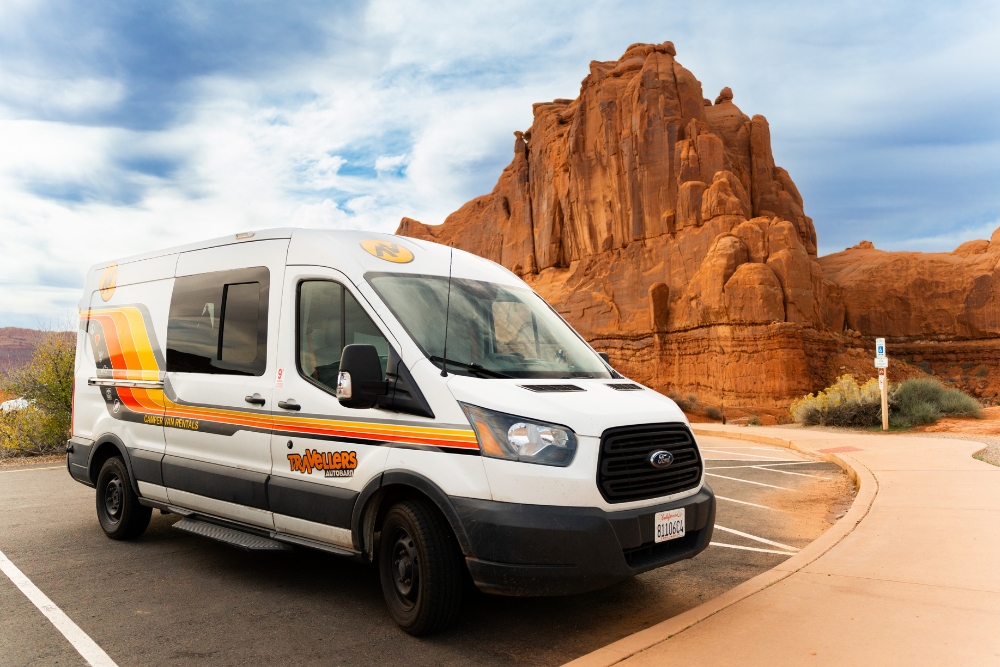
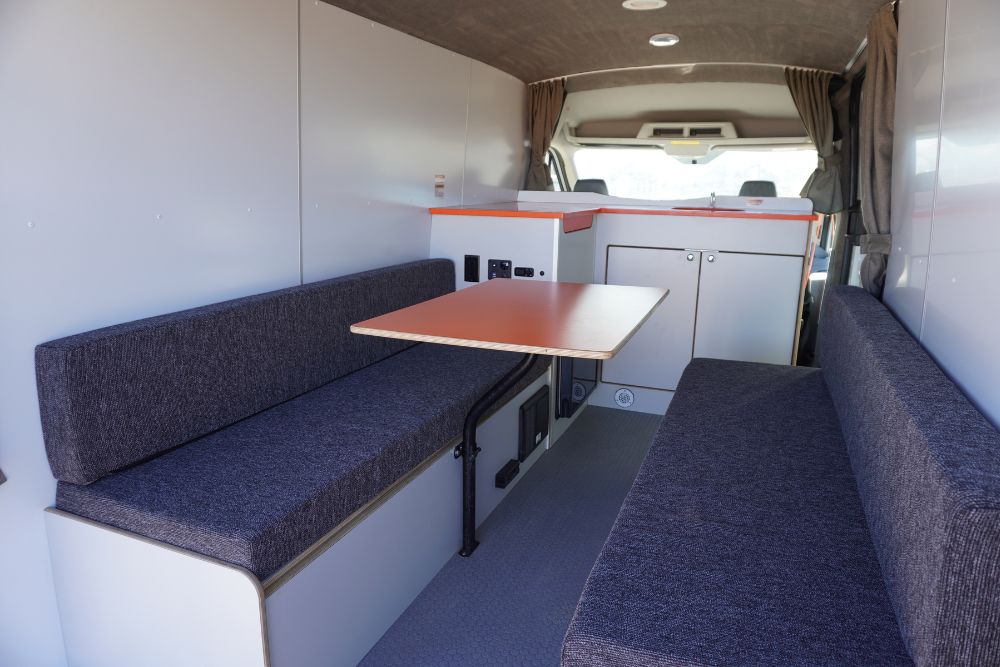
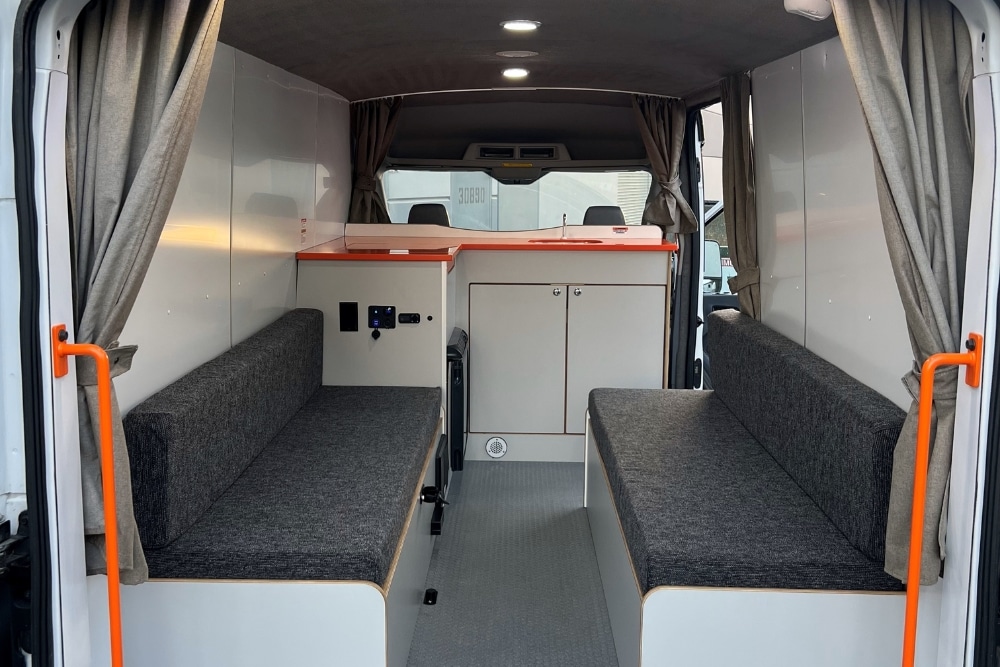
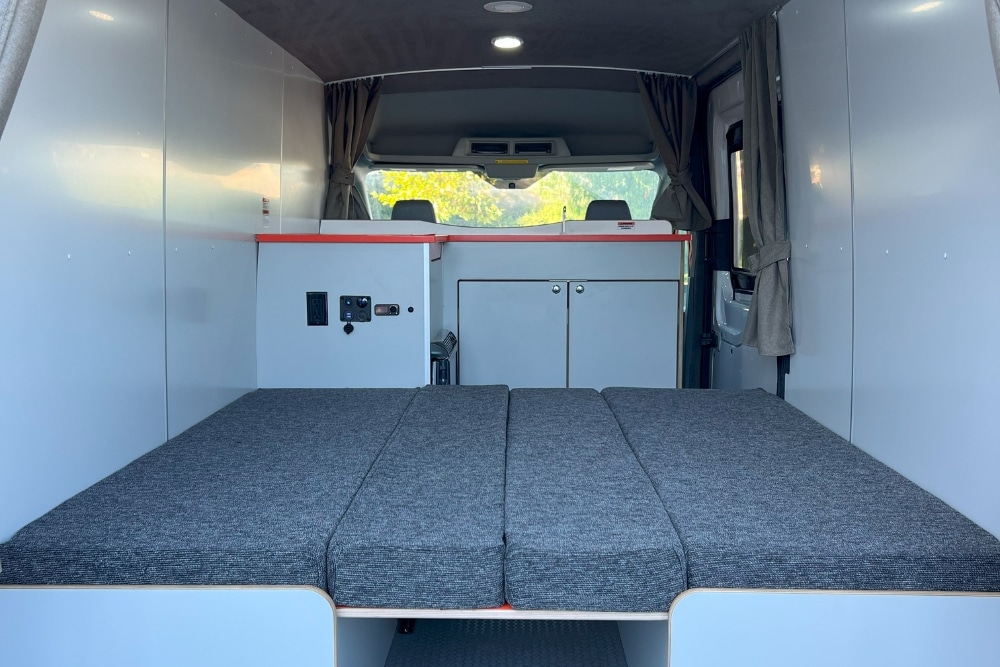
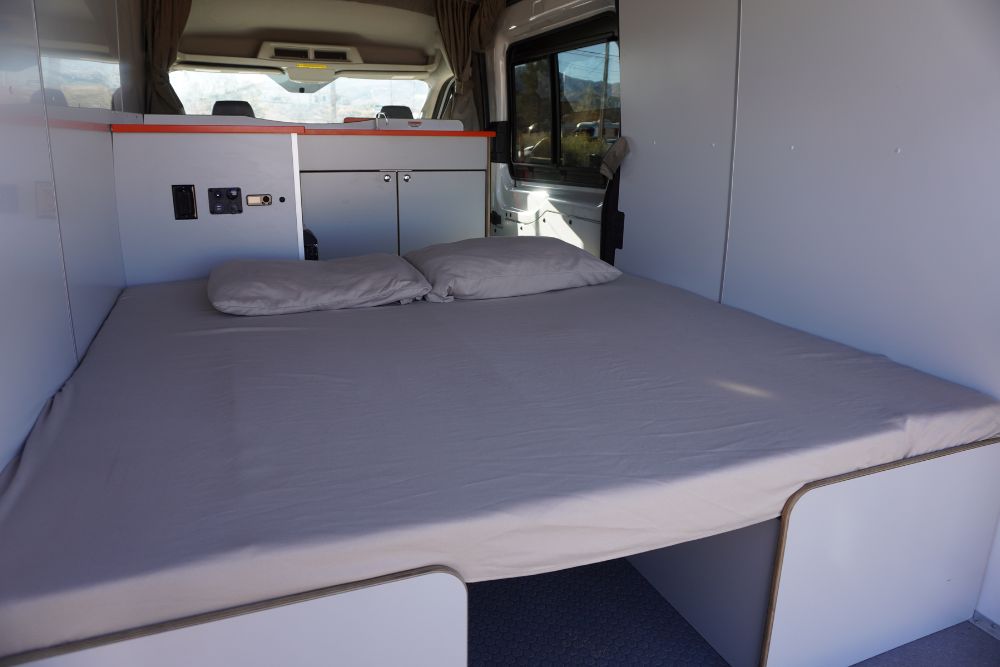
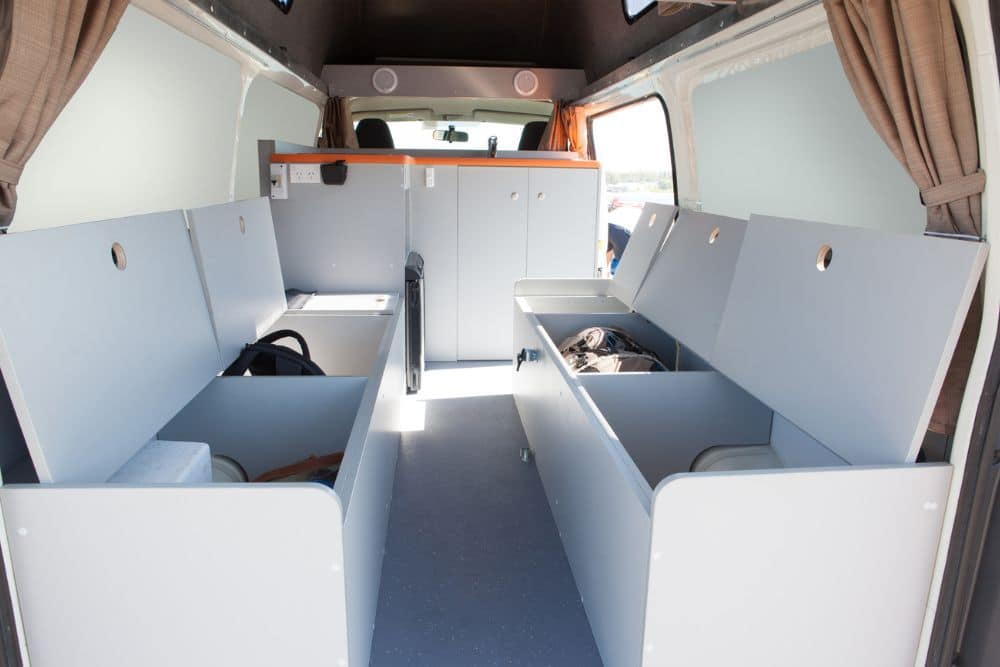
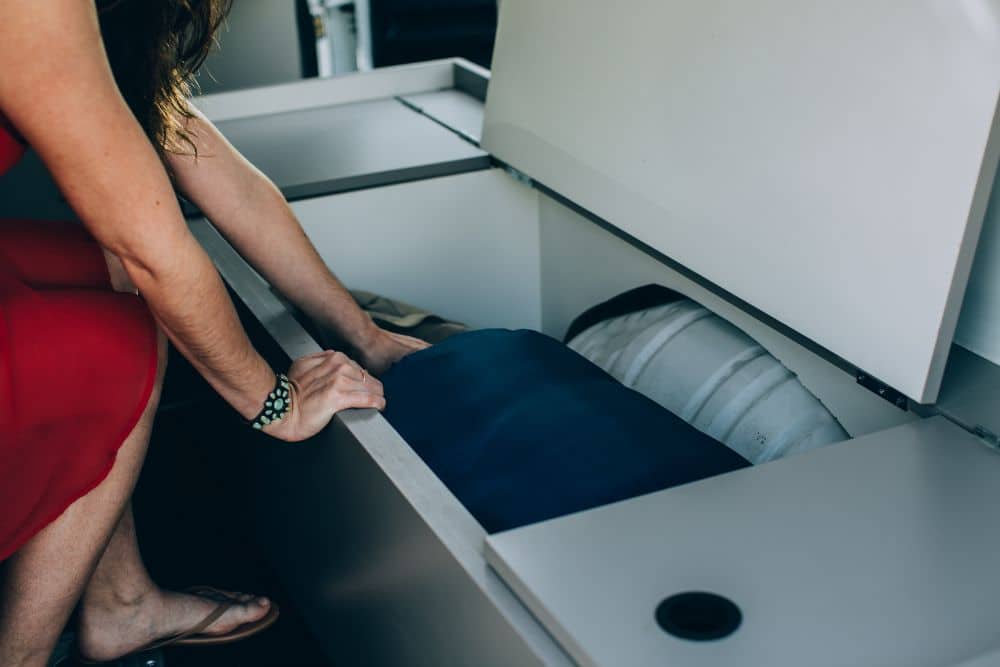
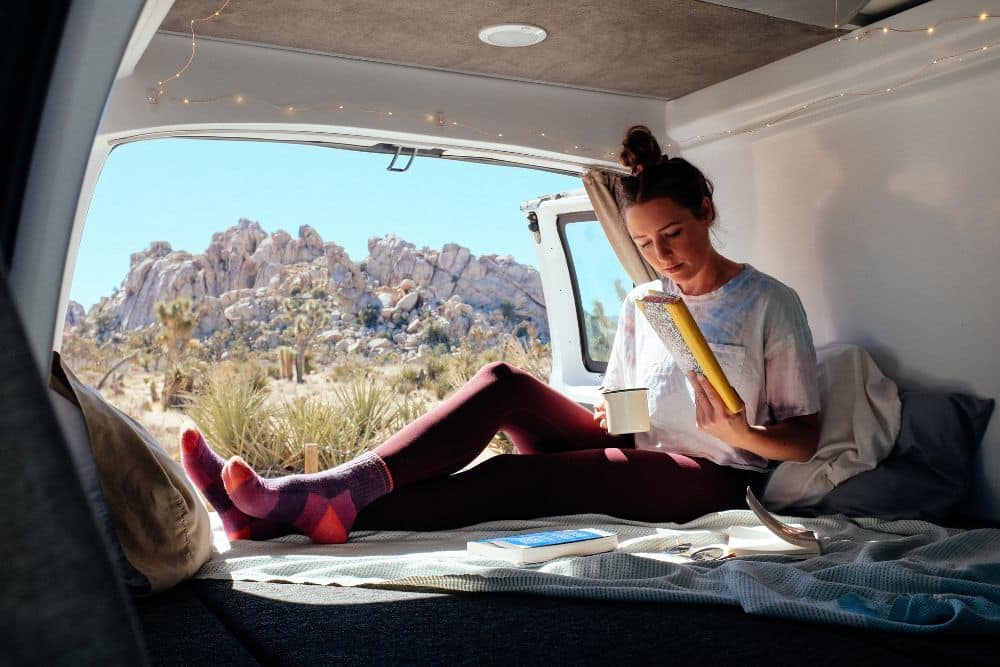
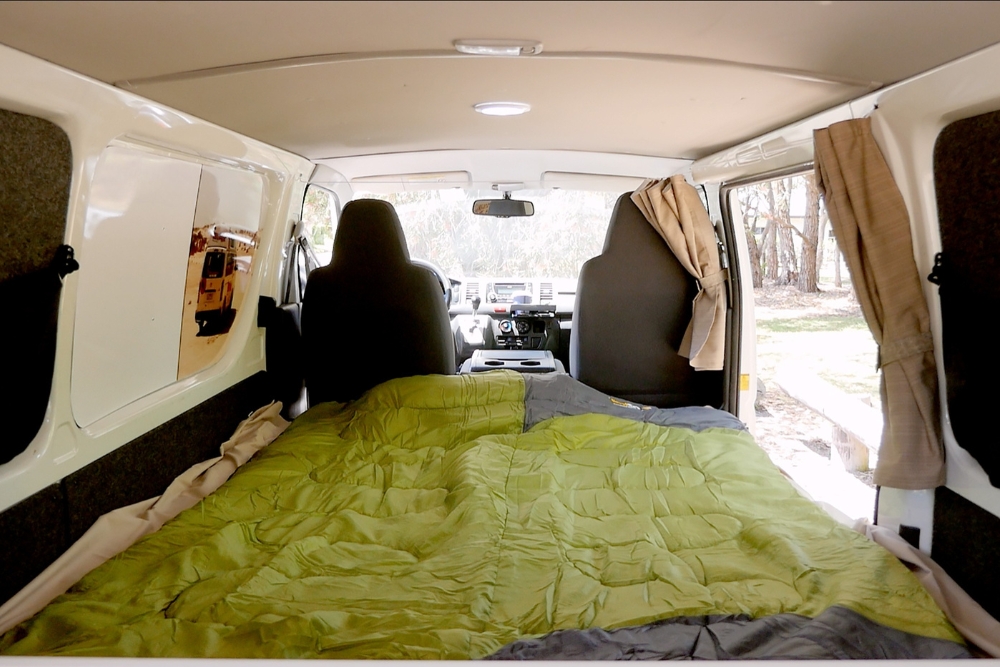
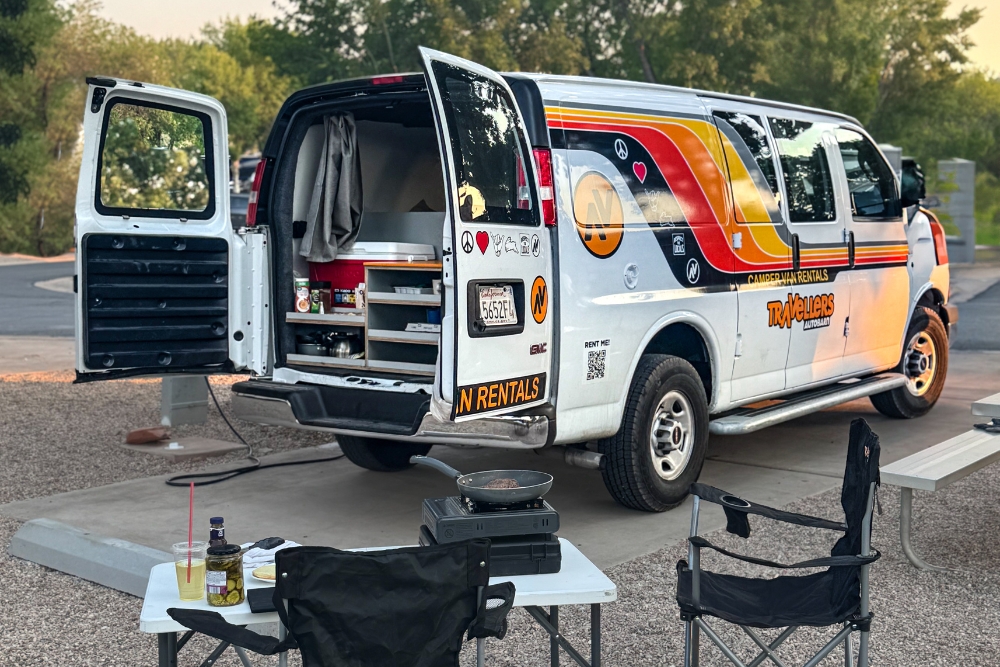
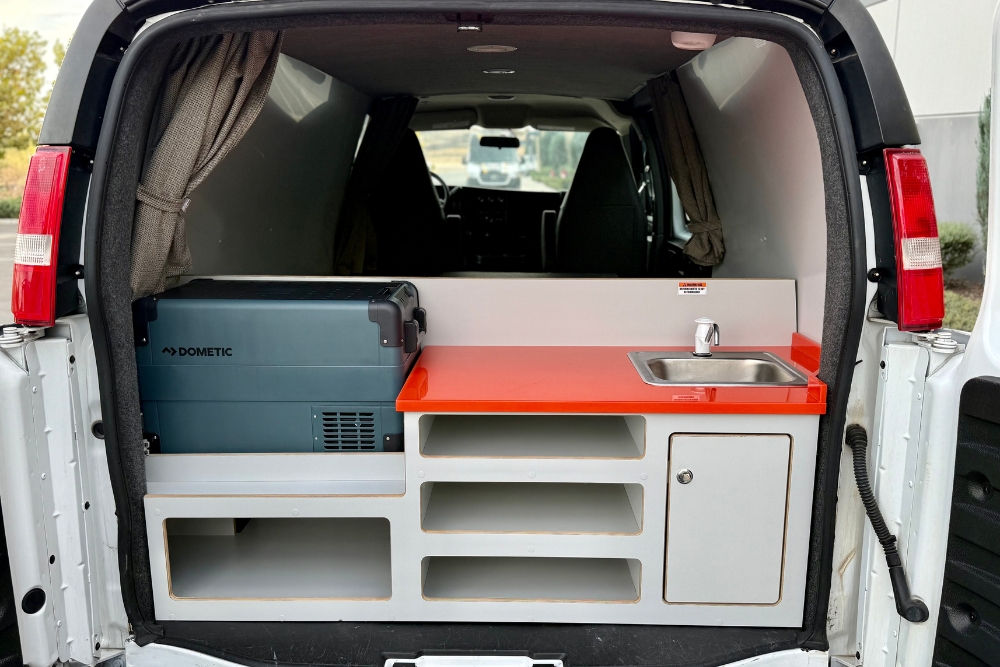
Renting a campervan is the ideal way to get the most out of a trip like this. With your sleeping arrangements and kitchen gear sorted, you never need to plan too far in advance and you’ll save plenty of money for the experiences that make the journey extraordinary.
Here’s everything you need to know to start planning your Pacific Coast Highway adventure today.

Why renting a campervan for a Pacific Coast Highway road trip is a great idea – expert advice
“What amazes me about this route is how much it shifts. You start in the old-growth rainforests and glacial peaks of the Olympic Peninsula, drive through towering redwoods along the Avenue of the Giants, hit the rugged cliffs of Big Sur, and finish among the palm trees and beaches of San Diego. It’s less a single road trip than four or five completely different ones stitched together.” – Harrison Greig, Social Media and Marketing Content Manager
Table of contents
- What is the Pacific Coast Highway and where does it run?
- How many days do you need to drive the Pacific Coast Highway?
- Should you drive the Pacific Coast Highway north to south or south to north?
- Washington and the Olympic Peninsula
- The Oregon Coast
- Northern California: redwoods and Mendocino
- San Francisco to Monterey and Santa Cruz
- Big Sur and the Central Coast
- Santa Barbara to Los Angeles
- Los Angeles to San Diego
- Best time of year to drive the Pacific Coast Highway
- What vehicle suits a Pacific Coast Highway road trip?
- FAQs
What is the Pacific Coast Highway and where does it run?
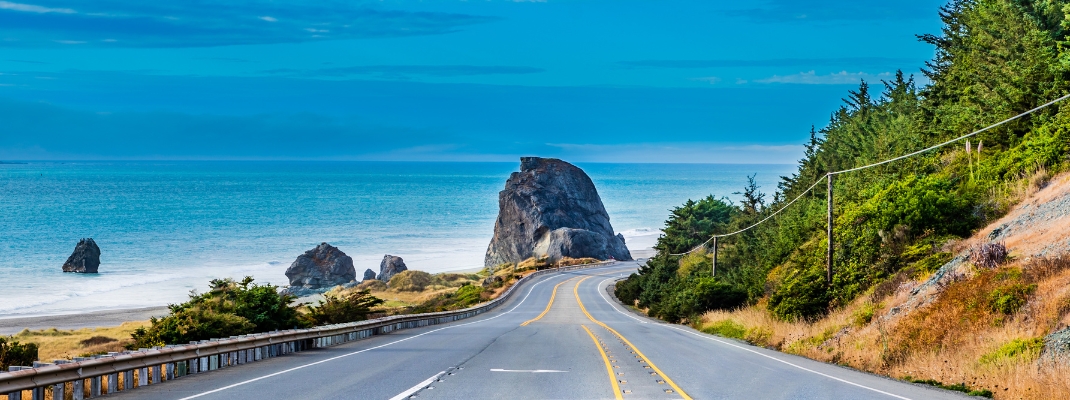
The Pacific Coast Highway (also known as PCH) is the casual term for the epic, multi-state route that runs along the western coast of the United States. It’s made up of State Route 1 and US Route 101 and winds from the northern tip at Washington down to southern California for 1650 miles. Often, it’s the roughly 655-mile section on California’s Highway 1 that people mean when referring to the route, but there’s plenty more to see up north and further south making it a truly incredible American road trip. From Washington State and the Olympic Peninsula to the Oregon Coast, northern California then onto San Francisco, Monterey and Santa Cruz, Big Sur and Santa Barbara, finishing with LA and San Diego, there are so many bucket list destinations to tick off with this drive.
How many days do you need to drive the Pacific Coast Highway?
This is a road that rewards time. Too few days allocated and the drive becomes a commute rather than an escape. If you don’t have a lot of time, consider doing only a section to get the most out of it. You could do San Francisco to Los Angeles in four days, but to take in the beauty of Big Sur, stretch that out to seven. To add in the redwoods and Oregon Coast, you’ll want a minimum of 10 days and at least two weeks if you’re planning to drive the full length from Washington down to San Diego.
Should you drive the Pacific Coast Highway north to south or south to north?
For the best vantage of the ocean, do this drive from north to south, because this puts you on the ocean side of the road. It also means you have easy access to show-stopping pull-outs without having to cross the road. However, if you’re flying out of LA, it may make better sense to tackle it the other way round. It’s the same road no matter which direction you take, so you’ll still get those spectacular views and scenic stops.
Pacific Coast Highway route and the best stops section by section
There are no rules about when or where you choose to stop on this magnificent drive, but there are certainly a few unmissable highlights that you should plot on your itinerary. Start with these best stops and go from there.
Washington and the Olympic Peninsula
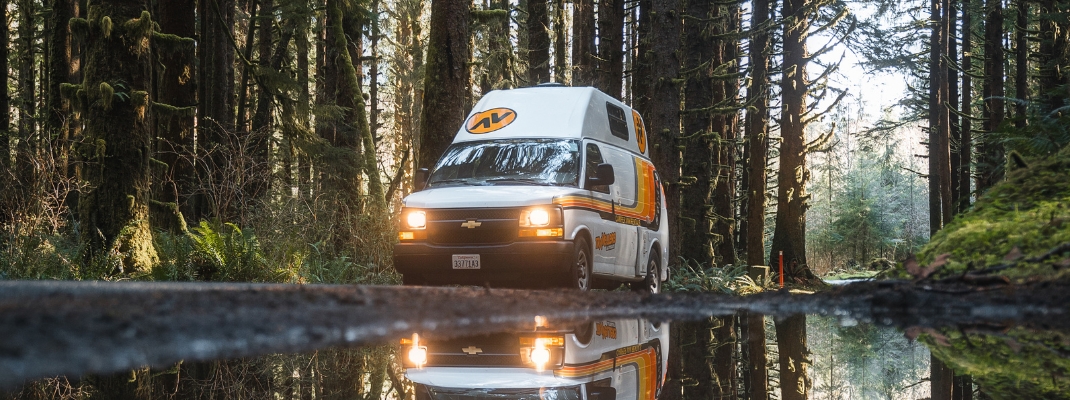
Beginning from north to south, this stretch is perhaps the least driven part of the journey but there’s so much here to discover. Your start is at Washington’s Olympic Peninsula National Park. This stunning wilderness of old-growth rainforests, glacier-capped peaks and 70 miles of rugged coastline sprawls for about 1 million acres, so you’ll only scratch the surface here. On a concise itinerary, make sure you schedule in time at the lush Hoh Rain Forest, accessed by a sealed road off Highway 101, this tranquil forest is festooned with moss, ferns and conifers and offers easy hiking. As you make your way south, be sure to pull into Ruby Beach to admire the wave-formed sea stacks towering in the Pacific Ocean.
The Oregon Coast
From Ruby Beach continue on US Route 101 down the Oregon coast for a little over three hours to reach Astoria. As Oregon’s oldest city, the portside Astoria is full of maritime and architectural history to explore. Another 45 minutes south is Cannon Beach, where the iconic Haystack Rock is a must-see. Wander the beach to take in the monolithic formation anchored in the sea, then enjoy the artful village.
From there, it’s a big day’s drive of about 7 hours down to the 12-mile-long Samuel H. Boardman Scenic Corridor. This national park is nothing short of spectacular with secluded coves, rough and rugged cliffs and plenty of trails from which to immerse in the scenery. Don’t forget, while you’re in Oregon, you’re welcome on any beach as all are public by law.
Northern California: redwoods and Mendocino
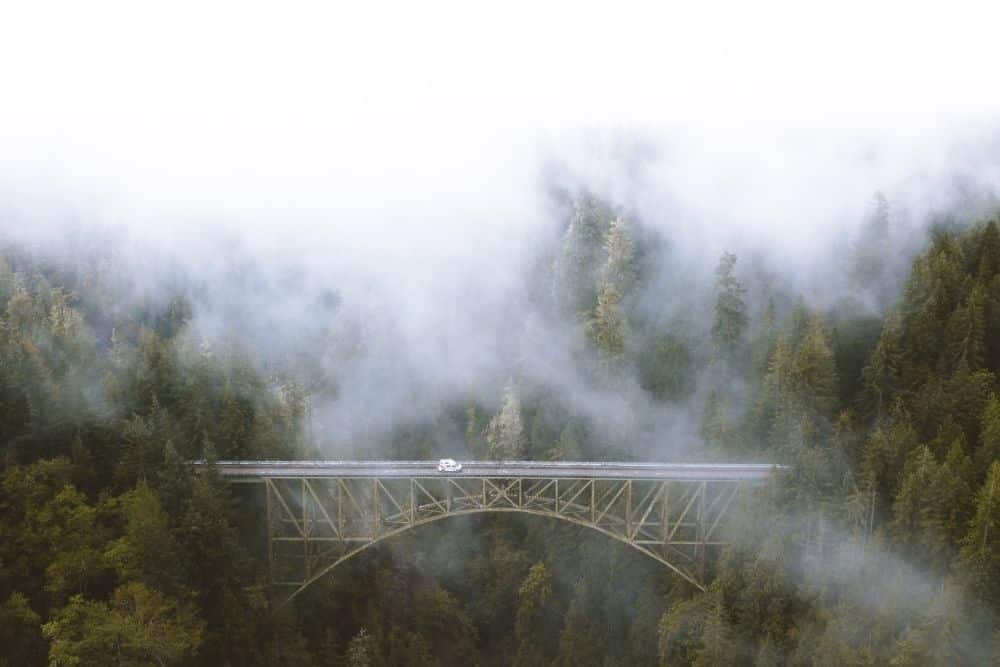
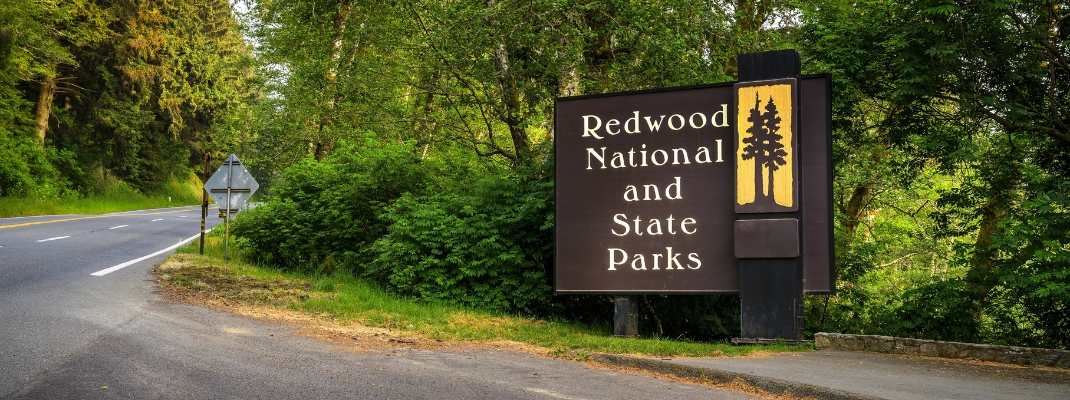
From here, you’re not far from the border of north California. Make your first stop at Redwood National and State Parks and split from the 101 for the parallel 254 to take the incredible Avenue of the Giants, a 31-mile scenic highway that ribbons through towering redwoods. Carry onto the ocean bluff-set hamlet of Mendocino to take in the beauty of the coast from the Mendocino Headlands State Park, before following the road south for around three-and-a-half hours to San Francisco. If you have extra time, make a detour through the Napa Valley to experience this beloved wine region.
San Francisco to Monterey and Santa Cruz
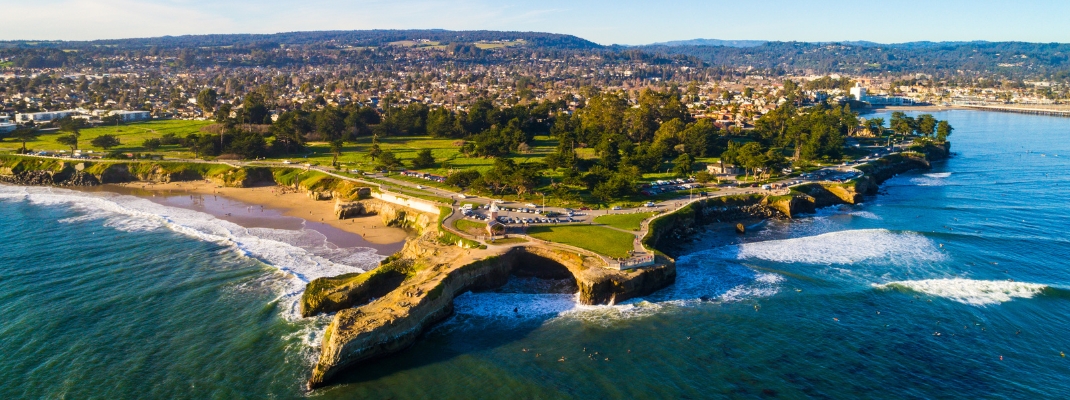
You can’t drive through San Francisco and not stop for a photo opportunity at Golden Gate Bridge. From the city, it’s an hour along the coast to reach the idyllic seaside town of Half Moon Bay, where you can enjoy some beach time and wander the historic Main Street. Another hour along will have you arriving at Santa Cruz. Don’t miss the iconic Beach Boardwalk here and enjoy the county’s redwoods, beaches and, if time permits, head out to the peaceful Loch Lomond.
From Santa Cruz, head less than hour down the coast to reach pretty Monterey, making sure to lock in a few hours for the Monterey Bay Aquarium on the edge of the historic Cannery Row. If you have enough padding in your itinerary, take the $11.25 detour to explore beautiful 17-Mile Drive in Pebble Beach. Check out our San Francisco to Monterey road trip to stretch this section of the drive even further.
Big Sur and the Central Coast
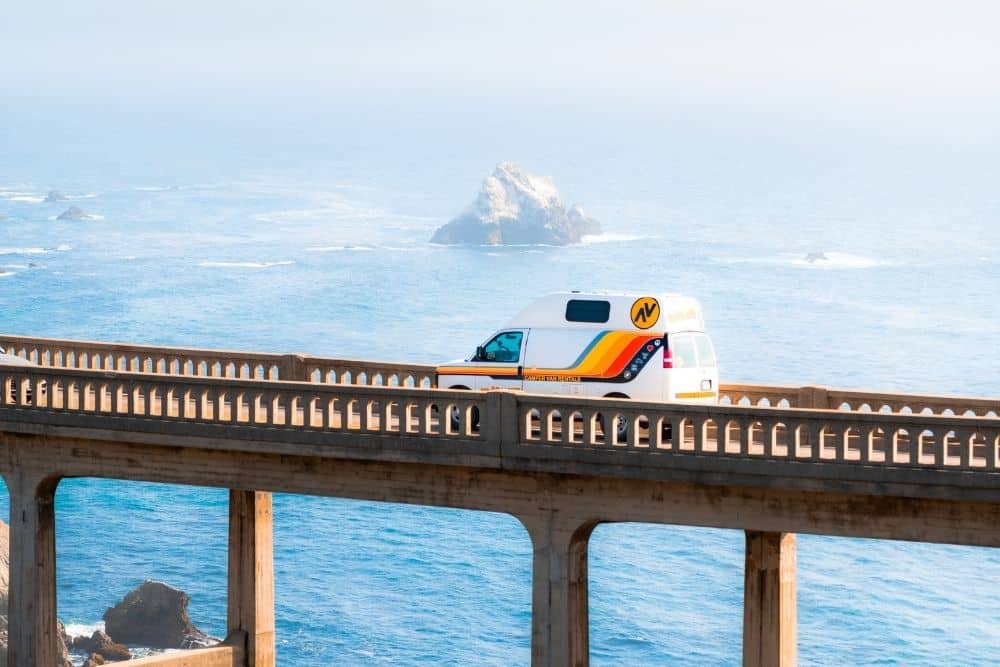
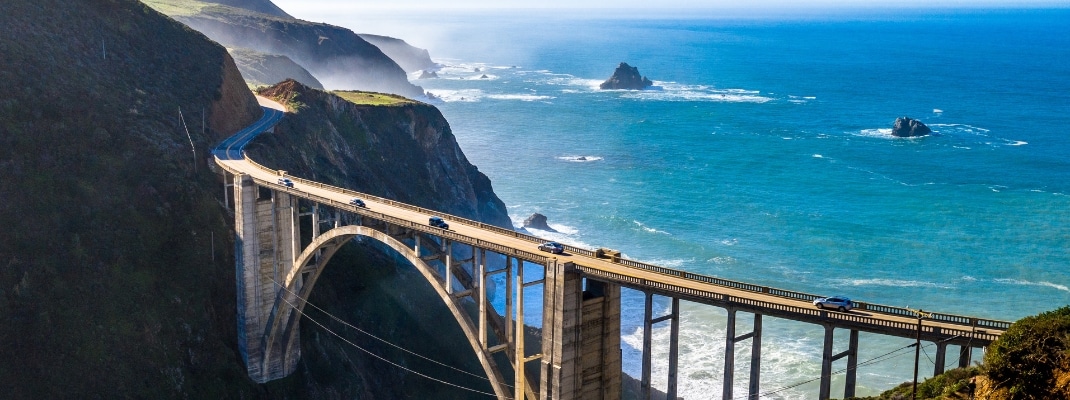
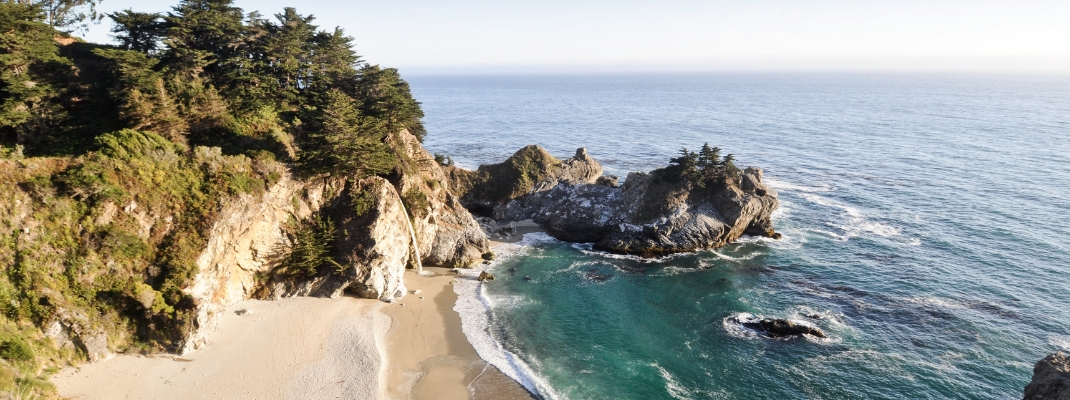
This section is what comes to mind for most people when considering a Pacific Coast trip. Of course, there’s good reason for that as Big Sur is the pin-up star of the Californian coast. Swing by Carmel-By-The-Sea and onwards to Santa Barbara collecting a hit list of photo-ops, such as Bixby Creek Bridge, McWay Falls and Pfeiffer Beach. You’ll also need to stop and say hello to the resident elephant seals at Piedras Blancas Beach before taking a tour of fascinating 20th century Hearst Castle.
The looming Morro Rock at Morro Bay also beckons road-trippers off the highway to marvel at this extraordinary volcanic mound that dominates the seascape. Add some time to marvel at the Madonna Inn in San Luis Obispo, where you can enjoy a baked treat or lunch in the extraordinarily ornate dining room. If you have longer to do this leg, take a look at our San Francisco to Big Sur road trip.
Santa Barbara to Los Angeles
Drive on for less than two hours to reach Santa Barbara. Here you’ll want to spend a couple of relaxing hours enjoying the waterfront and the town’s Spanish architecture, before making your way to the iconic city of Malibu just west of LA. Paddle out here for a refreshing surf or swim ahead of tackling the hour-long drive into Los Angeles. But if you’re not in a hurry, fun awaits at Santa Monica Pier. This postcard spot is often considered the end of the drive, but there’s one section left to go yet!
Los Angeles to San Diego
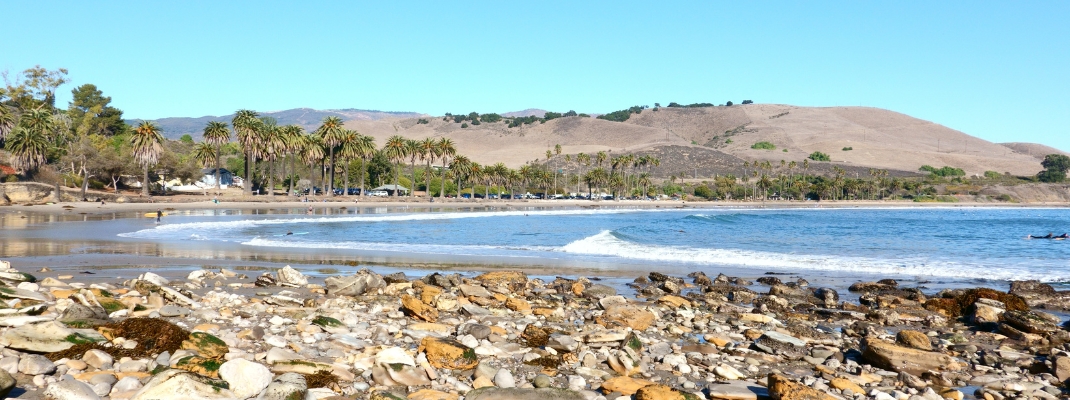
This is the southernmost end of the drive, taking you a little over two hours to reach San Diego, just 17 miles out from the border with Mexico. Make your way down through the fascinatingly affluent Orange County, where you might decide to spend a day wandering the marina and boutiques at Dana Point or visiting the sun-bathed Laguna Beach and San Clemente, before making your way to La Jolla in San Diego marking the end of an unforgettable coastal journey.
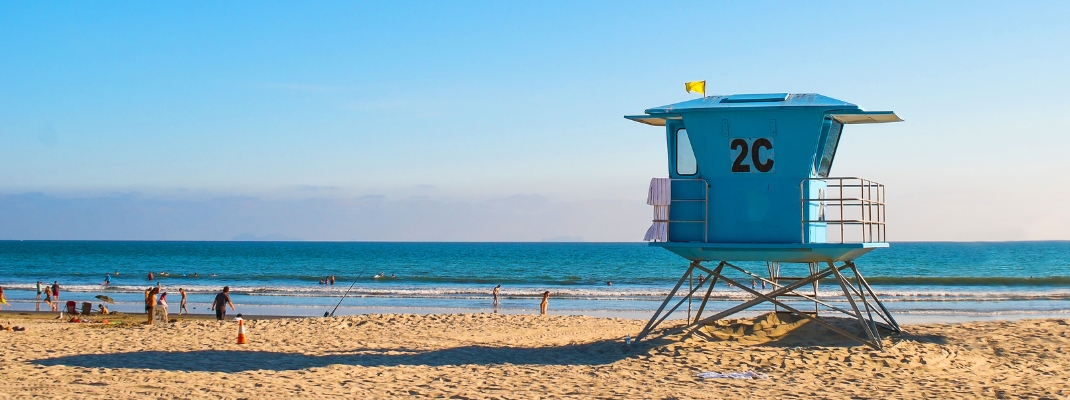
Best time of year to drive the Pacific Coast Highway
You might expect the answer to be summer, but surprisingly, that’s not the ideal season to take this drive as peak-season traffic can be heavy and the dreaded ‘June gloom’ fog fades the iconic vistas.
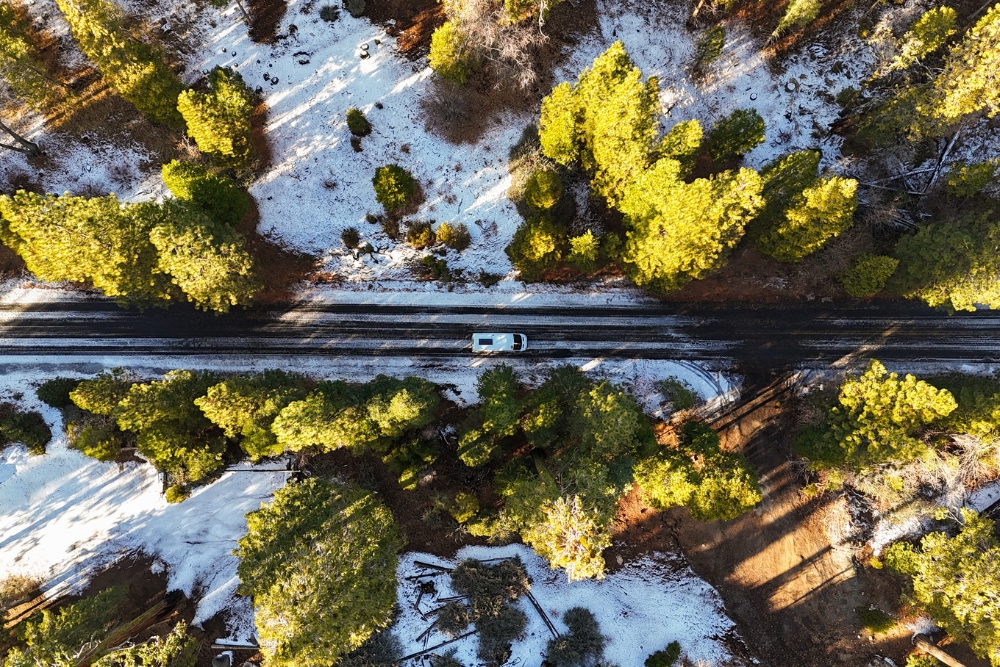
In fact, the shoulder season between September and October offers the clearest weather for absorbing those grand Pacific Ocean views and blue hues. If you travel in spring, you’ll be rewarded with lighter traffic and spring blooms, while winter puts the spotlight on whale-watching, but you’re more likely to encounter storms and road closures. As you travel south from Oregon, the window for clearer weather expands, so keep in mind when plotting your trip.
What vehicle suits a Pacific Coast Highway road trip?
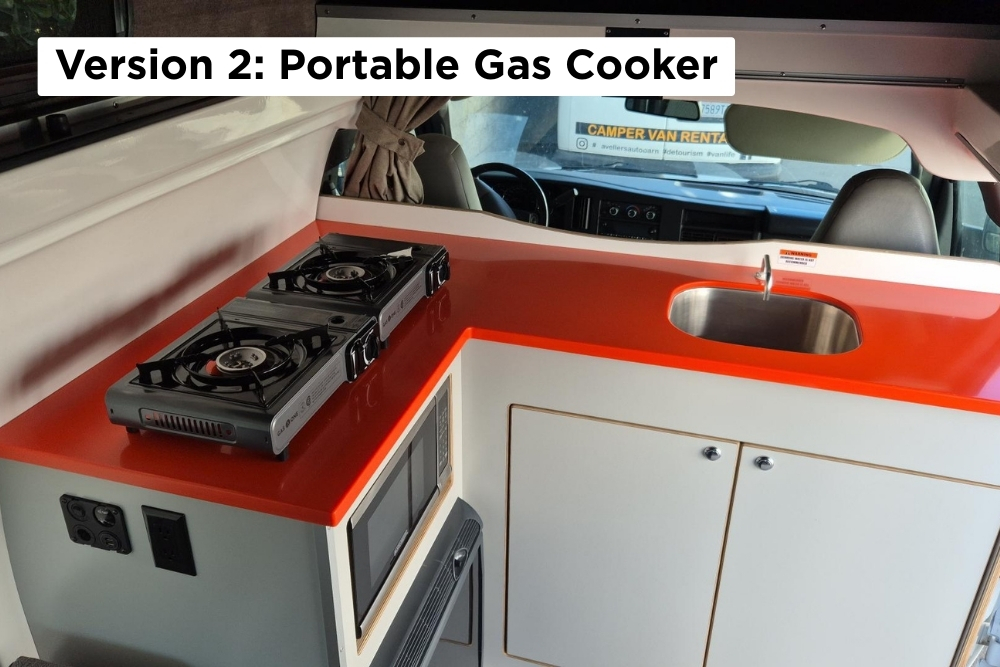
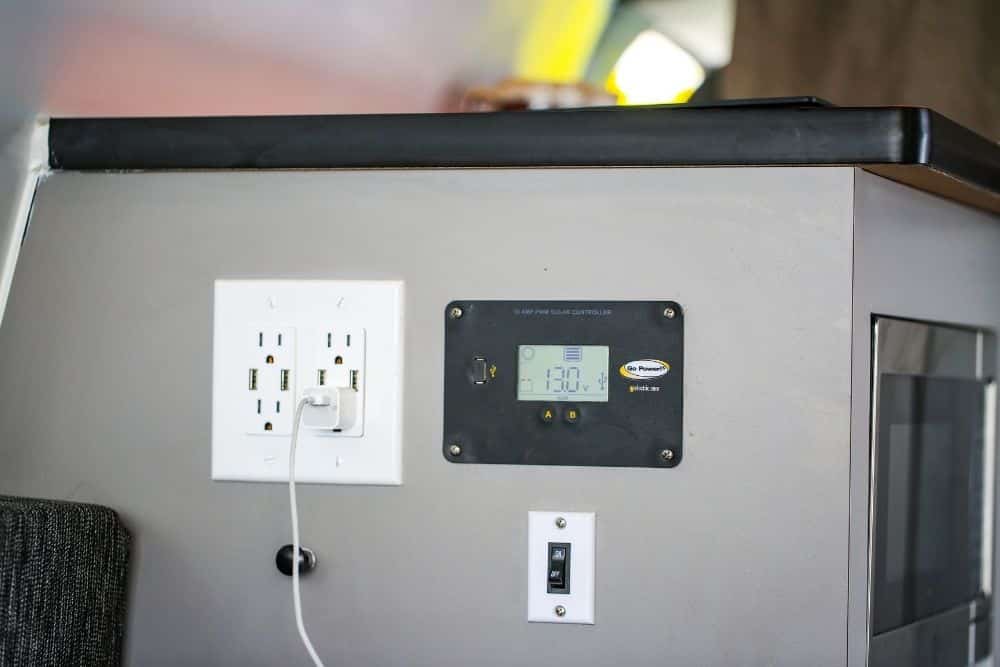
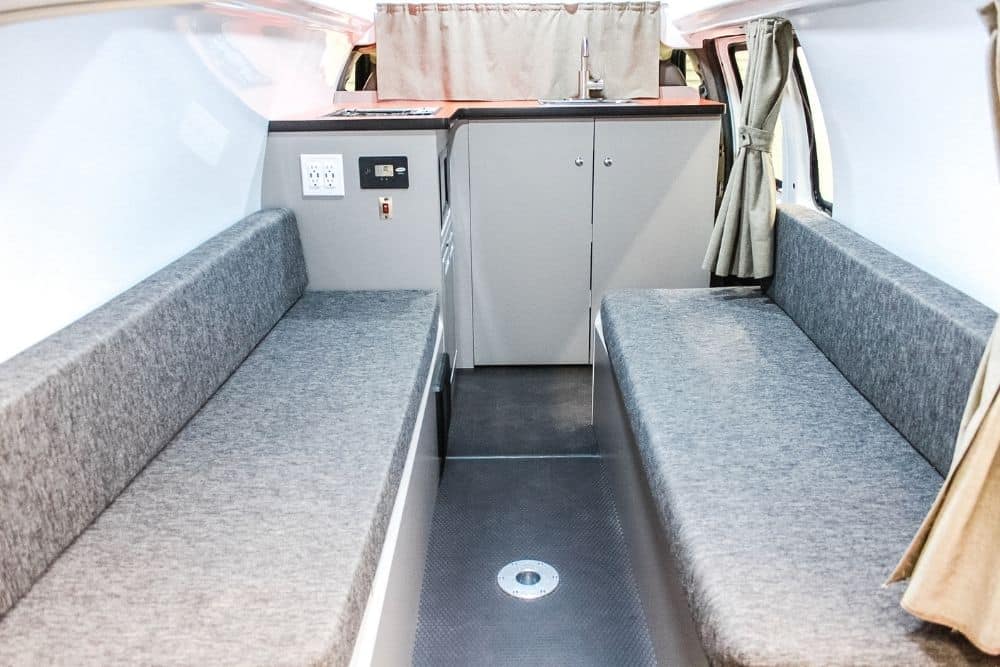
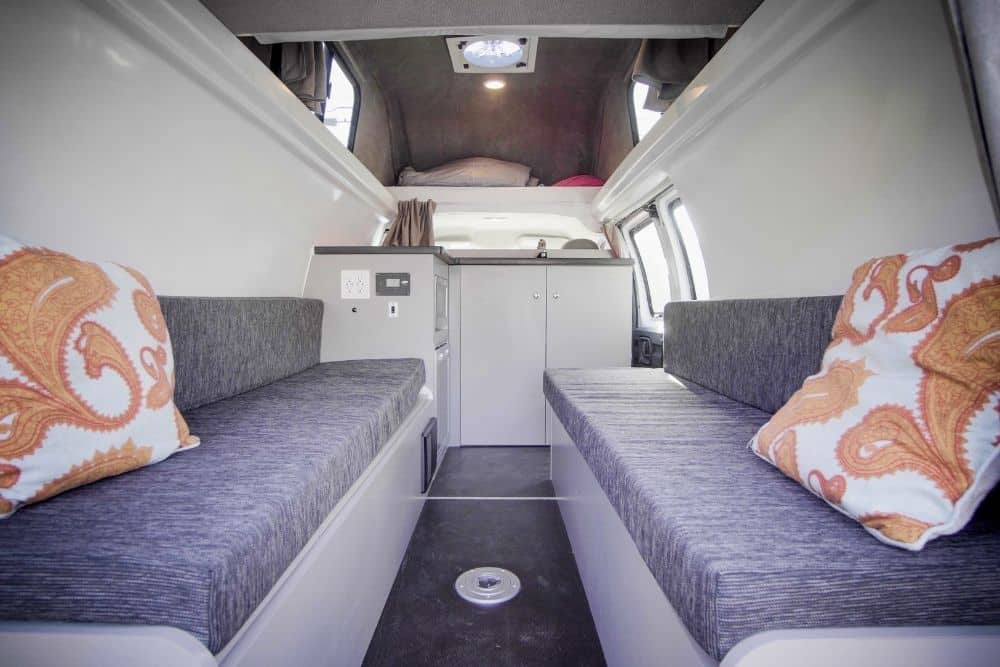
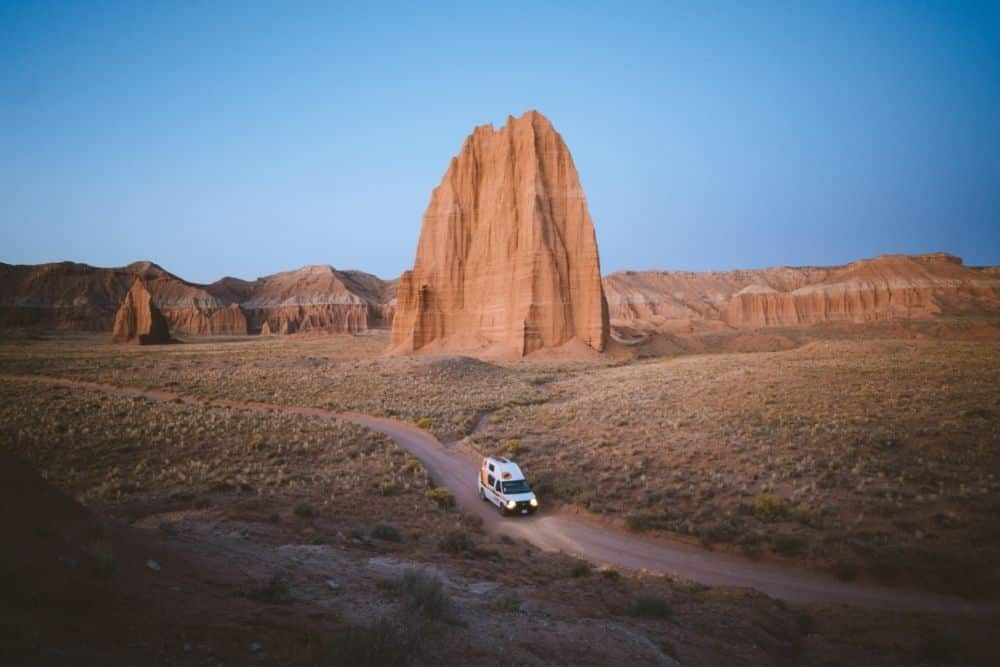
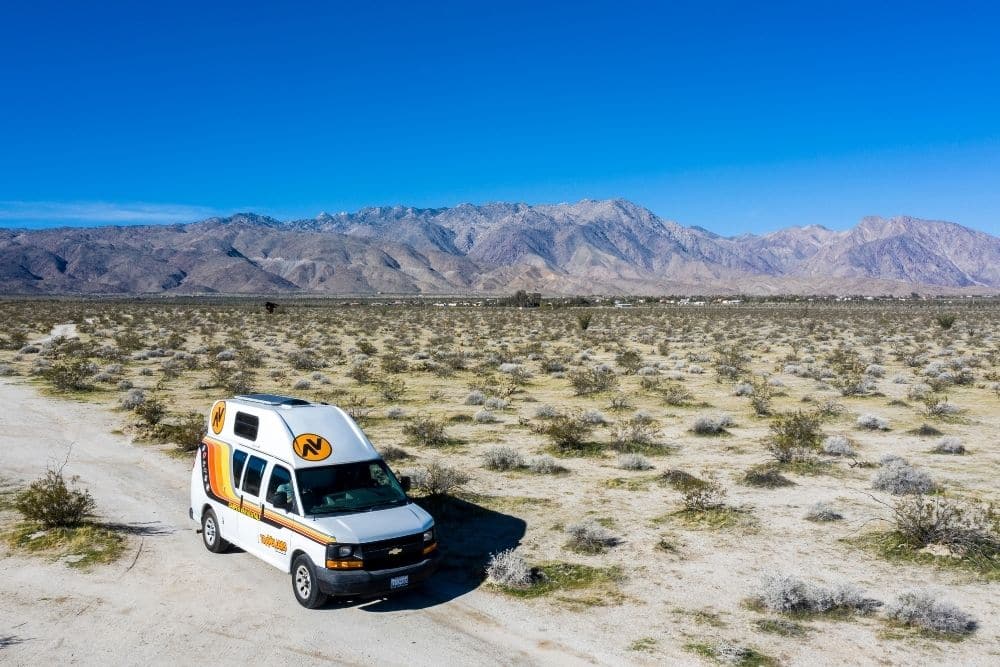
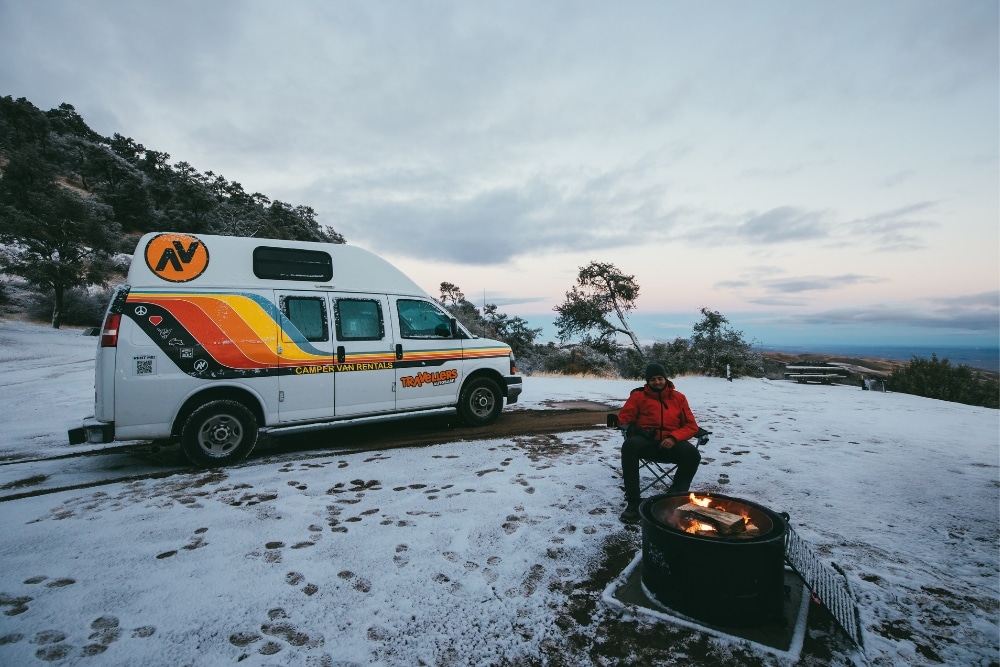
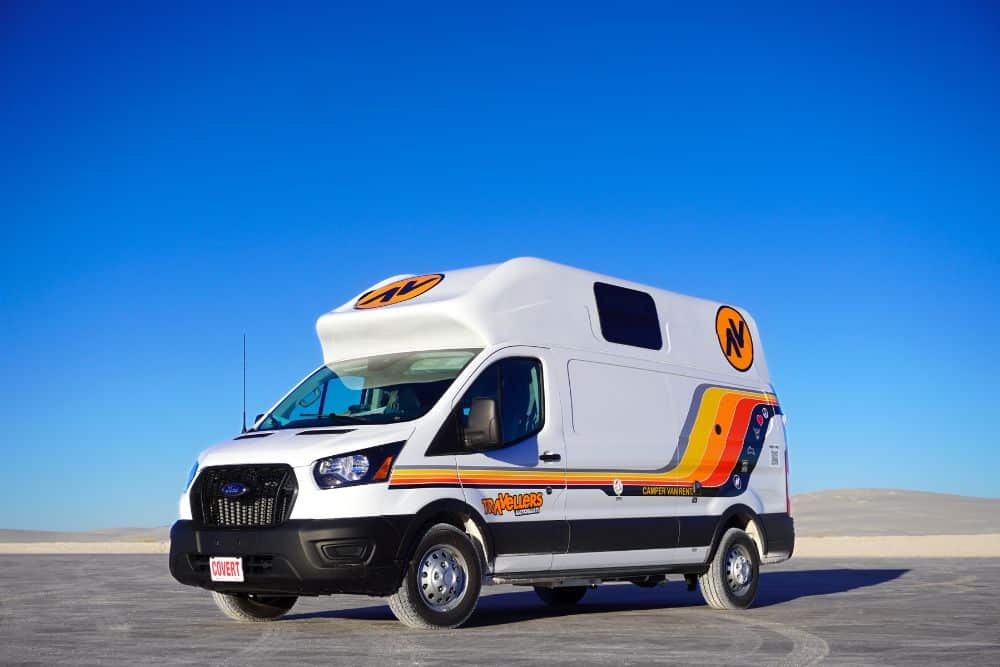
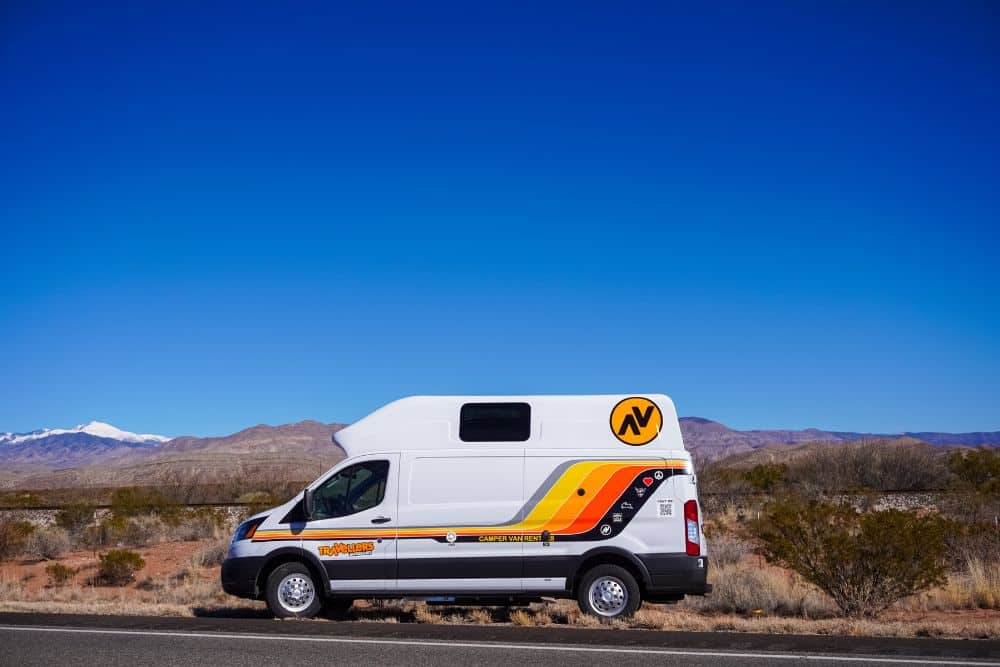
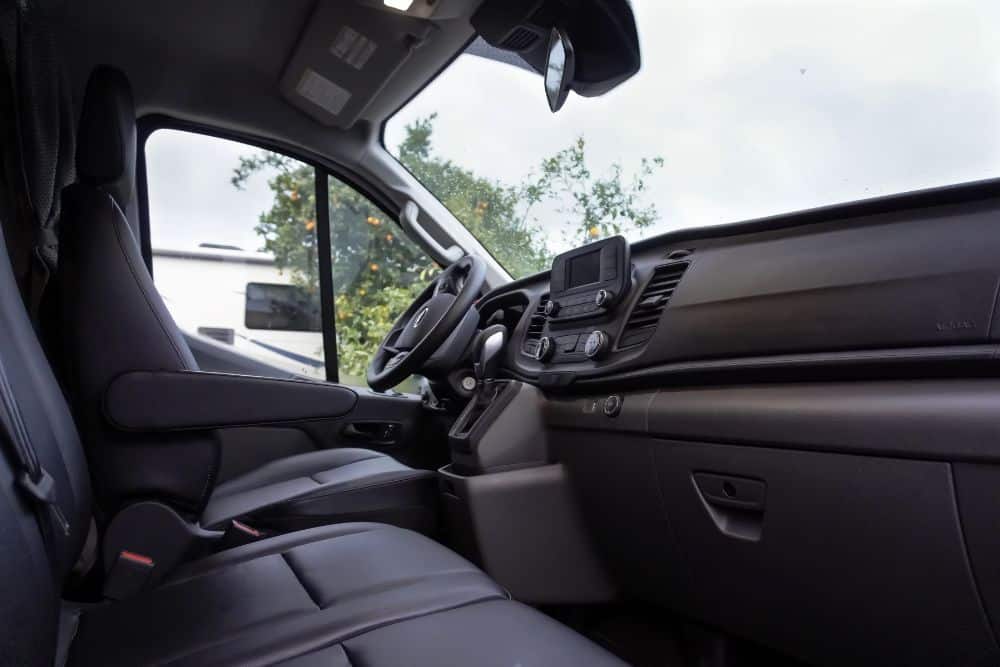
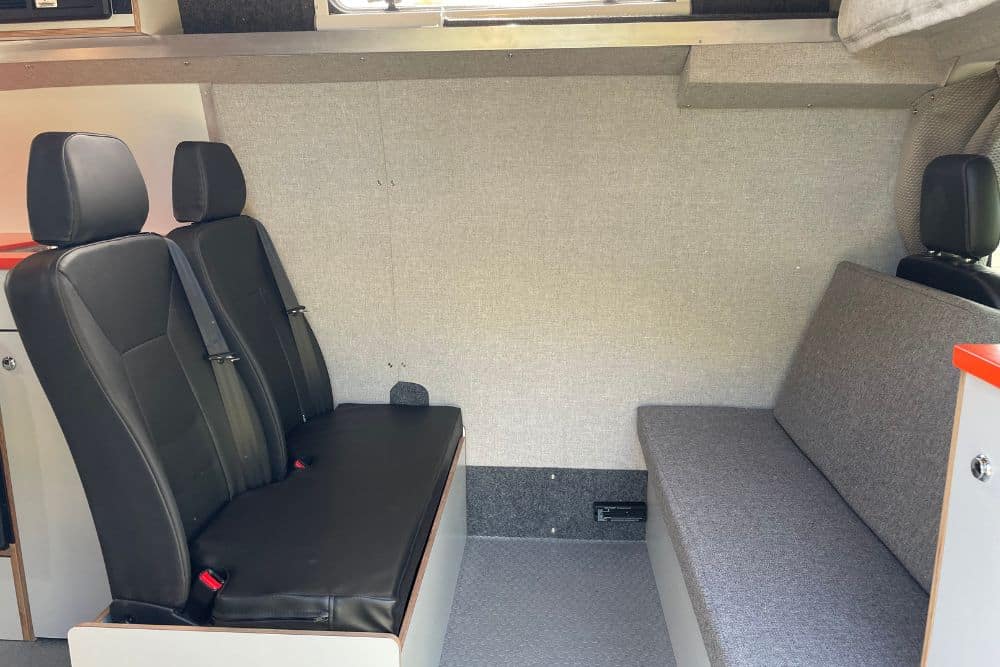
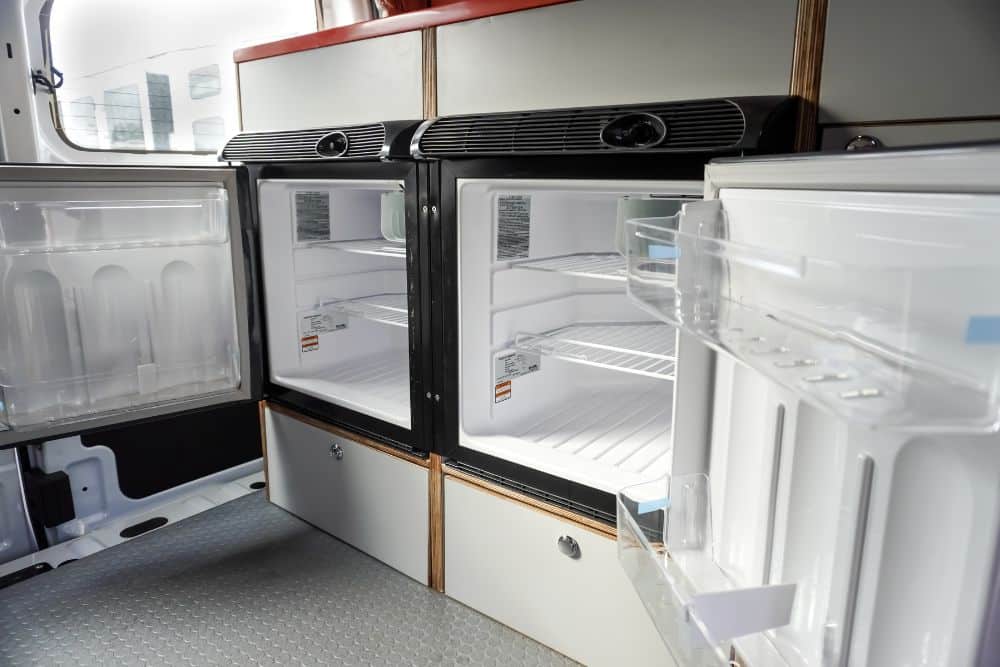
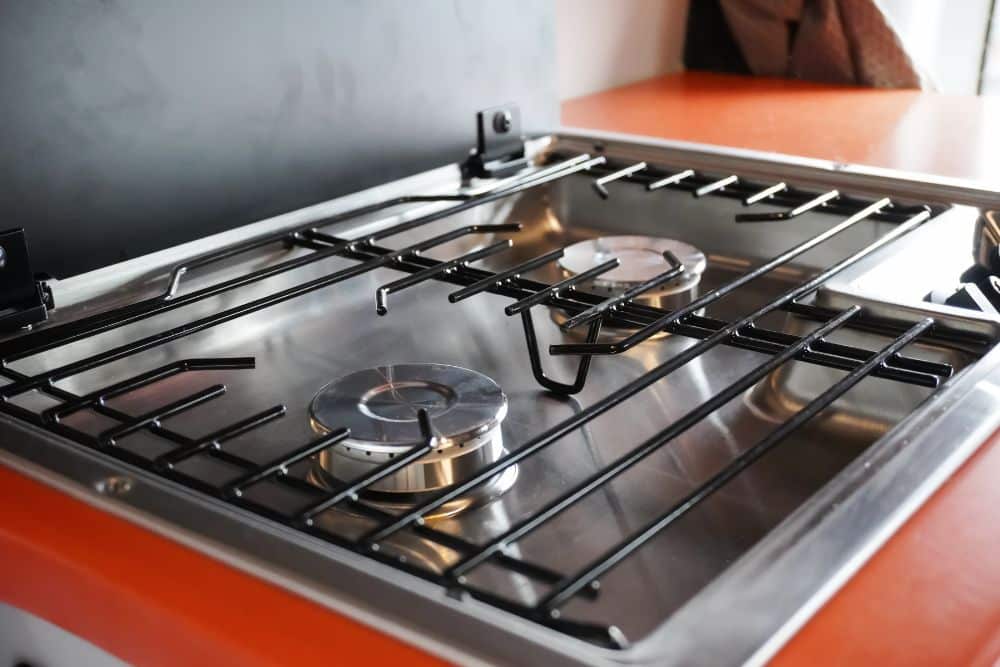
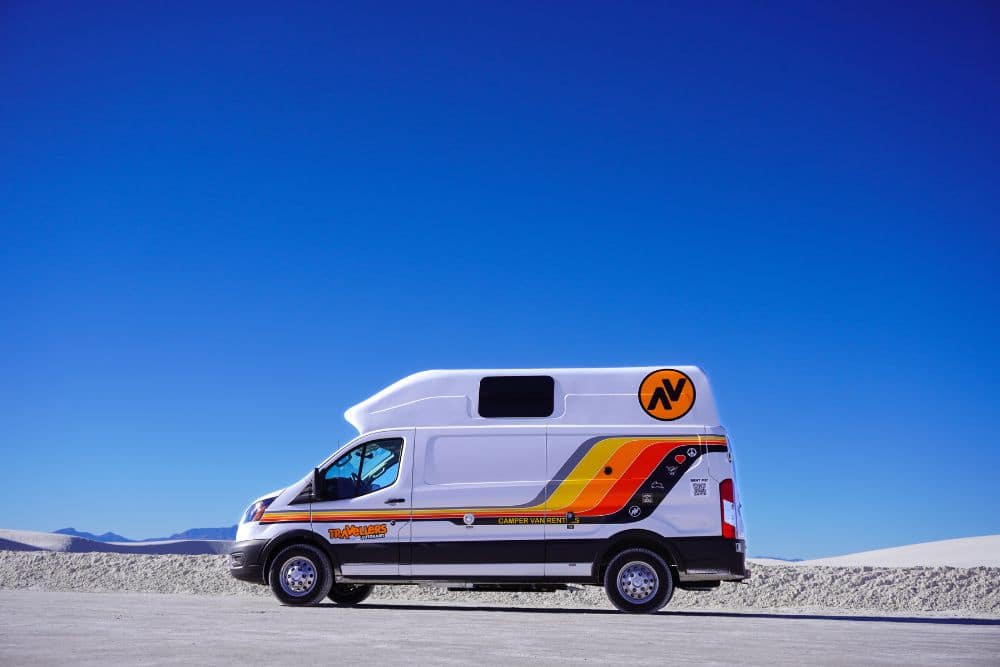
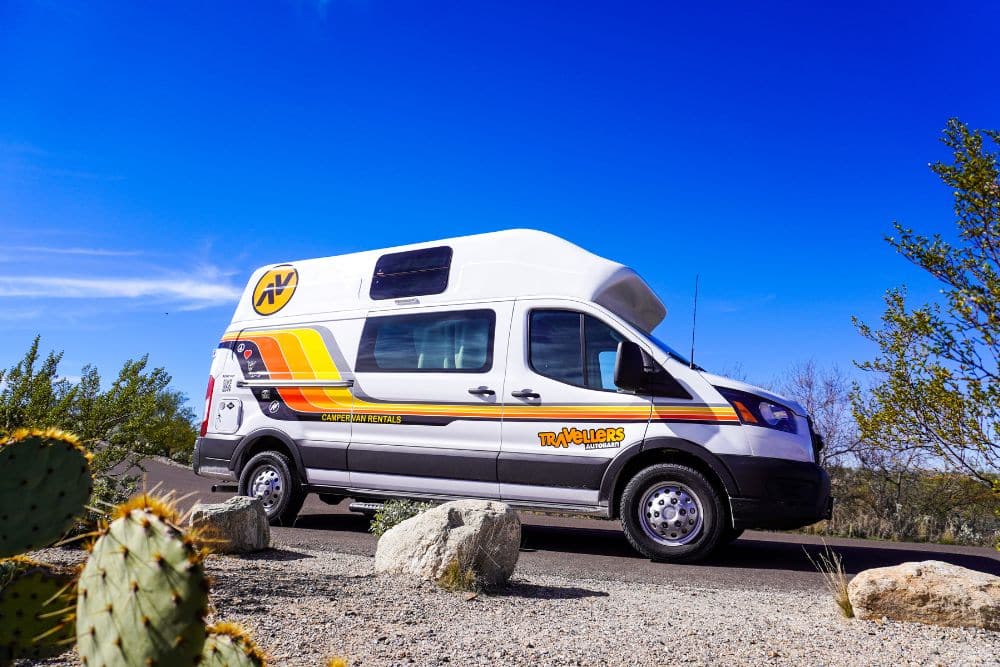
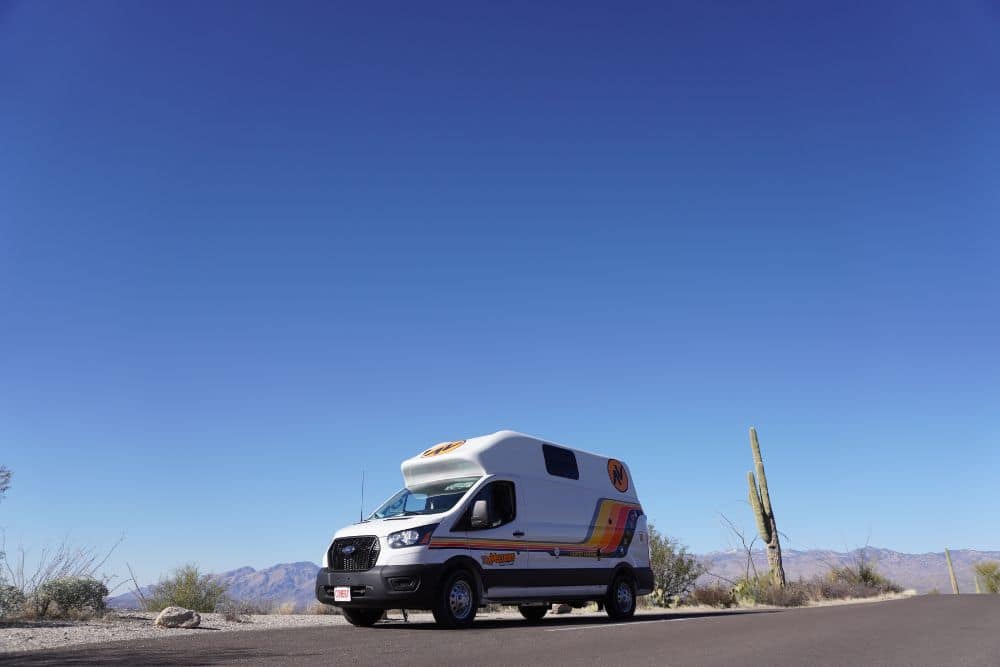
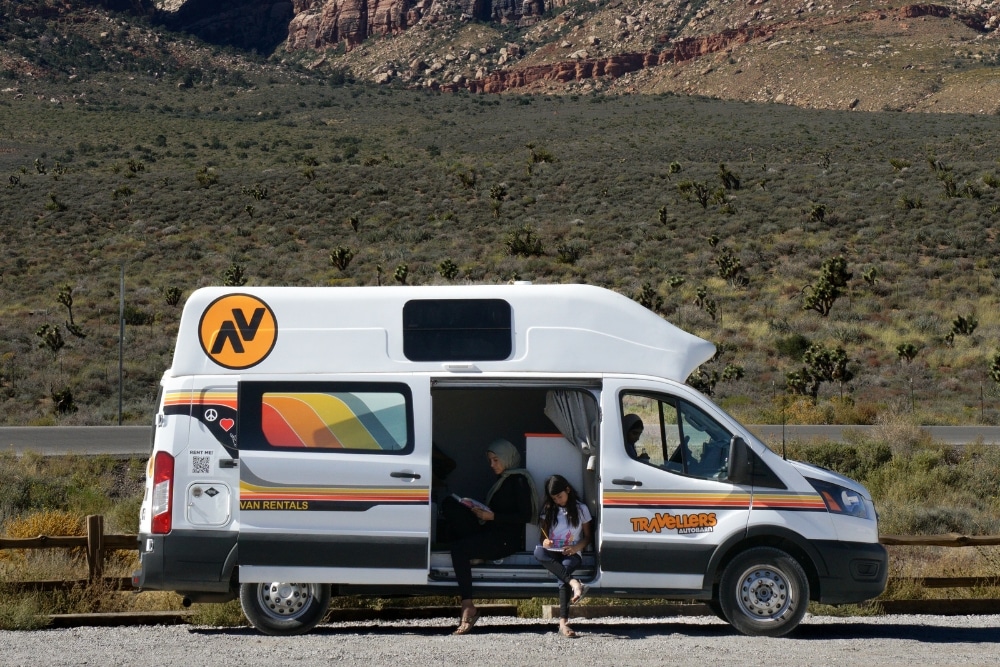
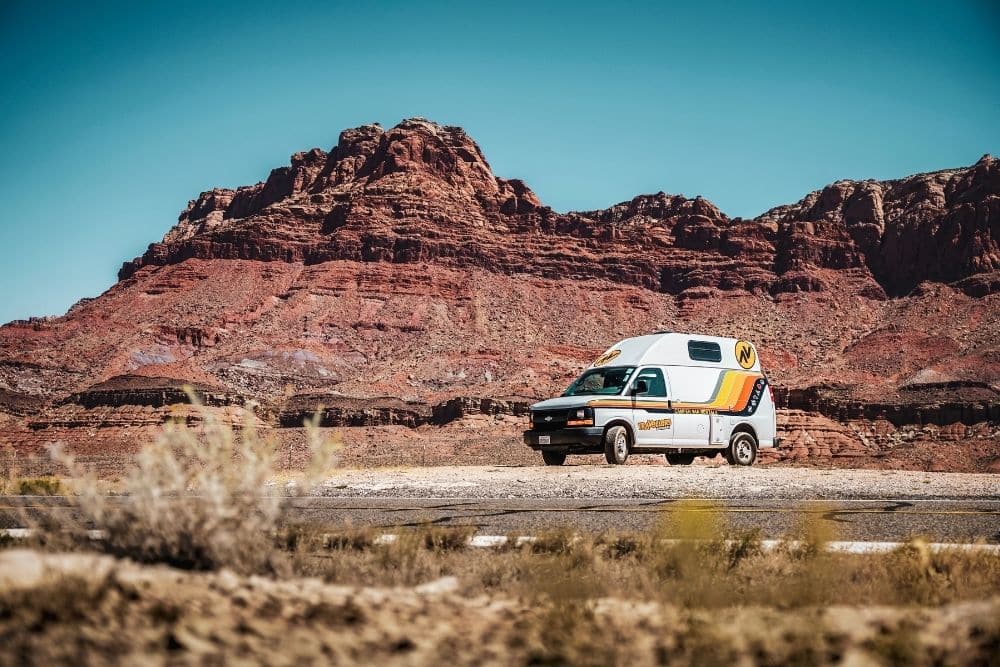
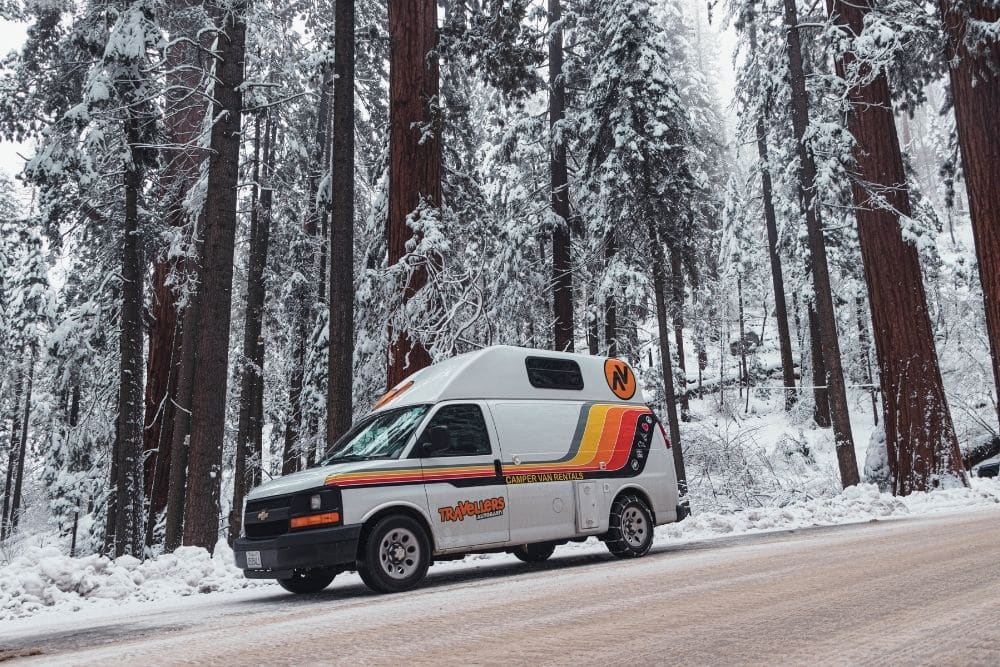
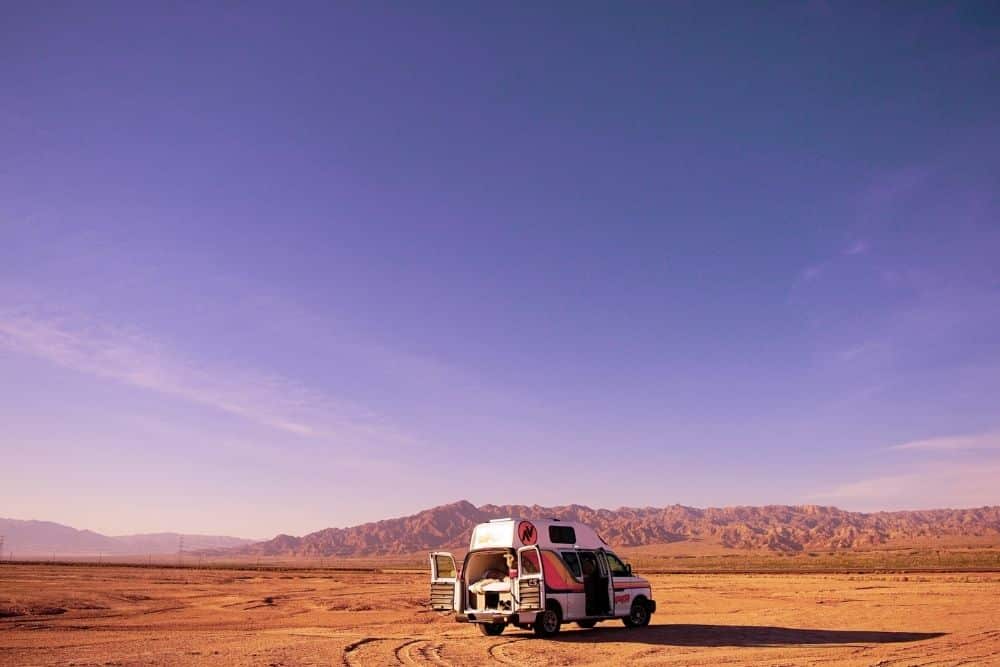
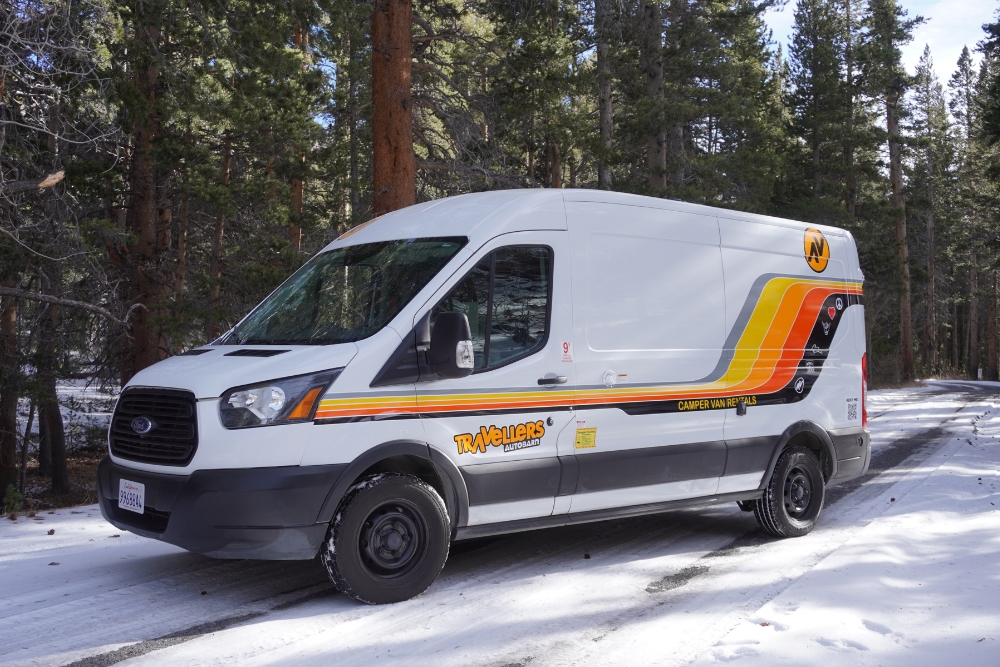
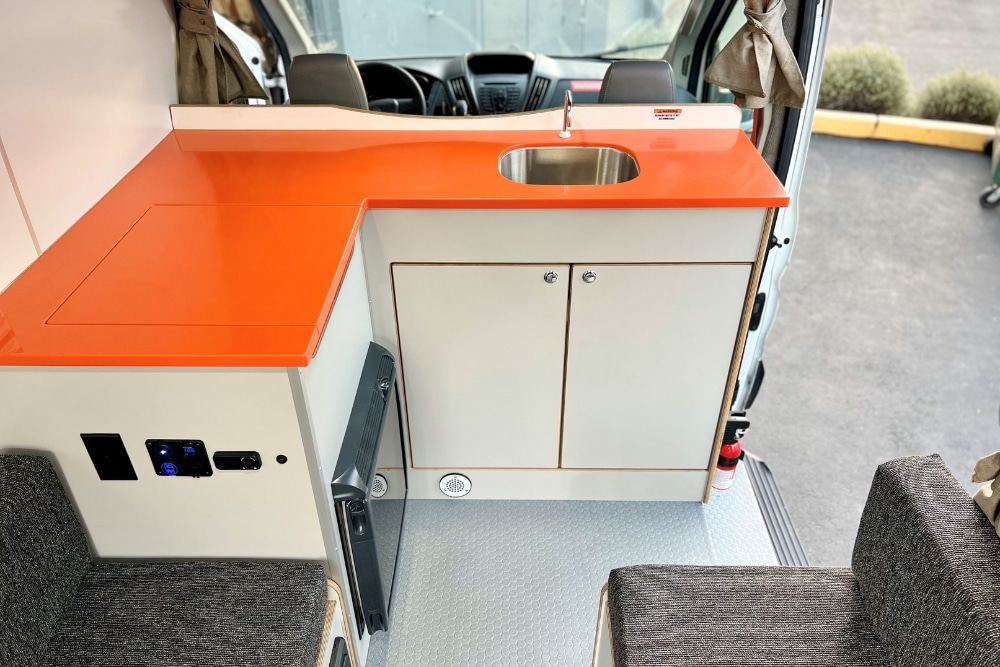
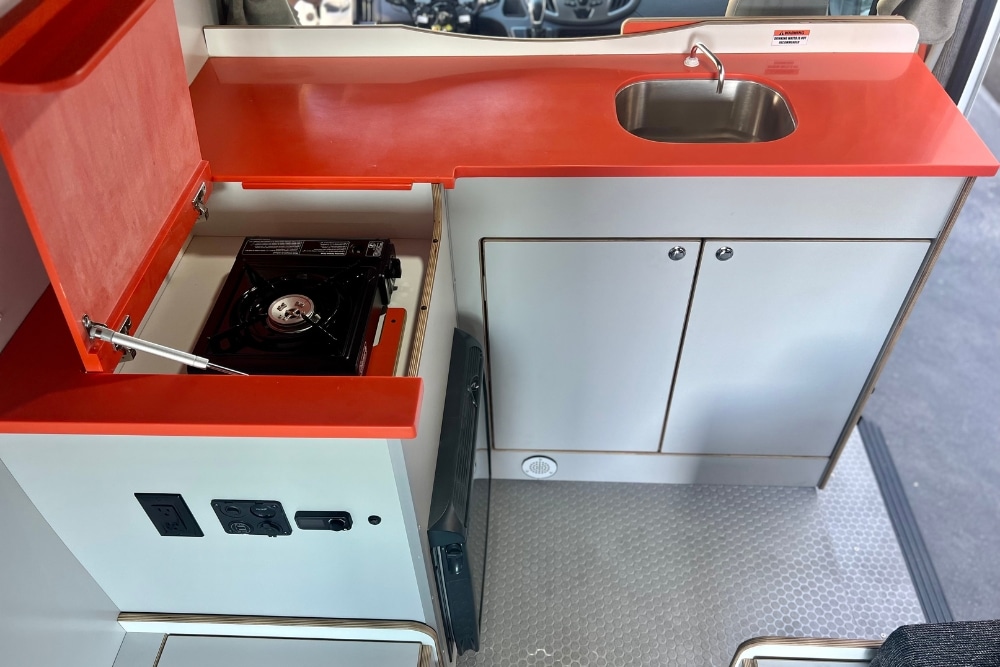
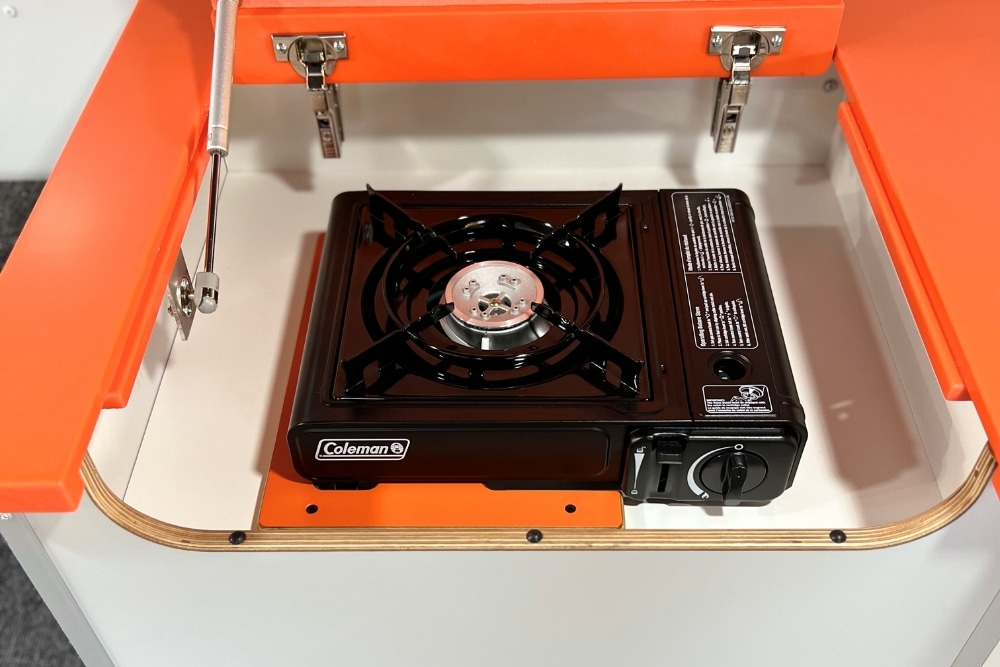
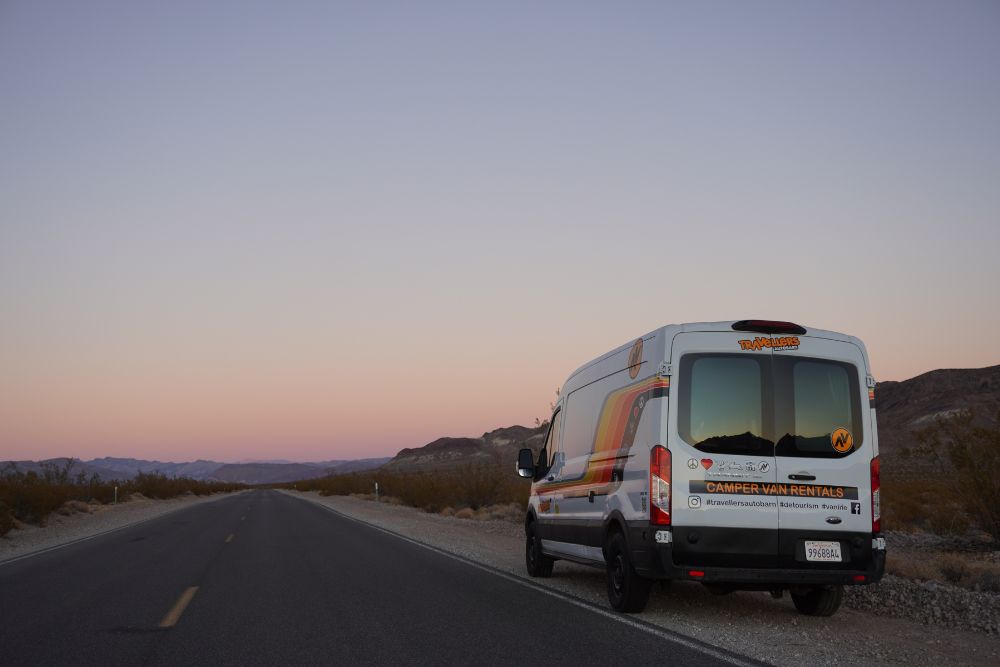
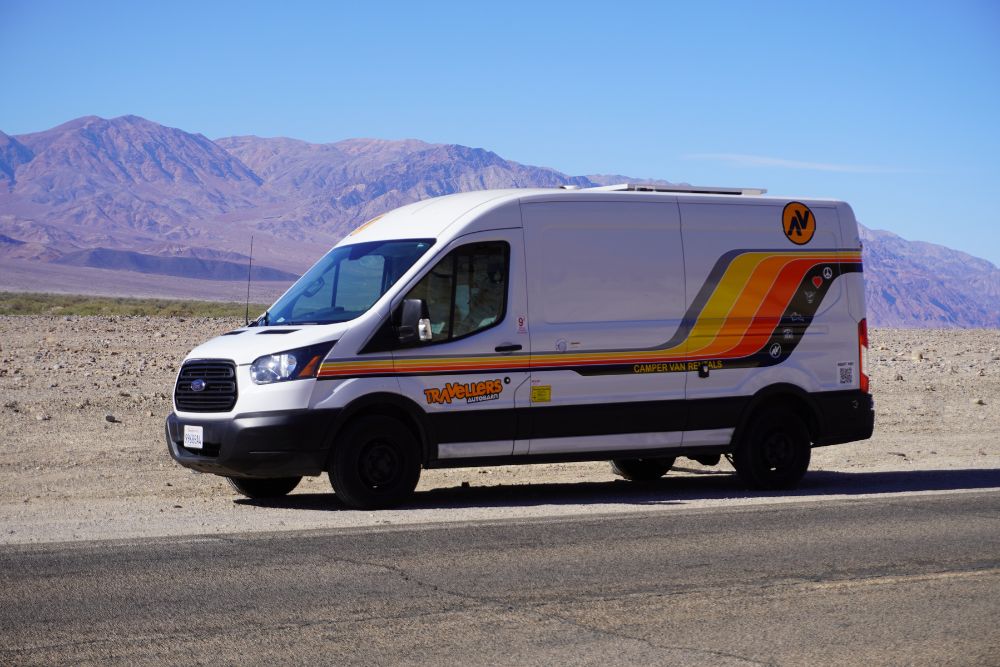
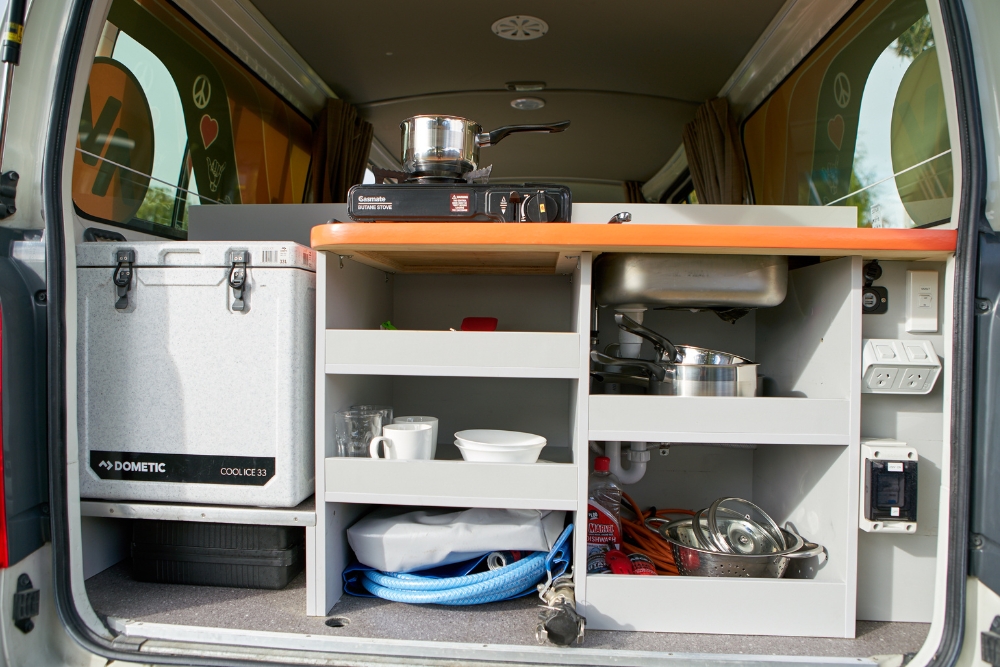
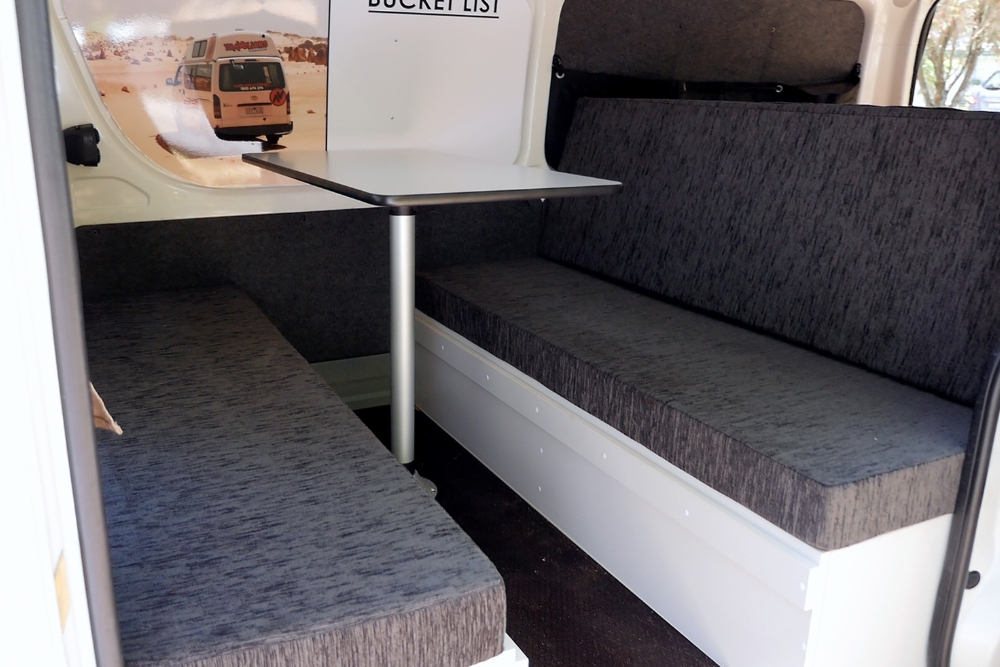
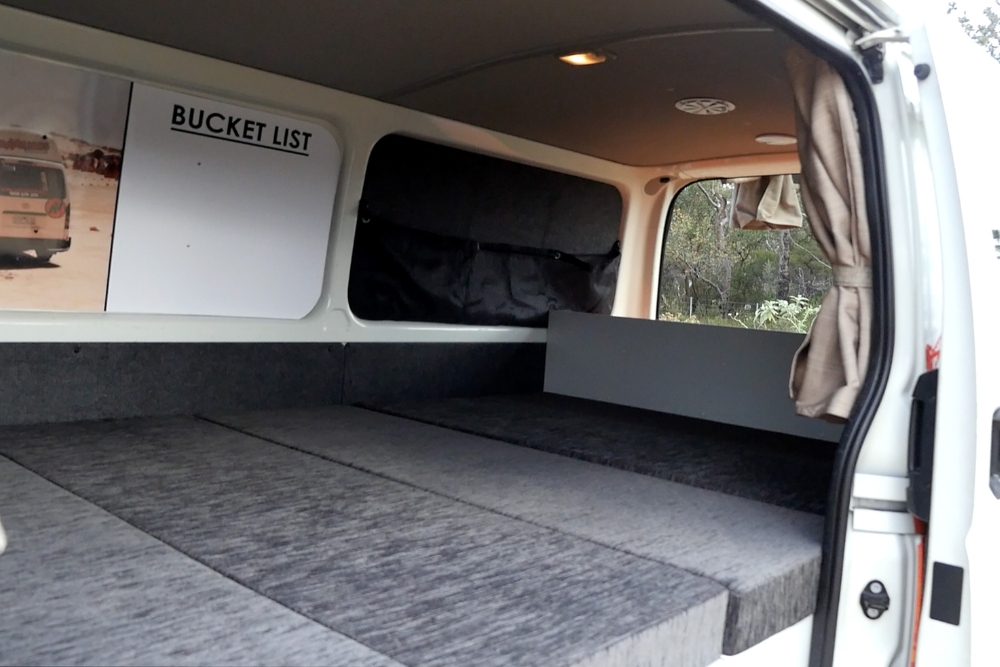
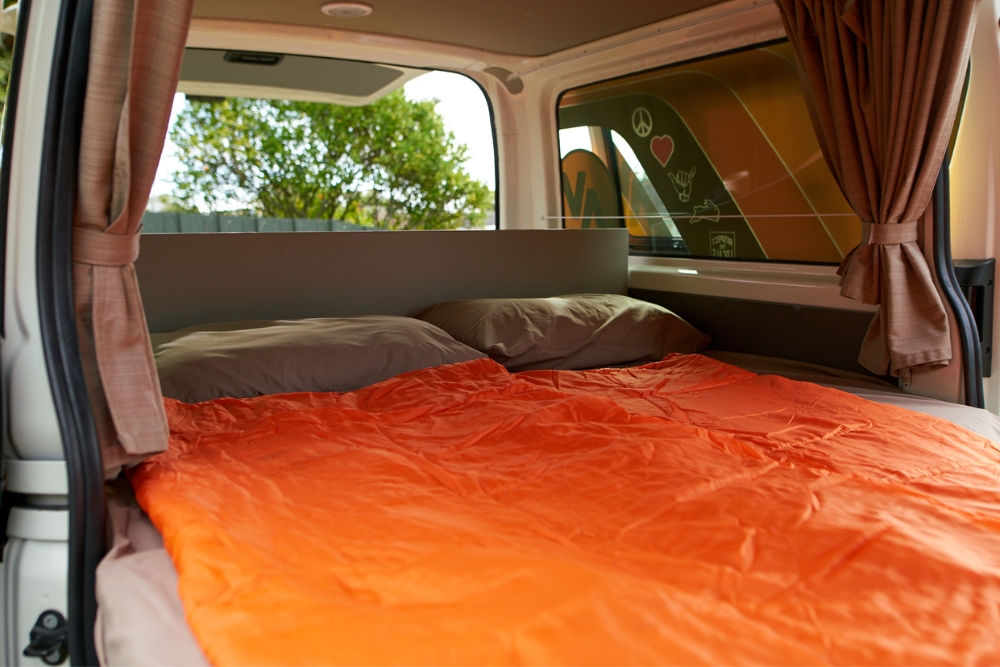
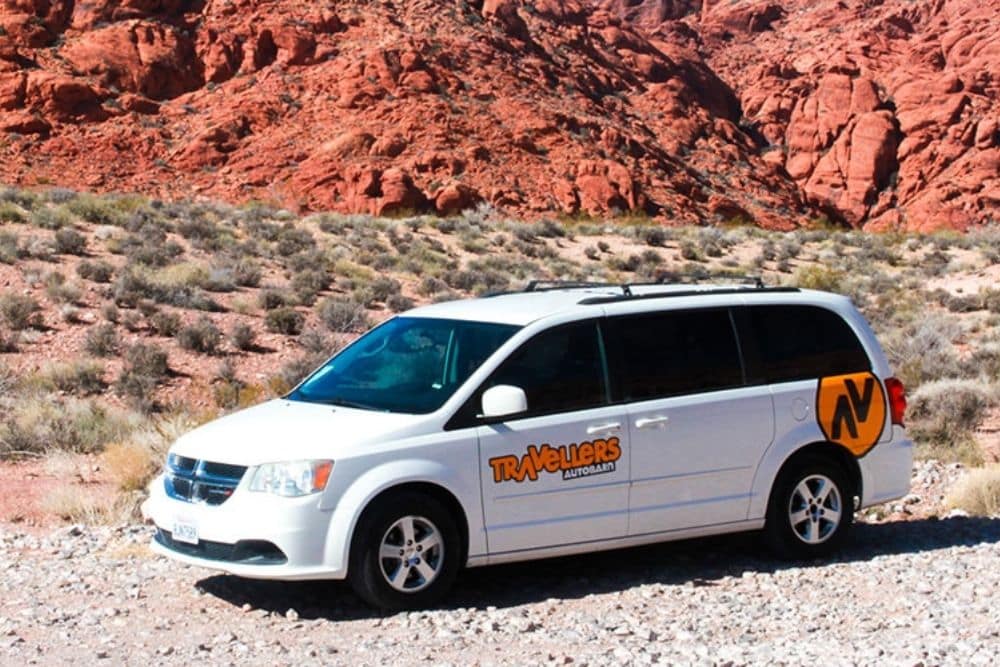
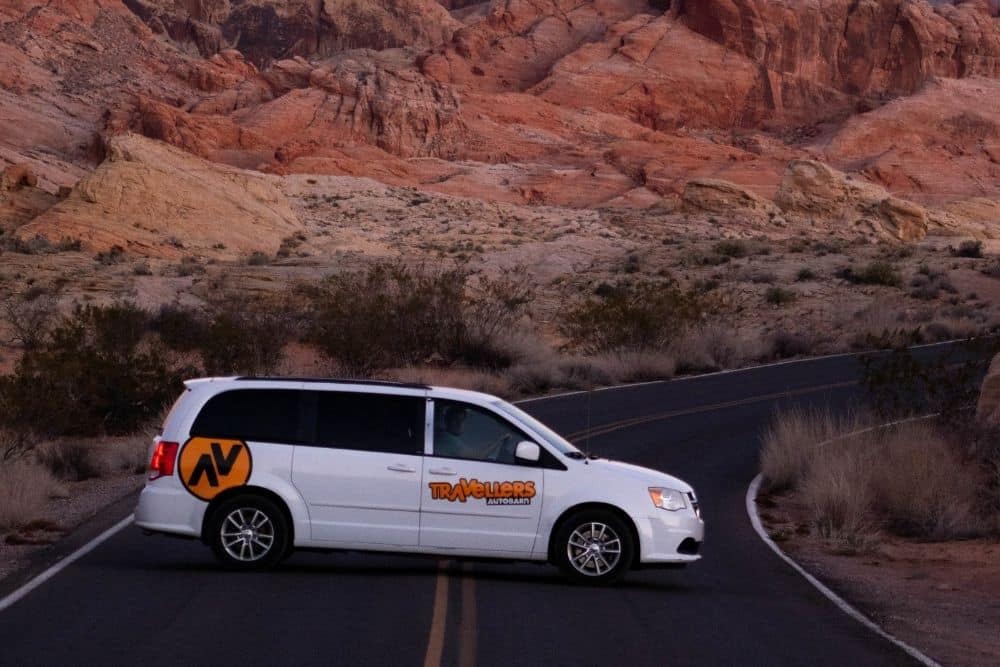
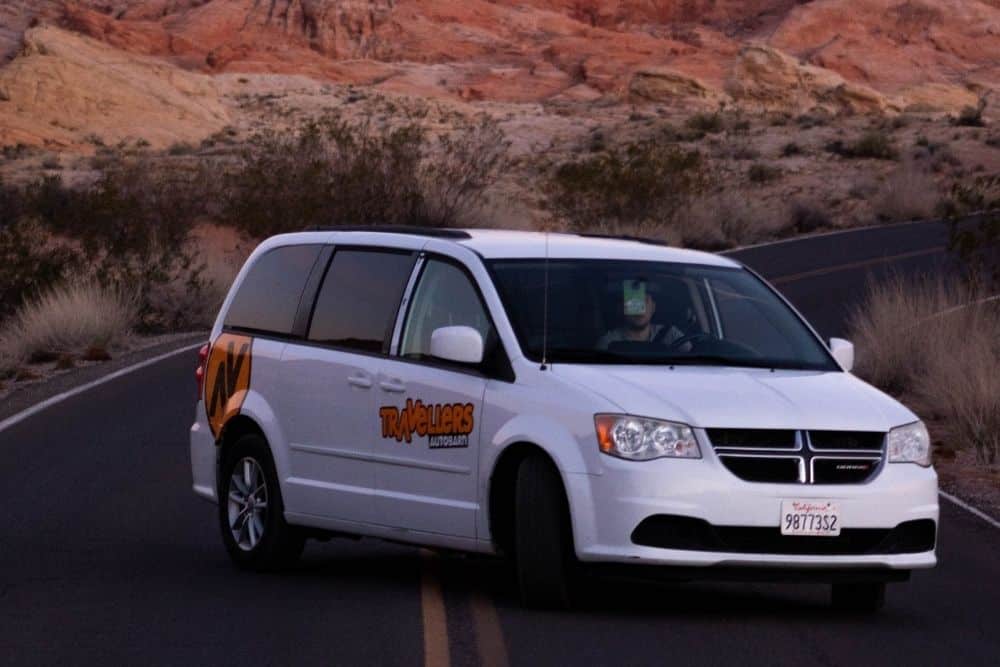
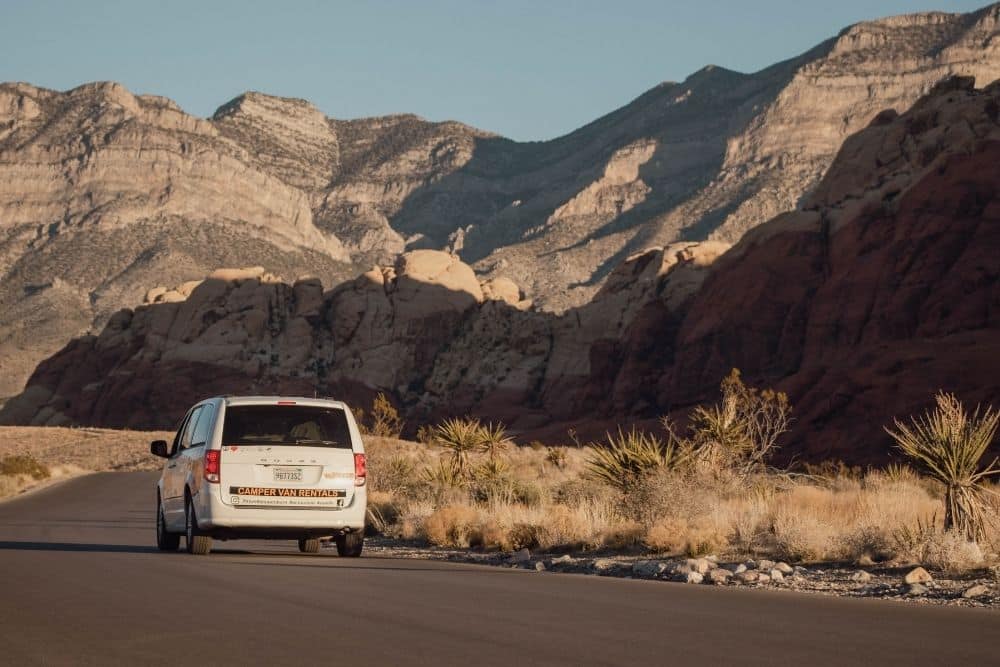
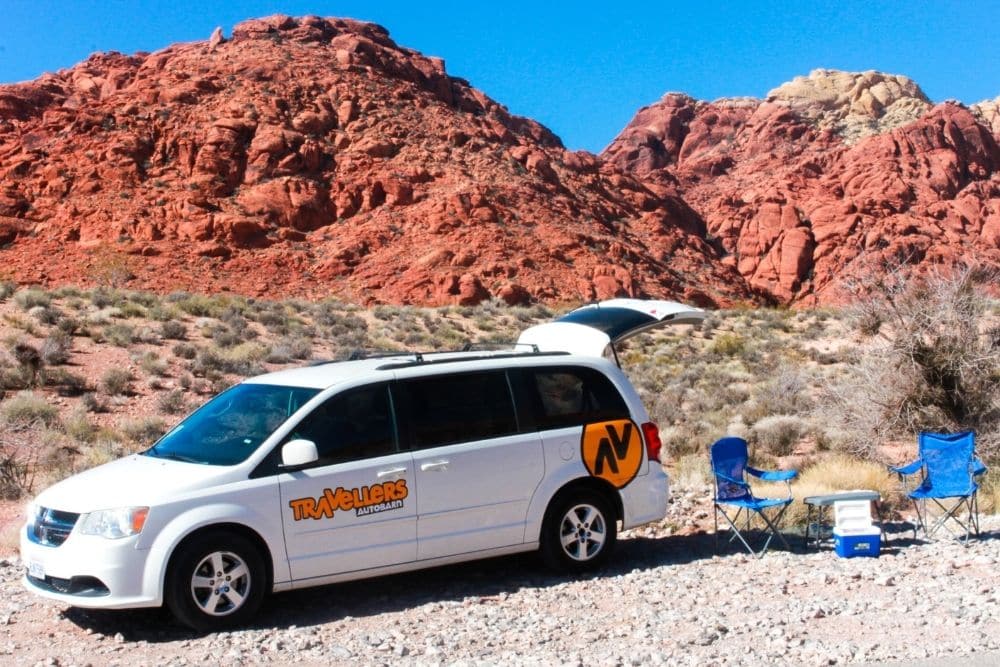
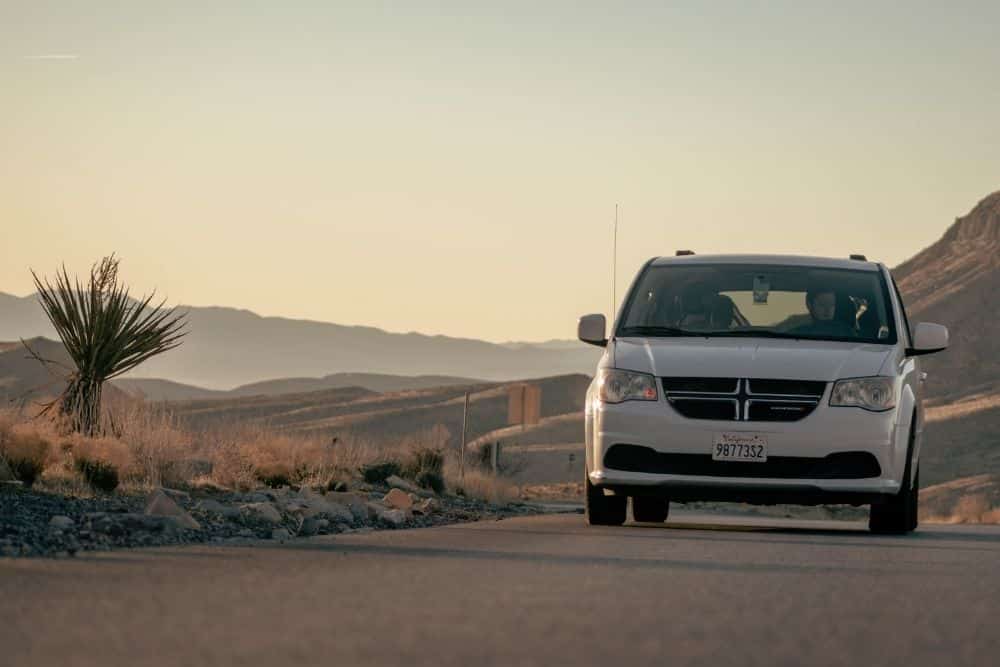
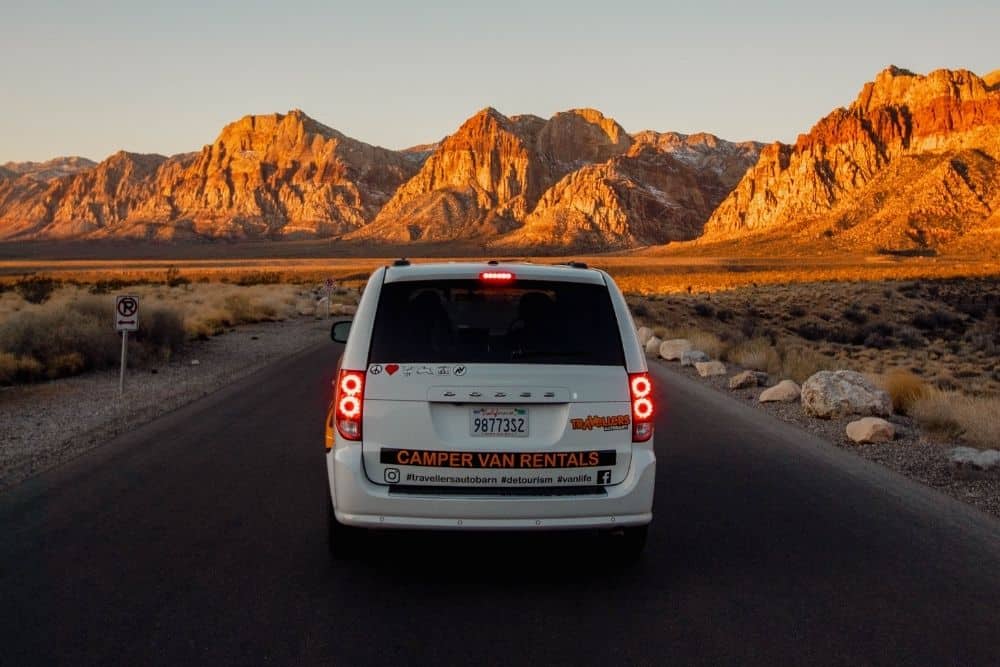
Any car or campervan can make this road trip, but on the tight turns and narrow stretches of the Big Sur drive, be sure to choose a vehicle you’re confident in handling. The best thing about renting a campervan for this bucket list drive is how affordable it makes a two-week holiday. With your bed and stovetop ready and waiting at the end of the day, you never need to pay for costly hotels or restaurants. Free unlimited miles on all rentals also means you can follow the flow of the road and take detours without worrying about what it’s costing.
Renting a campervan for a Pacific Coast Highway road trip
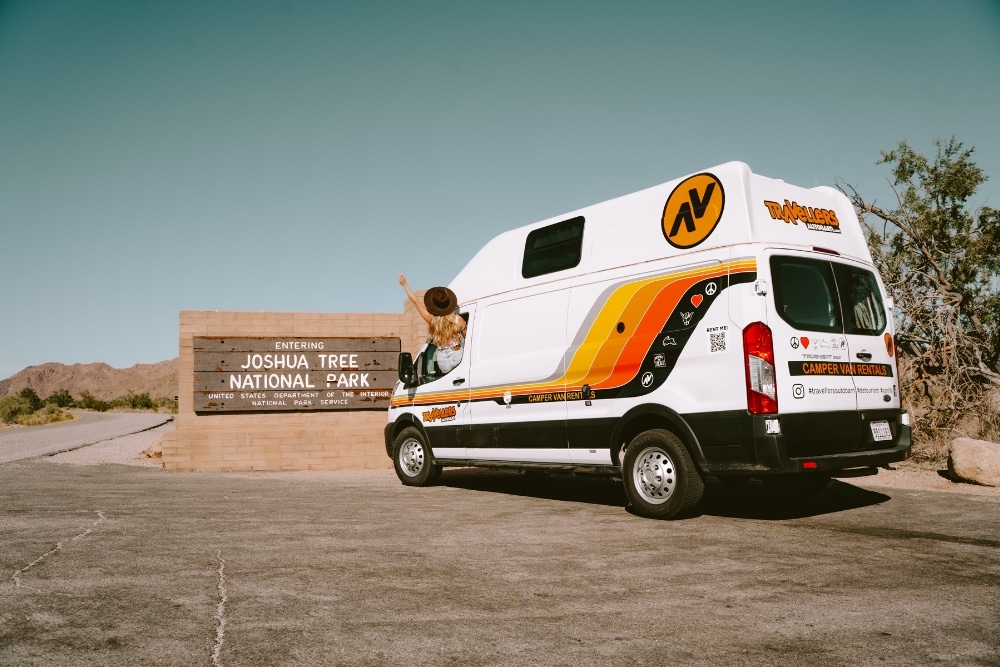
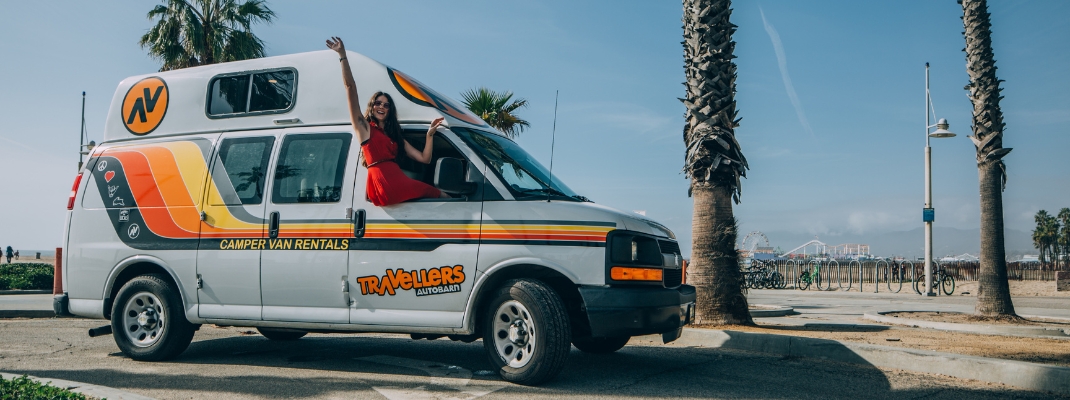
You can rent campervan from our Los Angeles, San Francisco or Las Vegas depots, which makes the classic San Francisco to Los Angeles one-way an easy section of this drive to cover. However, if you’re looking to go all the way, consider a return journey to Oregon and back to LA. Doing it this way will ensure you don’t miss any of the magic along the way. This trip lends itself to multi-day and even multi-week drives, so keep in mind that longer bookings of 14 and 21 days attract an automatic discount and one-way fees are waived on rentals over 28 days.
Get excited for more Los Angeles road trips
Renting a campervan from our Los Angeles, San Francisco or Las Vegas locations gives you endless options for exploring everywhere from the west coast to dramatic desertscapes and pretty alpine regions. Once you’ve completed your west coast route, consider these other incredible drives.
- LA to Grand Canyon road trip
- LA to Chicago Route 66 road trip
- Las Vegas to Yosemite road trip
- San Francisco to Portland road trip
Pacific Coast Highway road trip FAQs
The typical Pacific Coast Highway (California State Route 1) spans about 656 miles, Leggett in the north to Dana Point in the south. But the broader scenic coastal route combines with US Route 101 to stretch for more than 1,650 miles all the way to Washington State.
Realistically, you need 10 days to comfortably complete a one-way drive.
While Big Sur is routinely touted as the most beautiful, the north California section that takes in the Avenue of the Giants gives it a run for its money.
Traveling from north to south puts you in the best lane for uninterrupted ocean views.
Between September and October. Avoid summer for the crowds and ‘June gloom’ fog.
Yes, although some sections are narrow and winding.
DISCLAIMER: All information provided, including prices, availability, and site details, is correct when published. We recommend contacting campsites or caravan parks directly to confirm the latest details before planning your visit. Please review our Terms and Conditions for additional information.
 SEE OUR CAMPERVANS
About the Author

Harrison Greig
Harrison is the Social Media & Marketing Content Manager here at Travellers Autobarn. He holds a Bachelor of Business (International Tourism). He has 6+ years experience in the tourism industry, enjoys capturing and showcasing the beauty of the world we live in!
Sign up for deals and road trip itineraries.

Our Campervans
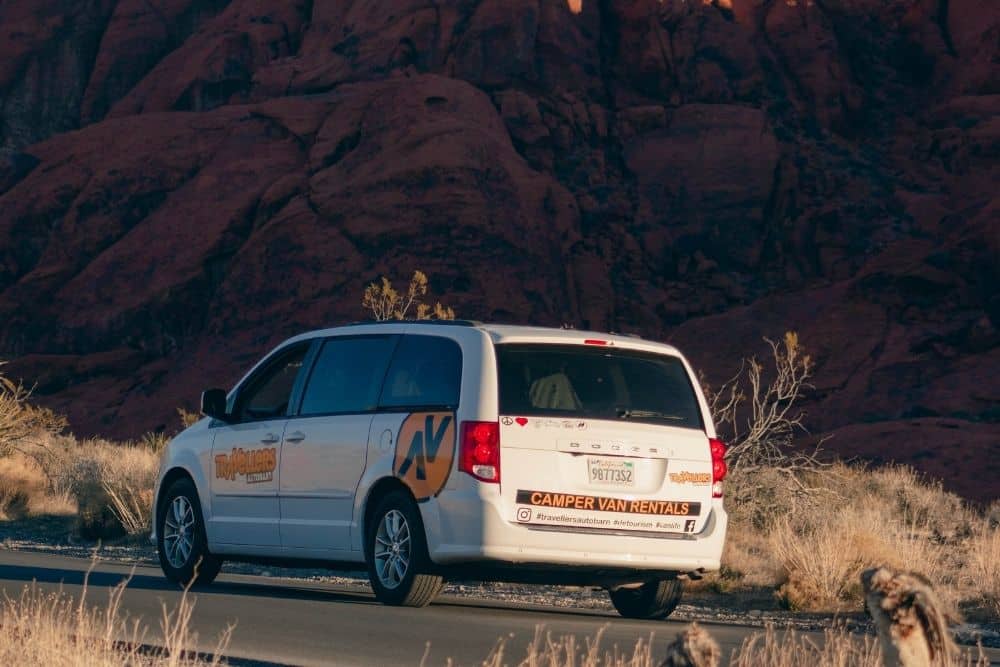
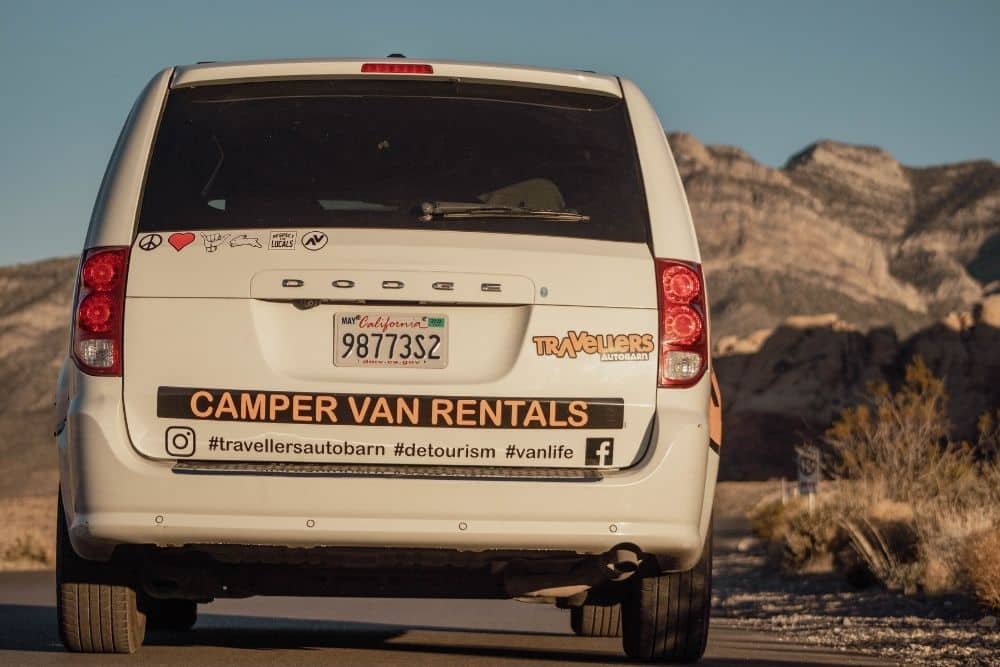
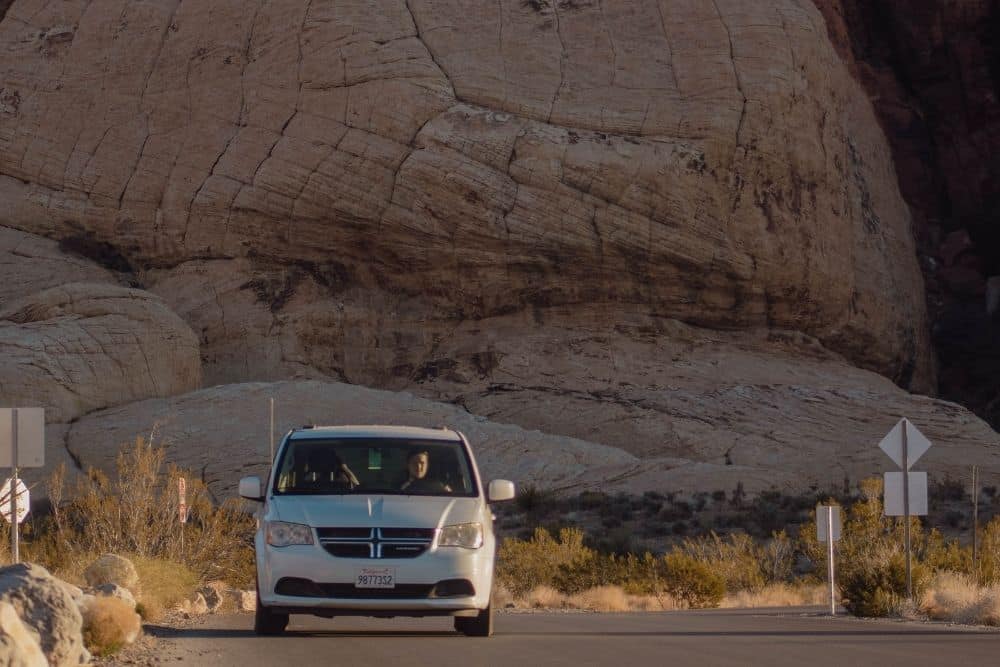
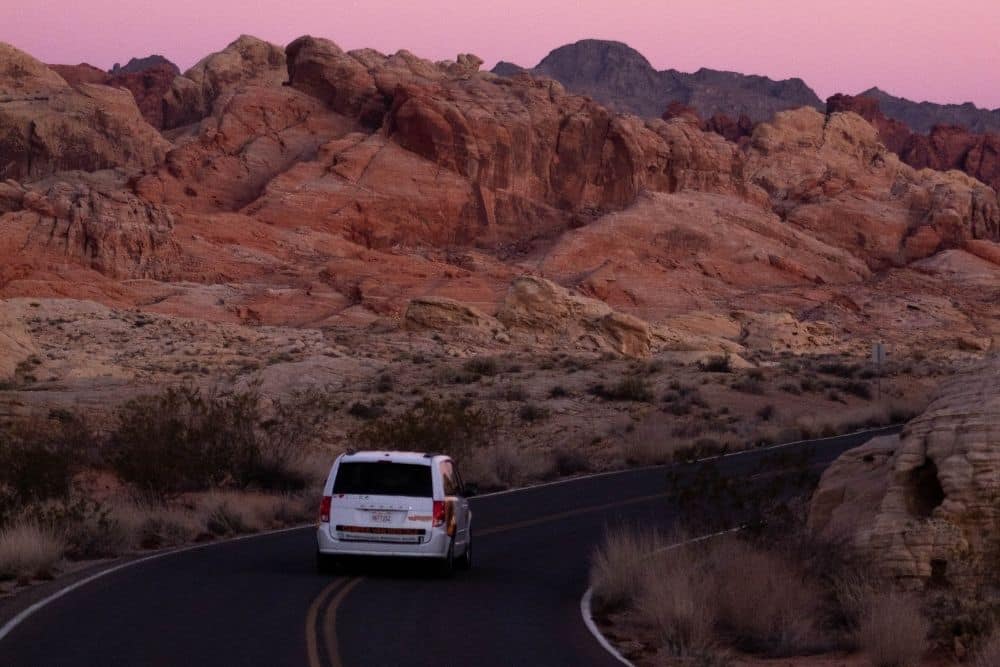

Seats 2-5

Tent Optional

Chairs Optional

Ice Box Optional

Ext. Table Opt.

Gas Cooker Opt.